

Indonesia represents one of Southeast Asia’s highest-potential markets for bulk energy drink supply. The country’s growing distribution networks and expanding wholesale channels create consistent demand for reliable Red Bull sourcing at the container level. We coordinate export-grade Red Bull supply for Indonesian importers, wholesalers, and distributors who operate at scale.
Indonesian buyers prioritize several key factors when evaluating a red bull wholesale supplier. Continuity of supply matters because distributors build customer relationships on predictable restocking cycles. Shelf life discipline matters because export products must arrive with maximum remaining freshness for downstream retail rotation. Export-ready packaging matters because cartons must withstand ocean freight conditions and maintain product integrity through humidity exposure.
Buyers interested in pallet or container supply can share their requirements directly with us for a structured assessment. Our coordination model focuses on confirmed orders rather than speculative inventory, which protects batch freshness and allows us to match each buyer’s specific SKU priorities with appropriate supply timing.
Zeki Frucht GmbH operates from Vienna, Austria as a wholesale coordination company. We do not manufacture Red Bull. We coordinate sourcing through established supply partners based on confirmed buyer orders. This model ensures that products move efficiently from source to destination without unnecessary warehousing delays that can compromise freshness or increase costs.
Video: How Red Bull is Produced and Why It Matters for Wholesale Consistency
Understanding production discipline helps wholesale buyers appreciate why batch control and supply timing affect product quality in export contexts. The following video demonstrates Red Bull’s manufacturing environment and quality standards that influence wholesale supply chain coordination.
Production consistency directly affects export reliability. When energy drink manufacturing follows standardized formulas and quality checkpoints, wholesale buyers receive products that perform consistently across different shipment batches. This consistency matters for distributors who supply retail chains or hospitality operators where product performance affects reorder rates.
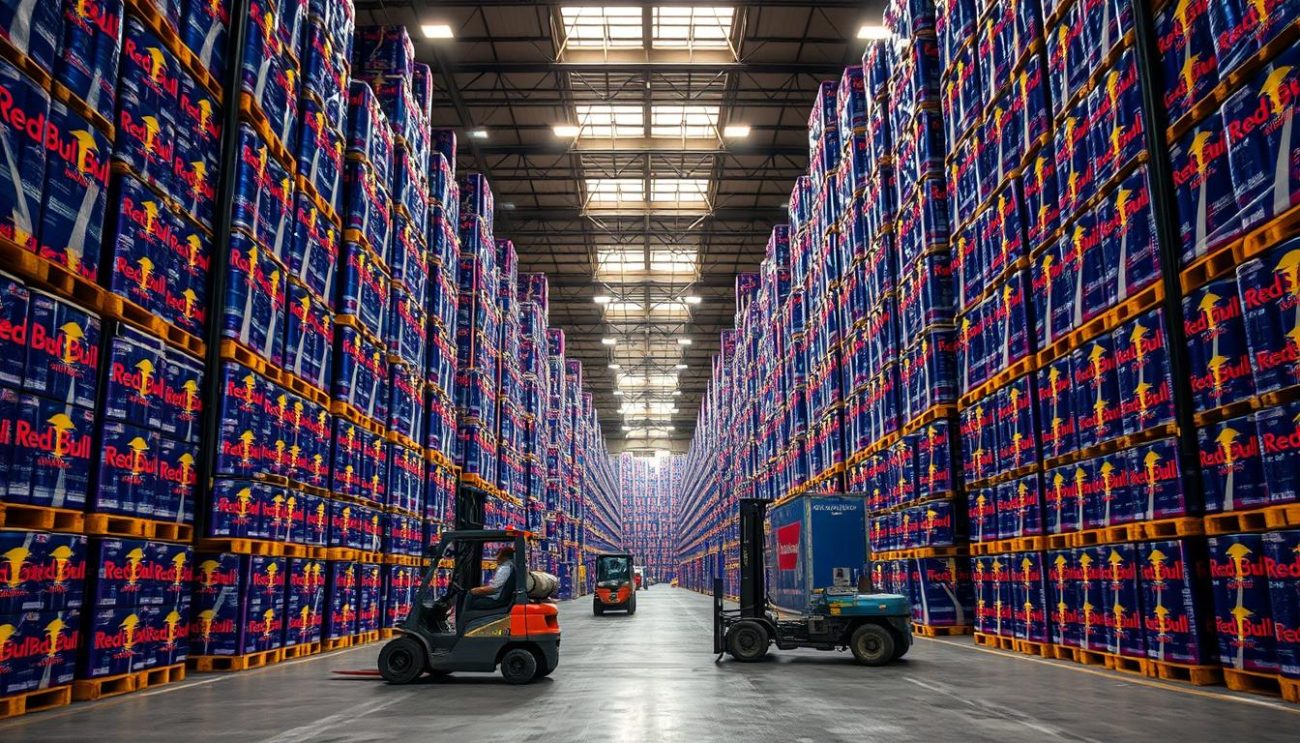
Continuity of supply depends on coordination between production capacity and order volumes. As a red bull bulk supply coordinator, we align buyer order timing with available production windows to minimize delays and maintain predictable delivery schedules for Indonesian distribution operations.
Red Bull Original as the Anchor SKU for Wholesale Programs
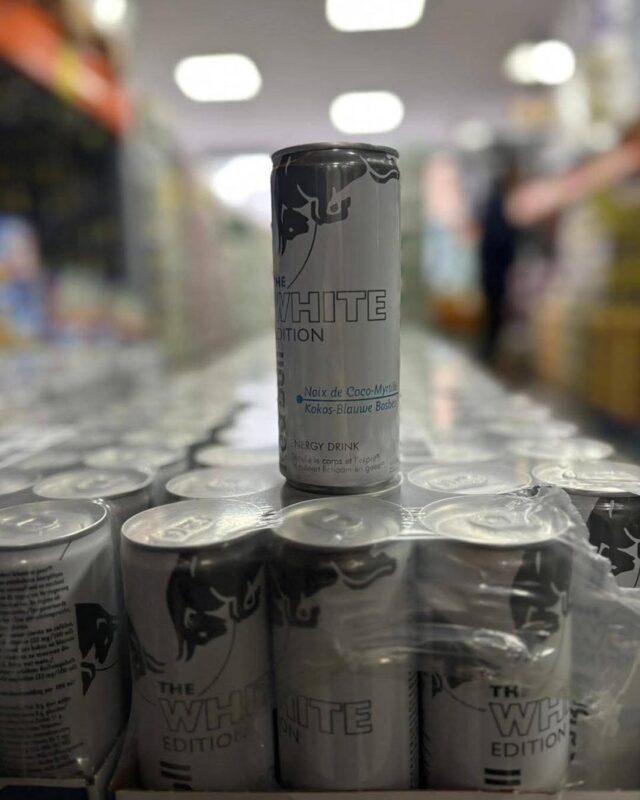
Red Bull Original Regular forms the foundation of most wholesale programs because it addresses the widest consumer base and generates the fastest rotation in distribution channels. Buyers planning bulk energy drink orders typically structure their initial programs around Regular as the primary volume SKU, then add editions for differentiation and margin optimization.
Regular performs consistently across multiple channel types. Wholesale distributors supply it to convenience retail chains where high turnover justifies large case quantities. Hospitality suppliers stock it for restaurants, cafes, and entertainment venues where on-premise consumption drives steady reorders. Vending operators depend on it because the product’s universal recognition reduces the need for consumer education at point of purchase.
When structuring a red bull wholesale distributor program, buyers should calculate their Regular volume needs based on their existing or projected sales velocity. A distributor supplying 50 retail locations might project monthly consumption and multiply by location count to estimate case requirements. A hospitality supplier might base estimates on per-venue consumption patterns across their customer portfolio.
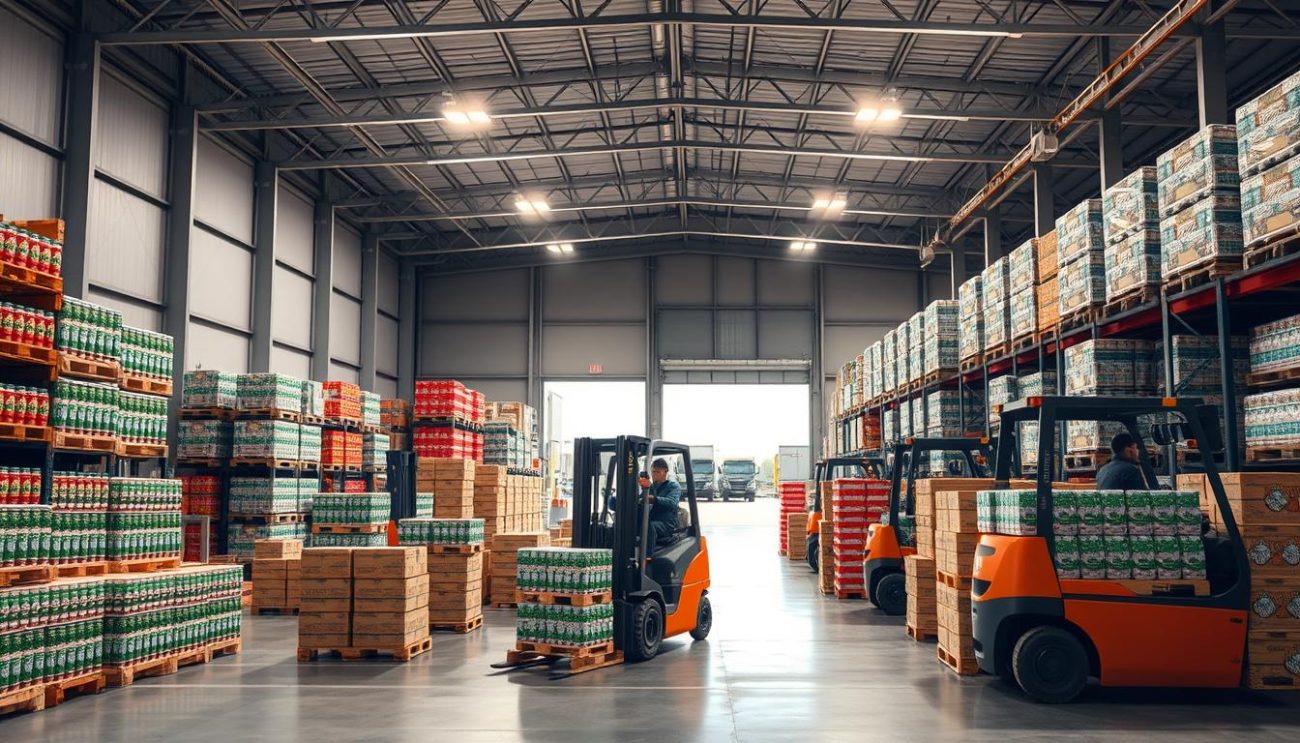
We coordinate Regular supply in export-ready packaging designed for efficient warehouse handling and downstream distribution. Cartons stack cleanly on pallets with proper weight distribution to prevent crushing during transport. Each carton includes clear batch identification and expiration dating so distributors can manage stock rotation according to first-in-first-out inventory principles.
Editions for Differentiation: Structured SKU Planning for Distributors

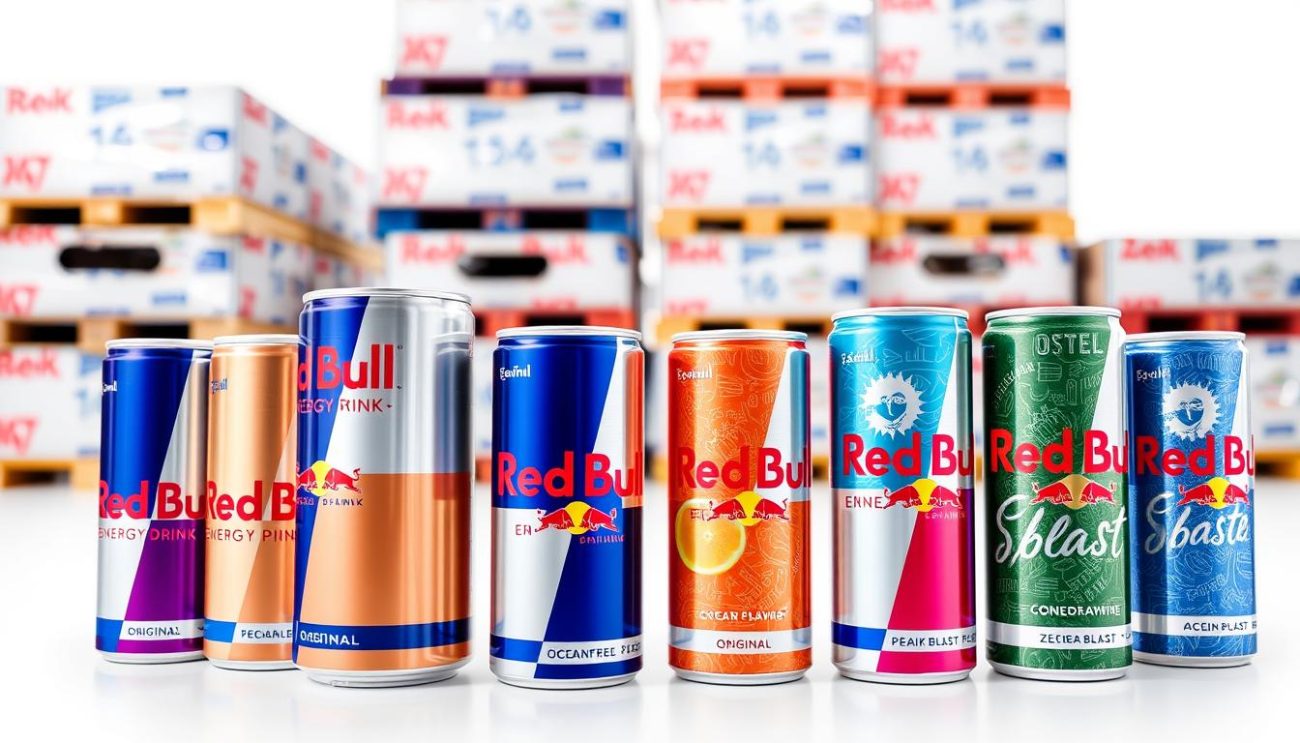
Red Bull Editions allow distributors to expand beyond Regular volume while maintaining brand consistency. Each edition targets specific flavor preferences and helps buyers differentiate their offerings in competitive markets. Structured SKU planning means distributors select editions based on their customer base characteristics rather than attempting to stock every available variant without demand justification.
Indonesian distributors typically structure edition programs around three to five core variants that complement Regular rather than compete with it. This approach keeps inventory manageable while providing enough variety to attract buyers seeking options beyond the original formula. We help coordinate edition supply as part of integrated wholesale programs where Regular provides volume foundation and editions add margin opportunity.
| SKU | Typical Demand Type | Best-Fit Channel |
| White Edition | Broad appeal flavor profile | Convenience retail, wholesale distribution |
| Blue Edition | Fruit flavor preference segment | Modern trade, hospitality supply |
| Green Edition | Exotic flavor seekers | Urban retail, event catering |
| Pink Edition | Citrus preference segment | Hospitality, convenience chains |
| Lime Edition | Refreshment-focused consumers | On-premise consumption venues |
Edition selection should align with a distributor’s existing customer relationships and market positioning. A distributor serving modern convenience chains might prioritize White and Blue editions because these variants perform well in grab-and-go retail environments. A hospitality supplier might emphasize Pink and Lime editions because citrus profiles complement food service occasions.
Additional variants exist and can be checked upon request, but most wholesale programs achieve optimal results by focusing on proven editions rather than expanding SKU counts beyond what their distribution infrastructure can efficiently manage. A focused edition strategy also simplifies inventory forecasting and reduces the risk of slow-moving stock that ties up working capital.
Sugarfree represents another common wholesale complement to Regular. Some distributors structure mixed programs that combine Regular and Sugarfree to address both standard and reduced-sugar preference segments. This approach works particularly well for buyers supplying health-conscious retail channels or workplace vending programs where nutritional variety matters to end consumers.
When buyers work with an energy drink wholesale supplier to structure edition programs, they should estimate relative volume proportions based on their market knowledge. A common starting structure might allocate 60-70% of total volume to Regular, 20-30% to selected editions, and 5-10% to Sugarfree. These proportions adjust over time as distributors gather actual sales data and refine their mix based on real customer demand patterns.
Export Packaging and Warehouse Preparation for Red Bull Energy Drink
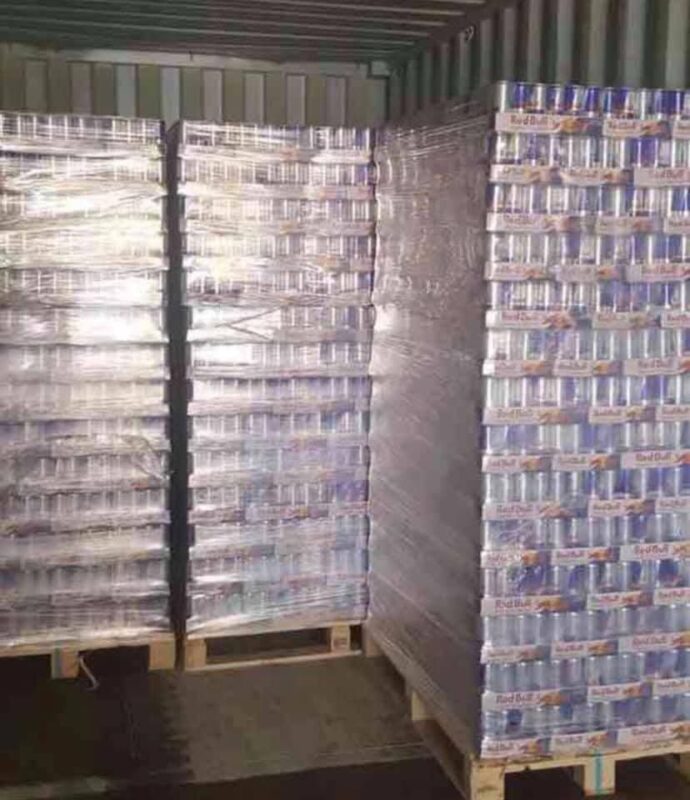
Export-ready packaging protects products during ocean freight and facilitates efficient handling through the distribution chain. Red Bull energy drink products destined for wholesale markets arrive in cartons designed specifically for export conditions rather than domestic retail packaging formats that may not withstand extended transport and multiple handling points.
Cartons stack in trays that organize cans by count and protect them from compression damage. Tray design allows warehouse personnel to handle cases without excessive product shifting that can cause cosmetic damage to cans or compromise seal integrity. Export cartons include reinforced corners and moisture-resistant materials that protect contents even when containers experience humidity fluctuations during ocean transit.
Export-Ready Handling Principles
- Batch identification on every carton for lot control and traceability through distribution chain
- Expiration dating clearly printed to support first-in-first-out rotation practices in distributor warehouses
- Carton dimensions standardized for efficient pallet stacking and container space optimization
- Handling instructions marked on carton exteriors to guide warehouse personnel during loading and unloading operations
- Product specifications listed for customs documentation and regulatory compliance verification at destination
Lot control matters because distributors need to manage inventory by production batch rather than mixing multiple lots in the same storage location. When quality questions arise, batch-specific tracking allows quick identification of affected products without requiring full inventory holds. This discipline protects distributor operations and maintains customer confidence in product quality consistency.
Preparation discipline extends to pallet configuration planning. Export pallets use standard dimensions that maximize container loading efficiency while maintaining stability during transport. Cartons stack in patterns that distribute weight evenly and prevent load shifting when containers navigate ocean routes or encounter road transport vibrations during final delivery to Indonesian ports.
Pallet and Container Coordination for Indonesia
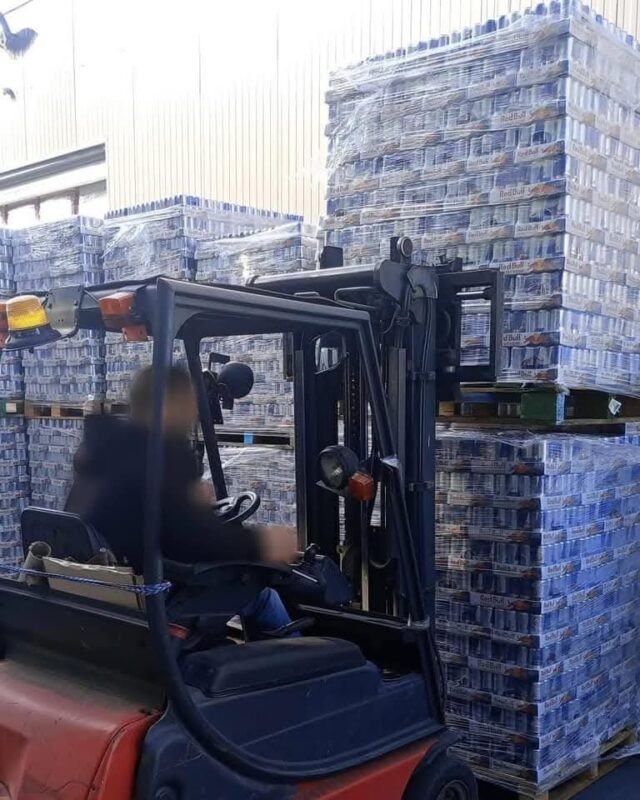
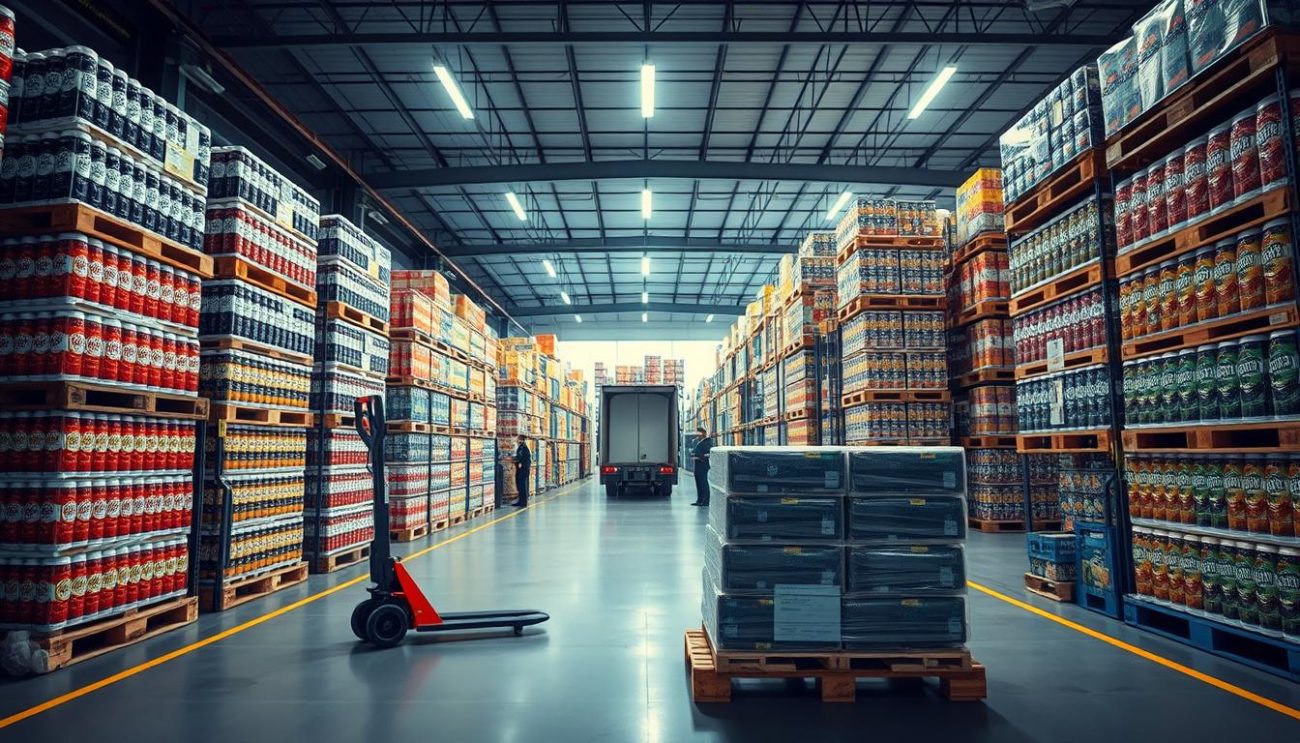
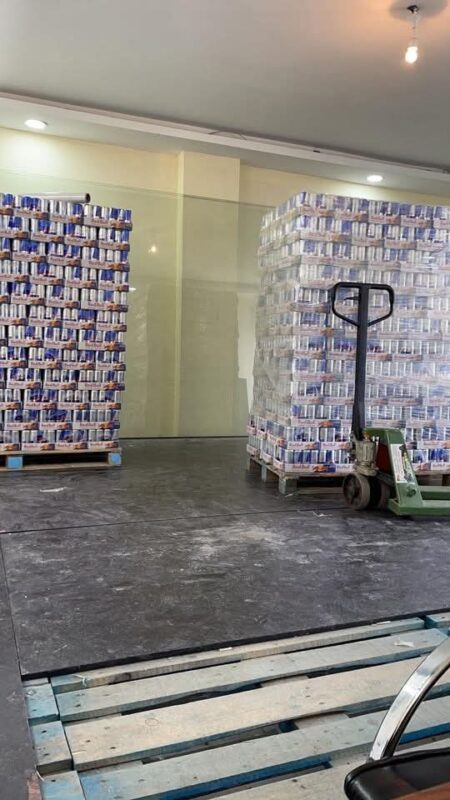
Bulk shipments to Indonesia ship by pallets organized into container loads. Each pallet holds multiple cartons stacked according to specifications that balance product protection with space efficiency. Container coordination begins after buyers confirm their order details including SKU mix, total volume, and delivery timing preferences.
Pallet configuration depends on can size and case format. Different package configurations create different stacking patterns and carton counts per pallet. Final pallet layout and container load plans confirm after the buyer provides their specific SKU priorities and volume requirements. This approach ensures that load planning matches actual order characteristics rather than using generic assumptions that may not optimize the buyer’s specific needs.
Mixed pallets are possible when distributors want to combine multiple SKUs in single shipments. Mixed pallet planning requires careful attention to weight distribution and carton stacking stability. Each pallet must remain stable during transport and easy for distributor warehouse personnel to break down by SKU when products arrive at destination facilities. We coordinate these details after buyers confirm their SKU priorities and estimated volumes with our team.
Documentation alignment supports smooth delivery through Indonesian customs procedures. Proper product specifications, batch certificates, and commercial documentation must match actual shipment contents and comply with Indonesian import requirements. Indonesian Customs procedures require specific documentation formats and product declarations that must be prepared accurately to avoid clearance delays.
CIF represents a common model for Indonesian wholesale orders because it includes freight and insurance costs in the quoted price structure. This approach simplifies buyer cost planning by providing a single landed cost figure rather than requiring buyers to coordinate separate freight and insurance arrangements. While other incoterms are available, CIF suits most container-level buyers who prefer comprehensive pricing that covers product and delivery as a unified package.
Video: Brand Demand and Retail Pull-Through
Brand strength affects distributor operations because strong consumer recognition drives faster inventory rotation and more predictable reorder cycles. Understanding how Red Bull brand demand influences retail pull-through helps wholesale buyers structure programs that align with natural market velocity rather than fighting for shelf space or promotional support.
Consumer demand creates pull-through velocity that benefits distributors at every level of the supply chain. When retail customers actively seek Red Bull products, convenience stores and hospitality venues maintain consistent stock levels to avoid lost sales. This consistent retail demand translates to predictable distributor reorder patterns and more stable cash flow through the wholesale channel. The global energy drinks market continues to show strong growth trajectories that support long-term distribution planning and investment in wholesale infrastructure.
How This Page Connects to Our 2026 Red Bull Supply Network
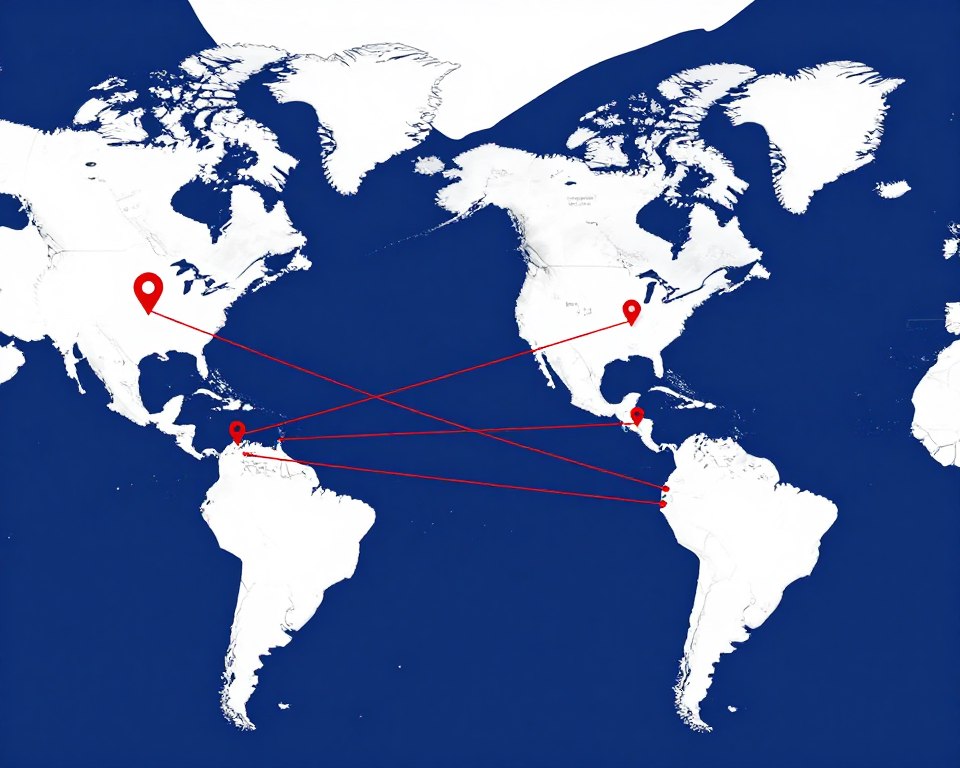
Our coordination experience extends across multiple markets where we have structured wholesale programs for distributors, importers, and bulk buyers. Indonesian buyers evaluating supplier capabilities can review our coordination experience across these markets before structuring their inquiry.
We maintain detailed market pages that explain our supply coordination approach in specific geographic contexts. The Red Bull energy drink wholesale overview provides our general coordination model and explains how we work with buyers across different regions to align order specifications with supply availability.
North American buyers can review our Red Bull wholesale USA page which explains container coordination for US distribution networks and addresses documentation requirements specific to American import procedures. Our Red Bull pallets Canada wholesale page describes how we handle bilingual labeling requirements and coordinate shipments to multiple Canadian distribution points.
Middle Eastern markets present different logistics and regulatory characteristics. Our Red Bull wholesale Dubai page explains how we coordinate supply for UAE distributors and address temperature-controlled shipping considerations for Gulf region climates that affect product stability during storage and transport.
Latin American coordination experience demonstrates our ability to manage long-distance supply chains and navigate varied import procedures. The Red Bull al mayoreo Mexico page details our approach to Mexican import requirements and Spanish-language documentation coordination. Our Red Bull al por mayor en Chile page explains coordination for South American distribution including Pacific coast shipping logistics.
These market pages demonstrate our practical experience coordinating red bull original wholesale and red bull editions wholesale programs across different regulatory environments, language requirements, and logistical configurations. Buyers can review these resources to understand how we adapt coordination processes to market-specific requirements while maintaining consistent quality standards and communication protocols across all programs.
Payment Terms for Wholesale Red Bull Supply
Our standard payment structure requires 50% advance payment and 50% balance payable either against Bill of Lading or upon receipt depending on the specific agreement negotiated for each program. This structure protects both parties by requiring buyer commitment before order processing begins while providing flexibility in final payment timing based on shipping documentation or physical delivery confirmation. Specific payment arrangements finalize during quote discussions after buyers provide their order specifications and volume requirements.
Frequently Asked Questions: Red Bull Wholesale Supply for Indonesia
How should buyers share their SKU mix preferences for wholesale orders?
Buyers should list each desired SKU with estimated case quantities or percentages of total order volume. For example, specify “Regular 60%, White Edition 20%, Blue Edition 15%, Green Edition 5%” or provide actual case counts like “Regular 500 cases, White Edition 200 cases, Blue Edition 100 cases.” This information helps us confirm availability and structure accurate quotes that match your distribution priorities. Include any special requirements like all-Regular orders or specific edition combinations that serve your market positioning.
How do mixed pallets work for wholesale energy drink orders?
Mixed pallets combine multiple SKUs on single pallets rather than dedicating entire pallets to individual products. This approach suits distributors who want smaller quantities of multiple editions without ordering full-pallet volumes of each variant. We plan mixed pallets carefully to maintain stability during shipping and enable easy SKU separation when distributors break down pallets at their warehouses. Each SKU occupies distinct layers or sections within the pallet configuration so warehouse staff can identify and separate products efficiently without excessive handling.
What export packaging handling should buyers expect for container shipments?
Export packaging includes reinforced cartons designed for ocean freight conditions and multiple handling points. Each carton displays batch identification, expiration dating, and handling instructions. Pallets use stretch wrap or strapping to secure loads during transport. Container loading follows patterns that maximize space efficiency while protecting products from shifting or compression damage. Documentation includes packing lists that detail carton contents, batch numbers, and pallet configurations so distributors can verify shipments and organize warehouse storage by lot and expiration date.
What information is needed to receive a structured wholesale quote?
We need four key pieces of information: your desired SKU mix with estimated volumes, total order size in cases or pallets, preferred shipping window or delivery timing, and destination port in Indonesia. Additional helpful details include your business type, whether you have previous import experience with similar products, and any specific documentation requirements your business needs. This information allows us to check availability, confirm lead times, and provide accurate pricing that reflects actual shipping costs to your specific Indonesian destination.
How is shipment coordination typically planned for Indonesian destinations?
Shipment coordination begins after order confirmation and payment processing. We arrange container booking, coordinate product preparation and loading, and ensure documentation aligns with Indonesian customs requirements. Transit times vary by destination port but typically range from 2-4 weeks for Southeast Asian routes. We provide shipment tracking information and notify buyers of estimated arrival dates. Buyers should coordinate with their customs brokers or freight forwarders to ensure smooth clearance and final delivery to their warehouse facilities once containers arrive at Indonesian ports.
Ready to Structure Your Red Bull Wholesale Program
Ready to Structure Your Red Bull Supply Program for Indonesia?
Message us with your SKU mix preferences, estimated volume requirements, preferred shipping window, and destination port in Indonesia. Include details about your business type and whether you operate as an importer, distributor, or wholesale buyer serving specific channels. This information helps us confirm product availability and prepare a structured quote that addresses your specific logistics and pricing needs.
We will review your specifications, verify current supply availability, and revert with a detailed quote that includes product pricing, shipping coordination, estimated delivery timing, and documentation requirements. Our goal is to provide transparent information that helps you make informed decisions about structuring your Red Bull wholesale program with confidence in supply reliability and process clarity.