

Australia’s energy drink market continues to grow steadily. Demand for Red Bull remains strong across multiple channels. Wholesale buyers need reliable supply coordination to serve retail, hospitality, vending, and distribution networks. We coordinate bulk Red Bull supply for the Australian market through structured sourcing partnerships. Our approach focuses on volume planning, clean logistics, and batch discipline. We work with importers, wholesale distributors, and hospitality suppliers who purchase at pallet and container scale.
Zeki Frucht GmbH operates from Vienna, Austria. We do not manufacture Red Bull. We source product based on confirmed orders through trusted supply partners. This model allows us to maintain freshness standards and support clean batch rotation. We coordinate shipments to Australia and across Oceania for B2B buyers with established wholesale operations.
Understanding bulk energy drink supply requires familiarity with wholesale coordination, SKU planning, and export logistics. The video below provides context on Red Bull’s market position and product range. This foundation helps wholesale buyers plan their assortment and volume requirements more effectively.
<!– wp:embed {"url":"“,”type”:”video”,”providerNameSlug”:”youtube”} –>Understanding bulk energy drink supply requires familiarity with wholesale coordination, SKU planning, and export logistics. The video below provides context on Red Bull’s market position and product range. This foundation helps wholesale buyers plan their assortment and volume requirements more effectively.
Red Bull Regular: The Core Wholesale SKU
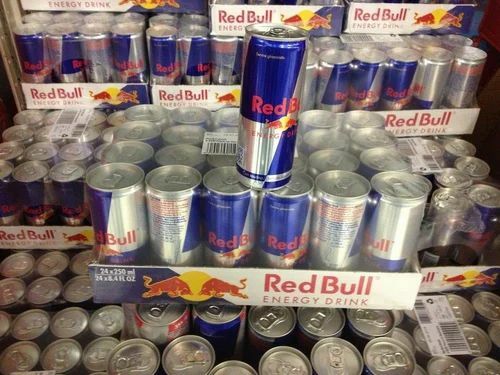
Red Bull Regular is the anchor product for most wholesale programs. The classic formula in the silver and blue can represents the largest share of Red Bull’s global portfolio. Wholesale buyers typically start with Regular before expanding into editions. This approach simplifies inventory planning and meets baseline demand across most resale channels.
Regular is used widely. Retail chains stock it for everyday consumer purchase. Convenience stores rely on it for high turnover. Vending operators install it in corporate and public locations. Hospitality suppliers provide it to cafes, bars, and event venues. The product serves broad market segments. Most buyers structure their initial orders around Red Bull Regular wholesale volume before adding specialty editions.
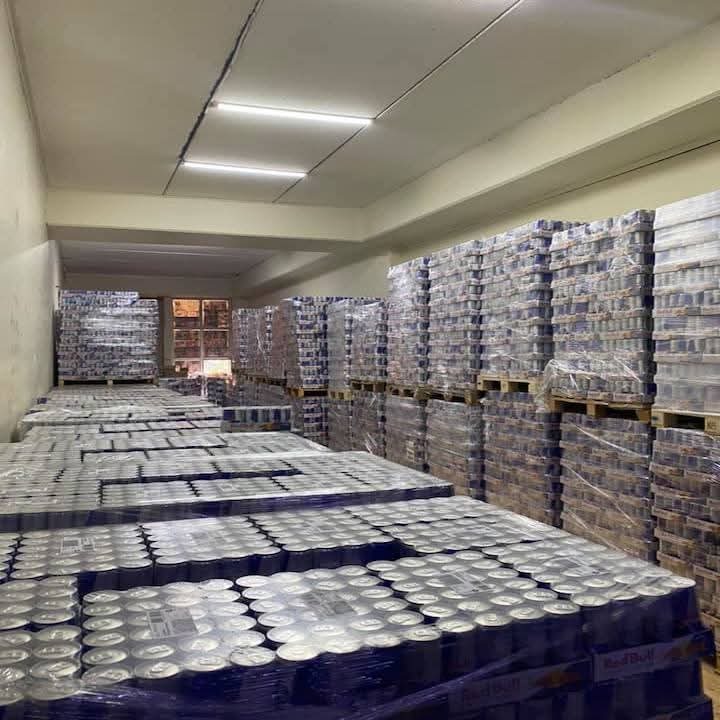
Case configurations vary by market and pack format. The 250ml can is standard globally. Export cartons typically hold 24 cans arranged in tray packs of four or six. Pallet planning depends on carton dimensions and local handling standards. We confirm exact case counts and pallet stacking after order confirmation. Mixed SKU pallets can be organized if buyers want to combine Regular with editions for efficient container utilization.
Freshness matters in energy drink wholesale. Red Bull maintains strict production dating and recommended consumption windows. We coordinate sourcing to align with batch availability and shipping timelines. This ensures that product reaches Australian buyers with optimal shelf life remaining. Distributors need sufficient runway to move inventory through their channels. We structure lead times to support this requirement without compromising batch quality.
Plan Your Red Bull Regular Supply
Most wholesale programs start with Regular as the foundation SKU. We coordinate volume planning, pallet configuration, and shipment scheduling to match your distribution cycle. Tell us your target volume and we’ll structure a supply plan.
Red Bull Editions: Wholesale Demand Planning by SKU
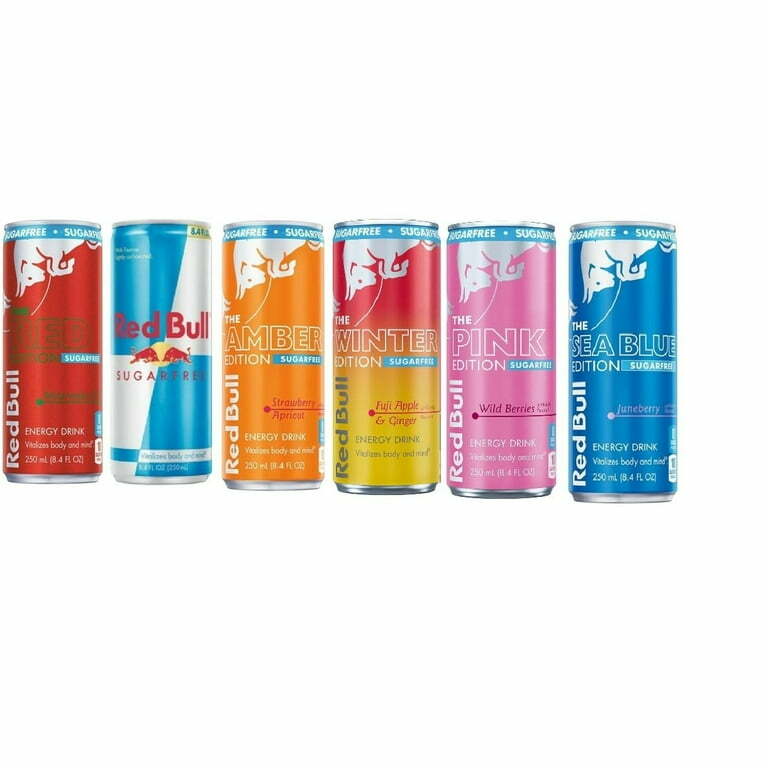
Red Bull editions expand beyond the core Regular formula. Each edition offers a distinct flavor profile in colored cans. Wholesale buyers use editions to diversify their assortment and appeal to specific consumer preferences. Energy drink wholesale supplier programs often include edition planning as part of SKU strategy. We coordinate edition supply by individual SKU to maintain clean inventory control and support targeted distribution.
White Edition: Coconut Berry
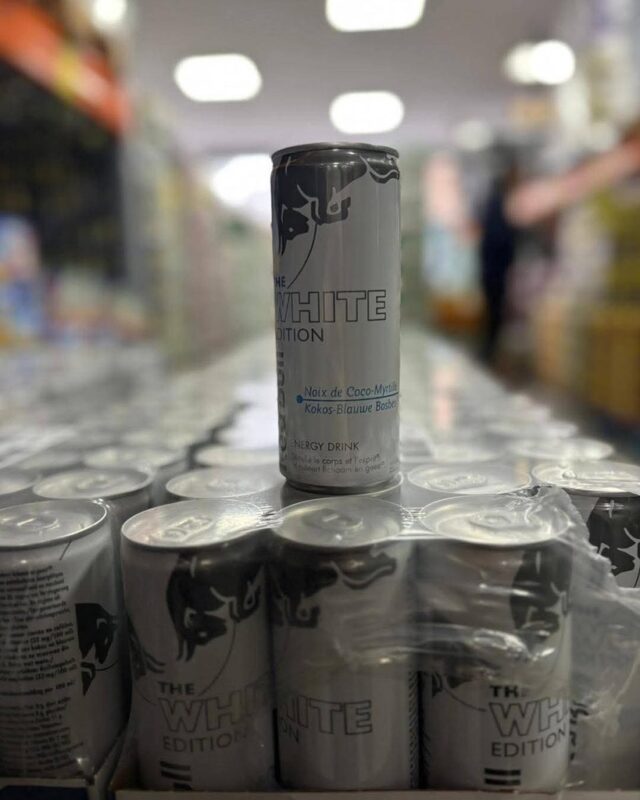
White Edition features coconut berry flavor. The white and silver can design stands out on shelves. This edition appeals to consumers looking for tropical fruit notes in their energy drink. Wholesale demand for White Edition tends to be strong in warmer months and hospitality channels. Bars and beach venues often request it specifically. We include White Edition in mixed pallet planning for buyers who want seasonal variety in their wholesale programs.
Blue Edition: Blueberry
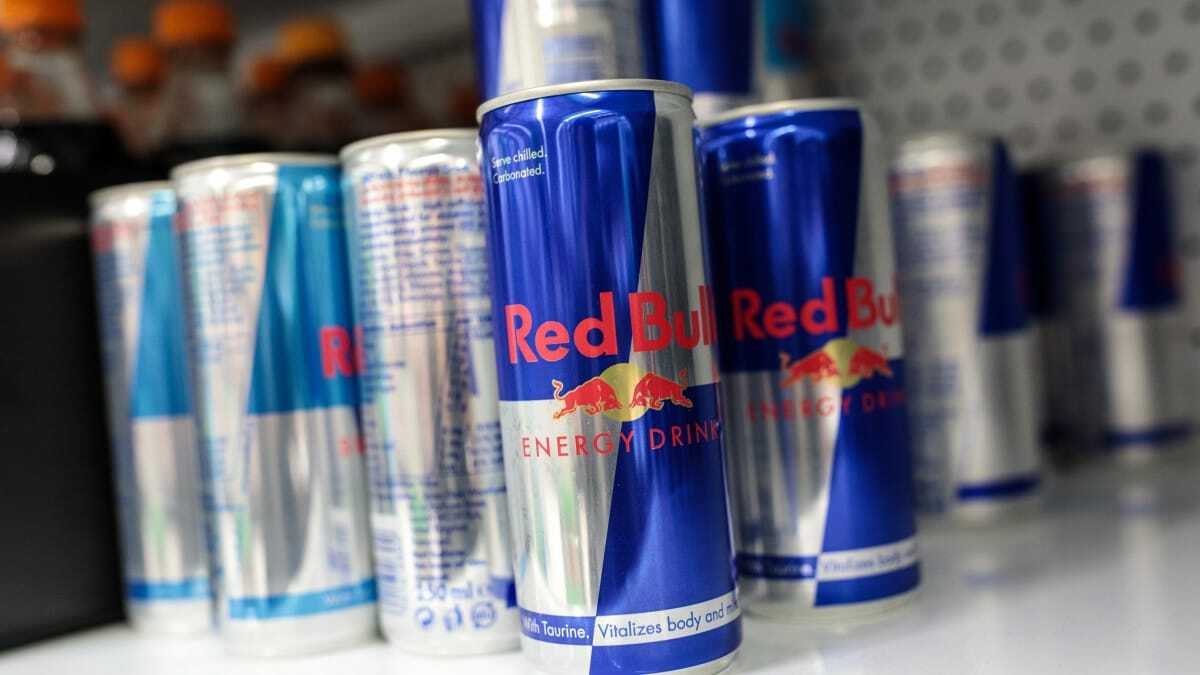
Blue Edition delivers blueberry flavor. The blue can is visually distinct and easy to identify in coolers and vending machines. This edition performs well in retail and convenience store channels. Blueberry is a familiar fruit flavor that appeals to a wide consumer base. Distributors often pair Blue Edition with Regular in their red bull pallet supplier orders to offer flavor choice without excessive SKU complexity. We organize Blue Edition by the case for clean pallet stacking.
Green Edition: Dragon Fruit

Green Edition showcases dragon fruit flavor. The green and silver can targets consumers interested in exotic fruit options. Dragon fruit is less common in mainstream beverages, which gives this edition a differentiation advantage. Specialty retailers and health-focused outlets sometimes favor Green Edition. We coordinate red bull editions wholesale supply with Green included for buyers serving markets that value unique flavor profiles. Pallet planning accommodates Green Edition alongside other SKUs.
Pink Edition: Grapefruit
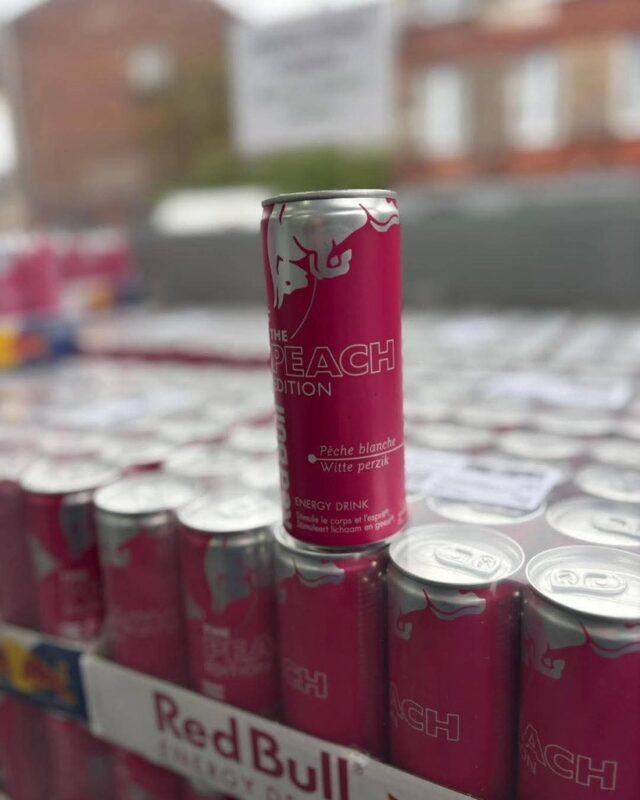
Pink Edition offers grapefruit flavor. The pink can appeals to consumers who prefer citrus notes. Grapefruit has a refreshing profile that works well in warm weather and active lifestyle contexts. Fitness centers and sports venues sometimes request Pink Edition specifically. We include it in energy drink pallets for wholesale buyers who want to cover multiple flavor preferences within their inventory. Case and pallet coordination for Pink follows the same export standards as other editions.
Lemon Lime Edition
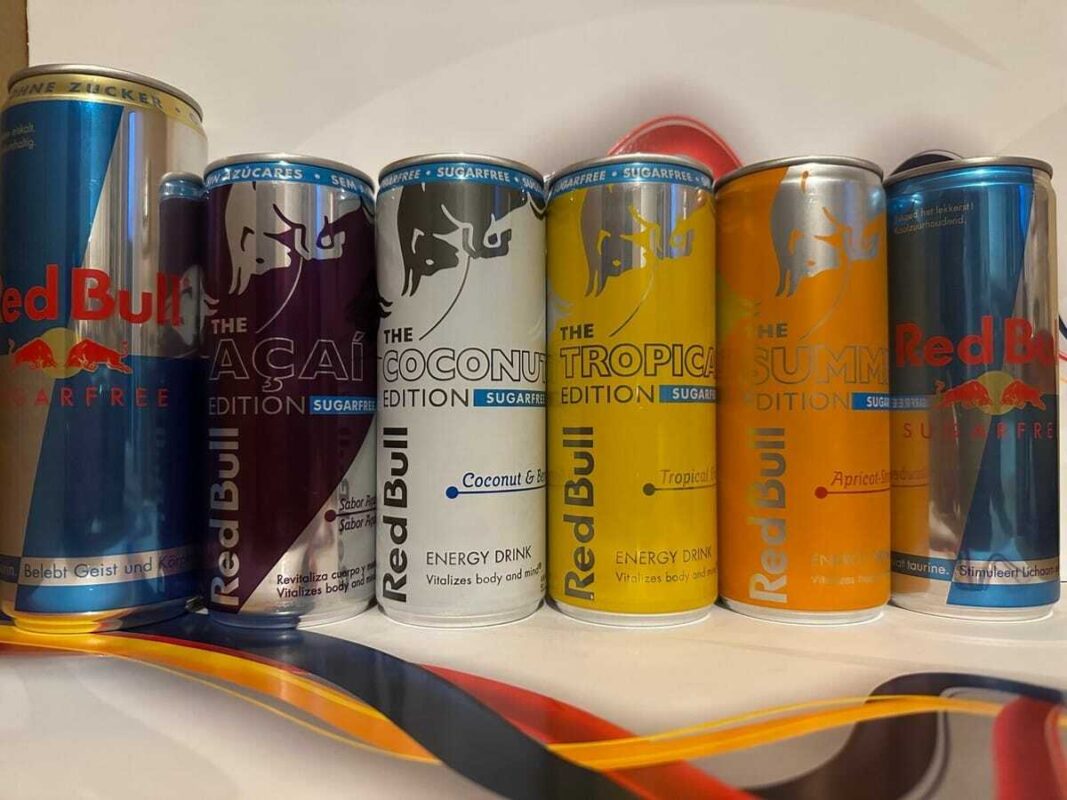
The citrus edition brings lemon lime flavor to the Red Bull range. Yellow and silver cans identify this SKU. Lemon lime is a classic energy drink flavor profile that competes well in the market. This edition is versatile across channels. We coordinate lemon lime supply as part of edition assortment planning. Buyers can request it individually or as part of a mixed edition pallet for diversified bulk energy drink supplier programs.
Additional editions may be available depending on market release schedules and supply availability. We verify current edition lineups when buyers submit their requirements. Some regions have limited edition or seasonal releases. Our wholesale coordination experience in the USA market helps us track edition availability across different supply channels. Contact us with your edition preferences and we will confirm what can be included in your order.
Coordinate Your Edition Mix
Editions allow you to diversify your Red Bull assortment without overcomplicating inventory. We plan edition supply by SKU per pallet to maintain clean logistics and support targeted distribution. Tell us which editions interest you and we’ll structure the mix.
Export Packaging and Warehouse Preparation
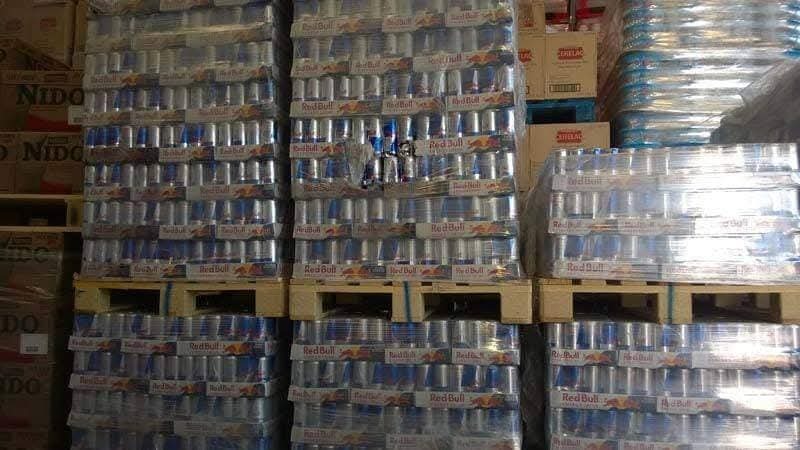
Export packaging must meet international shipping standards. Red Bull is packaged in cartons designed for container transport. Cartons protect cans during handling, stacking, and ocean freight movement. Tray packs organize cans within cartons to prevent shifting. This structure maintains product integrity from origin to destination port.
Standard carton sizes typically hold 24 cans arranged in trays of four or six. Carton dimensions are optimized for pallet stacking. We work with export-ready packaging that meets Australian import requirements. Labels include production dates, batch codes, and compliance markings. Clean presentation matters for customs clearance and warehouse receiving. Export cartons arrive stacked and secured on pallets ready for unloading.
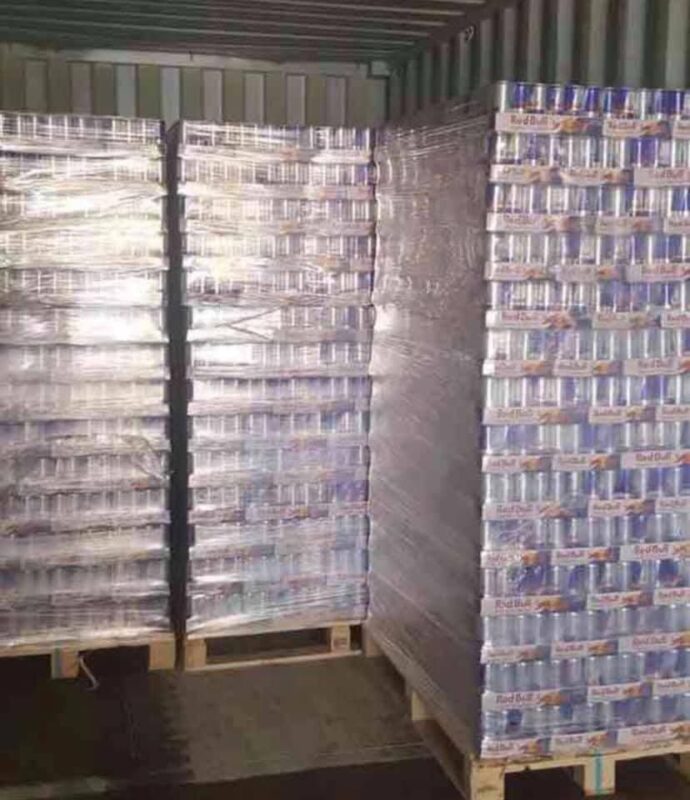
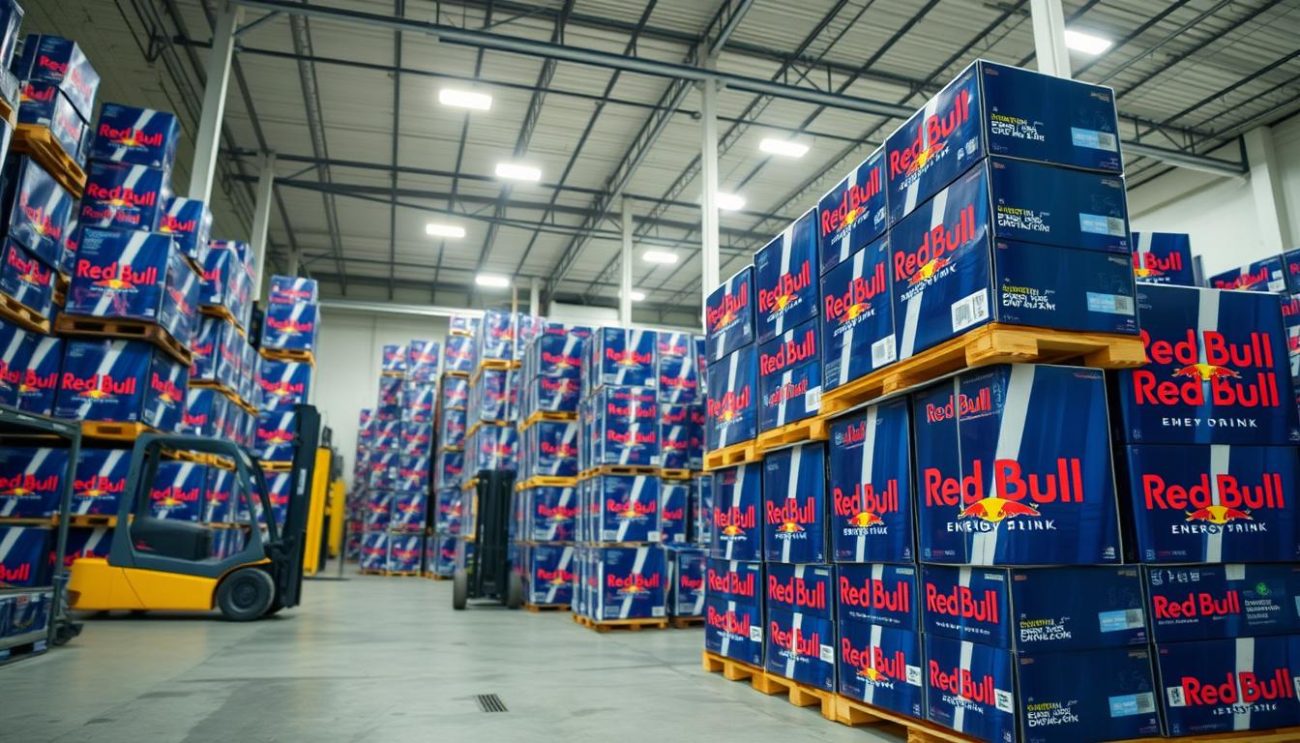
Pallet planning depends on carton size and case configuration. We confirm exact stacking plans after order confirmation. Standard pallets are typically 1.2m x 1m but dimensions vary by destination requirements. Stacking height is determined by carton strength and load stability. Most red bull bulk supply pallets are stretch wrapped for security during transport. We coordinate with logistics partners to ensure pallets meet Australian handling standards at destination ports.
Mixed pallets can be organized by SKU for buyers who want multiple products on a single pallet. This approach supports efficient container utilization and simplifies inventory control at the receiving warehouse. We plan mixed pallets with clear separation by SKU. Labels identify contents and case counts. This organization helps distributors manage stock rotation and fulfill orders quickly after arrival.
Pallet and Container Coordination for Australian Import
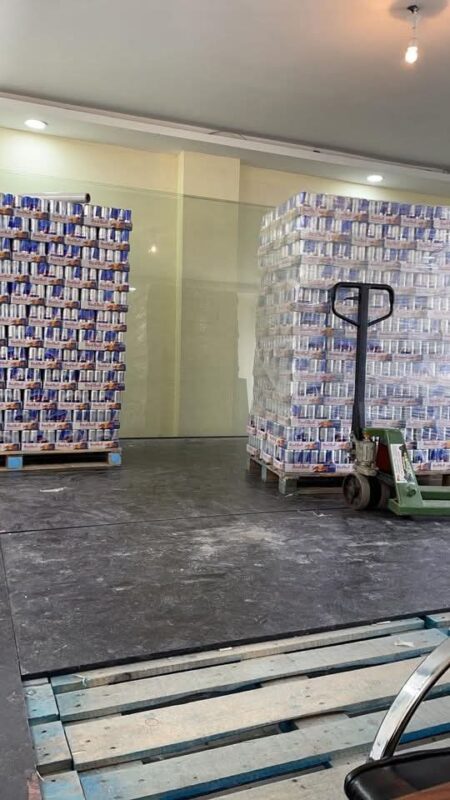
We plan Red Bull shipments in pallets and container loads. Volume dictates whether buyers receive Less than Container Load shipments or Full Container Load arrangements. Smaller orders may be consolidated with other products to reduce freight costs. Larger orders fill dedicated containers for direct delivery to Australian ports.
Container planning begins with volume confirmation. We calculate how many pallets fit based on carton dimensions and stacking height. Standard 20-foot and 40-foot containers are most common for buy red bull in bulk shipments. High cube containers add vertical space for taller stacks. We optimize load plans to maximize container utilization while maintaining load safety and stability.
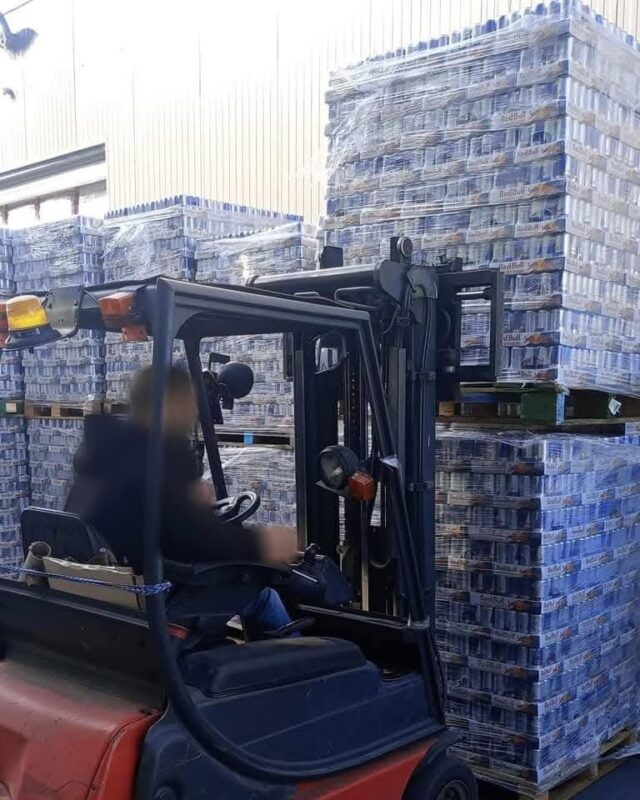
Flexible consolidation options support different order sizes. Buyers ordering multiple SKUs can fill containers with mixed product. We coordinate pallet planning similar to our Canada wholesale programs where mixed assortments are common. Load plans are confirmed before shipping to ensure buyers know exactly what arrives in each container. This transparency supports receiving processes and inventory planning.
Lead times for container shipments depend on origin, routing, and shipping schedules. Ocean freight to Australian ports typically takes several weeks from European or Asian origins. We coordinate with freight forwarders to align departure dates with buyer timelines. Documentation is prepared in advance to prevent customs delays. Bill of Lading, commercial invoices, and packing lists are organized for smooth clearance at Australian ports.
<!– wp:embed {"url":"“,”type”:”video”,”providerNameSlug”:”youtube”} –>Ready to Coordinate Your Shipment?
We specialize in pallet and container coordination for Australian importers. Our logistics expertise ensures clean load planning, proper documentation, and timely delivery to your destination port. Share your volume requirements and we’ll map out the shipment plan.
Ocean Freight and Documentation Alignment
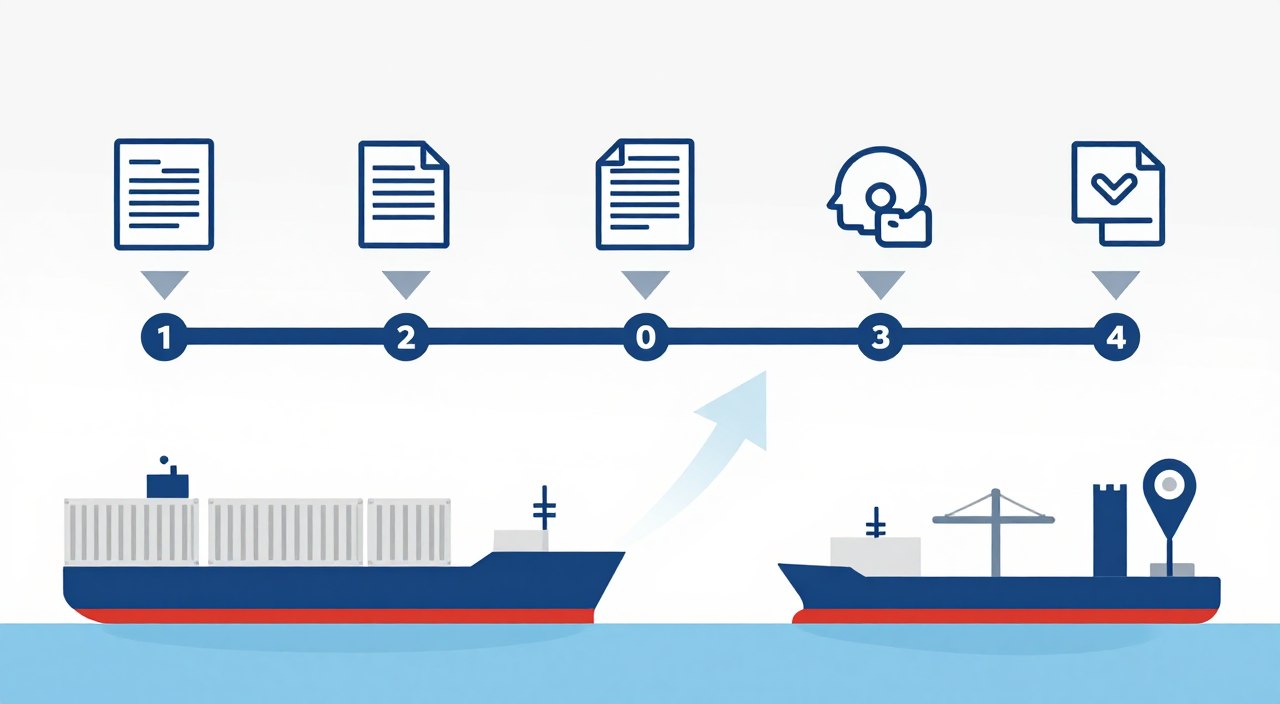
We coordinate ocean freight style shipments for Red Bull wholesale orders to Australia. Shipping arrangements depend on order size, origin, and buyer preferences. Most bulk orders move via container shipping through established trade routes. We work with freight forwarders experienced in FMCG transport and Australian customs procedures.
CIF terms are commonly used in international red bull wholesale distributor arrangements. Under CIF, the seller coordinates Cost, Insurance, and Freight to the destination port. This simplifies logistics for buyers who prefer not to manage international shipping directly. We can also accommodate other Incoterms arrangements depending on buyer capability and preference. Terms are agreed during quote negotiation.
Documentation alignment is critical for smooth customs clearance. We prepare commercial invoices with accurate product descriptions, values, and HS codes. Packing lists detail carton contents and pallet organization. Certificates of origin are provided when required. Bill of Lading serves as proof of shipment and title document. All paperwork is organized for timely submission to Australian customs authorities.
Insurance coverage protects shipments during ocean transit. Standard marine cargo insurance covers loss or damage from typical shipping risks. We coordinate insurance placement through established providers. Coverage details are confirmed before departure. This protection is particularly important for bulk energy drink orders similar to our Mexico wholesale programs where shipment values are substantial.
Port delivery completes the ocean freight stage. Containers arrive at nominated Australian ports including Sydney, Melbourne, Brisbane, or Perth. Buyers arrange customs clearance and inland transport from the port. We provide all documentation needed for clearance processing. Clear communication ensures buyers know when containers arrive and can coordinate receiving logistics efficiently.
Payment Terms for Bulk Orders
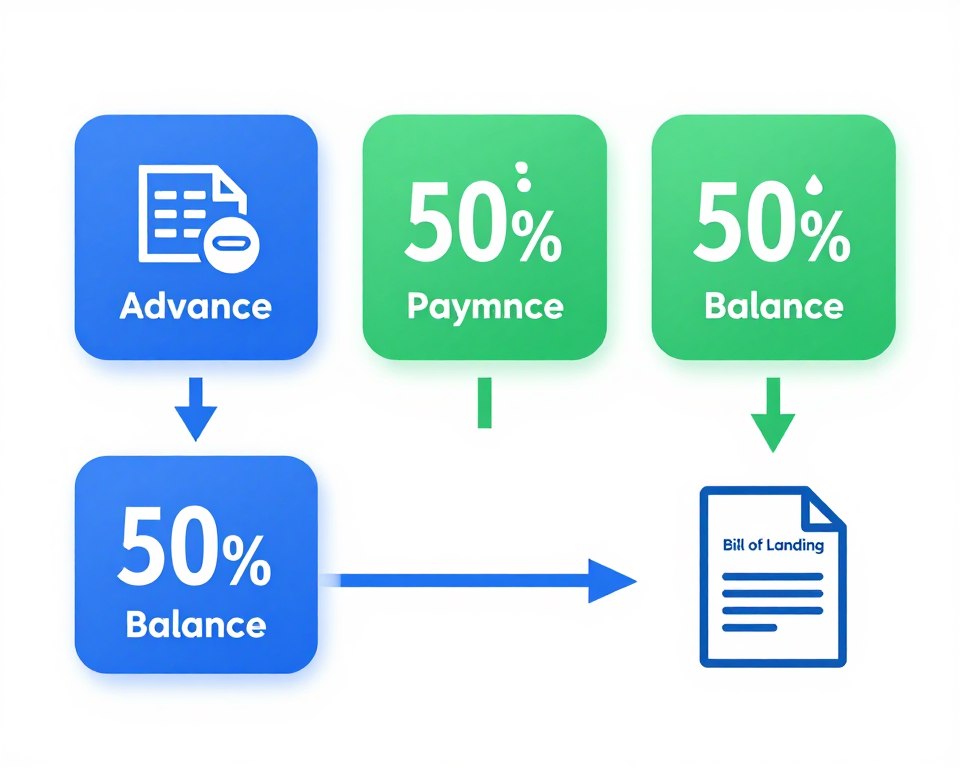
Our standard payment structure is 50 percent advance payment and 50 percent balance. The advance secures the order and initiates sourcing coordination. The balance is payable against Bill of Lading copy or upon receipt of goods depending on agreement. This split structure protects both parties and aligns payment with delivery milestones.
Advance payment is typically required after quote acceptance and proforma invoice issuance. We provide detailed proforma invoices showing product specifications, quantities, pricing, and shipping terms. Payment methods include bank wire transfer to our European account. Payment confirmation triggers sourcing and production allocation. This process ensures batch freshness and timely shipping schedule adherence.
Balance payment timing depends on agreed terms. Many buyers prefer to pay against Bill of Lading copy once the shipment is confirmed loaded and departed. This approach gives buyers confidence that goods are en route before final payment. Alternative arrangements can be discussed for established relationships or specific buyer requirements. Payment terms are confirmed in writing before order processing begins.
Transparent Payment Process
We maintain clear payment structures to build trust in international wholesale transactions. Our 50/50 split model aligns payment with shipment progress and protects both parties. Questions about payment terms? We’re here to explain the process.
Australia’s Energy Drink Wholesale Market
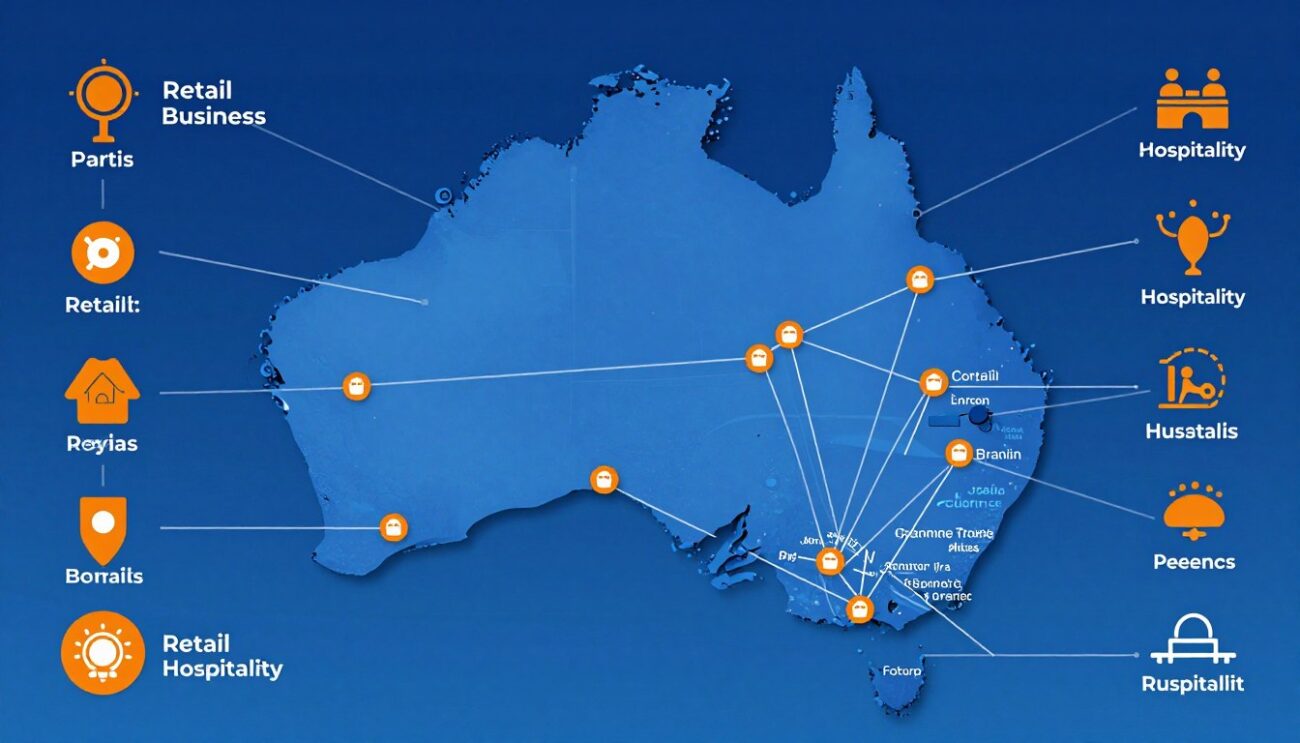
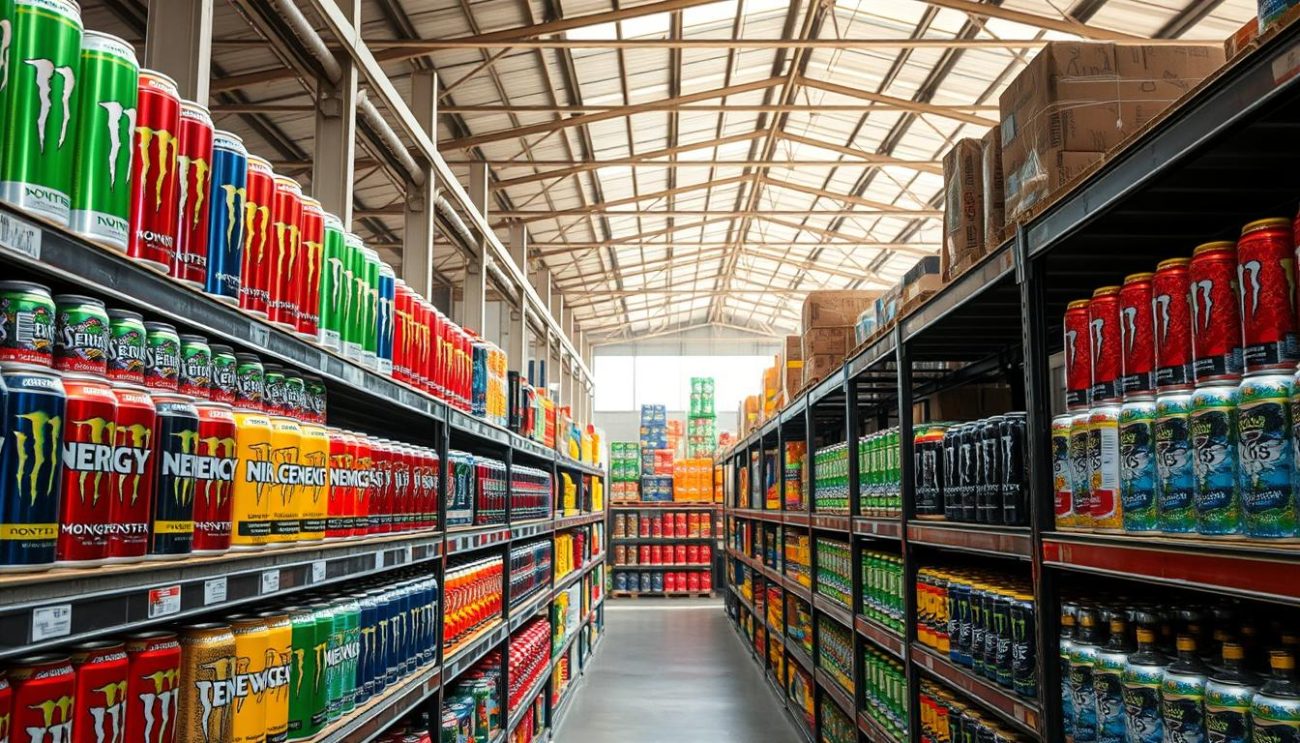
Australia’s energy drink market is substantial and growing. According to Australian Bureau of Statistics data, beverage consumption remains strong across urban and regional areas. Energy drinks are popular among working adults, students, and active lifestyle consumers. Red Bull maintains significant market share alongside competitors like Monster Energy and local brands.
Wholesale channels in Australia include major retail chains, independent supermarkets, convenience stores, petrol stations, vending operations, and hospitality suppliers. Each channel has distinct volume patterns and assortment preferences. Retail chains order in container volumes to supply multiple store locations. Convenience stores prefer mixed pallets with Regular and popular editions. Hospitality suppliers focus on Regular for cafes and bars. Vending operators optimize for high turnover SKUs.
Distribution infrastructure supports efficient product movement from ports to end users. Major population centers are served by established logistics networks. Regional areas are accessible through transport corridors connecting coastal ports to inland cities. Wholesale buyers with strong distribution capabilities can service both metro and regional markets effectively. We coordinate supply volumes that align with buyer coverage areas and channel reach.
Seasonal demand patterns influence wholesale ordering. Summer months typically see increased energy drink consumption driven by heat and outdoor activities. Sports seasons generate demand spikes for active lifestyle products. Holiday periods affect retail ordering cycles. We work with buyers to plan shipment timing that aligns with their demand cycles and inventory turnover patterns. Forward planning helps ensure product availability during peak periods without excessive stock buildup.
Frequently Asked Questions: Red Bull Wholesale Supply
What is the minimum order quantity for Red Bull wholesale to Australia?
Minimum order quantities vary based on product mix and shipping method. Container load shipments typically start at pallet volumes that make freight economical. We work with buyers to find efficient order sizes that balance freight costs with inventory needs. Contact us with your target volume and we’ll confirm if it meets threshold requirements for your preferred shipping arrangement.
Can you supply mixed pallets with different Red Bull editions?
Yes, we coordinate mixed pallet orders organized by SKU for clean inventory control. Buyers can request combinations of Regular and editions on the same pallet or within the same container. We plan mixed loads with clear separation and labeling to support efficient receiving and stock rotation. Share your desired product mix and we’ll structure the pallet configuration.
How long is the typical lead time for bulk Red Bull orders to Australian ports?
Lead times depend on sourcing origin, production scheduling, and ocean freight duration. Total timeline from order confirmation to port arrival typically ranges from several weeks to two months. We provide estimated delivery windows during the quote stage. Clear communication throughout the process keeps buyers informed of shipment status and expected arrival dates.
What documentation do you provide for Australian customs clearance?
We provide complete export documentation including commercial invoices, packing lists, Bill of Lading, and certificates of origin when required. All paperwork includes accurate product descriptions, HS codes, and values needed for Australian customs processing. Documentation is prepared to meet Australian import regulations and facilitate smooth clearance at destination ports.
Do you work with new importers or only established distributors?
We work with both established distributors and new importers entering the Australian energy drink market. Our process is designed to support buyers at different experience levels. We provide guidance on logistics, documentation, and volume planning. What matters most is that buyers have legitimate wholesale operations and the capability to receive and distribute container volumes through proper channels.
Comparing Wholesale Supply Models
Direct Manufacturer Programs
Official distributor agreements from Red Bull GmbH typically require significant volume commitments, exclusive territory arrangements, and extensive operational infrastructure. These programs suit large national distributors with established networks.
- Very high minimum volumes
- Exclusive territory requirements
- Strict operational standards
- Long-term contractual commitments
- Marketing and branding obligations
Third-Party Sourcing Partners
Sourcing coordination through partners like Zeki Frucht offers flexibility for buyers who need bulk supply without official distributor obligations. This model works for importers, secondary distributors, and specialized channel suppliers.
- Flexible order volumes per shipment
- No territory exclusivity required
- Order-by-order coordination
- No long-term contracts needed
- Focus on supply logistics only
Local Wholesale Distributors
Buying from Australian wholesalers provides immediate local stock access but typically at higher per-unit costs. This model suits smaller buyers or those needing quick replenishment without import coordination.
- Immediate stock availability
- Smaller purchase quantities
- Local payment and logistics
- Higher pricing per unit
- Limited edition availability
Parallel Import Programs
Some buyers source Red Bull through parallel import channels from markets with lower pricing. This approach requires careful attention to product dating, label compliance, and Australian import regulations.
- Potentially lower acquisition costs
- Requires import license and compliance
- Variable product dating and freshness
- Label and language considerations
- Market-specific SKU availability
Complete Red Bull Range: Stock Planning Guide
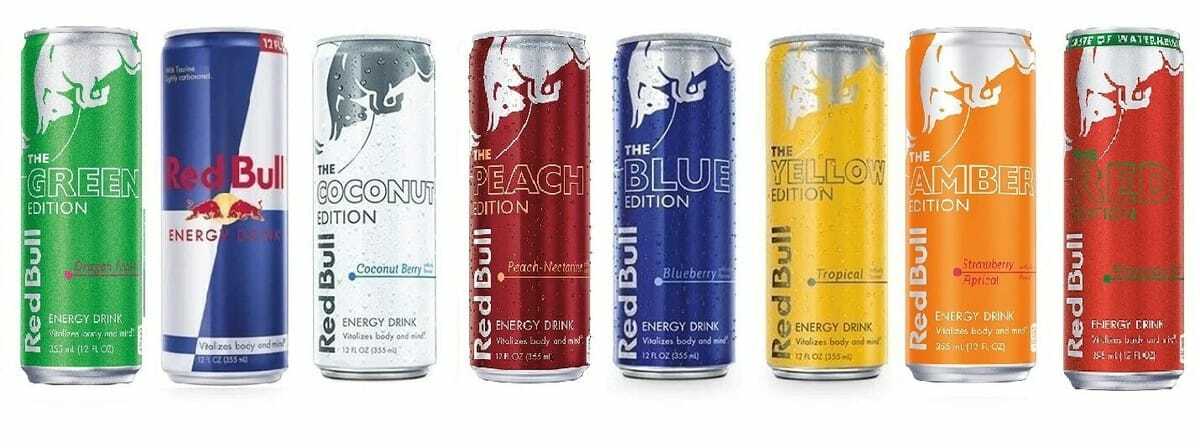
Comprehensive product range planning helps wholesale buyers serve diverse customer preferences. Red Bull Regular remains the foundation product with highest volume turnover. Editions provide flavor variety and allow buyers to differentiate their offerings. Understanding each SKU’s profile supports effective assortment decisions.
Core Range
- Red Bull Regular 250ml
- Red Bull Sugar Free 250ml
- Red Bull Zero 250ml
Core range products deliver the classic Red Bull formula in regular, sugar-free, and zero-calorie options. These SKUs form the base of most wholesale programs and maintain consistent demand across all channels.
Flavor Editions
- White Edition (Coconut Berry)
- Blue Edition (Blueberry)
- Green Edition (Dragon Fruit)
- Pink Edition (Grapefruit)
- Citrus Edition (Lemon Lime)
Flavor editions expand the range with distinct taste profiles. Each edition targets specific consumer preferences and allows buyers to offer variety without excessive SKU complexity in their distribution programs.
Size Variations
- 250ml standard can
- 355ml larger format
- 473ml premium size
Size variations meet different consumption occasions. Standard 250ml cans are most common in wholesale programs. Larger sizes serve specific markets including North American style retail and premium hospitality channels.
Product availability varies by source market and supply timing. We confirm which SKUs can be included in your order based on current sourcing capabilities. Most buyers focus on Regular plus 2-4 popular editions to balance variety with manageable inventory complexity. Contact us with your preferred product mix and we’ll verify availability.
Understanding Wholesale Pricing and Logistics Costs
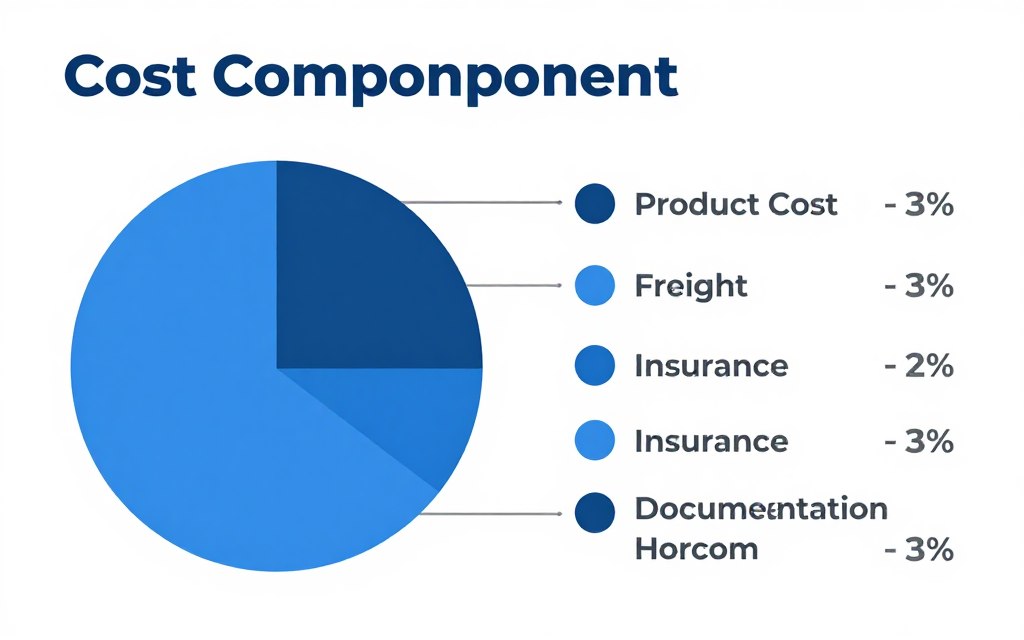
Wholesale pricing for Red Bull bulk supply comprises multiple cost components. Product acquisition cost is the base. Freight charges depend on volume, origin, destination, and shipping method. Insurance protects shipment value during transit. Documentation and handling fees cover export processing and customs paperwork. Understanding these components helps buyers evaluate total landed cost.
Volume Impact on Unit Economics
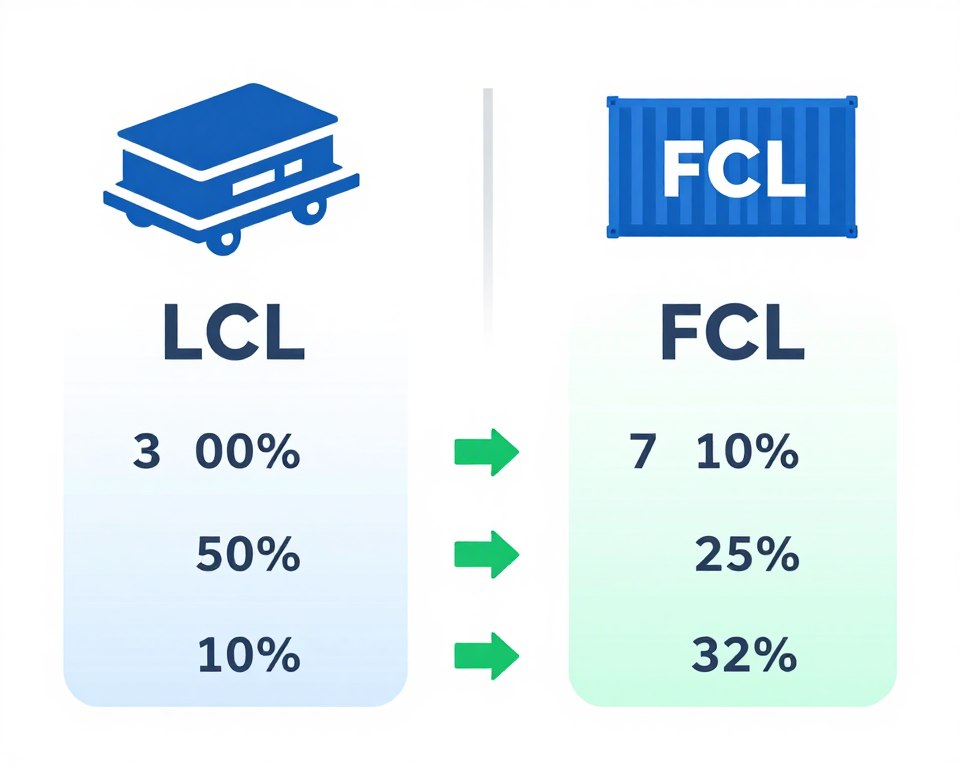
Larger order volumes reduce per-unit freight costs significantly. Container load orders achieve better freight efficiency than Less than Container Load shipments. The price difference between a pallet and a full container can be substantial when calculated per case.
Buyers planning their first order should consider volume carefully. Ordering too small may result in higher per-unit costs that affect resale margins. Ordering too large creates inventory challenges and cash flow pressure. We help buyers find the efficient volume point that balances freight economy with manageable stock levels.
Freight Variables Affecting Total Cost
- Origin port handling charges
- Export documentation fees
- Customs clearance costs
- Destination port charges
- Insurance premium percentage
Fixed Cost Elements
- Ocean freight rate (per container or per CBM)
- Fuel surcharges (fluctuates with oil prices)
- Container detention fees (if applicable)
- Inland transport from port to warehouse
- Volume-based handling discounts
Variable Cost Elements
- Peak season freight surcharges
- Port congestion delays
- Shipping line schedule frequency
- Customs processing speed
- Warehouse receiving coordination
Timing Factors
We provide detailed cost breakdowns during the quote stage. Buyers receive clear visibility into all cost components before order confirmation. This transparency helps buyers make informed decisions and plan their resale pricing accurately. No hidden fees or surprise charges appear after order processing begins.
Australian Import Compliance for Energy Drinks

Energy drink imports to Australia must comply with Food Standards Australia New Zealand regulations. Product labels require specific information including ingredient lists, nutritional panels, caffeine content warnings, and allergen declarations. Red Bull products manufactured for global markets generally meet these standards but label compliance should be verified.
Import permits may be required depending on product classification and import volume. The Department of Agriculture, Fisheries and Forestry oversees biosecurity and quarantine requirements. While packaged energy drinks typically face minimal biosecurity concerns, proper import documentation must be submitted. We coordinate with freight forwarders familiar with Australian import procedures to ensure compliance.
Required Documentation
- Commercial invoice with accurate product details
- Packing list showing carton contents and weights
- Bill of Lading or Air Waybill
- Certificate of origin if required
- Product specification sheets and ingredient declarations
- Import permit if applicable to product category
Label Compliance Elements
- Product name and description in English
- Ingredient list in descending order
- Nutritional information panel
- Caffeine content warning statement
- Best before date clearly marked
- Country of origin declaration
- Importer name and Australian address
Customs clearance processing begins when containers arrive at Australian ports. Import declarations are lodged electronically through the Integrated Cargo System. Duty rates and GST apply based on product classification and shipment value. Most energy drinks fall under specific HS codes with established duty rates. Clearance typically takes several days if documentation is complete and accurate.
Quality Standards and Batch Management
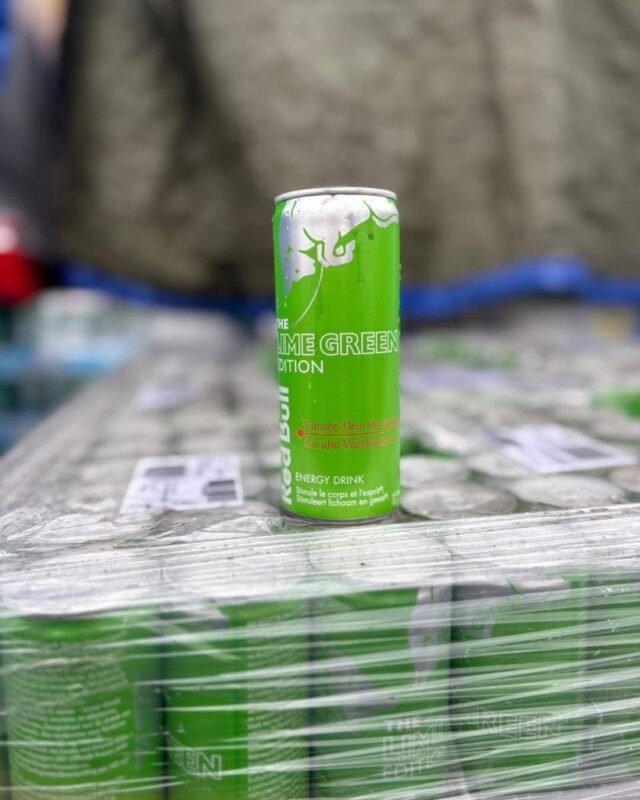
Product freshness is critical in energy drink wholesale. Red Bull maintains strict production dating standards and recommended consumption periods. We coordinate sourcing to ensure buyers receive product with substantial remaining shelf life. Batch discipline prevents mixed dating issues that complicate inventory rotation.
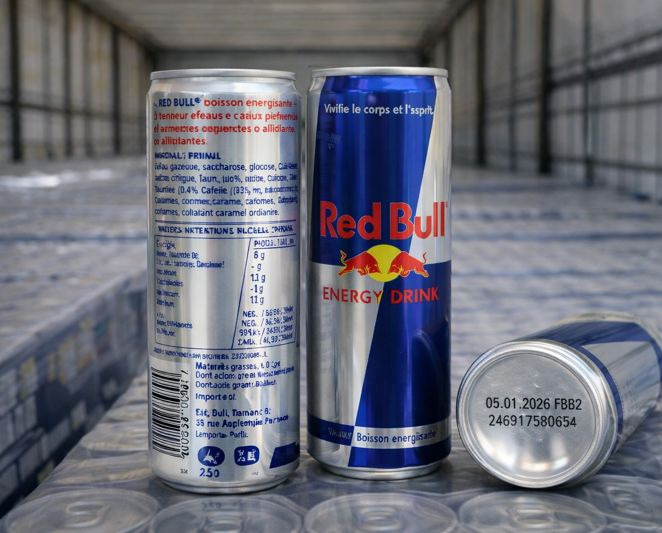
Production dates and batch codes are marked on every can and carton. These codes identify manufacturing location, production date, and batch number. Buyers can track product lineage and manage stock rotation systematically. Clear batch identification supports quality control and traceability through the distribution chain.
Shelf Life Management: Energy drinks typically maintain quality for 12-18 months from production date when stored properly. We target minimum 9-12 months remaining shelf life at delivery to Australian ports. This window provides buyers with adequate time for distribution and retail sale before approaching best before dates.
Storage conditions affect product quality. Energy drinks should be stored in cool, dry environments away from direct sunlight and extreme temperatures. Warehouse facilities should maintain temperature control to prevent heat exposure. Proper storage preserves flavor profile, carbonation, and ingredient stability throughout the product lifecycle.
We coordinate with supply partners who maintain quality control standards aligned with Red Bull’s specifications. Product is inspected before shipment to verify can integrity, label quality, and carton condition. This upstream quality focus reduces receiving issues and ensures buyers receive export-ready product that meets market expectations.
Distribution Channels and Market Positioning
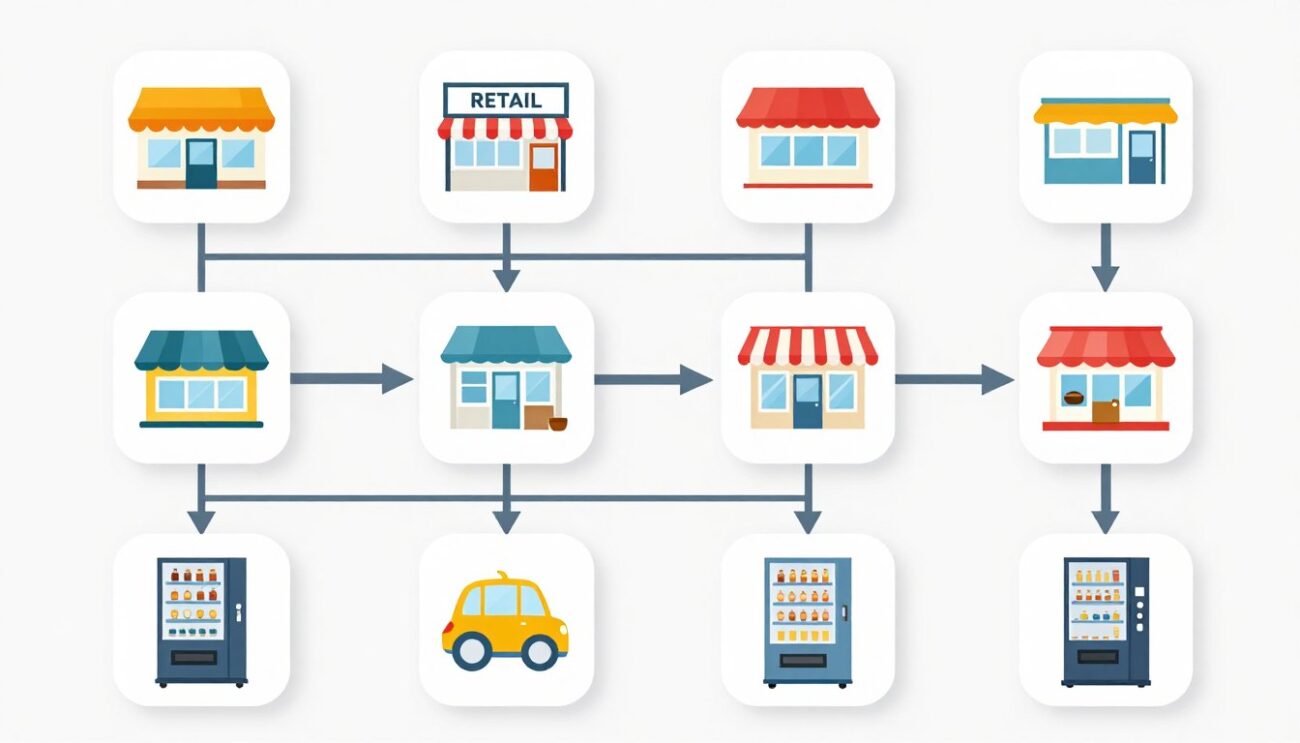
Understanding target distribution channels helps wholesale buyers plan their product mix and volume requirements. Red Bull performs across multiple channels with varying volume patterns and margin structures. Successful wholesale programs typically focus on 2-3 primary channels rather than attempting to serve all markets simultaneously.
Retail Chains
Major supermarket chains represent high volume opportunities. These buyers typically order in container quantities to supply multiple locations. Pricing is competitive but volumes are substantial. Regular supply consistency matters more than edition variety in mainstream retail.
Convenience Stores
Convenience and petrol station channels prioritize quick turnover products. Red Bull Regular and popular editions perform well. Smaller order quantities with frequent replenishment suit this channel. Cooler placement and promotional support drive sales velocity.
Hospitality Suppliers
Hotels, bars, cafes, and restaurants purchase through specialized hospitality distributors. Regular is the primary SKU for mixing with spirits and serving as standalone beverages. Premium pricing is possible in hospitality but service standards must be high.
Vending Operations
Vending machine operators need reliable product supply for corporate offices, universities, and public locations. Regular is most common but editions can differentiate machines. Consistent stock availability prevents machine downtime and lost sales.
Independent Retailers
Small independent stores and specialty shops offer local market access. Order volumes are smaller but margins can be better. Flexible delivery and payment terms matter to these buyers. Edition variety helps independents differentiate from chain competitors.
Online Retailers
E-commerce platforms and subscription services represent growing channels. These buyers need warehouse stock for quick fulfillment. Mixed SKU availability and flexible reorder patterns suit online retail models. Direct shipping requires efficient logistics coordination.
Channel selection affects assortment planning and pricing strategy. Buyers should assess their primary channel strength and structure orders accordingly. We help buyers plan product mix and volume based on their target distribution channels and market positioning.
Energy Drink Category Competition and Market Position
Red Bull competes in a dynamic energy drink category with established brands and emerging players. Understanding competitive positioning helps wholesale buyers make informed assortment decisions and pricing strategies. Red Bull’s premium positioning and brand strength differentiate it from value-focused competitors.
Red Bull’s Competitive Advantages
Brand recognition is Red Bull’s strongest asset. The distinctive can design and “Red Bull gives you wings” messaging create immediate consumer recognition. Premium pricing is sustainable because consumers perceive Red Bull as the original and authentic energy drink.
Product consistency across markets builds trust. Consumers know what to expect from Red Bull regardless of where they purchase. This consistency matters for wholesale buyers serving mobile populations and tourist markets. Quality perception supports retail pricing discipline.
Marketing presence reinforces brand strength. Red Bull’s sports sponsorships, events, and media content maintain consumer awareness. While wholesale buyers don’t control brand marketing, they benefit from Red Bull’s ongoing investment in brand building and consumer engagement.
Category Dynamics and Trends
Energy drink consumption continues growing globally. Australia follows international trends with increasing acceptance of energy drinks as everyday beverages rather than specialty products. Functional benefits around energy, focus, and performance drive consumption across age groups and occasions.
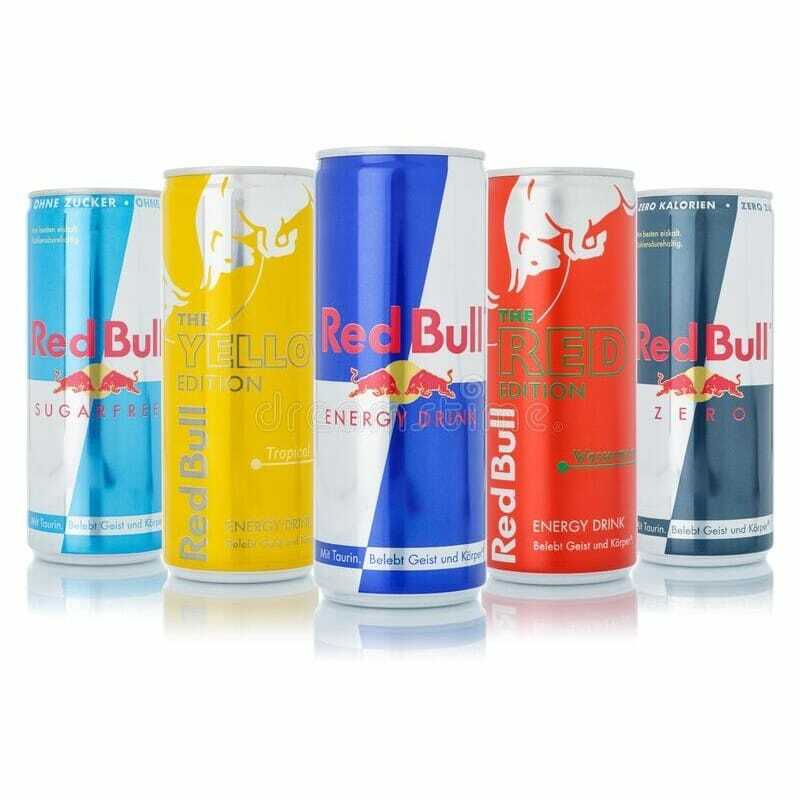
Sugar-free and zero-calorie variants are gaining share as health-conscious consumers seek energy benefits without sugar intake. Red Bull’s Sugar Free and Zero products address this trend. Wholesale buyers should consider sugar-free SKUs in their assortment to serve health-focused market segments.
Flavor innovation differentiates brands and creates variety. Red Bull editions compete directly with flavor-focused brands. Offering edition variety helps wholesale buyers match competitor assortments and provide consumer choice. Edition rotation can create freshness in the category.
Step-by-Step Order Process and Timeline
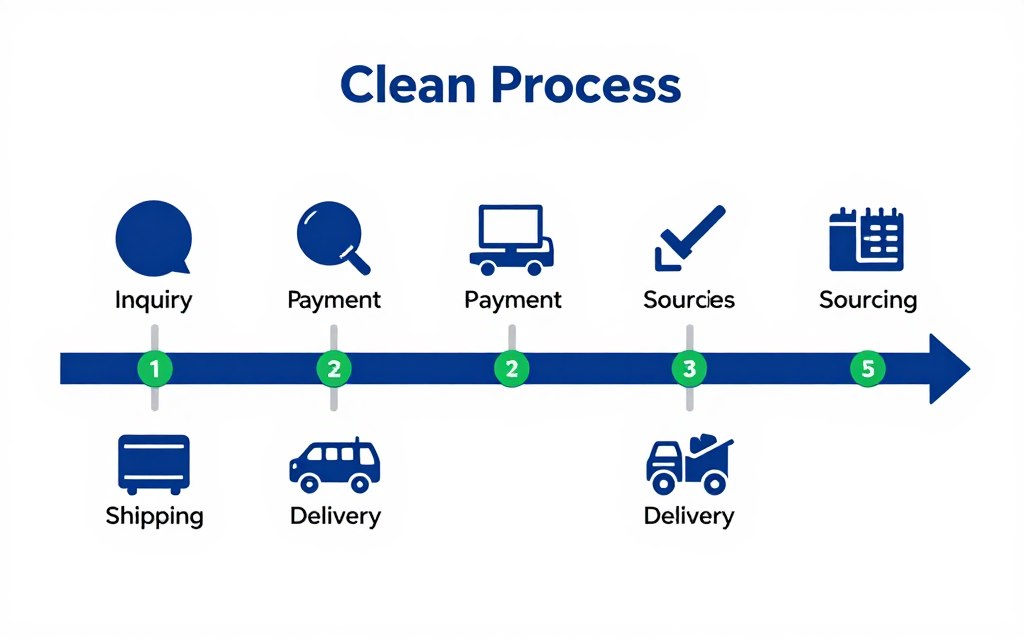
Understanding the complete order process helps buyers plan their inventory cycles and cash flow requirements. We follow a structured approach from initial inquiry through final delivery. Clear communication at each stage ensures buyers know status and timing throughout the process.
Total timeline from initial inquiry to warehouse delivery typically ranges from 6-12 weeks depending on product availability, shipping schedules, and customs processing speed. Buyers should plan inventory needs with this lead time in mind to prevent stock-outs.
Coordinate Your Red Bull Wholesale Supply to Australia
Successful Red Bull wholesale programs require reliable sourcing coordination, clean logistics planning, and transparent processes. We help Australian importers, distributors, and wholesale buyers secure bulk supply through structured international coordination. Our experience in pallet and container shipments supports efficient volume planning and cost management.
Whether you operate retail distribution networks, hospitality supply channels, vending operations, or specialty wholesale markets, consistent Red Bull supply matters. Regular availability, proper batch management, and competitive landed costs affect your business performance. We coordinate these elements to support your wholesale operations.
We work with buyers across volume ranges from initial pallet orders to full container programs. Our flexible approach accommodates different business scales and growth trajectories. First-time importers receive guidance on processes and documentation. Established distributors benefit from streamlined coordination and reliable execution.
Ready to coordinate your Red Bull wholesale supply? Contact us with your product requirements, target volume, and destination port details. Specify which editions interest you and your preferred shipment timing. We’ll review your requirements, confirm product availability, and provide a structured quote with complete cost breakdown and delivery timeline. Our team responds to wholesale inquiries within one business day to keep your planning on track.
Send your inquiry including product list, edition mix preferences, volume targets (pallets or containers), and Australian destination port. We’ll coordinate with our supply network, verify batch availability, and revert with detailed quote and shipping plan. Let’s structure your Red Bull wholesale supply program for the Australian market.
Very well presented. Every quote was awesome and thanks for sharing the content. Keep sharing and keep motivating others.
This is really interesting, You’re a very skilled blogger. I’ve joined your feed and look forward to seeking more of your magnificent post. Also, I’ve shared your site in my social networks!