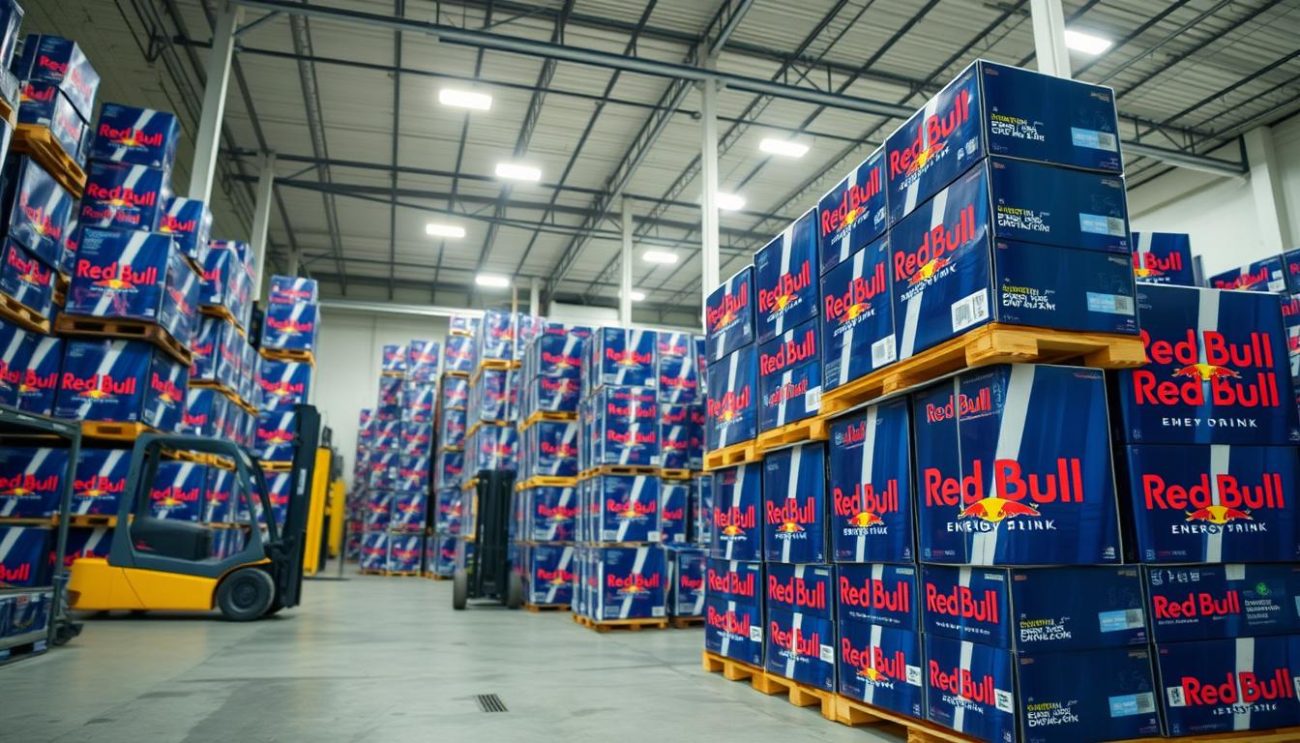

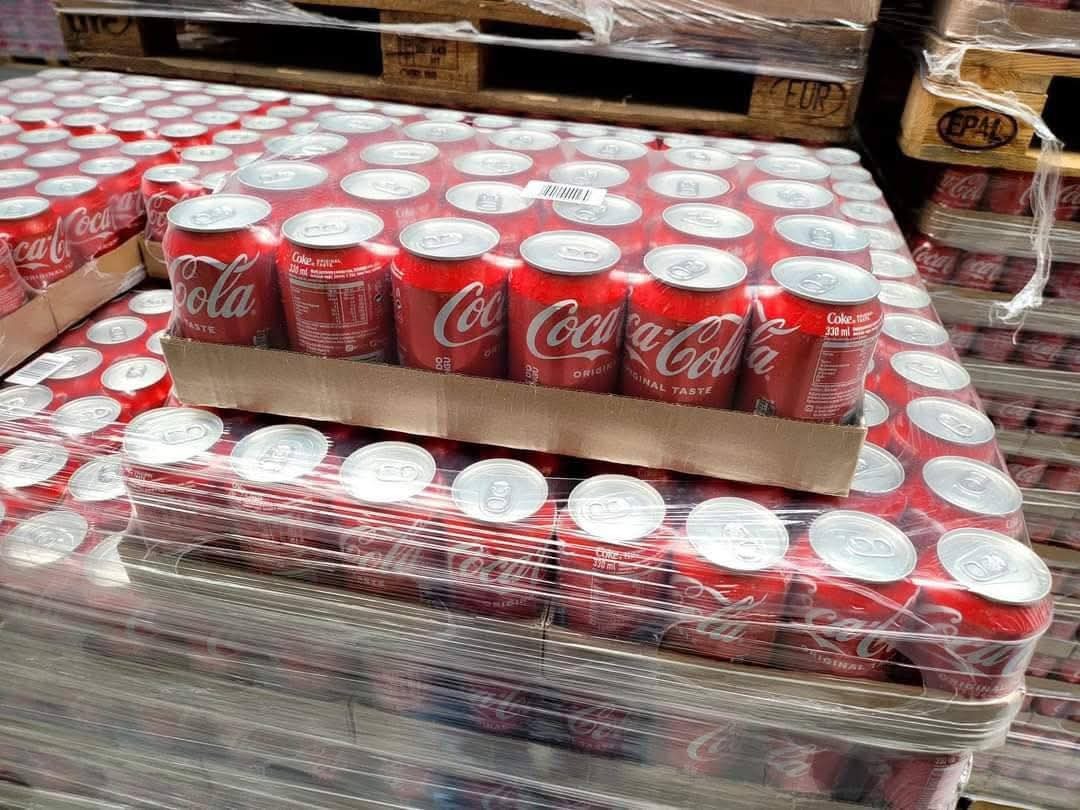
Distribution Scale and Pallet Coordination in Large-Scale Beverage Markets
Large-Scale Beverage Markets Demand Structured Pallet Coordination.
Retail chain velocity operates on consumption rhythms that smaller suppliers cannot comprehend. Major supermarket networks move dozens of Coca-Cola pallets daily per distribution center. Weekend demand surges require pre-positioned inventory. Stock-outs during promotional periods damage retail relationships permanently. We coordinate bulk supply that anticipates these velocity patterns rather than reacting to emergency orders.
Hospitality and food service demand follows different consumption cycles than retail. Hotels, restaurants, and event venues order by the pallet for multi-week coverage. Beverage managers plan around occupancy forecasts and seasonal events. Summer months in coastal regions can triple normal consumption. Our coordination model helps hospitality buyers structure their procurement calendars to avoid mid-season supply gaps.
Vending and convenience store supply cycles create unique distribution challenges. Vending operators service hundreds of machines across metro areas. Route efficiency depends on consistent product availability. Convenience stores turn over Coca-Cola inventory faster than almost any other SKU. Container-level shipments provide the volume base that wholesale distributors need to service these fragmented endpoint networks efficiently.
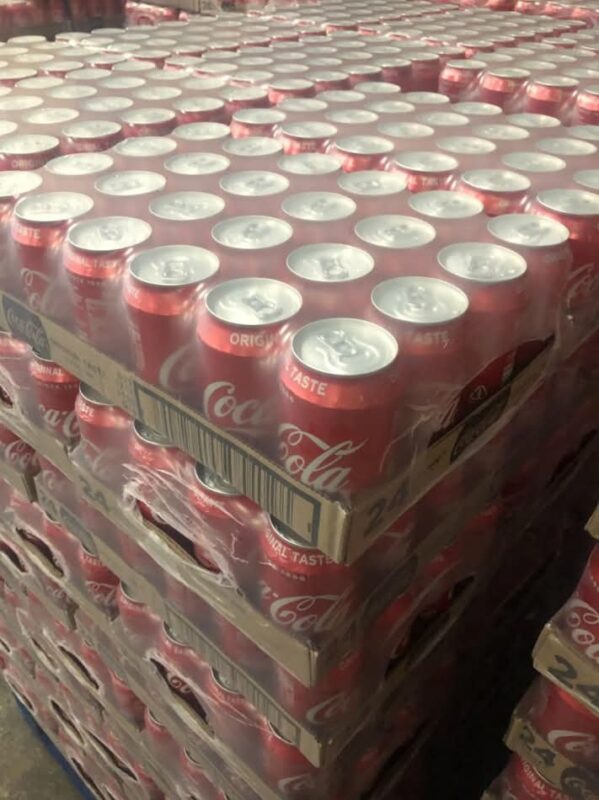
Container-level shipments outperform fragmented orders across every commercial metric. Transportation costs decrease dramatically when volume consolidates. Customs processing becomes predictable when documentation covers single large shipments rather than multiple small orders. Inventory management simplifies when buyers receive full containers on scheduled intervals. We structure coordination around container economics because this approach protects buyer margins while ensuring supply consistency. Our coordination experience spans markets from North American distribution networks to emerging wholesale channels across Southern Africa.
Available Coca-Cola Formats for Bulk Distribution
Format selection directly impacts distribution efficiency and channel compatibility. We coordinate supply across four primary Coca-Cola formats that serve South African wholesale markets. Each format addresses specific retail channels and consumption occasions. Professional buyers structure their orders by mixing formats to optimize pallet configurations and market coverage.
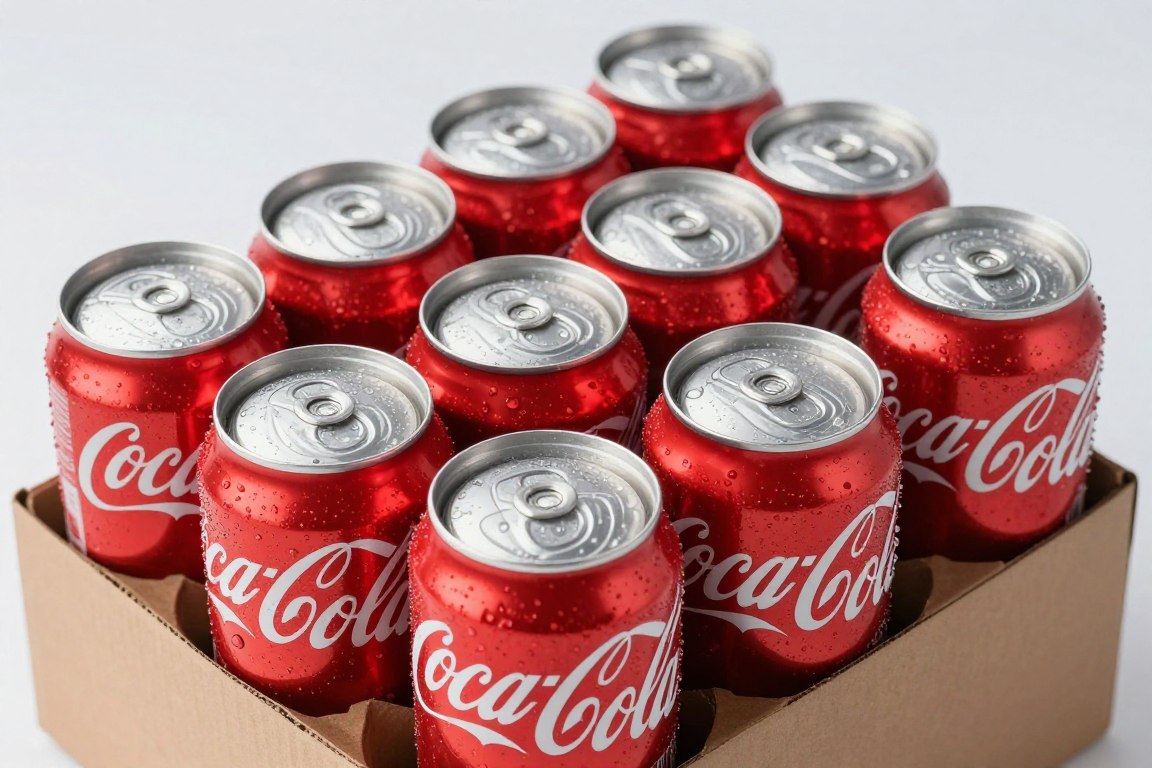
330ml Aluminum Cans
Retail and vending operations depend on this core SKU. The format dominates convenience stores and supermarket cold vaults. Tray stacking allows efficient pallet builds. Carbonation stability remains excellent during transport and storage.
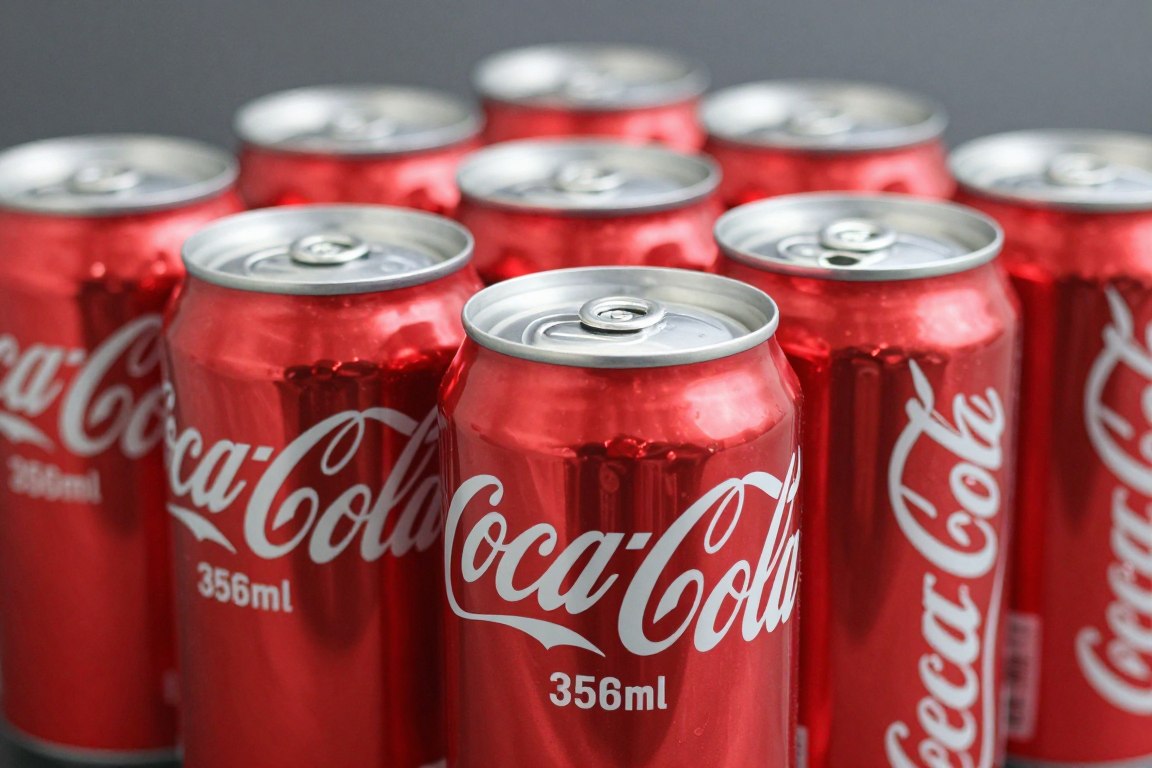
355ml Aluminum Cans
International format demand spans hospitality and specialty retail. Food service operators prefer this portion size for table service. Wholesale buyers coordinate this format when servicing hotels and restaurants. Layered SKU management on mixed pallets requires careful coordination.
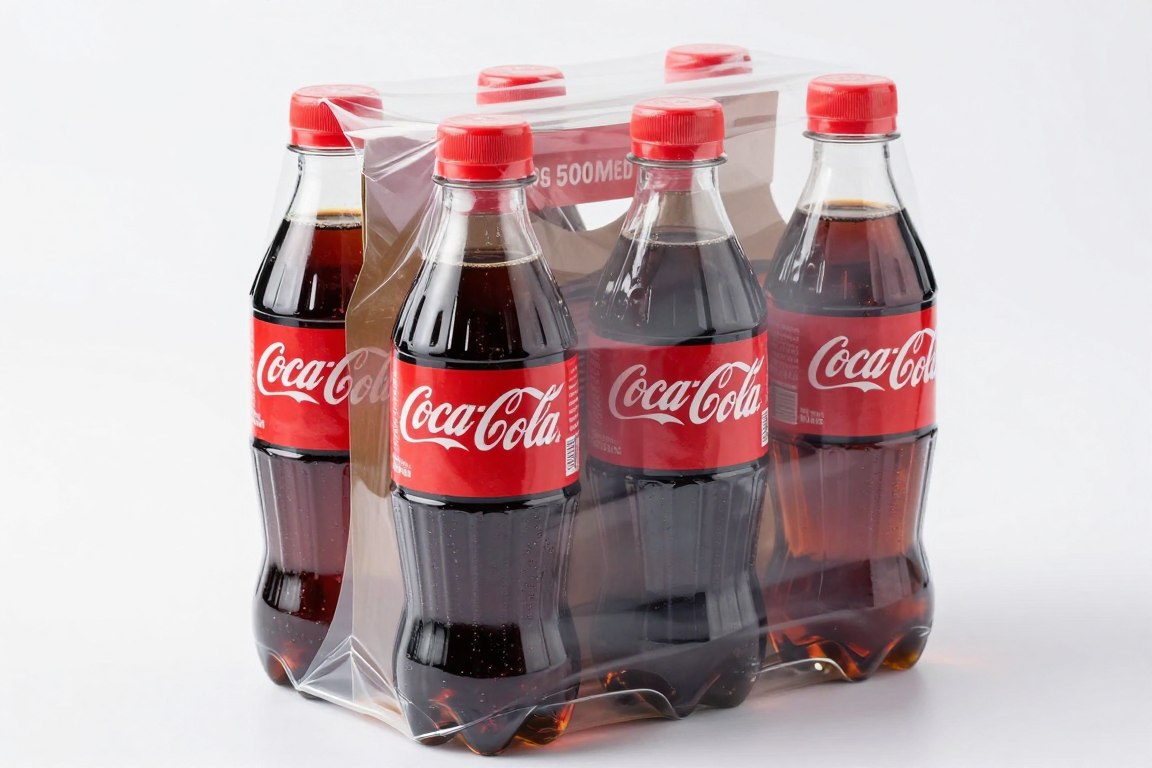
500ml PET Bottles
Convenience and retail channels move substantial volume in this format. The size serves individual consumption and small household purchase occasions. Shrink wrap compression control protects package integrity during shipment. We coordinate sourcing that maintains bottle clarity and cap security standards.
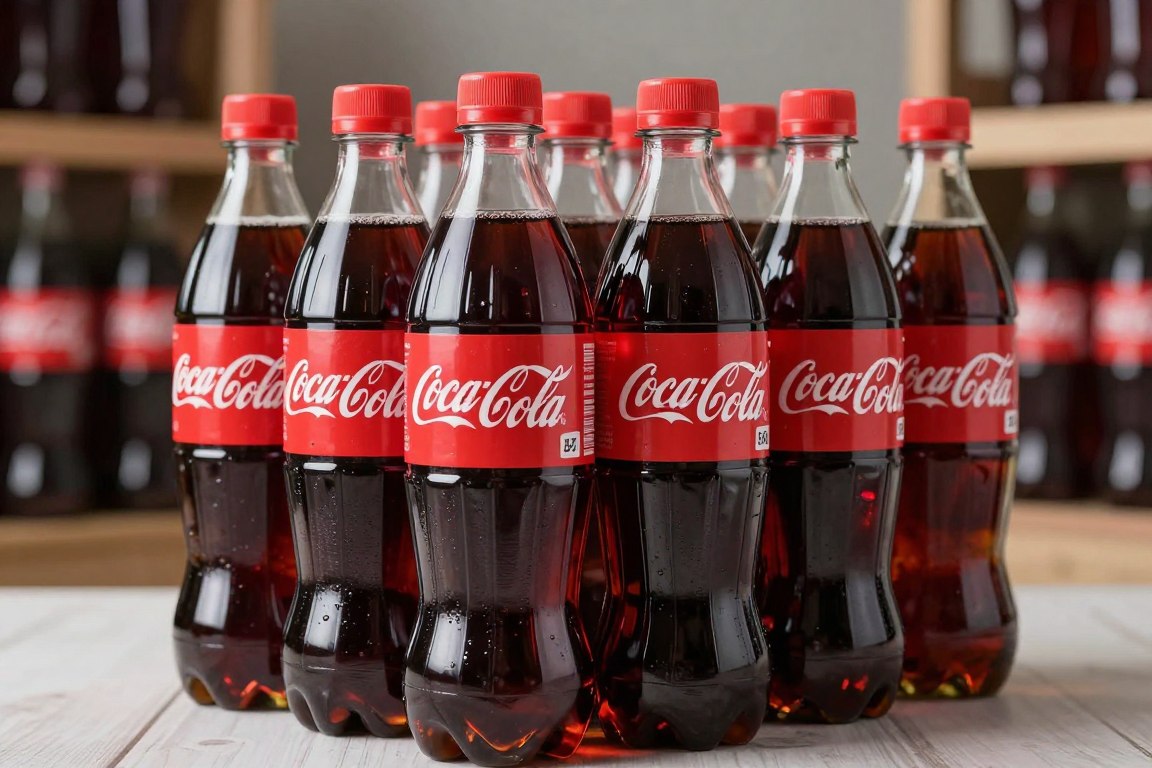
1.5 Liter PET Bottles
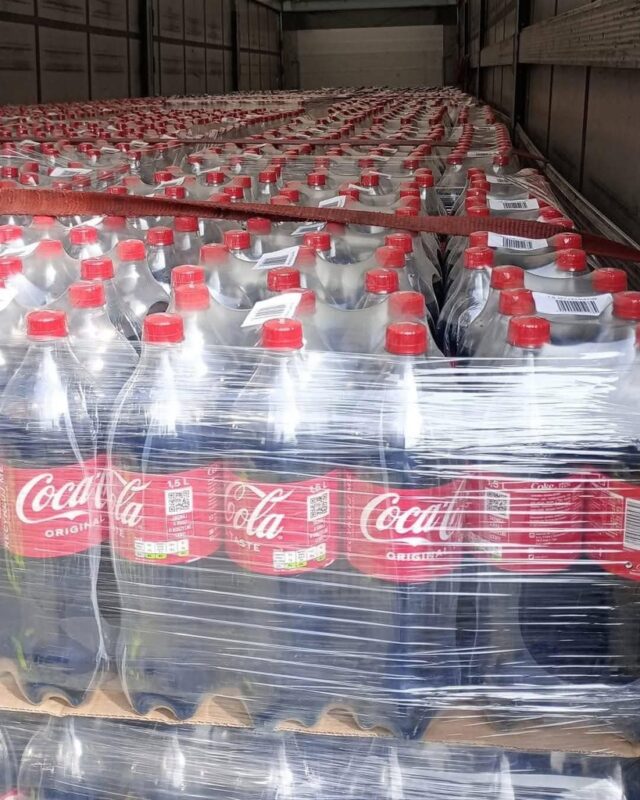
Supermarket and family volume purchases concentrate in this format. Household consumers buy this size for multi-day consumption. Reinforced pallet stacking prevents compression damage to lower layers. We structure sourcing to ensure bottles arrive without deformation or leakage.
| Format | Primary Channel | Export Handling Note |
| 330ml Cans | Retail and vending distribution | Tray stacking and pallet integrity verification at load point |
| 355ml Cans | Bulk retail and hospitality | Layered SKU management with compression monitoring |
| 500ml PET | Convenience stores and retail | Shrink wrap compression control and bottle clarity inspection |
| 1.5L PET | Supermarkets and family purchase | Reinforced pallet stacking with bottle deformation prevention |
Mixed SKU Pallet Builds Structured by Layer
Professional pallet configuration allows multiple formats on single shipments. Bottom layers carry heavier can formats. Upper layers accommodate lighter PET bottles. This approach optimizes container space while protecting product integrity. We coordinate with sourcing partners who understand these stacking principles and execute them consistently.
Plan Your SKU Mix – Let’s Structure Your Pallet Configuration
Format selection impacts distribution efficiency across your entire supply chain. We coordinate mixed-SKU pallet builds that optimize container space and protect product quality. Share your channel requirements to receive format recommendations.
Packaging Integrity and Container Load Management
Carbonation-sensitive stacking requires specialized knowledge that casual suppliers lack. Coca-Cola products contain dissolved CO2 under pressure. Improper stacking creates micro-leaks that compromise carbonation over time. Professional coordination ensures bottom layers receive appropriate weight distribution. We work with partners who calculate load compression and adjust stacking patterns accordingly.
Carton compression control protects packaging aesthetics and structural integrity. Retailers reject crushed cartons regardless of product condition inside. Compression occurs when pallet height exceeds safe limits or when container loading ignores weight distribution principles. Our coordination model includes compression monitoring protocols. Sourcing partners verify carton condition before container loading and document any handling issues immediately.
Pallet height optimization balances container efficiency with handling safety. Standard containers accommodate specific pallet heights. Exceeding these limits damages top-layer products during transport. Under-utilizing vertical space wastes container capacity and increases per-unit shipping costs. We coordinate with logistics partners who calculate optimal pallet heights based on format mix and container type. This expertise developed through years of coordinating shipments to markets including Singapore’s high-efficiency ports and other demanding distribution networks.
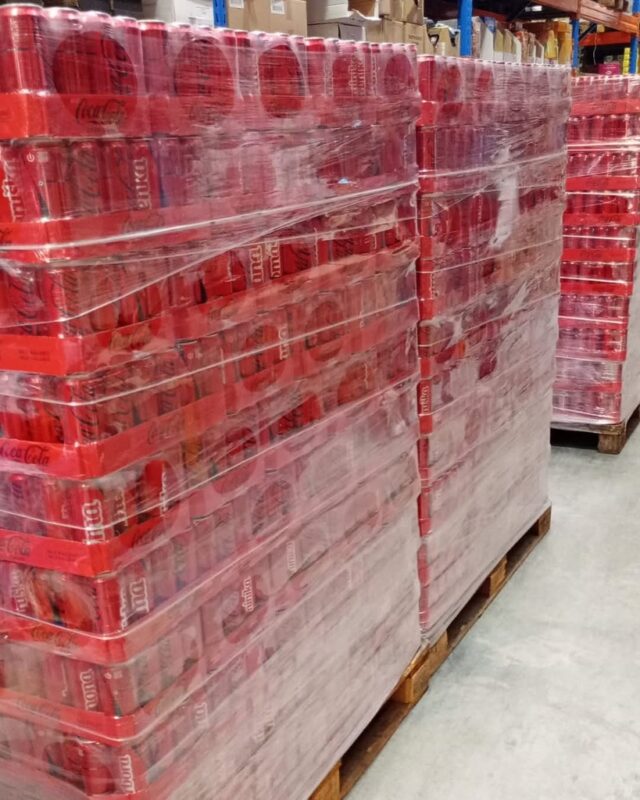
Container load balancing prevents shifting during ocean transport and road distribution. Unbalanced loads create dangerous conditions and product damage. Weight distribution must account for format density differences between cans and bottles. Corner reinforcement protects against lateral movement. We coordinate container loading that follows international cargo security standards and protects product quality throughout the supply chain.
Carton Integrity Verification
Pre-loading inspection confirms packaging condition meets retail standards before products enter containers.
Pallet Stability Testing
Load stability assessment prevents shifting during transport and identifies stacking issues before departure.
SKU Layer Organization
Format-specific layer planning optimizes weight distribution and prevents compression damage to sensitive products.
Container Space Optimization
Calculated pallet dimensions maximize container utilization while maintaining safe handling clearances.
Export Documentation Control
Complete paperwork preparation ensures customs clearance proceeds without delays or inspection holds.
Volume Planning Systems
Order coordination matches buyer consumption patterns to container economics and shipping schedules.
Bulk Coordination – From Order Confirmation to Dispatch
Our wholesale supply workflow follows systematic stages that protect both buyer interests and sourcing partner capabilities. Each stage includes verification checkpoints. This structure eliminates the confusion that plagues less organized supply chains. Professional buyers appreciate predictable processes that allow accurate planning.
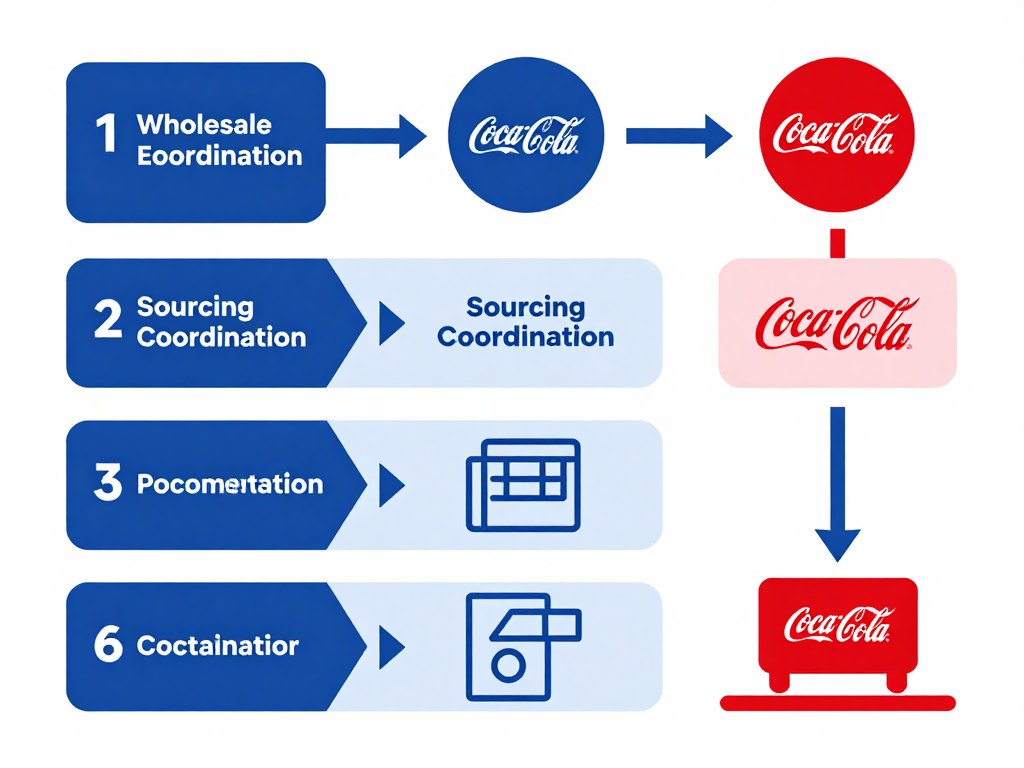
Six-Stage Coordination Process
- Volume Confirmation – We establish total pallet or container quantities based on buyer capacity and consumption forecasts. This stage clarifies whether orders proceed as LCL or FCL shipments.
- SKU Allocation – Format mix determination occurs through consultation with buyers about their channel distribution. We recommend ratios based on market data while respecting buyer preferences.
- Sourcing Coordination – Partner selection considers product freshness requirements, batch availability, and export readiness. We coordinate with suppliers who maintain quality standards and documentation discipline.
- Pallet Planning – Load configuration design accounts for format weights, stacking limits, and container dimensions. This stage prevents the compression and stability issues that damage products.
- Documentation Alignment – Export paperwork preparation includes commercial invoices, packing lists, and certificates of origin. We verify documentation accuracy before container loading begins.
- Container Scheduling – Shipping arrangements coordinate with buyer receiving capabilities and port congestion forecasts. We communicate estimated arrival dates and tracking information throughout transit.
This systematic approach draws from international trade facilitation principles established by organizations such as the World Trade Organization, ensuring our processes align with global best practices in wholesale distribution.
The Coca-Cola Company maintains global production standards that enable reliable wholesale coordination. These standards ensure product consistency regardless of sourcing origin. We coordinate with partners who understand and implement these quality protocols in their operations.
Professional wholesale supply requires coordination partners who respect both buyer needs and production realities. Zeki Frucht GmbH, based in Vienna, Austria, coordinates this balance without manufacturing products ourselves. We connect qualified buyers with trusted sourcing partners who execute systematic supply processes. Our role focuses on coordination quality rather than product ownership. Similar coordination models serve wholesale buyers in diverse markets including Malaysia’s growing distribution networks and other regional hubs.
Ready to Begin Coordination? Share Your Project Parameters
Our six-stage workflow eliminates supply chain uncertainty for serious wholesale buyers. We coordinate every aspect from volume confirmation through container dispatch. Share your estimated volumes and destination details to initiate coordination.
Brand Recognition and Distribution Rotation Stability
Coca-Cola carries unmatched brand recognition across global beverage markets. Consumers request the brand by name. Retail velocity remains consistent regardless of economic conditions. This brand strength creates predictable demand patterns that wholesale distributors can build business models around. We coordinate supply for a product with proven market stability rather than speculative inventory. The global Coca-Cola brand maintains this consumer trust through consistent quality and universal availability.
Reorder cycles follow consumption rhythms that experienced distributors can forecast with accuracy. Summer months increase volume. Holiday periods create demand surges. Regular promotional calendars generate predictable sales lifts. This consumption predictability allows wholesale buyers to structure their procurement with confidence. We coordinate supply timing that aligns with these market patterns rather than forcing buyers into arbitrary delivery schedules.
Cash flow stability depends on inventory turnover rates that Coca-Cola consistently delivers. Products move from warehouse to retail within days rather than weeks. Fast turnover reduces working capital requirements and minimizes storage costs. Wholesale distributors operate on tight margins where inventory efficiency determines profitability. Our coordination model recognizes these financial realities and structures supply to support healthy cash flow cycles.
Structured wholesale supply protects margins through volume economics and reduced handling complexity. Container shipments spread fixed costs across maximum unit counts. Consolidated orders minimize administrative overhead. Predictable delivery schedules reduce emergency freight expenses. We coordinate supply that addresses all these margin protection factors. Professional wholesale buyers understand that the cheapest per-unit price becomes expensive when supply chain chaos increases hidden costs. Our coordination approach balances competitive pricing with operational reliability. These principles apply equally whether coordinating for South African markets or managing supply for buyers in Chilean wholesale distribution networks.
Commercial Payment Structure for Wholesale Coordination
Payment terms reflect standard international trade practices for container-level shipments. We structure financial arrangements that protect both buyer and supplier interests. Our approach balances cash flow considerations with risk management principles that make cross-border wholesale commerce possible.
Standard payment structure follows a two-stage model. Buyers provide fifty percent advance payment upon order confirmation. This advance secures sourcing partner commitment and initiates the coordination process. The remaining fifty percent becomes due against Bill of Lading or through structured agreement depending on established business relationships. This approach follows commercial norms in international FMCG wholesale while maintaining flexibility for qualified buyers.
We coordinate payment arrangements that align with buyer financial cycles and supplier requirements. Professional wholesale buyers understand that reliable supply requires financial discipline from all parties. Our payment structure eliminates the uncertainty that disrupts less organized supply chains. Terms remain transparent from initial discussions through final settlement.
Southern African Regional Distribution Coordination
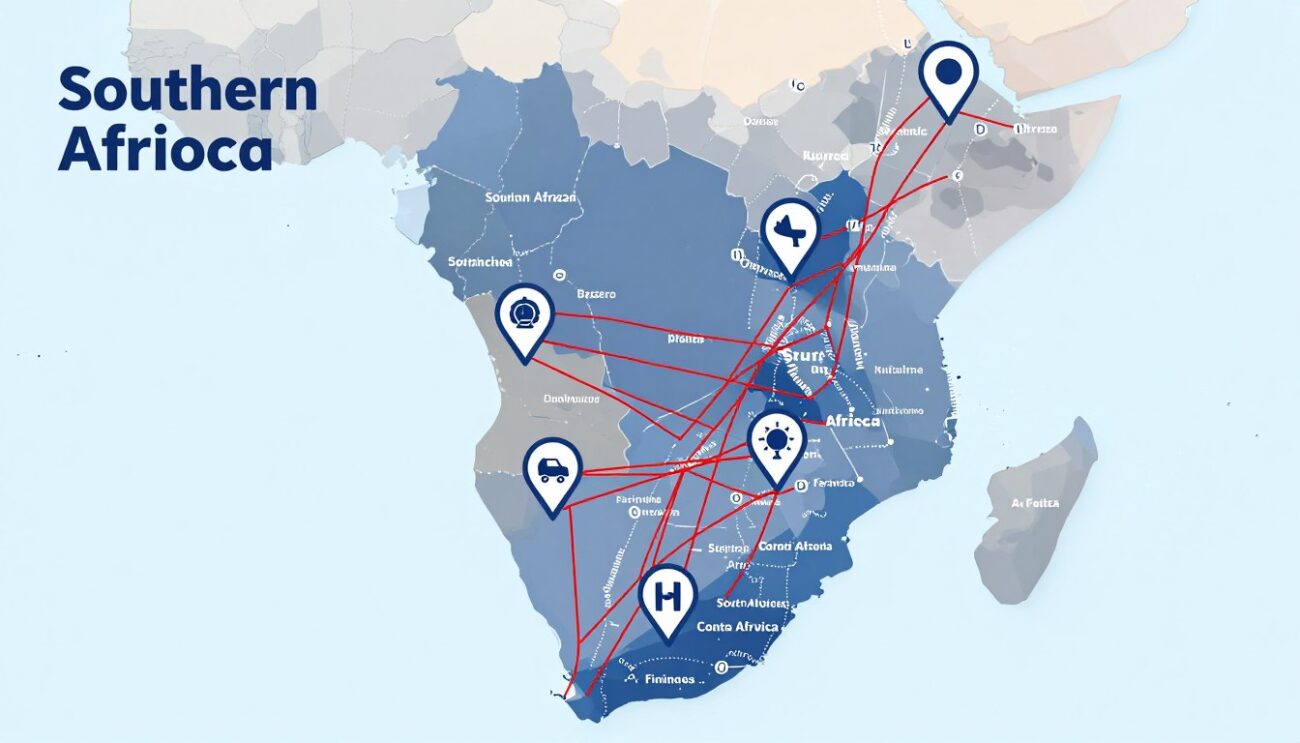
South Africa serves as the anchor market for broader Southern African wholesale coordination. Our sourcing networks support distribution across neighboring markets when buyers require regional supply solutions. This capability matters for wholesalers who service multiple countries or who plan expansion beyond single-market operations.
Regional coordination follows the same systematic approach as South African supply. Volume confirmation, SKU allocation, and documentation management scale to accommodate multi-country distribution. We coordinate with logistics partners experienced in Southern African cross-border commerce. Customs protocols vary by destination country, requiring specialized knowledge that casual suppliers lack.
Wholesale buyers expanding into new markets face unique challenges around supply chain establishment. Local distribution partnerships require reliable product flow from day one. We coordinate supply that supports market entry strategies and growth phases. Our experience spans diverse geographic markets, from established distribution networks to emerging wholesale channels requiring patient coordination approaches similar to those we employ when coordinating supply for Central American wholesale distribution development.
Product Quality Standards and Sourcing Partner Selection
Quality standards in Coca-Cola wholesale supply extend beyond product specifications to encompass entire sourcing systems. We coordinate with partners who maintain documented quality control processes. Random inspections and batch testing occur before products enter export channels. This upstream discipline prevents the quality issues that damage buyer reputations and create costly returns.
Sourcing partner selection considers multiple operational factors beyond price competitiveness. Production facility certifications demonstrate commitment to food safety standards. Export experience indicates understanding of documentation requirements and shipping protocols. Financial stability ensures partners can fulfill large orders without mid-process disruptions. We evaluate these factors systematically when building sourcing networks.
Batch traceability allows rapid response when quality questions arise. Professional sourcing partners maintain production records that identify manufacturing dates, ingredient lots, and packaging suppliers. This documentation discipline protects buyers when retailers or authorities request supply chain verification. We coordinate with partners whose systems support complete traceability from production through delivery.
Freshness management remains critical for products with defined shelf life and optimal consumption windows. Carbonated beverages maintain peak quality when consumed within manufacturer guidelines. We coordinate sourcing that prioritizes recent production dates and manages inventory rotation. Buyers receive products with maximum remaining shelf life rather than stock that sourcing partners need to clear.
Production Certification
Sourcing partners maintain relevant food safety and quality management certifications from recognized international standards organizations.
- ISO quality management systems implementation
- HACCP food safety protocols compliance
- Regular third-party audit verification
- Documented corrective action procedures
Export Readiness
Partners demonstrate consistent capability in preparing products for international wholesale distribution markets.
- Export documentation accuracy and completeness
- Proper packaging for long-distance transport
- Customs compliance and certificate management
- Container loading and securing expertise
Inventory Systems
Professional warehouse management ensures product rotation and condition monitoring throughout storage periods.
- First-in-first-out rotation enforcement
- Climate-controlled storage when required
- Regular stock condition inspections
- Real-time inventory visibility systems
Batch Documentation
Complete traceability systems track products from manufacturing through final wholesale buyer delivery.
- Production date and facility identification
- Ingredient lot number recording
- Packaging material source tracking
- Distribution chain documentation
Container Logistics and Shipping Timeline Management
Container logistics coordination requires understanding both maritime shipping realities and destination port capabilities. We work with freight forwarders experienced in South African trade lanes. Port selection considers congestion patterns, handling efficiency, and inland transport connections. These factors impact total delivery timelines more significantly than many buyers realize.
Shipping timeline management begins with realistic expectation setting. Ocean transit times vary by route and season. Port congestion adds unpredictable delays during peak periods. Customs processing duration depends on documentation accuracy and random inspection selection. We communicate these timeline variables honestly rather than promising unrealistic delivery speeds that create disappointment.
Container type selection matters for product protection and cost optimization. Standard dry containers suit most Coca-Cola formats when properly loaded. High-cube containers provide additional vertical space for efficient pallet stacking. Refrigerated containers become necessary only for specific products requiring climate control. We coordinate container selection based on format mix and route conditions.
Inland transportation from port to buyer warehouse requires advance coordination. Container drayage availability fluctuates based on regional demand patterns. We help buyers arrange inland transport or coordinate with their existing logistics providers. This final-mile planning prevents containers from sitting at port terminals accumulating demurrage charges.
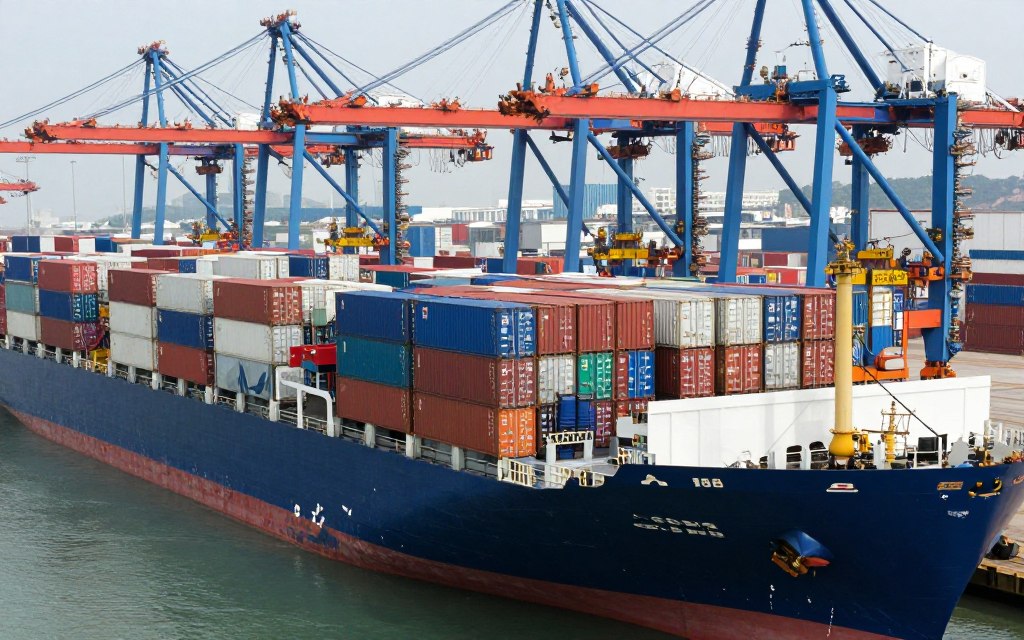
Transit insurance protects cargo value during ocean shipping and inland transport. We coordinate insurance coverage appropriate to shipment value and route risk levels. Professional wholesale buyers understand that insurance costs represent minor expenses compared to uninsured cargo losses. Coverage documentation accompanies all shipping paperwork for buyer records.
Ocean Freight Coordination
We arrange container shipping through established freight forwarder networks with competitive rates and reliable service records.
Port Congestion Monitoring
Real-time port condition tracking allows proactive scheduling adjustments when delays threaten delivery timelines.
Documentation Preparation
Complete export paperwork preparation ensures smooth customs processing without holds or inspection complications.
Tracking Information
Container tracking updates keep buyers informed of shipment progress from departure through arrival notification.
Customs Facilitation
Proper documentation and declaration accuracy minimize customs delays and eliminate surprise duty assessments.
Inland Transport Coordination
Final-mile delivery planning prevents port storage charges and ensures timely container delivery to buyer facilities.
Market Entry Strategy Support for New Wholesale Distributors
New entrants to Coca-Cola wholesale distribution face unique challenges beyond simple product sourcing. Market entry requires understanding retail channel dynamics, pricing positioning, and competitive landscape navigation. We provide coordination support that extends beyond logistics to include strategic consultation for serious wholesale operations.
Initial order sizing balances market testing needs with container economics. New distributors often struggle between ordering too little and losing container efficiency versus ordering too much and straining working capital. We help structure first orders that test market response while maintaining reasonable per-unit economics through proper volume planning.
Channel strategy development determines which retail segments receive focus during market entry phases. Convenience stores offer faster turnover but tighter margins. Supermarket chains provide volume but demand aggressive pricing. Hospitality channels pay premium prices but require specialized service. We discuss these trade-offs with new distributors to align product mix with chosen channel strategies.
Competitor analysis reveals pricing dynamics and promotional patterns in target markets. Established distributors follow seasonal promotional calendars that new entrants must understand. Undercutting existing price structures can trigger reactions that damage profitability. We share market intelligence that helps new distributors position competitively without destroying margin potential.
Growth phase planning establishes reorder timing and volume scaling strategies. Initial market testing generates consumption data that informs subsequent order sizing. Seasonal patterns become apparent after full-year cycles. We coordinate supply that scales with distribution growth rather than forcing fixed order patterns that may not match market reality.
Consultation Approach for Market Entry Coordination
We provide strategic guidance during initial coordination discussions with new wholesale distributors. This consultation addresses market positioning questions, channel selection considerations, and growth timeline planning. Our experience coordinating supply across diverse international markets including South Africa, Southeast Asia, and Latin America informs recommendations we share with new entrants. This guidance complements our core coordination services without creating dependencies on ongoing consulting relationships.
Product Authenticity and Brand Protection Measures
Product authenticity concerns affect all high-value branded goods in international wholesale channels. Coca-Cola products face counterfeiting risks in some markets. Professional wholesale buyers require verification that products come from legitimate production channels. We coordinate with sourcing partners whose supply chains include authentication measures and brand protection protocols.
Packaging inspection identifies potential counterfeit indicators before products enter distribution. Legitimate Coca-Cola packaging follows precise color specifications, logo placement standards, and printing quality requirements. Manufacturing codes and date stamps follow consistent formats. We coordinate with partners who verify these authentication markers during quality control processes.
Supply chain documentation provides traceability back to authorized production facilities. Commercial invoices, packing lists, and certificates of origin create paper trails that verify legitimate sourcing. We ensure documentation completeness for every shipment. This documentation discipline protects buyers from unknowingly receiving counterfeit products and provides legal protection when questions arise.
Buyer education about authentication measures empowers distributors to conduct their own verification. We share knowledge about legitimate product characteristics and documentation standards. Professional wholesale operations implement incoming inspection procedures that verify product authenticity before goods enter their warehouses. This shared responsibility approach strengthens brand protection across distribution networks.
Counterfeit Risk Awareness
Counterfeit Coca-Cola products exist in some international markets. These products typically exhibit inferior taste quality, incorrect carbonation levels, and packaging inconsistencies. Professional wholesale buyers should implement authentication verification processes and work only with coordination partners who source through legitimate channels. We maintain sourcing partner relationships specifically to minimize counterfeit exposure for buyers we serve. When authentication questions arise, we provide documentation and partner contact information that allows independent verification.
Seasonal Demand Patterns and Inventory Planning
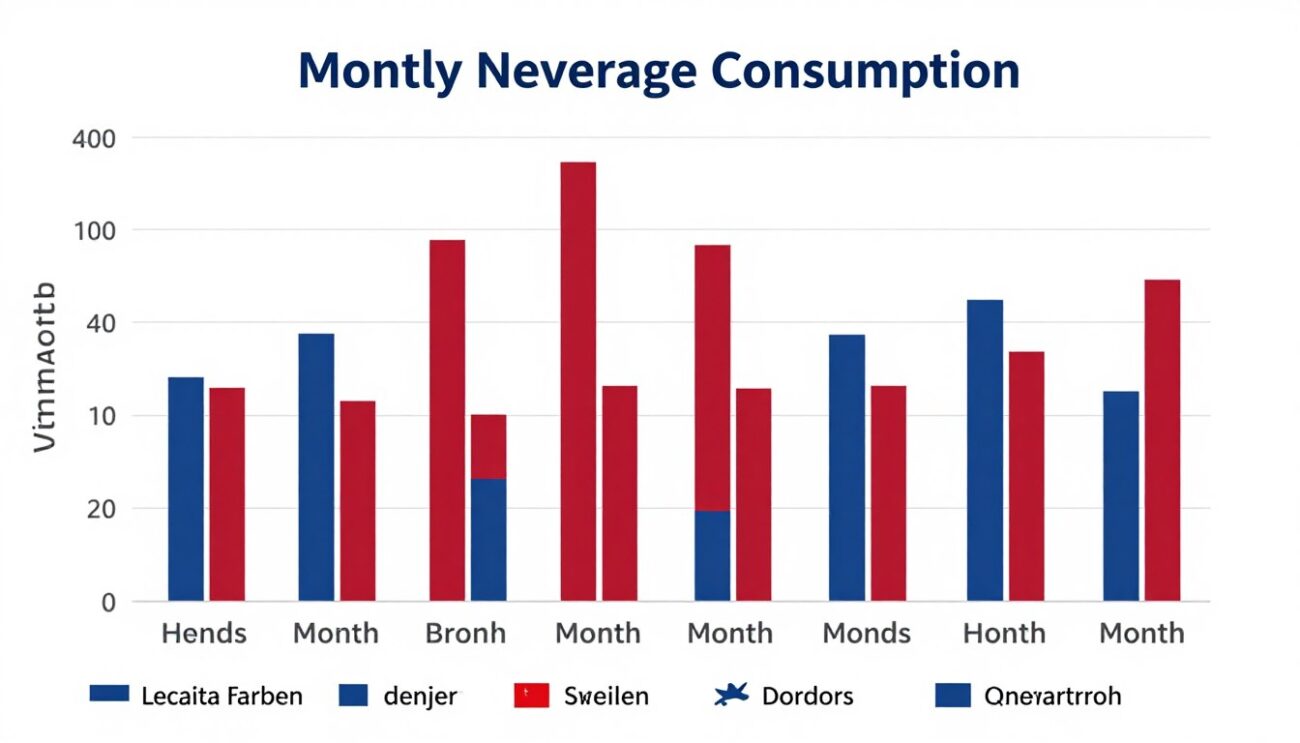
Seasonal demand fluctuations in carbonated beverage markets follow predictable patterns that professional wholesalers plan around. South African summer months from December through February generate peak consumption. Holiday periods including Christmas and New Year create demand surges. We coordinate supply timing that positions inventory ahead of these seasonal peaks rather than reacting after demand materializes.
Summer inventory positioning requires advance planning that accounts for ocean shipping lead times. Orders placed in October arrive in time for December demand surges. Waiting until November creates supply gaps during peak selling periods. We help wholesale buyers develop seasonal ordering calendars that synchronize container arrivals with consumption patterns.
Holiday promotional periods demand additional inventory beyond normal consumption levels. Retailers run aggressive promotions that temporarily spike demand. Distributors who enter holidays with insufficient inventory miss significant revenue opportunities. We coordinate supplemental shipments that support promotional activity without creating excess inventory that lingers after holidays end.
Post-holiday inventory management prevents excess stock from constraining cash flow. January and February consumption typically drops after December peaks. Buyers who over-order face slow inventory turnover during these months. We discuss post-holiday volume planning during seasonal order coordination to help buyers avoid common inventory mistakes.
School holiday periods create secondary demand surges beyond major holidays. South African school holidays in April, July, and September affect beverage consumption patterns. Family travel and increased leisure activity drive consumption increases. Professional distributors adjust their procurement calendars to account for these secondary peaks. We coordinate supply that supports comprehensive seasonal planning rather than focusing only on major holidays.
Competitive Advantages in Wholesale Beverage Coordination
Our competitive advantages stem from coordination experience rather than product ownership or price manipulation. We focus on systematic processes that reduce buyer uncertainty and improve supply chain predictability. These operational advantages matter more to professional wholesale buyers than marginal price differences that compromise reliability.
Process transparency eliminates the confusion that characterizes less organized supply channels. We explain each workflow stage clearly and provide realistic timelines. Documentation standards remain consistent across all shipments. Communication protocols ensure buyers receive updates at critical coordination milestones. This transparency builds trust that enables long-term business relationships.
Sourcing partner network quality separates professional coordination from opportunistic brokerage. We maintain relationships with partners who demonstrate consistent execution rather than chasing lowest prices from unknown suppliers. Partner vetting includes operational audits and reference verification. This network quality protects buyers from the supply disruptions and quality issues that plague less selective coordination approaches.
International market experience informs recommendations we provide to wholesale buyers. Our coordination work spans developed markets with sophisticated retail infrastructures and emerging markets building wholesale distribution systems. This diverse experience allows us to share insights about challenges buyers face and practical solutions that work across different market conditions. We bring this knowledge to every coordination relationship.
Flexibility in coordination approaches acknowledges that different buyers operate with different constraints and priorities. Some buyers prioritize fastest possible delivery regardless of cost. Others optimize for lowest per-unit pricing even when this extends timelines. We structure coordination around buyer priorities rather than forcing standardized approaches that may not fit specific situations.
- Systematic workflow with documented stages
- Verified sourcing partner network
- Transparent communication protocols
- Realistic timeline commitments
- Complete documentation standards
- Quality verification processes
- Flexible payment structures
Professional Coordination Approach
- Inconsistent processes across orders
- Unknown supplier relationships
- Poor communication and updates
- Unrealistic delivery promises
- Incomplete or inaccurate paperwork
- No quality control oversight
- Rigid payment demands
Opportunistic Brokerage Problems
Technology Systems and Communication Infrastructure
Technology systems support our coordination processes without replacing human judgment and relationship management. We use digital tools to track shipment progress, manage documentation, and communicate status updates. These systems improve coordination efficiency while maintaining the personal attention that professional wholesale relationships require.
Order management systems track each coordination project from initial inquiry through final delivery. Status updates generate automatically at key milestones. Buyers access tracking information through simple interfaces without requiring specialized software. This visibility reduces status inquiry communications and allows buyers to plan receiving operations proactively.
Documentation management platforms store export paperwork in organized digital archives. Commercial invoices, packing lists, certificates of origin, and shipping documents remain accessible for future reference. This organized approach helps buyers respond quickly when authorities or retailers request supply chain verification. We maintain these records systematically rather than forcing buyers to track scattered email attachments.
Communication channels accommodate different buyer preferences and urgency levels. Email remains primary for routine updates and documentation sharing. Phone communication handles time-sensitive issues and complex discussions. We respond to inquiries promptly during European business hours and coordinate with partners to address issues arising during other time zones.
Data security protocols protect confidential commercial information that coordination relationships involve. Pricing details, volume commitments, and business strategy discussions remain strictly confidential. We implement information security measures appropriate to international wholesale commerce. Professional buyers expect this confidentiality as standard practice rather than special accommodation.
Sustainability Considerations in Wholesale Supply Chains
Sustainability concerns increasingly influence wholesale procurement decisions across global beverage markets. Professional buyers evaluate environmental impacts alongside traditional factors like pricing and reliability. We coordinate with sourcing partners who recognize these evolving priorities and implement sustainable practices in their operations.
Packaging sustainability addresses both material composition and end-of-life management. Aluminum cans offer high recyclability rates and closed-loop recycling systems. PET bottles face increasing scrutiny regarding marine pollution and landfill accumulation. We coordinate supply that includes packaging formats aligned with buyer sustainability commitments and retail channel expectations.
Transportation efficiency reduces carbon footprints through optimized container loading and route planning. Full container loads minimize per-unit transportation emissions compared to less-than-container shipments. We prioritize efficient routing and consolidation opportunities that reduce environmental impacts while maintaining commercial viability. These efficiency measures typically align with cost optimization goals.
Water stewardship in beverage production represents critical sustainability concern in water-stressed regions. Responsible manufacturers implement water conservation measures and wastewater treatment systems. South Africa faces water security challenges that make these practices particularly important. We coordinate with partners whose operations demonstrate water stewardship appropriate to regional conditions.
Community impact considerations extend beyond environmental factors to encompass labor practices and economic development. Professional wholesale buyers increasingly evaluate supplier social responsibility performance. We maintain partnerships with sourcing organizations that demonstrate ethical labor practices and positive community engagement. This social dimension of sustainability matters to buyers serving markets with strong corporate responsibility expectations.
Financial Planning and Working Capital Management
Working capital management determines wholesale distributor profitability more significantly than gross margin percentages. Inventory carrying costs, payment term structures, and turnover rates combine to create financial realities that successful distributors master. We coordinate supply with awareness of these financial factors that affect buyer decision-making.
Inventory carrying costs include storage expenses, insurance premiums, financing charges, and obsolescence risks. These costs accumulate daily while products sit in warehouses. Fast-moving products like Coca-Cola minimize carrying costs through rapid turnover. We coordinate supply quantities that balance container economics with turnover optimization. Excessive inventory destroys profitability even when per-unit purchase prices appear attractive.
Payment term structures affect cash conversion cycles and financing requirements. Advance payment requirements tie up capital before products generate revenue. Trade credit availability depends on established business relationships and financial strength. We structure payment terms that acknowledge these financial realities while protecting sourcing partner interests. Flexibility increases as business relationships mature and trust develops.
Credit facility requirements vary based on order sizes and buyer financial positions. Container shipments demand significant capital outlays that strain distributors without adequate financing. We discuss financial requirements honestly during initial coordination conversations. Buyers benefit from realistic financial planning rather than discovering capital shortfalls after committing to orders they cannot fund properly.
Profitability modeling helps buyers evaluate whether margin structures support sustainable operations. Wholesale beverage distribution operates on slim margins where small percentage improvements significantly impact financial outcomes. We share general margin insights from our coordination experience across different markets. This information helps buyers establish realistic financial expectations and identify opportunities for margin improvement through operational efficiency.
Working Capital Optimization Strategies
Professional wholesale distributors optimize working capital through coordinated approaches to inventory management, payment terms, and customer credit policies. Container-level ordering reduces per-unit costs but increases inventory carrying expenses. Balancing these factors requires understanding total cost of ownership rather than focusing solely on purchase price. We coordinate supply structures that support healthy working capital management while maintaining reliable product flow. Buyers who master these financial fundamentals build sustainable wholesale operations rather than chasing volume growth that destroys profitability.
Risk Management and Supply Chain Disruption Mitigation
Risk management in international wholesale supply chains addresses diverse potential disruptions beyond simple product availability. Professional buyers evaluate supplier risk alongside traditional commercial factors. We coordinate supply through approaches that mitigate common risk categories affecting cross-border beverage distribution.
Supplier concentration risk occurs when buyers depend on single sourcing channels for critical products. Disruptions affecting one supplier create immediate inventory crises. We maintain diversified sourcing partner networks that provide alternative supply options when primary channels face disruptions. This redundancy costs more than single-source approaches but provides insurance against supply interruptions.
Geopolitical risks affect international supply chains through trade policy changes, political instability, and regulatory shifts. Currency fluctuations impact pricing structures. Import restrictions can suddenly block established supply channels. We monitor these macro risk factors and discuss implications with buyers whose operations face exposure. Early awareness enables proactive strategy adjustments rather than crisis reactions.
Quality control risks stem from insufficient oversight in complex supply chains. Products shipped without proper verification can arrive with defects that force costly returns or customer compensation. We coordinate with sourcing partners who implement systematic quality control and provide documentation that verifies inspection completion. This quality discipline prevents most defect issues rather than reacting after problems arise.
Documentation risks create customs delays, regulatory penalties, and legal complications. Missing certificates, inaccurate declarations, and incomplete paperwork stop shipments at borders. We emphasize documentation accuracy and completeness in every coordination project. Professional preparation eliminates most documentation risks that plague less disciplined supply channels.
Insurance coverage addresses residual risks that sound management practices cannot eliminate completely. Cargo insurance protects against physical loss or damage during transport. Credit insurance mitigates customer default risks. We coordinate appropriate insurance coverage and ensure buyers understand policies protecting their shipments. These risk transfer mechanisms provide final protection layer beyond operational risk management.
Frequently Asked Questions About Coca-Cola Wholesale Coordination
Can aluminum cans and PET bottles be mixed in one container for optimal space utilization?
Yes, professional container loading accommodates mixed format shipments when properly planned. Can formats typically occupy bottom pallet layers due to higher weight density. PET bottle formats stack on upper layers where weight distribution remains appropriate. This mixed loading approach optimizes container space while protecting product integrity.
Load planning must account for compression sensitivities and stacking height limits. We coordinate with logistics partners experienced in mixed beverage format loading. Proper execution requires understanding weight distribution calculations and format-specific handling requirements. Mixed container shipments succeed when coordination follows systematic loading protocols rather than improvised approaches.
Is pallet stacking optimized for container efficiency while maintaining product safety standards?
Container efficiency optimization balances space utilization with product protection requirements. Standard container dimensions accommodate specific pallet configurations. We calculate optimal pallet heights based on format mix and packaging specifications. This calculation prevents both container underutilization and product damage from excessive stacking.
Professional coordination includes container loading diagrams that specify exact pallet placement and stacking patterns. These diagrams account for door clearance requirements and weight distribution principles. Sourcing partners follow these specifications during container loading. This systematic approach achieves efficiency without compromising product condition during transport.
How is carbonation stability protected during ocean shipment and subsequent inland transport?
Carbonation protection begins with proper packaging and continues through controlled stacking and climate awareness. Sealed aluminum cans and PET bottles maintain carbonation when packaging integrity remains intact. We coordinate container loading that prevents crushing and package deformation. Temperature extremes during transport can affect carbonation levels over time, though properly sealed packages maintain stability across typical shipping durations.
Container selection considers route conditions and transit duration. Standard dry containers suit most Coca-Cola shipments when loading follows proper protocols. We avoid routing through extreme temperature zones when possible. Inland transport coordination ensures prompt container unloading after port arrival. These combined measures protect carbonation quality throughout the supply chain.
What documentation accompanies wholesale Coca-Cola dispatch for customs and commercial purposes?
Standard export documentation includes commercial invoices, detailed packing lists, certificates of origin, and bills of lading. Commercial invoices specify product descriptions, quantities, unit values, and total shipment value. Packing lists provide detailed container contents including format breakdown and carton counts. Certificates of origin verify manufacturing country for customs purposes.
Additional documentation may include phytosanitary certificates, free sale certificates, or laboratory analysis reports depending on destination country requirements. We verify documentation requirements for specific destinations before shipment preparation begins. Complete and accurate documentation prevents customs delays and ensures smooth clearance processes. All documentation reaches buyers before container arrival to allow advance customs processing.
How soon does coordination begin after wholesale inquiry confirmation from qualified buyers?
Coordination initiation depends on several factors including buyer readiness, sourcing partner availability, and shipping schedule alignment. We begin discussions immediately upon receiving detailed inquiries that specify format preferences, estimated volumes, destination ports, and target timeframes. Initial coordination stages including volume confirmation and SKU allocation typically complete within days for straightforward projects.
Sourcing coordination requires additional time based on current product availability and export readiness at partner facilities. Container scheduling depends on shipping line availability and port departure schedules. Complete timeline from inquiry to container dispatch typically ranges from two to six weeks depending on project complexity and seasonal demand factors. We provide realistic timeline estimates during initial discussions rather than promising unrealistic speeds that create disappointment.
Your Questions Answered – Time to Move Forward
Professional wholesale buyers appreciate transparent answers to operational questions. We address your specific coordination concerns during initial consultations. Share your supply requirements and questions to begin productive discussions about your Coca-Cola wholesale needs.
Begin Your Coca-Cola Wholesale Supply Coordination
Professional wholesale beverage distribution in South Africa requires coordination partners who understand both commercial realities and operational disciplines. We coordinate Coca-Cola bulk supply for qualified buyers who operate at serious scale. Our systematic approach addresses the complexities that characterize international FMCG wholesale rather than oversimplifying processes that demand professional attention.
Zeki Frucht GmbH, based in Vienna, Austria, focuses exclusively on wholesale coordination for professional buyers. We do not manufacture Coca-Cola products. We coordinate sourcing through trusted partner networks developed over years of international trade experience. This coordination model allows us to focus on supply chain excellence rather than production operations. Professional buyers benefit from our specialized coordination expertise and global sourcing capabilities.
Successful coordination relationships begin with clear communication about requirements and capabilities. We invite wholesale distributors, retail chain procurement managers, hospitality buyers, and import/export trading companies to share their Coca-Cola supply needs. Productive initial discussions address several key parameters that inform coordination planning.
Share These Parameters for Coordination Planning
- Preferred Formats – Specify which Coca-Cola formats your distribution channels require (330ml cans, 355ml cans, 500ml PET, 1.5L PET, or mixed format preferences)
- Estimated Volume – Indicate approximate pallet quantities or container counts based on your consumption forecasts and storage capabilities
- Destination Port – Identify which South African port provides optimal access to your distribution network (Durban, Cape Town, Port Elizabeth, or other facilities)
- Target Shipment Window – Share desired delivery timeframes or seasonal coordination requirements that align with your business planning
- Distribution Scope – Describe whether supply serves single-market operations or regional distribution across Southern African markets
- Current Supply Challenges – Explain pain points in existing supply chains that coordination improvements might address
We approach initial coordination discussions as consultative conversations rather than sales presentations. Professional wholesale buyers appreciate honest assessments of what coordination can accomplish and what challenges projects may face. We provide realistic timelines, transparent explanations of process stages, and clear communication about commercial terms. This straightforward approach builds trust that enables successful long-term coordination relationships.
Wholesale beverage markets reward distributors who master supply chain fundamentals and build reliable sourcing partnerships. Coca-Cola’s brand strength creates demand. Professional coordination transforms that demand into profitable distribution operations. We invite serious wholesale buyers to begin coordination discussions that address their specific South African market requirements.
Coordinate Your South African Coca-Cola Wholesale Supply
Share your format requirements, estimated volumes, destination port, and target delivery timeframe. We respond to coordination inquiries from qualified wholesale buyers with detailed information about our systematic approach. Professional coordination begins with productive initial conversations about your specific distribution needs.
Direct communication remains available for buyers who prefer phone discussions about coordination parameters and commercial terms. We maintain European business hours and respond promptly to inquiries requiring immediate attention.
Professional wholesale coordination transforms beverage supply from operational challenge into competitive advantage. We invite South African wholesale buyers to experience systematic coordination that protects quality, maintains consistency, and supports distribution growth. Begin your coordination journey by sharing your Coca-Cola bulk supply requirements today.