
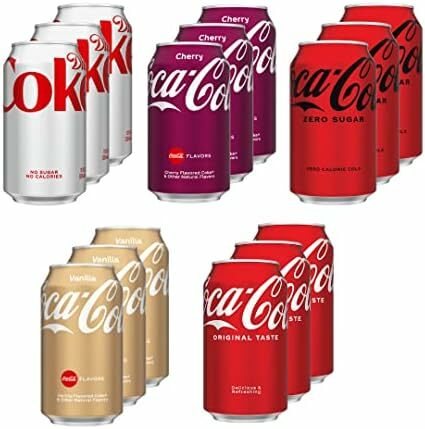
Regional Distribution Advantage Through Structured Container Supply
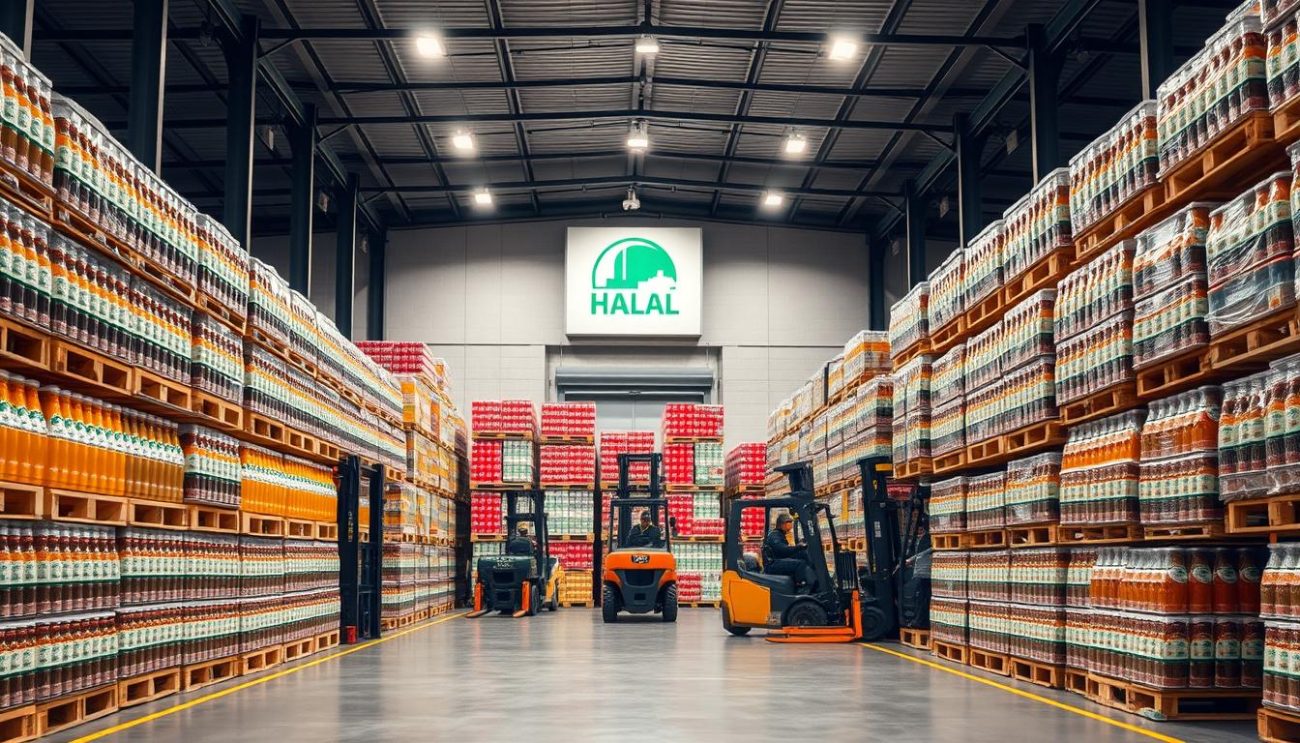
High-Velocity Beverage Markets Require Structured Pallet Supply
Retail chain turnover in Southeast Asian markets operates on weekly cycles. Convenience stores restock popular drink products multiple times per week. Supermarket beverage aisles require constant replenishment to maintain shelf presence during peak shopping periods. This velocity creates intense pressure on wholesale distribution networks to maintain inventory flow without interruption.
Food service demand adds additional complexity. Hotels, restaurants, cafes, and quick-service chains consume significant soft drink volumes. These hospitality buyers prioritize consistent availability because beverage stockouts directly impact customer experience and revenue. Vending sector operators face similar pressures, with machine downtime resulting in immediate lost sales.
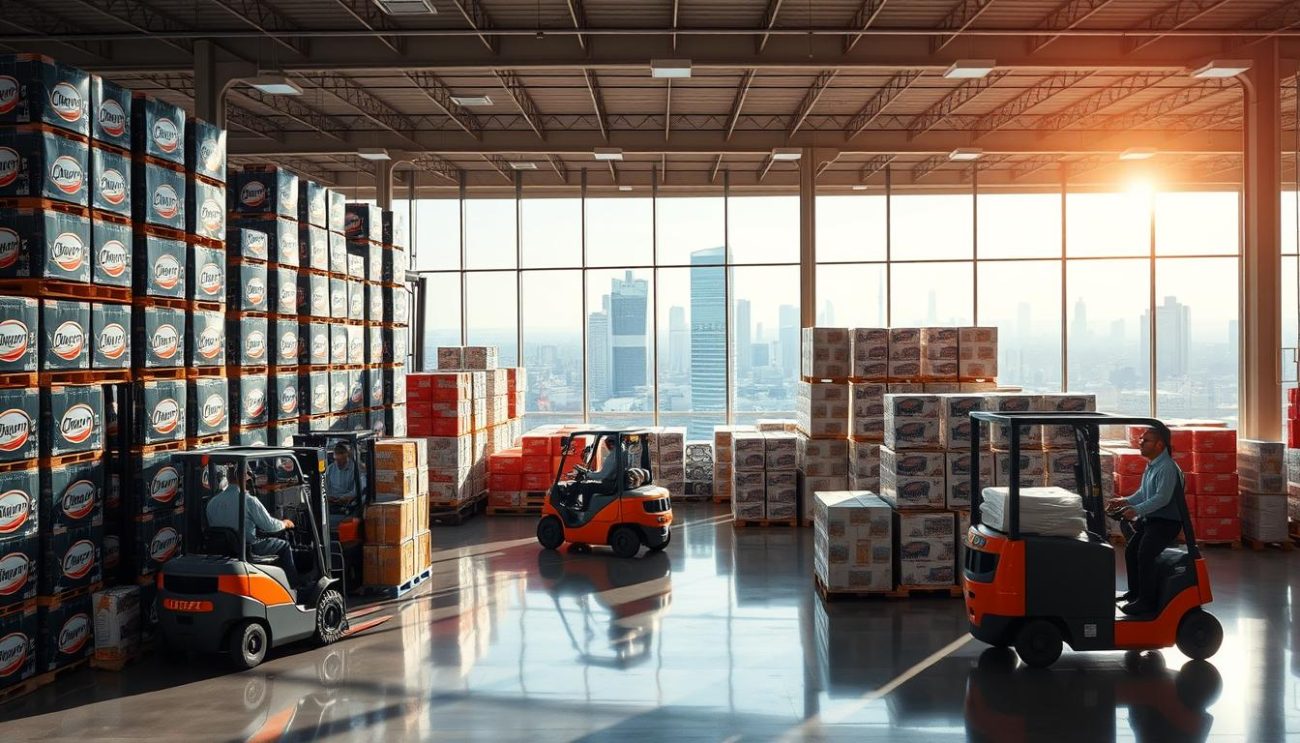
Consolidated container shipments outperform fragmented supply approaches because they deliver economic efficiency, simplified documentation, and reduced logistics complexity. A single well-organized container provides weeks of inventory for mid-sized distributors or supplements existing stock for larger wholesale operations. This consolidation reduces per-unit costs, streamlines customs clearance, and allows buyers to negotiate better freight rates through consistent volume commitments.
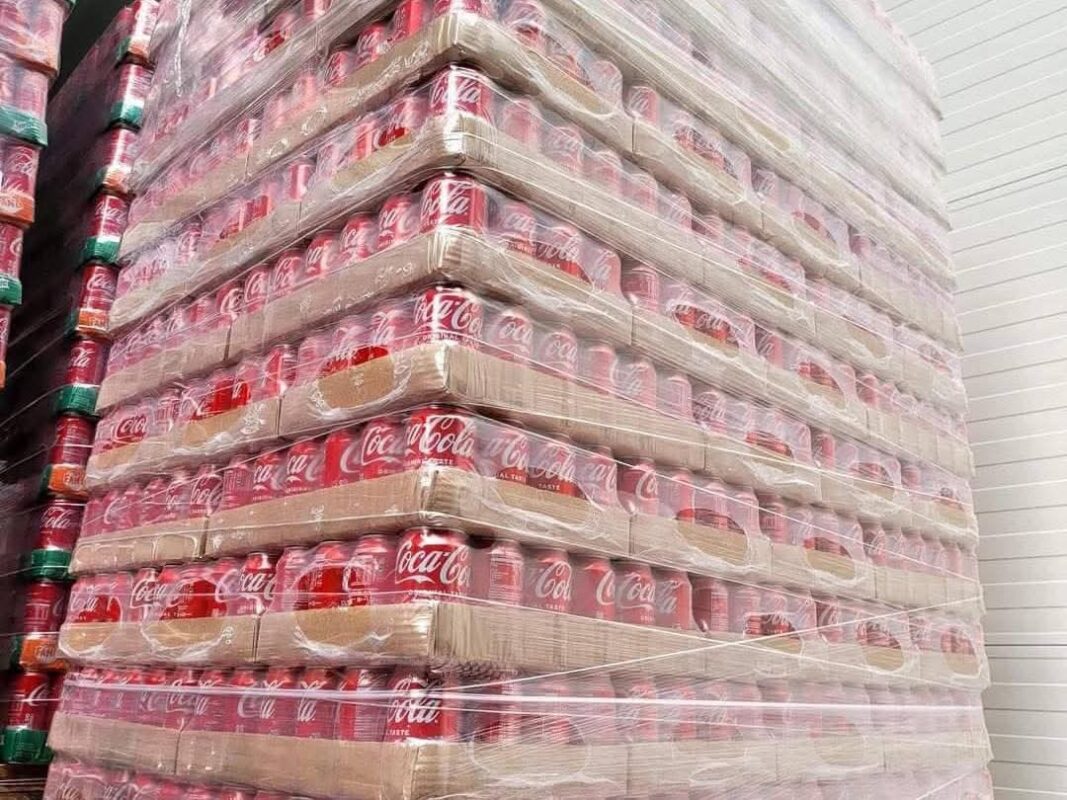
Available Coca-Cola Formats for Bulk Distribution
Southeast Asian markets consume Coca-Cola products across multiple format preferences. Understanding these formats allows distributors to structure container builds that match their specific channel requirements and customer demands. We coordinate sourcing across the primary formats that drive regional distribution success.
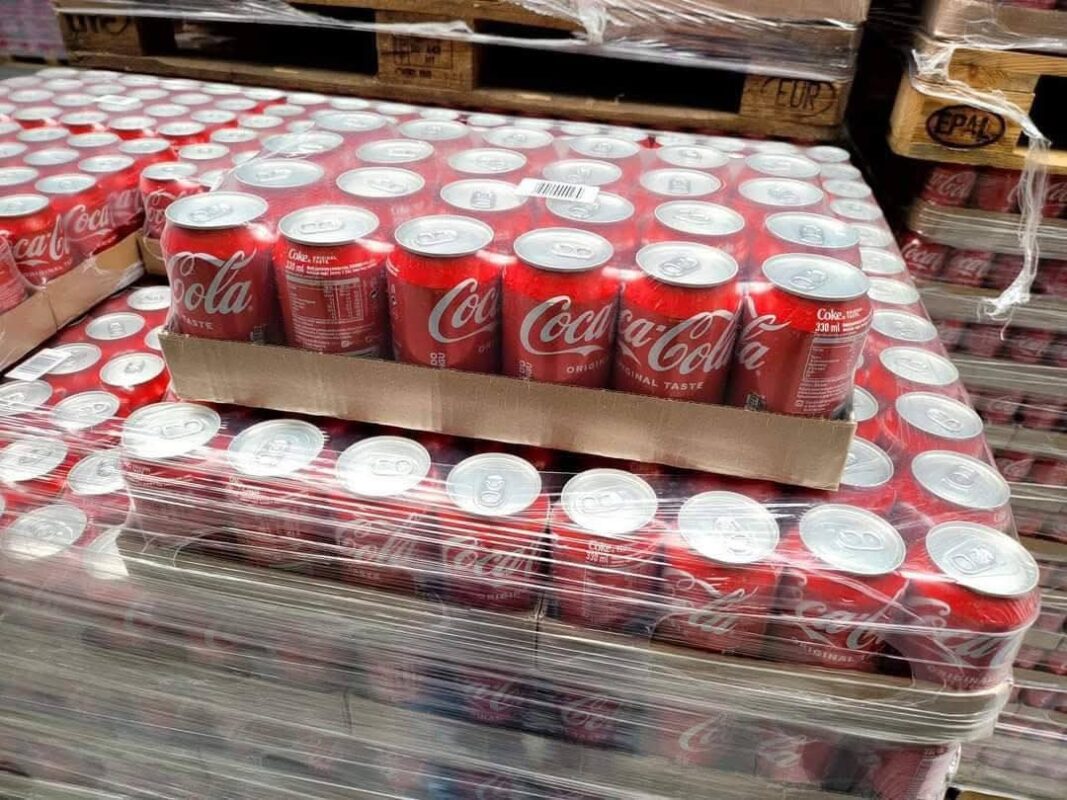
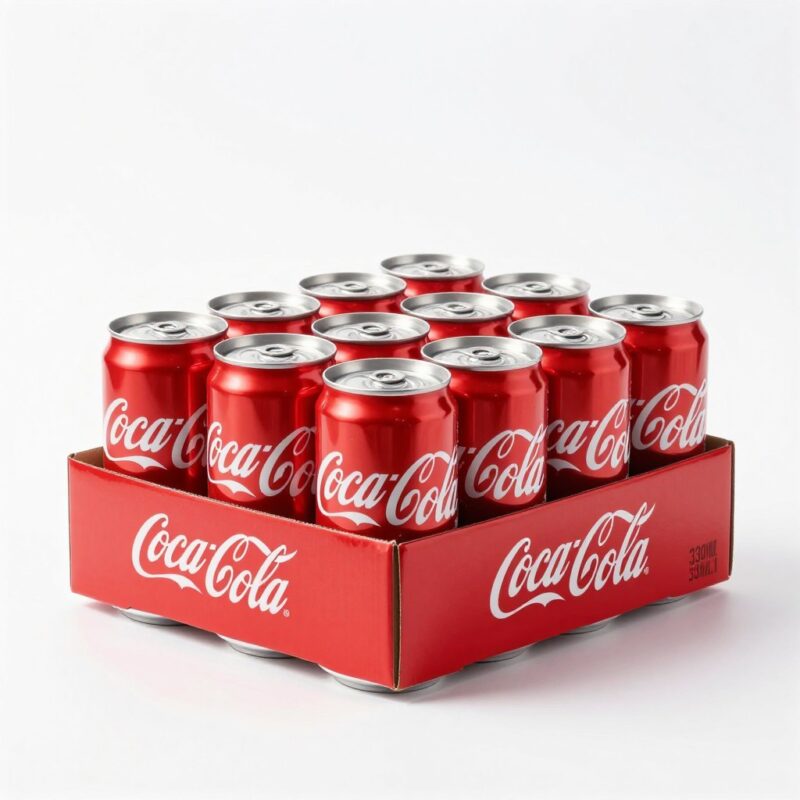
330ml Cans
Retail and vending core SKU serving convenience stores, supermarkets, and automated vending networks throughout the region.
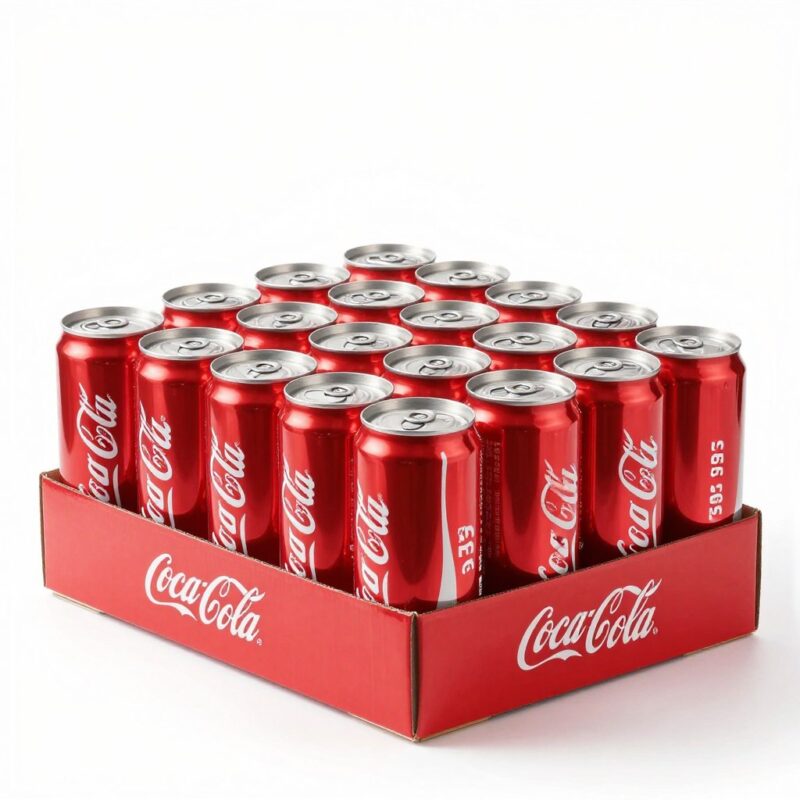
355ml Cans
International format demand popular in hospitality, food service, and bulk retail channels requiring standardized serving sizes.
500ml PET Bottles
Convenience and retail distribution staple offering single-serve portability across all channel types in urban markets.
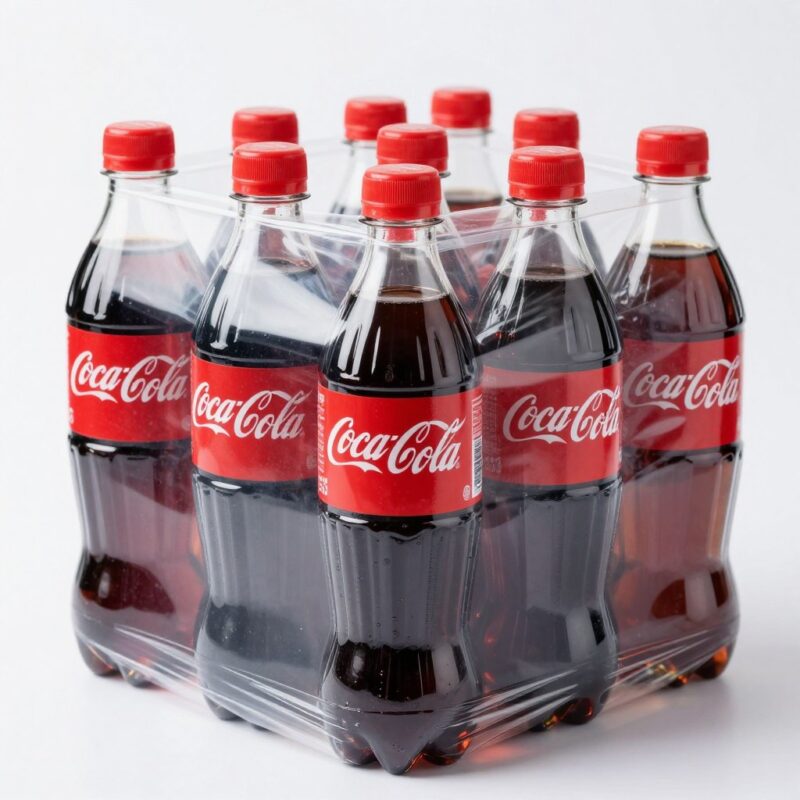
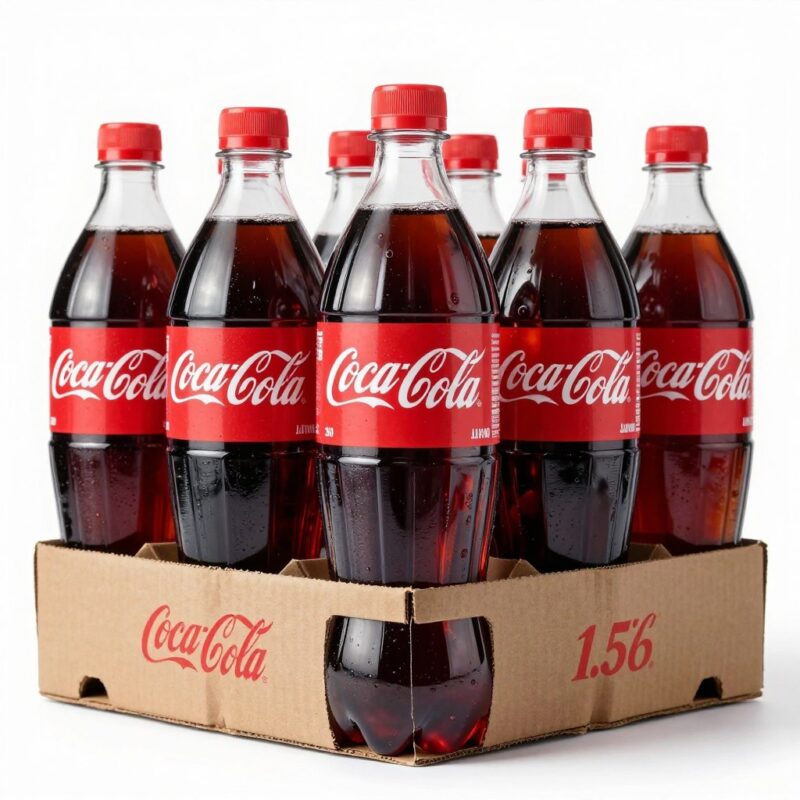
1.5L PET Bottles
Family and supermarket volume format driving household consumption and large-format retail sales across the region.
| Format | Primary Channel | Export Handling Note |
| 330ml cans | vending & retail | tray stacking integrity maintained through compression-tested cartons |
| 355ml cans | bulk retail | SKU layering organized for mixed-format pallet efficiency |
| 500ml PET | convenience stores | shrink wrap stability protects bottles during transit vibration |
| 1.5L PET | supermarkets | reinforced pallet stacking prevents base deformation under weight |
Mixed SKU Container Builds Structured by Pallet Layer
Professional distributors often require multiple formats within single containers. We coordinate mixed SKU builds organized by pallet layer, allowing efficient warehouse receiving and separate channel allocation without container unpacking complexity.
Ready to structure your container build? Share your preferred formats and estimated volume with our coordination team.
Packaging, Pallet and Container Discipline for Carbonated Beverages
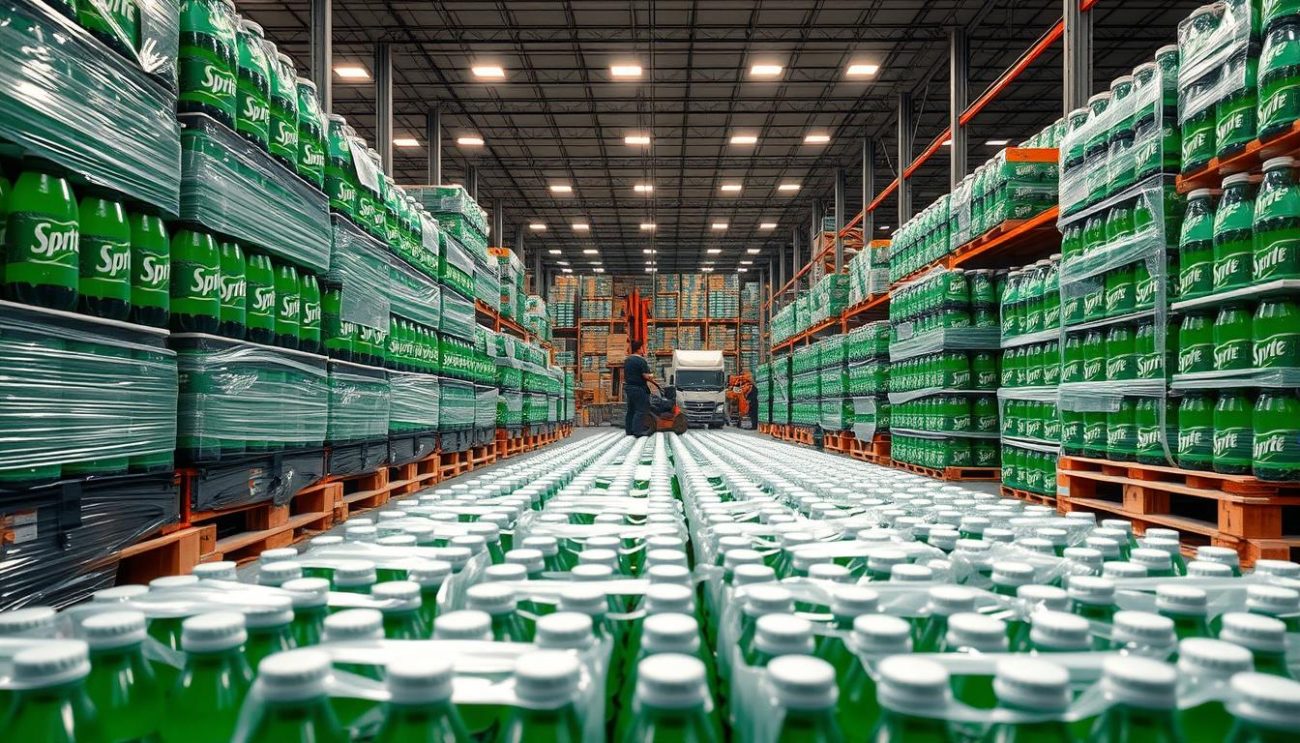
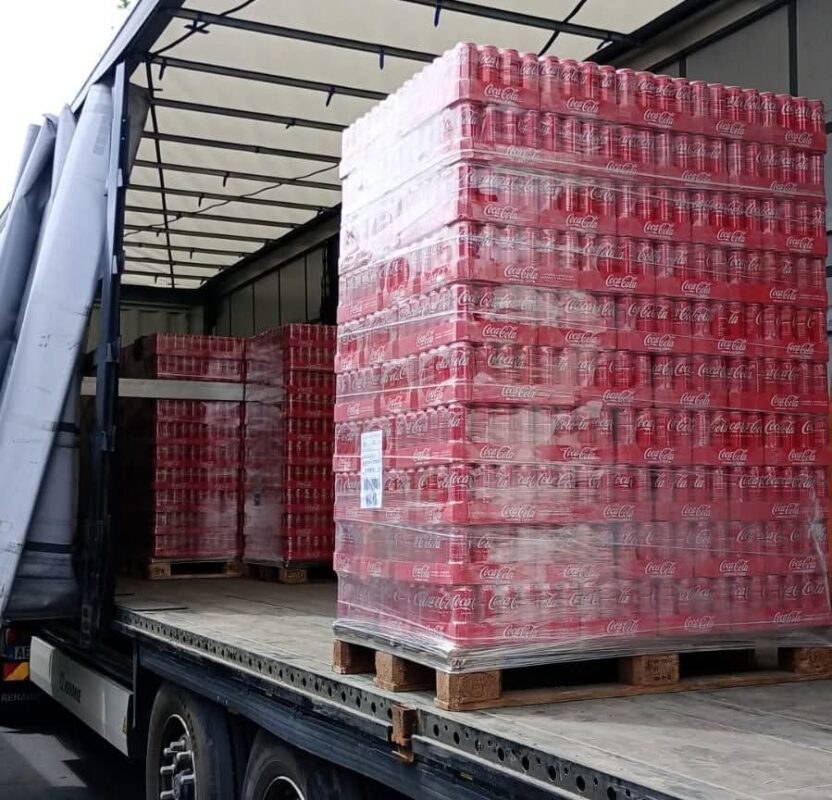
Carbonation-sensitive pallet stacking requires specialized attention to weight distribution and carton compression limits. Carbonated soft drinks contain internal pressure that can compromise packaging integrity if excessive weight bears down from upper pallet layers. Professional sourcing coordinates carton specifications designed to withstand standard pallet heights while protecting product quality throughout ocean freight transit.
Carton compression management involves calculating maximum safe stacking heights based on carton construction, product weight, and expected transit duration. Standard export pallets typically accommodate 5-7 layers depending on format and carton strength. We work with sourcing partners who understand these specifications and build pallets that arrive at destination ports with intact packaging and undamaged products.
Pallet height balancing and container load planning optimize space utilization while maintaining product safety. A 20-foot container accommodates approximately 10 standard pallets, while 40-foot containers hold around 20 pallets depending on configuration. Mixed-format loads require careful calculation to ensure weight distribution remains balanced and no single pallet exceeds safe compression limits. This planning occurs before container loading, preventing costly repacking or product damage during shipment.
Carton Integrity
Compression-tested packaging maintains structure under full pallet weight
Pallet Stability
Proper shrink-wrapping and corner protection prevents shifting during transit
SKU Organization
Clear labeling and layer separation enables efficient warehouse sorting
Container Optimization
Strategic pallet placement maximizes cube utilization without compromising safety
Export Documentation
Complete commercial invoices, packing lists, and certificates accompany shipments
Volume Coordination
Batch tracking and production date organization supports inventory rotation planning
From Confirmed Order to Regional Dispatch
Professional wholesale coordination follows a structured sequence that protects both buyer and sourcing partner interests. This workflow ensures clear communication, realistic timelines, and complete documentation supporting smooth customs clearance and delivery. We facilitate this process as Vienna-based coordinators connecting serious buyers with established sourcing networks.
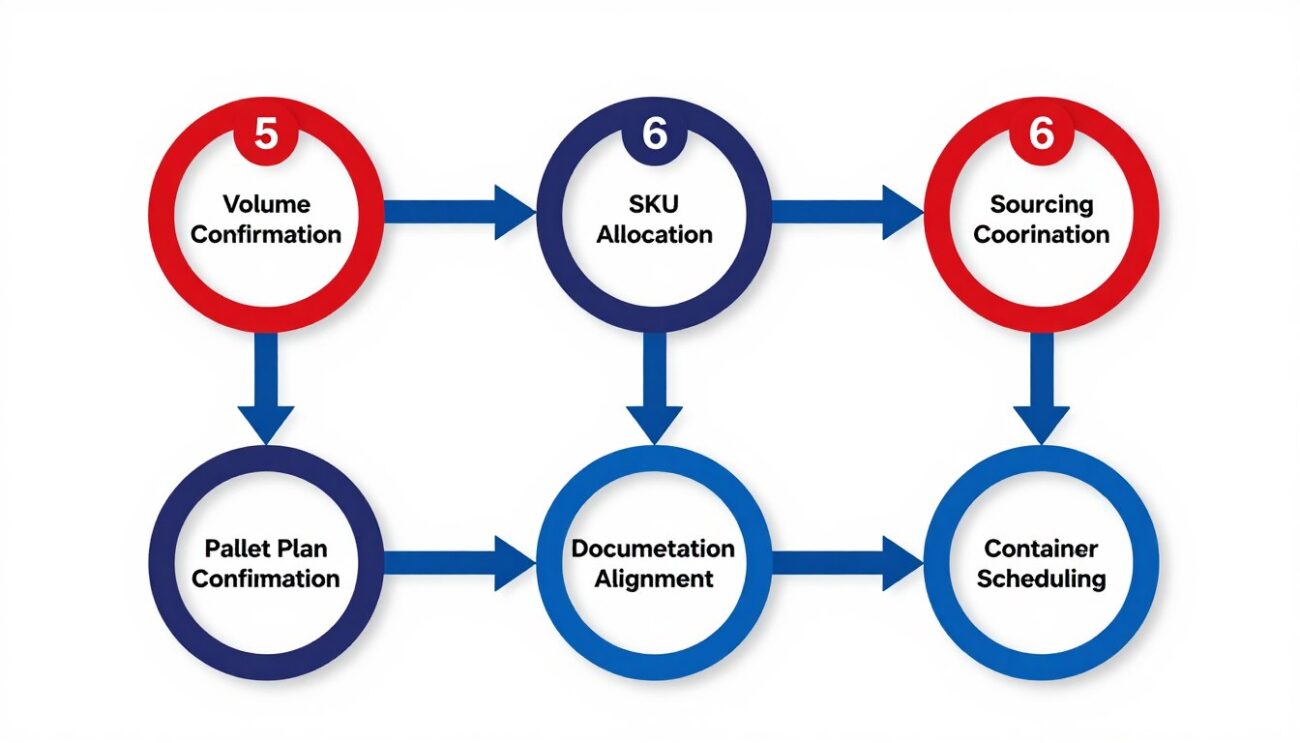
Volume Confirmation
Coordination begins when buyers specify their required container volume, preferred formats, and approximate shipment timeline. This information allows us to assess sourcing availability and provide realistic coordination timelines. We require this specificity because beverage wholesale operates on predictable production cycles and container booking schedules.
SKU Allocation
Once volume parameters are established, we work with buyers to finalize exact SKU requirements. This includes confirming can versus bottle preferences, specific size formats, and any mixed-format container needs. Clear SKU allocation prevents misunderstandings and ensures sourcing partners prepare precisely what buyers require.
Sourcing Coordination
We coordinate with trusted manufacturing partners based on confirmed buyer specifications. Our role involves verifying production availability, batch freshness commitments, and export readiness timelines. This coordination phase typically requires 2-3 weeks depending on production schedules and current demand levels. Companies like The Coca-Cola Company maintain global manufacturing standards that our sourcing partners follow to ensure consistent quality across all shipments.
Pallet Plan Confirmation
Before container loading, we confirm detailed pallet plans showing exact carton counts, stacking configurations, and weight distributions. Buyers receive this documentation for their warehouse teams to prepare receiving processes. This advance planning eliminates surprises upon container arrival and enables efficient unloading schedules.
Documentation Alignment
Complete export documentation accompanies every shipment. We ensure commercial invoices match buyer specifications, packing lists detail exact contents by pallet, and all required certificates support customs clearance. Understanding Incoterms rules helps buyers select appropriate shipping terms that clarify responsibility transfers and cost allocation between parties.
Container Scheduling
Final coordination involves booking container space, arranging port transfers, and confirming shipping timelines. Buyers receive container numbers, vessel schedules, and estimated arrival dates well in advance of departure. This transparency allows proper cash flow planning and warehouse preparation. The global reach of brands like Coca-Cola ensures product recognition that drives consistent consumer demand, supporting reliable reorder cycles for wholesale operations.
This structured approach begins the moment buyers share their destination port, preferred formats, estimated volume, and desired shipment timeline. Discuss Your Distribution Requirements
Brand Recognition and Regional Rotation Stability
Coca-Cola brand strength in Southeast Asia retail and hospitality sectors provides wholesalers with demand predictability that supports sustainable distribution business models. Consumers actively request these products by name. Retail buyers stock these brands because customer recognition drives consistent sales velocity. This brand power translates directly into stable reorder patterns for distributors.
Predictable reorder cycles protect distributor cash flow by enabling accurate inventory forecasting and volume planning. When wholesalers know their retail customers will consistently reorder specific products, they can commit to container-level purchases with confidence. This predictability reduces the financial risk inherent in large-volume commitments and supports efficient working capital management.
Wholesale planning efficiency improves when distributors work with brands that maintain consistent consumer demand. Marketing investments by major beverage companies create pull-through demand that benefits every distribution tier. Wholesalers serving markets with similar operations—whether coordinating Coca-Cola wholesale USA networks, facilitating Coca-Cola wholesale Singapore supply, managing Coca-Cola wholesale Malaysia distribution, or structuring Chilean market supply—face similar advantages from brand recognition. Regional operations across Central American wholesale channels demonstrate how brand strength creates favorable conditions for container-level coordination across diverse markets.
Structure Long-Term Supply Partnerships
We coordinate sourcing designed to support consistent reorder cycles that protect your distribution business model. Share your estimated monthly volume, preferred formats, and regional coverage to begin partnership discussions.
Payment Structure for Container-Level Coordination
Standard payment terms for wholesale coordination involve a 50% advance upon order confirmation and 50% balance against Bill of Lading or structured agreement based on established buyer-seller relationships. This approach protects both parties by demonstrating buyer commitment while ensuring sellers receive full payment before goods transfer to buyer control.
We facilitate transparent financial arrangements that support professional wholesale relationships. Payment structures may adjust based on order volume, buyer credit history, and ongoing partnership development. All financial terms receive clear documentation before coordination begins.
Frequently Asked Questions About Coca-Cola Bulk Supply Coordination
Can cans and PET bottle formats be mixed in one container?
Yes, mixed-format containers are common in professional distribution. We coordinate builds organized by pallet layer, with cans on lower layers and lighter PET bottles on upper layers. This organization maintains proper weight distribution while allowing buyers to allocate different formats to separate sales channels upon container arrival. Each pallet receives clear labeling indicating format and carton counts.
Is pallet stacking optimized for container efficiency?
Container optimization balances cube utilization with product safety requirements. Standard 40-foot containers accommodate approximately 20 pallets when products stack to appropriate heights without exceeding carton compression limits. We coordinate pallet plans that maximize container space while ensuring products arrive undamaged. This planning occurs before loading and receives buyer confirmation through detailed packing lists.
How is carbonation protected during ocean freight shipment?
Carbonation protection involves multiple factors including proper pallet stacking to prevent carton compression, climate-controlled container options for extreme route conditions, and reasonable transit duration planning. Sourcing partners use packaging specifically designed for export conditions. Ocean freight typically maintains stable enough temperatures to preserve carbonation integrity. We coordinate with shipping lines experienced in beverage cargo handling.
What documentation accompanies export dispatch?
Complete export documentation includes commercial invoices detailing exact products and values, packing lists showing carton counts by pallet and SKU, Bills of Lading serving as shipping receipts and ownership documents, and any required certificates of origin or health certificates depending on destination country requirements. Buyers receive all documentation electronically before container arrival, enabling advance customs clearance preparation.
How soon does coordination begin after order confirmation?
Coordination timelines depend on current production schedules and container availability. Standard coordination requires 3-5 weeks from order confirmation to container departure. This timeframe includes production coordination, quality verification, pallet building, documentation preparation, and container booking. Buyers receive regular updates throughout this process. Rush coordination may be possible for established buyers with flexible format requirements, though standard timelines ensure optimal sourcing conditions and cost efficiency.
Begin Your Southeast Asia Distribution Partnership
Professional beverage wholesale coordination requires experienced partners who understand container-level logistics, export documentation requirements, and regional distribution dynamics. We coordinate Coca-Cola bulk supply through established sourcing networks designed to meet the operational standards of serious distributors throughout Southeast Asia.
Our Vienna-based coordination team facilitates connections between qualified wholesale buyers and reliable manufacturing partners. We do not manufacture products ourselves. Our value lies in structuring sourcing arrangements that deliver consistent quality, proper documentation, and organized pallet configurations supporting efficient distribution operations.
Ready to Structure Your Container Supply?
Share your distribution requirements with our coordination team. We invite wholesale buyers to provide:
- Preferred product formats (cans, PET bottles, or mixed configurations)
- Estimated pallet or container volume requirements
- Destination port and customs handling arrangements
- Desired shipment timeline and delivery scheduling
This information enables our team to assess coordination feasibility and provide realistic timelines for your Southeast Asia distribution network.
Zeki Frucht GmbH – Vienna, Austria – Professional wholesale coordination for established distributors
We coordinate sourcing for distributors who understand container-level trading and possess the infrastructure to handle pallet shipments efficiently. Our partnerships focus on supporting sustainable wholesale business models through reliable supply coordination and transparent operational processes.