

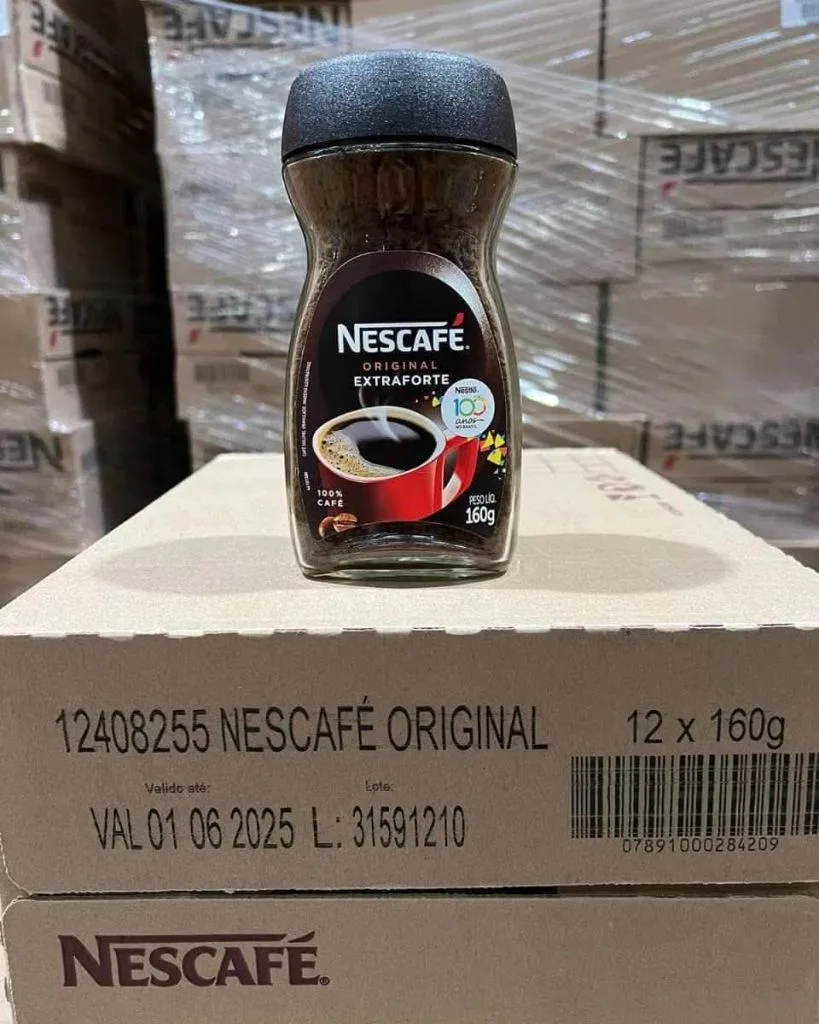
Procuring NESCAFÉ wholesale Saudi Arabia inventory requires distinguishing between retail consumer presentations, outer shipping cartons, and Saudi regulatory requirements. We source branded soluble coffee lines against confirmed commercial purchase orders for Saudi Arabian distributors, wholesalers, and retail operators. Sourcing Classic, Gold, and 3-in-1 lines involves verifying net grammage, case configurations, and documentation before committing cargo.
International lines such as Spécial Filtre require separate verification because they are not standard Saudi retail stock. Importers must confirm specific product codes, label languages, and packaging specifications before requesting commercial pricing.
Which NESCAFÉ Products Should Saudi Wholesale Buyers Specify?
Wholesale coffee procurement succeeds when commercial purchase orders state the exact product family, container type, and verified grammage. Standardizing on precise product descriptions prevents mismatched inventory and documentation delays at customs clearance points.
For high-turnover grocery shelves, Saudi manufacturer documentation identifies NESCAFÉ Classic Instant Coffee 190 g. Commercial buyers should specify this exact jar presentation rather than assuming European 200 g jars can substitute without labeling review. Classic delivers a medium-dark roast instant coffee profile recognized across Saudi retail channels under the familiar red mug coffee branding.
For premium grocery and hospitality segments, manufacturer records specify NESCAFÉ Gold Dark Roast Signature 190 g. NESCAFÉ Gold represents an extensive product family with distinct regional formulations, meaning Gold, Gold Blend, and Gold Dark Roast Signature are separate SKUs with unique barcodes. Buyers seeking freeze-dried soluble coffee must state the explicit blend name and container weight on procurement schedules.
Single-serve convenience lines demand equal precision. Saudi manufacturer listings document NESCAFÉ 3-in-1 instant coffee mix sachets in 20 g portions, distributed in both 24-stick and 30-stick retail presentations. Sourcing teams must clarify whether an enquiry calls for the 24-count or 30-count retail pack, as these configurations represent different consumer packages and shipping carton densities.
NESCAFÉ Spécial Filtre remains a separate international range popular in European retail and foodservice. It is not a standard Saudi domestic stock item. Commercial requests for Spécial Filtre require SKU verification and a destination-specific regulatory check before ordering.
| Product Format | Documented Example | Buyer Verification Requirement |
| Classic Jar | 190 g Glass | Confirm domestic 190 g grammage rather than European 200 g packaging. |
| Gold Signature | 190 g Glass | Verify the specific blend name, barcode, and freeze-dried formulation. |
| 3-in-1 Sticks | 20 g Sachets | Clarify whether the retail bag contains 24 sticks or 30 sticks. |
| Spécial Filtre | International SKU | Review destination compliance because this line is not standard Saudi stock. |
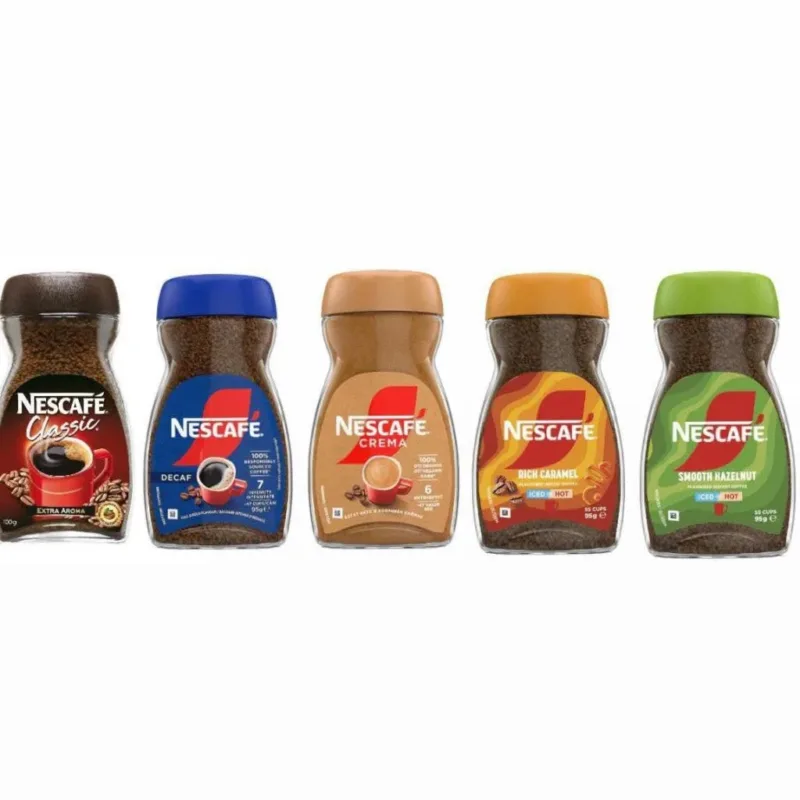
Wholesale buyers must specify exact container materials, closure styles, and net weights across soluble jars and composite mix sachets.
NESCAFÉ Brand Identity in the Middle East
Regional brand recognition plays a key role in product turnover across Middle Eastern consumer and commercial channels. Nestlé maintains an active marketing footprint in Saudi Arabia that reinforces consumer familiarity with NESCAFÉ products.
NESCAFÉ Arabia’s official brand campaign highlighting the regional identity of NESCAFÉ coffee.
This manufacturer campaign reflects regional brand marketing rather than an advertisement for Zeki Frucht GmbH. Understanding how the brand positions its lines helps procurement officers select formats that match prevailing consumer buying habits.
Buying NESCAFÉ for Saudi Arabia’s Retail and Foodservice Channels
Nestlé is an established participant in the Saudi Arabian coffee market, supported by extensive retail presence and professional foodservice distribution. Category research, including Euromonitor’s Coffee in Saudi Arabia report, identifies Nestlé’s leading position in 2025 across domestic coffee segments.
Supplying this market requires matching packaging formats to specific channel operations. Mass-market grocers require shelf-ready cases of jars with scannable consumer barcoding, whereas convenience stores generate substantial velocity from single-serve 3-in-1 sachets. Sourcing departments must evaluate how secondary packaging functions within each distribution channel.
Supermarket Lines
Requires rigid glass jars with intact tamper seals and scannable retail GTIN barcodes for automated point-of-sale checkout.
Convenience Retail
Prioritizes 24-stick and 30-stick 3-in-1 coffee mix packs that support impulse purchases and fast consumer turnover.
Commercial Catering
Demands robust outer carton packaging suitable for multi-unit workplace cafeterias, hotel amenity trays, and quick reconstitution.
Commercial coffee buyers should also review logistics handling for institutional distribution. Glass containers require secure secondary corrugation to prevent breakages during inland transit, while flexible sachet multipacks benefit from moisture-resistant master cartons.
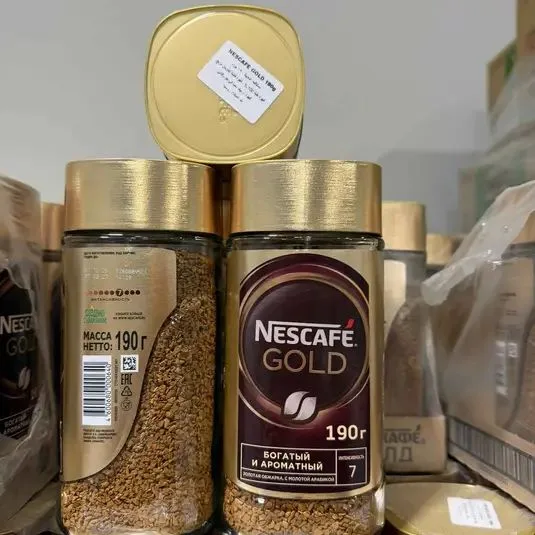
Packaging specifications must match the storage and handling requirements of each commercial distribution channel.
NESCAFÉ Case Quantities: What Saudi Buyers Must Verify
Procurement discrepancies often happen when buyers confuse retail consumer packs with wholesale shipping cartons. Clear purchase documentation separates individual consumer units from secondary master cartons and complete pallet assemblies.
In single-serve formats, manufacturer data documents 20 g sachets grouped into consumer packs of 24 or 30 sticks. Calculating the net coffee mix shows that a 24-stick presentation contains 480 g net product, while a 30-stick pack holds 600 g net product. These figures represent the contents of a single consumer retail bag, not a master shipping carton.
Wholesale buyers should never refer to a 24-stick retail bag as a shipping case. Master cartons contain multiple retail bags, and packing specifications fluctuate across production runs. Sourcing teams must request formal packaging data to establish actual case counts before booking container space.
| Format | Individual Pack | Calculated Contents | Data Needed for a Quotation |
| Classic Jar | 190 g Net | 190 g soluble coffee | Units per carton, master GTIN, and pallet layer configuration. |
| Gold Signature | 190 g Net | 190 g freeze-dried | Exact blend sub-line, outer carton count, and gross case weight. |
| 3-in-1 Mix | 24 × 20 g | 480 g net mix | Retail bags per outer case, carton dimensions, and pallet totals. |
| 3-in-1 Mix | 30 × 20 g | 600 g net mix | Carton stacking pattern, gross weight, and batch shelf life. |
A confirmed commercial offer from a supplier must specify the retail GTIN, master carton GTIN, outer units per case, carton dimensions, cases per pallet tier, gross shipping weight, batch code, remaining shelf life, and original label market. Verifying these attributes helps purchasing teams calculate accurate freight costs and warehouse space allocations.
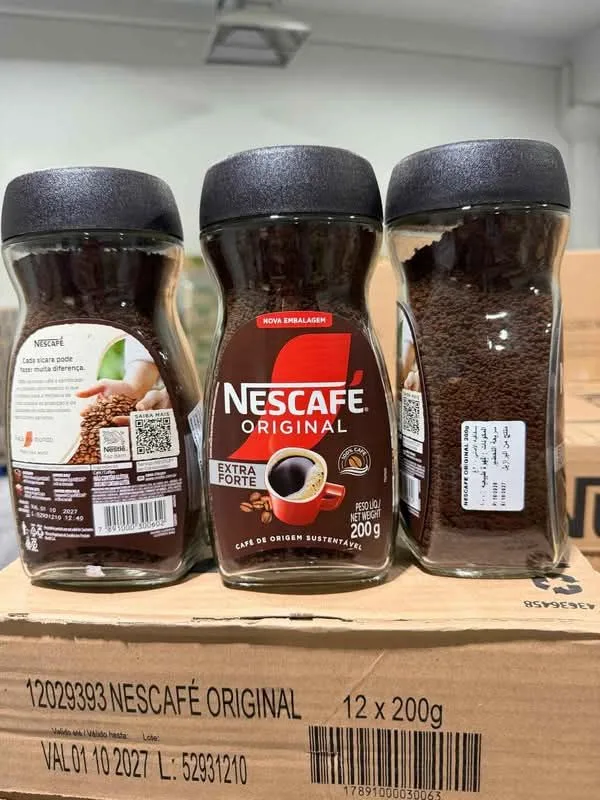
Commercial packing lists must state exact carton dimensions and units per outer case prior to dispatch.
NESCAFÉ Import Requirements in Saudi Arabia: Labels, Registration and Documents
Importing prepackaged food products into Saudi Arabia requires strict adherence to regulatory standards administered by the Saudi Food and Drug Authority (SFDA). Compliance verification must happen before orders ship from the source warehouse.
Official SFDA guidance stipulates that prepackaged food labeling must appear in Arabic. Other languages may appear alongside Arabic provided the translated information remains consistent with the primary text. Sourcing teams cannot assume an English-only European retail pack can enter Saudi commercial distribution without prior regulatory approval or compliant over-labeling.
Furthermore, Saudi food-clearance conditions mandate that the importing commercial establishment and the specific food products be registered within applicable SFDA systems prior to cargo arrival. Importers remain responsible for completing their corporate and product registrations. Zeki Frucht GmbH operates as an independent sourcing vendor and does not execute domestic SFDA registrations on behalf of buyers.
- Single-ingredient 100% pure soluble coffee.
- Requires standard net weight, shelf life, and origin declarations.
- Exempt from complex dairy and sweetener additive reviews.
- Storage instructions must specify dry, cool warehouse protection.
Plain Instant Coffee
- Multi-ingredient formulation with sugar, creamer, and coffee.
- Mandatory declaration of dairy derivatives and potential allergens.
- Detailed nutritional panel required by relevant food standards.
- Ingredient ratios must align with Saudi food additive regulations.
3-in-1 Coffee Mixes
Before confirming an order, Saudi procurement teams must examine the product description, net grammage, ingredient breakdown, allergen notices, production and expiry dates, manufacturer data, and origin details. Reviewing these components helps buyers clear customs smoothly without costly inspection delays.
How to Compare a NESCAFÉ Import Offer Before Shipment
Evaluating international B2B offers requires looking beyond unit pricing to review the commercial structure of the proposed shipment. Seasoned buyers examine the entire documentation chain to confirm product authenticity and shipment viability.
A complete commercial offer distinguishes between the brand owner, manufacturing country, supplying vendor location, and physical dispatch port. For example, a European dispatch point or barcode prefix does not prove that a specific manufacturing facility processed that coffee batch. Buyers should confirm the physical location of the cargo, the exact trade SKU, and the remaining shelf life before signing purchase agreements.
Transport packaging demands close inspection, particularly for shipments containing glass containers. Sourcing managers must review pallet wrapping methods, corner board reinforcement, and container load plans to reduce the risk of breakage during maritime transport. Delivery terms should follow established Incoterms, such as CIF to an agreed Saudi commercial port or CPT to an inland destination terminal.
Never rely on barcode country prefixes or front-panel languages to assume manufacturing origin. Request official commercial invoices, packing lists, and certificate documentation to verify product origin and batch traceability before cargo departs.
How NESCAFÉ Instant Coffee Is Manufactured
Soluble coffee manufacturing combines specialized industrial roasting, extraction, evaporation, and drying technologies. Understanding how instant coffee is produced clarifies why packaging integrity remains critical for preserving delicate aroma compounds.
Nestlé factory documentary showing industrial soluble coffee production and packaging operations in Orbe, Switzerland.
This historical factory documentary illustrates the industrial techniques used to create spray-dried and freeze-dried soluble coffee. The footage demonstrates production technology and does not imply that every NESCAFÉ product sourced for Saudi Arabia originates from this Swiss facility.
Request a NESCAFÉ Wholesale Sourcing Quote for Saudi Arabia
Zeki Frucht GmbH functions as an independent B2B sourcing partner, securing branded food and beverage consignments against confirmed commercial orders. We do not operate permanent standing stock. Each commercial request receives an individualized review based on real-time availability, volume requirements, and destination logistics.
When you submit a procurement request, our team checks current supply availability, packaging configurations, and export feasibility. When suitable inventory matches your parameters, we compile a unified commercial quotation covering your order specifications.
To help us prepare an accurate quotation, please provide the following procurement details:
- Company name and registered commercial purchasing contact.
- Specific NESCAFÉ product line and required variant (e.g., Classic, Gold Signature, 3-in-1).
- Packaging container format (glass jar, multi-serve bag, or composite sachet).
- Target net pack weight in grams.
- Required order volume expressed in master shipping cartons or full pallet counts.
- Destination city or named Saudi port of entry (such as Jeddah Islamic Port or King Abdulaziz Port in Dammam).
- Target label requirements and language permissions.
- Minimum acceptable remaining shelf life upon cargo arrival.
- Preferred Incoterm (e.g., CIF, CFR, or CPT) and target delivery window.
Submit Commercial Sourcing Parameters
Provide your target SKU identifiers, required case volumes, destination port details, and label requirements for our commercial desk.
Frequently Asked Questions About NESCAFÉ Wholesale in Saudi Arabia
What NESCAFÉ pack sizes should Saudi importers specify?
Saudi buyers should specify 190 g glass jars for NESCAFÉ Classic and NESCAFÉ Gold Dark Roast Signature. For 3-in-1 lines, buyers should specify 20 g sachets packed in either 24-stick or 30-stick retail presentations. Sourcing documentation must confirm the precise grammage and container format to match target market channels.
What is the difference between a 24-stick and a 30-stick NESCAFÉ 3-in-1 pack?
A 24-stick pack contains 24 individual 20 g sachets totaling 480 g net coffee mix, whereas a 30-stick pack holds 30 sachets equaling 600 g net product. These figures represent the consumer retail package contents rather than wholesale shipping case quantities. Both formats represent separate retail SKUs with distinct master carton dimensions.
Can European NESCAFÉ packaging be imported directly for Saudi retail distribution?
European packaging cannot enter standard Saudi retail distribution without meeting SFDA mandatory Arabic labeling requirements. Prepackaged food labels must display Arabic text covering product descriptions, ingredients, allergens, dates, and importer details. Products lacking compliant packaging require authorized over-labeling or registered domestic clearance.
How are NESCAFÉ carton and pallet quantities confirmed?
Carton and pallet specifications are confirmed through an official manufacturer packing list or supplier technical data sheet for that specific production lot. Wholesale buyers must verify outer units per carton, tier counts per pallet, and gross shipping weight prior to dispatch. General trade estimates should not replace lot-specific packing documentation.
Can Zeki Frucht prepare a combined quotation for Classic, Gold and 3-in-1?
Yes, Zeki Frucht can compile a combined quotation covering Classic, Gold, and 3-in-1 products based on confirmed commercial availability. Buyers must submit exact grammages, case quantities, destination delivery terms, and labeling specifications for each line. Each item will be itemized according to confirmed supply conditions.
Securing Commercial NESCAFÉ Shipments for Saudi Arabia
Procuring commercial coffee shipments requires matching exact product grammages, packaging configurations, and SFDA labeling rules before placing purchase orders. Aligning verified case hierarchies and remaining shelf life requirements supports predictable supply chains across Saudi Arabia’s retail and commercial channels.