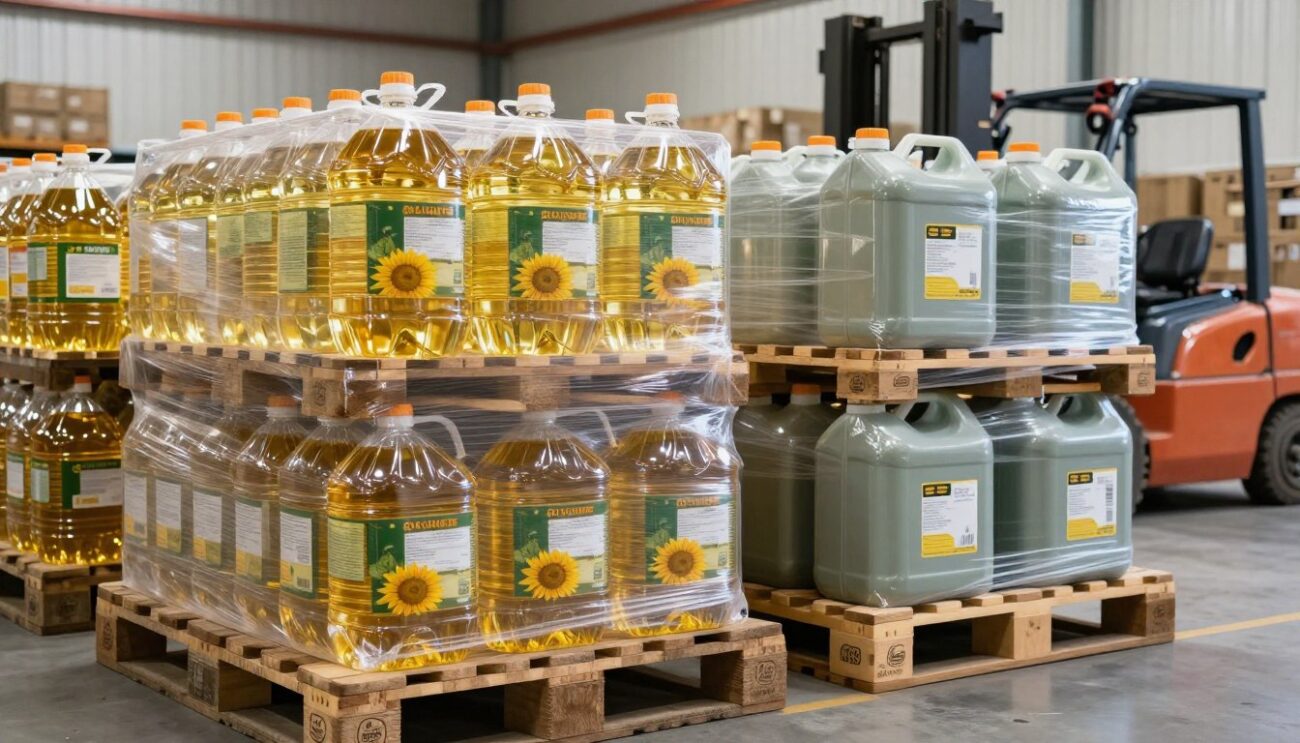

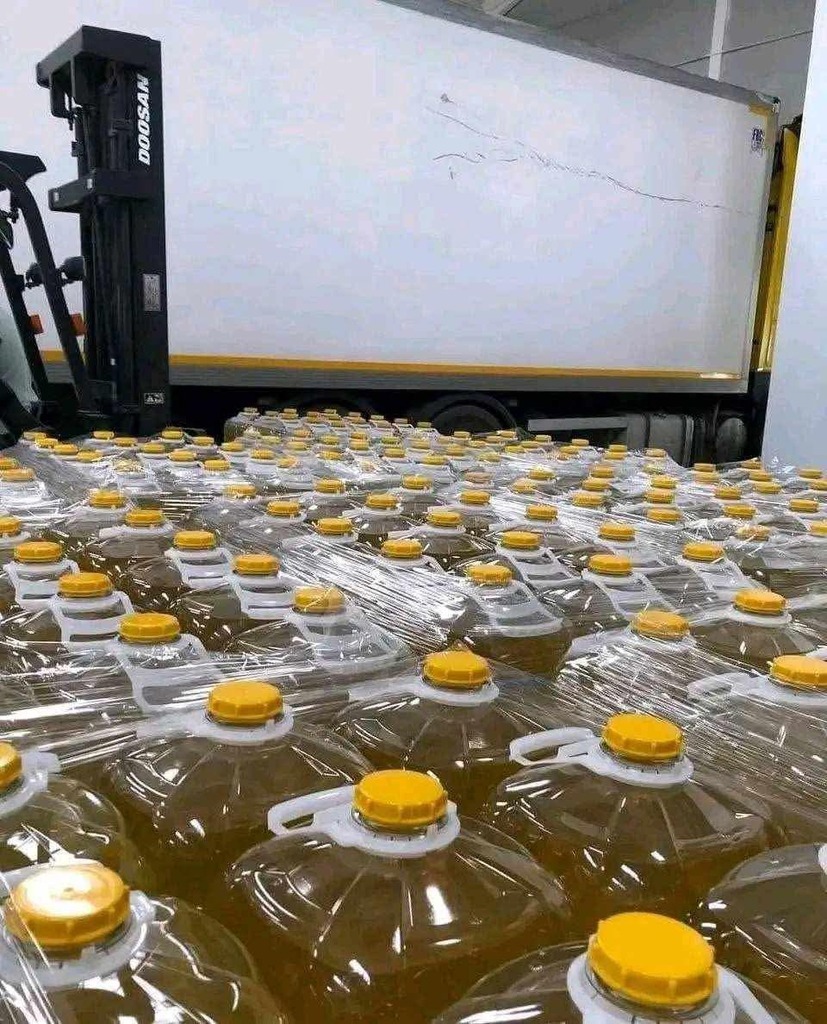
Premium refined sunflower oil coordination for importers, distributors, food processors and retail chains across Africa.
Africa’s expanding food manufacturing sector and retail markets create sustained demand for structured edible oil supply. Population growth across the continent drives consumption in households, hospitality establishments, and industrial food processing facilities. Reliable access to refined sunflower oil supports product consistency for manufacturers and stable inventory for distributors serving diverse market segments.
South Africa functions as a strategic logistics gateway for continental trade. The country’s developed port infrastructure, established customs frameworks, and regional trade connections position it as an effective entry point for bulk edible oil shipments. We coordinate refined sunflower oil supply through South Africa to support distribution networks across Africa, working with importers who manage container-level volumes for their commercial operations.
Disciplined sourcing matters for wholesale operations. We are Zeki Frucht GmbH, based in Vienna, Austria. We do not manufacture sunflower oil. We coordinate sourcing through established partners in Ukraine after receiving confirmed wholesale orders. This approach maintains batch freshness, supports export readiness, and aligns supply with actual market demand rather than speculative inventory accumulation.
Refining Standards and Quality Coordination
Refined sunflower oil production involves controlled processes that remove impurities and stabilize the product for commercial use. Processing includes degumming, neutralization, bleaching, and deodorization stages. These steps produce light yellow oil with neutral taste characteristics suitable for food processing applications, retail cooking use, and industrial food manufacturing.
Ukraine maintains significant sunflower seed production capacity and established refining infrastructure. We work with partners who operate facilities designed for export-grade refined sunflower oil production. Batch consistency stems from standardized refining parameters and quality verification before packaging. Container shipments meet food grade specifications required by international buyers and comply with export documentation standards.
Coordination begins after order confirmation. This sequence ensures fresh production batches aligned with buyer delivery timelines rather than warehouse-stored inventory of uncertain age. For distributors managing regular reorder schedules, this model supports predictable supply without requiring advance payment for speculative stock. Container planning integrates buyer format preferences, destination port requirements, and shipping schedule coordination.
High-Volume Food Markets Require Consistent Bulk Oil Coordination.
Africa Market Demand Drivers
Population expansion across Africa creates sustained growth in food consumption. Urban centers experience increased demand for processed foods, restaurant meals, and retail grocery products. All these sectors require reliable edible oil supply. Sunflower oil serves as a versatile cooking medium with neutral flavor profile and stable shelf life characteristics.
Food manufacturing facilities depend on consistent ingredient supply. Bakeries, snack producers, and prepared food manufacturers incorporate sunflower oil into product formulations. Supply interruptions create production delays and inventory challenges. Structured coordination with reliable sourcing partners helps manufacturers maintain production schedules and meet customer delivery commitments.
Hospitality and retail sectors show continued expansion. Hotels, restaurants, and catering operations use bulk cooking oil for daily meal preparation. Retail chains stock bottled vegetable oil for consumer purchase. Both channels benefit from stable wholesale supply that supports inventory planning and reduces procurement complications. The edible oil distributor Africa network facilitates movement from container shipments to regional warehouses and final delivery points.
Available Bulk Formats for Distribution
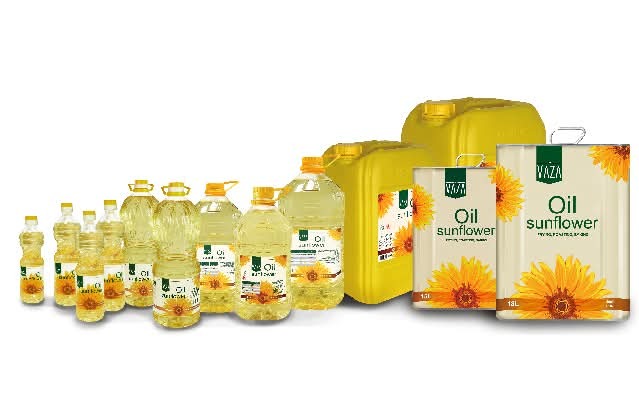
We coordinate refined sunflower oil in multiple packaging formats to accommodate different distribution channels and buyer requirements. Format selection impacts pallet configuration, container optimization, and final market delivery. Understanding format characteristics helps buyers plan efficient logistics and appropriate storage arrangements.
1 Liter Retail Bottle
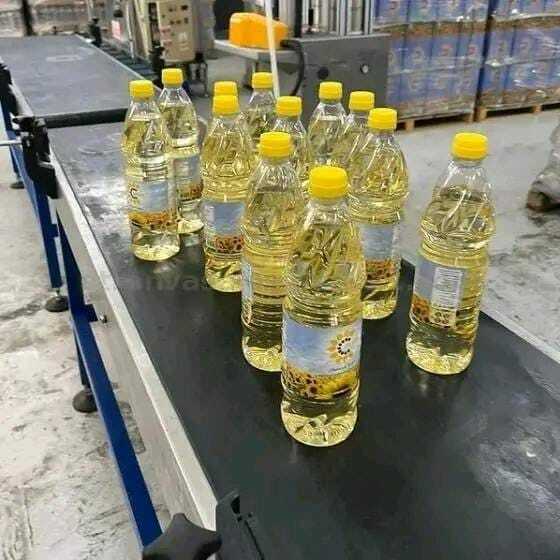
Consumer retail format designed for supermarket and grocery distribution. Packed in corrugated cartons with protective dividers for secure stacking during transport and warehouse storage.
Distribution Channel: Retail grocery chains, independent supermarkets, convenience stores.
Pallet Handling: Standard carton dimensions support efficient pallet layer building and container loading patterns.
5 Liter HORECA Format
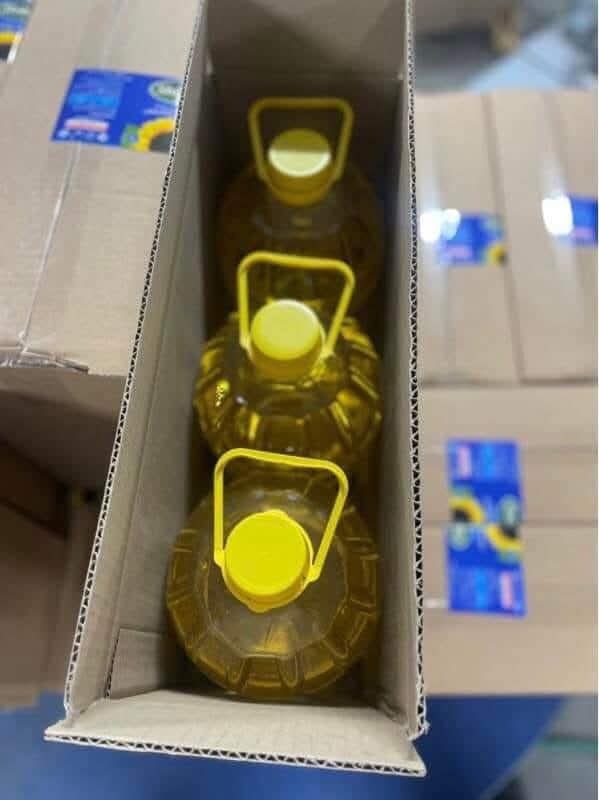
Mid-volume format serving hotels, restaurants, and catering operations. Handle design facilitates kitchen handling and portion control for commercial cooking applications.
Distribution Channel: HORECA distributors, food service suppliers, institutional kitchens.
Pallet Handling: Reinforced pallet layers accommodate container weight distribution for safe transport and warehouse stacking.
10 Liter Catering Container

Larger volume container for high-consumption catering facilities and medium-scale food processors. Balanced size offers volume efficiency while maintaining manageable handling weight.
Distribution Channel: Catering companies, institutional food service, small food manufacturers.
Pallet Handling: Mid-volume pallet configurations optimize container loading space while maintaining weight distribution standards.
20 Liter Industrial Use
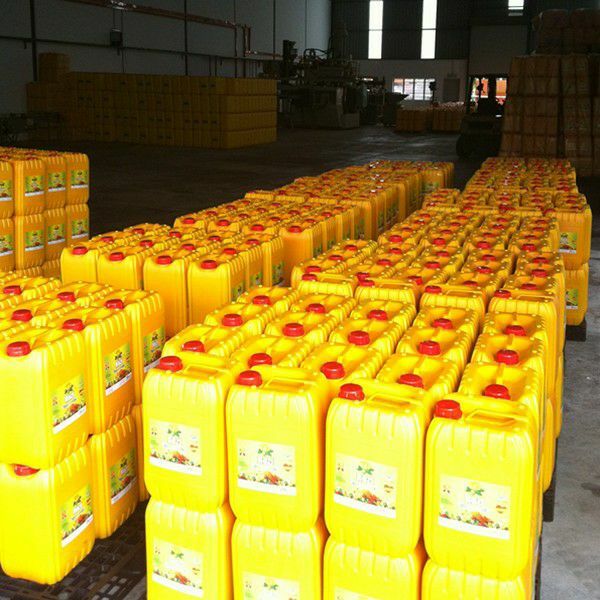
Maximum volume format designed for food processing industry and large-scale commercial operations. Container design prioritizes efficient storage, handling, and integration into production workflows.
Distribution Channel: Food manufacturers, industrial bakeries, large-scale processors.
Container Optimization: High container efficiency through maximized volume per unit and optimized pallet density for export shipment.
| Format | Primary Channel | Logistics Planning Note |
| 1 Liter Bottle | Retail Distribution | Carton stacking with layer pad separation for stability |
| 5 Liter Container | HORECA Supply | Reinforced pallet layers accommodate higher unit weight |
| 10 Liter Container | Catering Operations | Mid-volume pallet build balances quantity and handling |
| 20 Liter Container | Industrial Processing | Container efficiency optimization through maximum density configuration |
Container configurations can accommodate mixed formats based on distribution strategy. Buyers managing diverse channel requirements can structure shipments combining retail bottles with HORECA containers or industrial formats. Share your volume planning requirements to structure optimal pallet configurations that support your distribution model and destination market needs.
From Confirmed Order to Container Dispatch
Our coordination workflow follows a structured sequence designed to align supply with confirmed demand. This approach maintains product freshness and supports efficient export logistics. Each stage involves specific activities that prepare shipments for international transport and customs clearance.
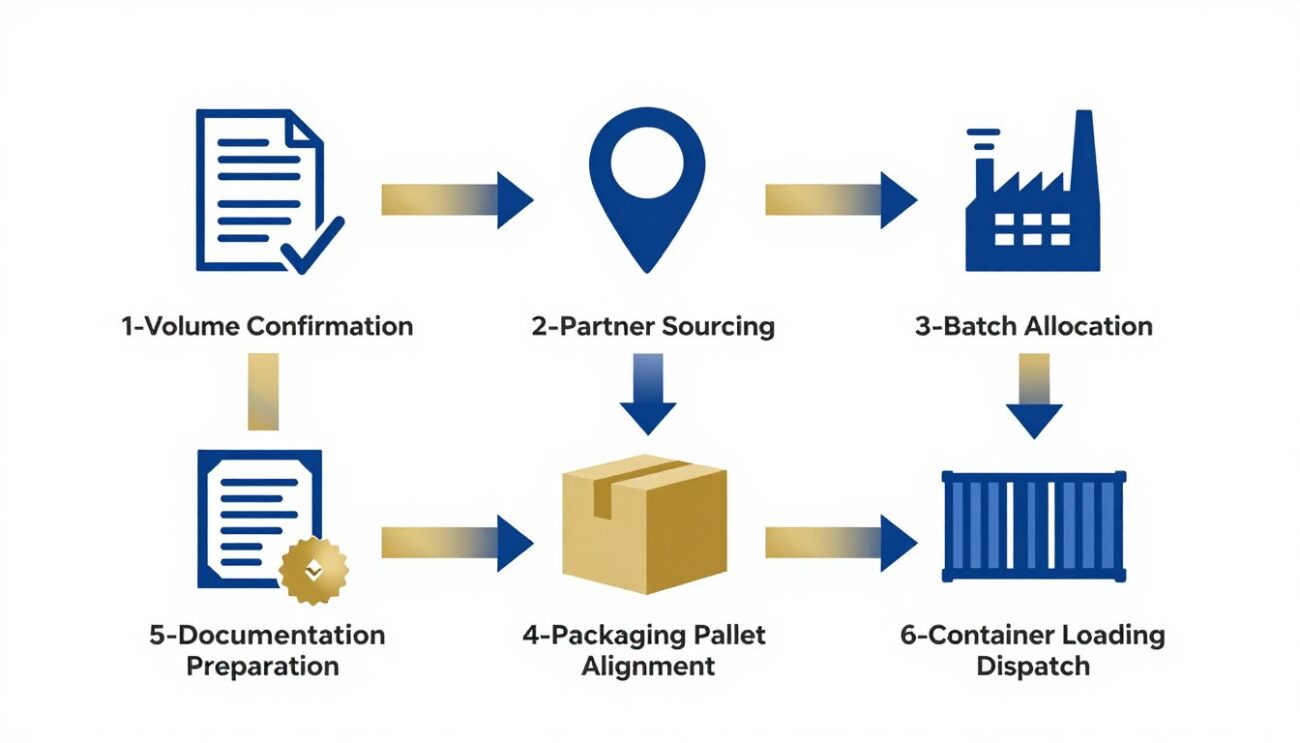
Volume Confirmation
Initial stage establishes order specifications. Buyers provide required format, estimated container quantity, destination port, and target timeline. We review technical requirements and confirm coordination capacity based on production partner schedules.
Partner Sourcing Coordination
After order confirmation, we engage our Ukraine-based refining partners. Sourcing occurs only after receiving confirmed wholesale commitments. This protects batch freshness and aligns production with actual export demand rather than speculative inventory accumulation.
Batch Allocation
Production partners allocate refined sunflower oil batches meeting export specifications. Quality parameters are verified through laboratory testing. Batch documentation establishes traceability for export compliance and buyer quality assurance requirements.
Packaging and Pallet Alignment
Refined oil moves to packaging facilities for format filling. Bottles and containers receive tamper-evident seals and commercial labeling. Products are arranged on export-grade pallets using configurations optimized for container loading efficiency and transport stability.
Documentation Preparation
Export documentation package includes commercial invoice, packing list, certificate of origin, quality certificate, and phytosanitary documents where required. We coordinate with customs brokers and freight forwarders to prepare documentation aligned with destination country import requirements and international trade standards defined by Incoterms rules.
Container Loading and Dispatch
Palletized products load into containers at origin port facilities. Container sealing follows international shipping protocols. Bill of Lading issuance triggers payment terms and establishes shipping responsibility transfer. Buyers receive container tracking information and estimated arrival schedules at destination port.
This workflow maintains transparency throughout the supply coordination process. Buyers understand timing expectations from order confirmation through container arrival. Sourcing after order confirmation ensures fresh production batches rather than unknown-age warehouse inventory. We coordinate with logistics partners to support efficient customs clearance and onward transport from destination port to buyer facilities or distribution warehouses.
Food Industry Applications and Market Stability

Refined sunflower oil maintains stable demand across multiple food industry sectors. Its neutral taste profile and high smoke point make it suitable for diverse cooking applications. Food manufacturers incorporate it into baked goods, snack products, sauces, and prepared meals. The cooking oil remains stable during frying operations and extended shelf storage periods.
Retail distribution channels show consistent turnover patterns. Consumers purchase bottled vegetable oil for home cooking use. Supermarket chains maintain ongoing inventory requirements supported by regular reorder cycles. This retail stability creates predictable demand for wholesale distributors who supply regional grocery networks across Africa markets.
Institutional procurement includes schools, hospitals, military facilities, and corporate cafeterias. These buyers require reliable supply for daily meal preparation serving large populations. Contract-based purchasing arrangements benefit from structured coordination with dependable sourcing partners who deliver consistent quality across repeated container shipments.
Reorder cycles vary by buyer volume and inventory management approach. Large distributors may schedule monthly or quarterly container shipments. Smaller importers coordinate shipments aligned with seasonal demand patterns or promotional campaigns. Bulk contract stability emerges when suppliers demonstrate consistent product quality, reliable delivery timing, and transparent communication throughout the coordination process.
We structure long-term supply relationships around confirmed volume commitments rather than spot market transactions. This approach supports buyer inventory planning and allows for production schedule optimization with our Ukraine partners. Wholesale buyers benefit from consistent batch quality and predictable logistics coordination when working with suppliers who prioritize partnership stability over short-term transaction volume.
Structure Your Africa Wholesale Supply
We coordinate refined sunflower oil supply from Ukraine production partners to support your distribution operations across Africa. Our approach begins with confirmed wholesale orders and structures logistics around your container volume requirements, format preferences, and destination port specifications. Connect with our team to discuss volume planning, packaging configurations, and documentation requirements for your import operations.
Continental Coordination and Regional Networks
Our wholesale coordination extends beyond South Africa to support distribution networks across Africa. We work with importers in East Africa, West Africa, and Southern Africa regions. Each market presents distinct logistics requirements, regulatory frameworks, and distribution channel characteristics. Understanding regional differences helps structure appropriate supply approaches for buyers operating in specific territories.
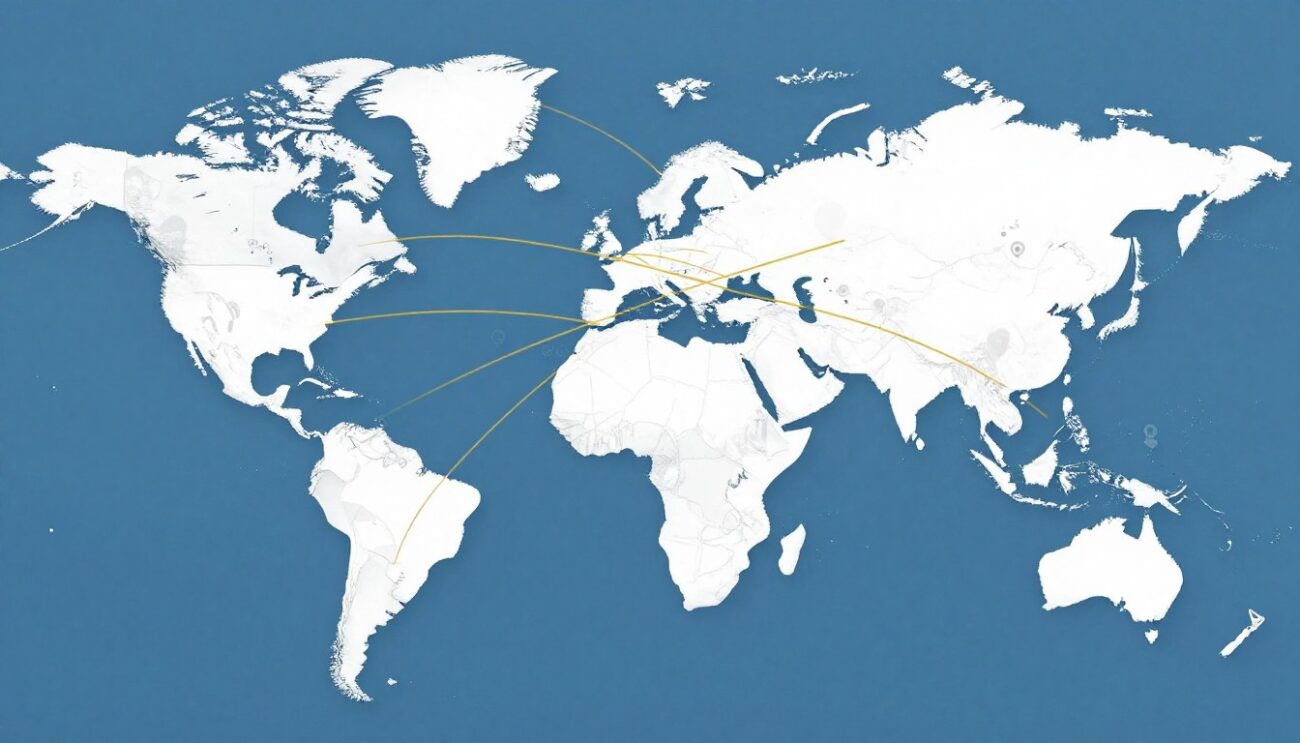
Port infrastructure varies across Africa coastal regions. South African ports offer developed container handling facilities and established customs processing systems. East African ports serve inland markets through regional trade corridors. West African facilities support distribution into francophone markets with distinct documentation requirements. We coordinate with freight forwarders experienced in specific regional logistics to support efficient import clearance and onward transport.
Beyond Africa, we coordinate sunflower oil supply to buyers in other regions requiring structured bulk import arrangements. Our Middle East wholesale operations serve Gulf markets and Levant distributors. In the Americas, we support importers across both continents, including specialized coordination for Brazilian wholesale buyers and Mexican distribution networks. Our USA import coordination addresses North American market requirements, while Asia-Pacific supply arrangements serve that region’s diverse food manufacturing sectors.
This international network provides buyers with coordinated access to refined sunflower oil supply regardless of destination market. We maintain consistent quality standards and documentation practices across all regional operations. Buyers expanding into multiple territories benefit from working with a single coordination partner familiar with diverse regulatory environments and logistics requirements. Contact our team to discuss how regional coordination capabilities align with your international distribution strategy and market expansion plans.
Commercial Terms and Payment Structure
We structure payment arrangements to balance supplier security with buyer cash flow management. Standard terms require fifty percent advance payment upon order confirmation. This advance initiates production coordination with Ukraine partners and secures batch allocation for the buyer’s shipment.
The remaining fifty percent becomes due against presentation of the Bill of Lading or through structured agreement terms negotiated for established business relationships. Bill of Lading documentation confirms container loading and initiates shipping responsibility transfer under agreed Incoterms. For buyers demonstrating consistent order patterns and reliable payment history, we discuss modified payment structures that support their procurement processes while maintaining appropriate commercial protections.
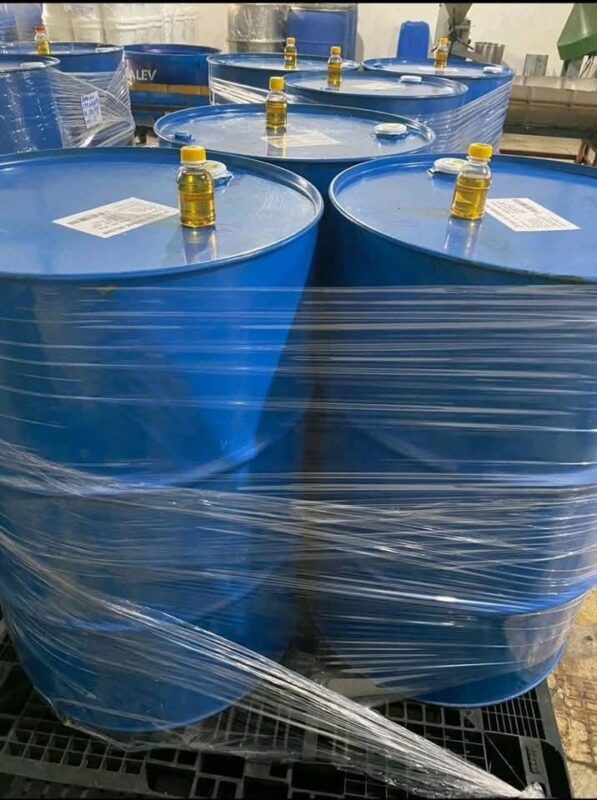
Pricing structures reflect current market conditions, crude oil prices, freight rates, and Ukraine production costs. We do not publish fixed pricing or minimum order quantities as these variables change with market dynamics. Buyers receive specific quotations based on their volume requirements, format selection, destination port, and delivery timeline. This approach ensures transparent pricing aligned with actual costs rather than outdated rate schedules that may not reflect current supply conditions.
Ukraine Sourcing and Production Partnership
Ukraine represents a major global source for sunflower seed production and refined oil output. The country’s agricultural sector produces significant sunflower seed volumes annually. Established refining infrastructure processes these seeds into export-grade refined sunflower oil meeting international food safety standards and quality specifications.
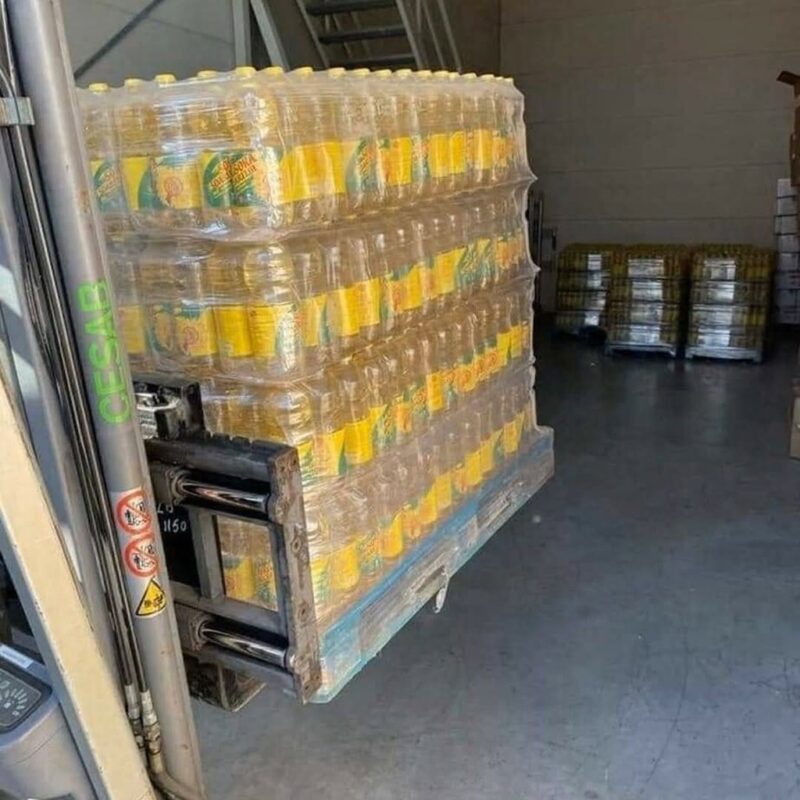
We coordinate with refining partners who maintain production facilities designed for bulk export operations. These facilities implement quality control protocols throughout refining stages. Laboratory testing verifies parameters including acidity levels, peroxide values, moisture content, and color specifications. Only batches meeting export standards proceed to packaging and container loading.
Our role involves coordination rather than manufacturing. Zeki Frucht GmbH does not own refining facilities or agricultural production operations. We function as a coordination bridge connecting wholesale buyers with established Ukraine production partners. This model allows us to focus on logistics optimization, documentation accuracy, and buyer communication while production partners concentrate on refining quality and batch consistency.
Sourcing transparency matters to professional buyers managing food safety responsibilities and supply chain audits. We provide complete traceability documentation including production facility identification, batch numbers, quality certificates, and origin documentation. Buyers receive clear information about product sourcing rather than vague claims about “European quality” or unspecified origin locations. This transparency supports buyer compliance with import regulations and internal procurement standards. For comprehensive information about Ukraine’s role in global vegetable oil markets, the Food and Agriculture Organization database provides production statistics and export data.
Batch Consistency and Product Specifications
Consistent product quality across repeated shipments supports buyer operations and end-customer satisfaction. We coordinate with production partners who maintain standardized refining parameters to produce uniform batches. Quality consistency begins with seed selection and continues through each refining stage until final packaging.
Physical Characteristics
Refined sunflower oil exhibits light yellow color with clarity free from suspended particles or sediment. Neutral odor and taste characteristics make it suitable for diverse culinary applications without imparting unwanted flavors to prepared foods. These sensory attributes result from proper bleaching and deodorization during refining.
Chemical Parameters
Laboratory analysis verifies chemical specifications for each batch. Acid value measurements confirm proper neutralization. Peroxide values indicate oxidation stability affecting shelf life. Moisture content remains below thresholds that could promote microbial growth or hydrolytic rancidity during storage and distribution.
Food Safety Compliance
Production facilities implement food safety management systems aligned with international standards. Processing environments maintain hygiene protocols preventing contamination. Final product testing screens for potential contaminants and verifies compliance with food safety regulations in destination markets.
Documentation Support
Each shipment includes quality certificates issued by accredited laboratories. Certificates detail test results for relevant parameters. This documentation supports buyer import clearance and provides evidence for downstream customers requiring supplier quality verification. We maintain batch record systems enabling traceability from production through container dispatch.

Buyers managing multiple container shipments over extended periods benefit from consistent product specifications. Manufacturing customers formulating products with specific oil characteristics require ingredient consistency to maintain end-product quality. Retail distributors need uniform appearance and performance across different production batches. Our coordination with established refining partners supports this consistency requirement through standardized production protocols and quality verification systems.
Container Logistics and Export Coordination
Container shipment logistics involve multiple coordinated activities from production facility to destination port. We work with freight forwarders experienced in food-grade cargo handling and Africa route expertise. Container selection, loading procedures, and shipping schedules all impact product arrival timing and condition.
Standard shipping containers accommodate palletized cargo configurations. Twenty-foot containers suit smaller shipment volumes while forty-foot containers maximize quantity for high-volume buyers. Pallet stacking patterns optimize container cube utilization while maintaining stability during ocean transport. We coordinate loading supervision ensuring proper weight distribution and securing procedures that prevent cargo shifting during vessel movement.
Shipping route selection considers vessel schedules, port call patterns, and transit duration. Direct vessel services offer faster delivery but may have limited departure frequency. Transshipment routes provide more scheduling flexibility but extend total transit time. We review route options with buyers considering urgency requirements balanced against freight cost implications and destination port handling capabilities.
Documentation accuracy prevents customs clearance delays at destination. We verify commercial invoice details match actual cargo and comply with import declaration requirements. Packing lists provide detailed container contents enabling customs inspection if required. Origin certificates establish product source for preferential tariff treatment where applicable under regional trade agreements. This documentation preparation occurs before container departure ensuring complete paperwork accompanies cargo arrival at destination port.
Buyer Planning Considerations
Successful wholesale import operations require advance planning addressing multiple operational factors. Buyers benefit from structured approaches to volume estimation, format selection, storage preparation, and distribution timeline coordination. We work with importers to address these planning elements before initiating container shipments.
Volume and Format Planning
Buyers estimate container volumes based on sales projections, inventory turnover rates, and storage capacity. Format selection aligns with target distribution channels. Retail-focused importers prioritize bottled formats while food service distributors emphasize larger containers. Mixed format shipments accommodate buyers serving multiple channel segments.
Storage facilities require appropriate capacity for pallet quantities. Climate-controlled warehouses protect product quality during inventory holding periods. Buyers coordinate warehouse readiness before container arrival to enable prompt unloading and storage positioning.
Import Compliance
Destination country regulations govern edible oil imports. Buyers verify import license requirements, applicable tariff rates, and food safety registration procedures. Some markets require pre-shipment inspection or specific label information. We provide guidance on typical documentation requirements but buyers maintain responsibility for understanding and meeting their specific market regulations.
Working with experienced customs brokers facilitates smooth clearance processes. Brokers familiar with food product imports navigate documentation review and physical inspection procedures if required by authorities. Advance preparation of compliant paperwork reduces clearance delays and associated demurrage charges.
Distribution timeline planning accounts for production lead time, shipping transit duration, customs clearance period, and inland transport to final warehouse or customer locations. We provide estimated timelines based on typical coordination sequences but buyers should build buffer periods into planning for unexpected delays in any stage. Advance communication about timeline expectations helps coordinate production scheduling with buyer inventory needs and customer delivery commitments.
Africa Edible Oil Market Developments
Understanding market trends helps buyers make informed planning decisions. Africa edible oil consumption shows growth patterns driven by population expansion and dietary changes. Urban populations increasingly purchase processed foods and restaurant meals requiring cooking oil. These consumption patterns create opportunities for distributors establishing reliable supply networks.
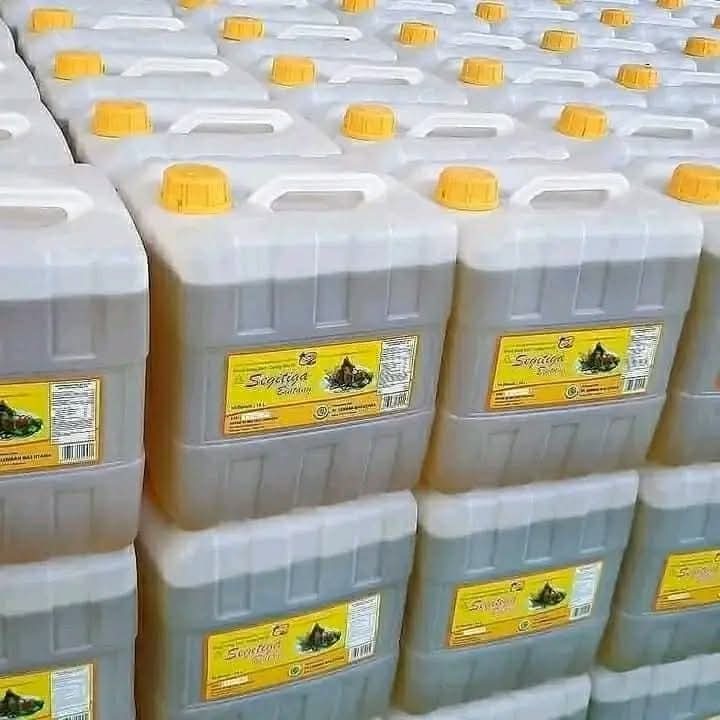
Local sunflower production exists in some Africa regions but does not meet total continental demand. Import dependence continues for most markets. South Africa maintains some domestic crushing capacity but also imports refined oil to supplement local production. East Africa and West Africa markets rely substantially on imports to supply their food industries and retail sectors.
Competitive dynamics include imports from multiple origin countries. Ukraine supplies significant volumes alongside Russia, Argentina, and European Union exporters. Price competition influences buyer sourcing decisions but quality consistency and supply reliability also factor into supplier selection. Buyers establishing long-term distribution operations often prioritize dependable suppliers over lowest-price spot market transactions.
Packaging preferences evolve with market development. Traditional bulk formats remain important for price-sensitive segments and food service channels. Branded retail bottles gain market share in urban areas with growing middle-class populations seeking quality assurance and convenience. Distributors managing diverse channel portfolios benefit from supply partners offering multiple format options supporting different market segments.
Wholesale Supply Coordination Questions
Can different packaging formats be mixed in one container shipment?
Yes, we coordinate mixed format containers accommodating buyer distribution strategies. Importers serving both retail and HORECA channels can combine one-liter bottles with five-liter and ten-liter containers in a single shipment. Pallet configurations organize different formats for efficient loading and warehouse handling at destination. We work with buyers to structure format combinations meeting their channel requirements while optimizing container space utilization and maintaining proper weight distribution.
How is batch consistency ensured across repeated container shipments?
Batch consistency results from standardized refining protocols maintained by our Ukraine production partners. Facilities implement documented procedures for each refining stage including degumming, neutralization, bleaching, and deodorization. Process parameters remain consistent across production runs to achieve uniform product specifications. Laboratory testing verifies each batch meets established quality standards before packaging. We maintain batch records enabling traceability and quality comparison across shipments. Buyers receive quality certificates documenting test results for each container shipment.
What documentation accompanies container shipments?
Standard export documentation includes commercial invoice detailing product description, quantity, unit price, and total value. Packing list specifies container contents by format, pallet count, and gross weight. Certificate of origin establishes Ukraine as product source. Quality certificate from accredited laboratory provides test results for relevant parameters. Bill of Lading serves as shipping document and title transfer instrument. Additional documents such as phytosanitary certificates or health certificates are prepared when required by destination country regulations. We coordinate complete documentation packages aligned with import compliance requirements.
How soon does coordination begin after order confirmation?
Coordination with Ukraine production partners initiates immediately following order confirmation and advance payment receipt. Production scheduling depends on current facility workload and batch sizes. Typical timeline from order confirmation to container departure ranges from four to six weeks, accounting for production, packaging, documentation preparation, and container loading. Buyers requiring specific delivery timing should communicate timeline requirements during initial discussions to coordinate production scheduling appropriately. We provide estimated timelines based on current conditions and maintain communication throughout the coordination process regarding production progress and shipping schedule.
Is pallet loading optimized for container space efficiency?
Yes, pallet configurations follow container optimization principles maximizing cargo quantity while maintaining stability and handling safety. We calculate pallet dimensions, layer patterns, and stacking heights to utilize available container cube efficiently. Twenty-foot and forty-foot containers have different internal dimensions requiring appropriate pallet configuration planning. Loading supervision ensures proper weight distribution preventing cargo shifting during transport. Buyers receive pallet count and total quantity information before shipment enabling warehouse space planning and inventory management preparation. Container loading photographs can be provided documenting proper cargo securing procedures.
Begin Wholesale Coordination
We coordinate structured sunflower oil supply for wholesale buyers operating distribution networks across Africa. Our Ukraine sourcing partnerships and logistics coordination support your import operations with consistent quality, complete documentation, and reliable delivery execution. Share your volume requirements, preferred packaging formats, destination port, and target timeline to begin planning your container shipment.
Partnership in Wholesale Edible Oil Supply
Successful wholesale operations depend on reliable supplier partnerships, transparent coordination, and consistent product delivery. We structure our sunflower oil supply coordination around these principles. Our approach prioritizes buyer needs through flexible format options, clear communication, and responsive problem-solving when logistics challenges emerge.
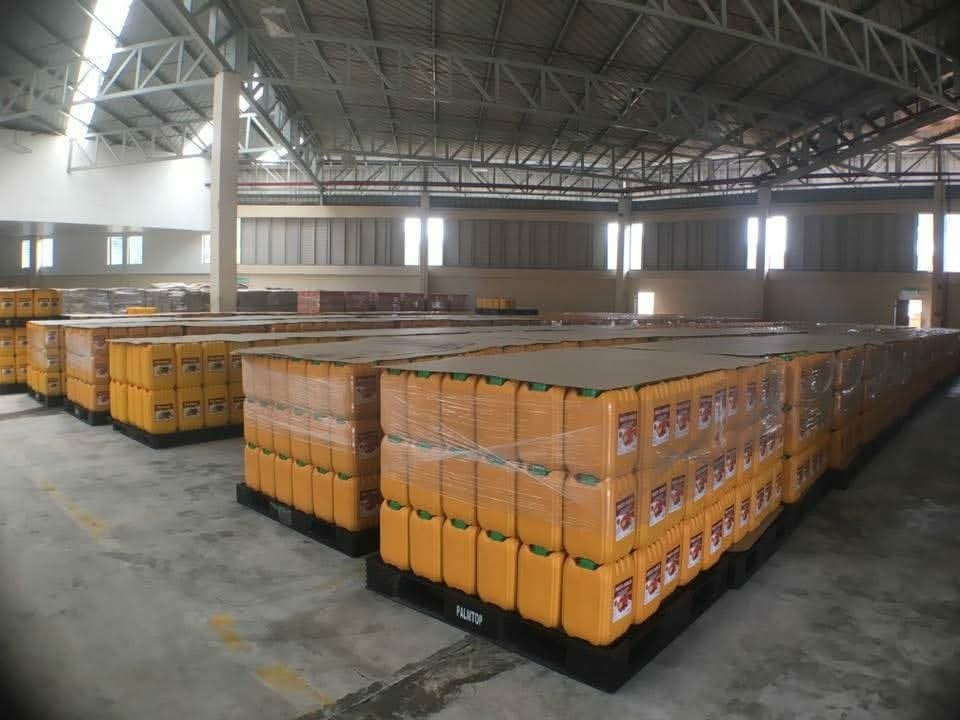
Zeki Frucht GmbH functions as your coordination partner connecting wholesale requirements with established Ukraine production capacity. We do not claim manufacturing capabilities or warehouse inventory ready for immediate shipment. Instead, we coordinate fresh production aligned with your confirmed orders, supporting quality assurance and export readiness through established partner relationships and structured logistics processes.
We coordinate structured sunflower oil supply for wholesale distribution across Africa markets. Contact us to discuss your container volume requirements, format preferences, destination port specifications, and delivery timeline. Our team reviews your needs and provides detailed quotations reflecting current market conditions and logistics costs. We support buyers building reliable import operations through transparent coordination and consistent execution across repeated shipments.