
Export-ready Pepsi coordination for distributors, hospitality groups, vending operators, and large-scale retail buyers across Australia and Oceania markets.
Australia represents a structured retail environment where beverage procurement operates through disciplined supply chains. We coordinate Pepsi bulk supply through established sourcing partnerships designed specifically for container-level distribution programs.
Zeki Frucht GmbH, based in Vienna, Austria, functions as a wholesale coordination partner for B2B buyers requiring systematic beverage sourcing. We do not manufacture Pepsi products. Our role centers on connecting verified wholesale orders with trusted production partners who maintain batch discipline and export readiness.
This coordination model ensures that sourcing begins only after order confirmation. The approach protects product freshness, maintains production batch integrity, and guarantees that every container meets export documentation standards required for Australian customs clearance and Oceania distribution networks.
Beverage production requires precise timing coordination between bottling schedules and container loading windows. Our sourcing partners operate facilities that maintain continuous production flow, allowing us to structure orders around customer shipping timelines rather than forcing buyers into pre-set batch schedules.
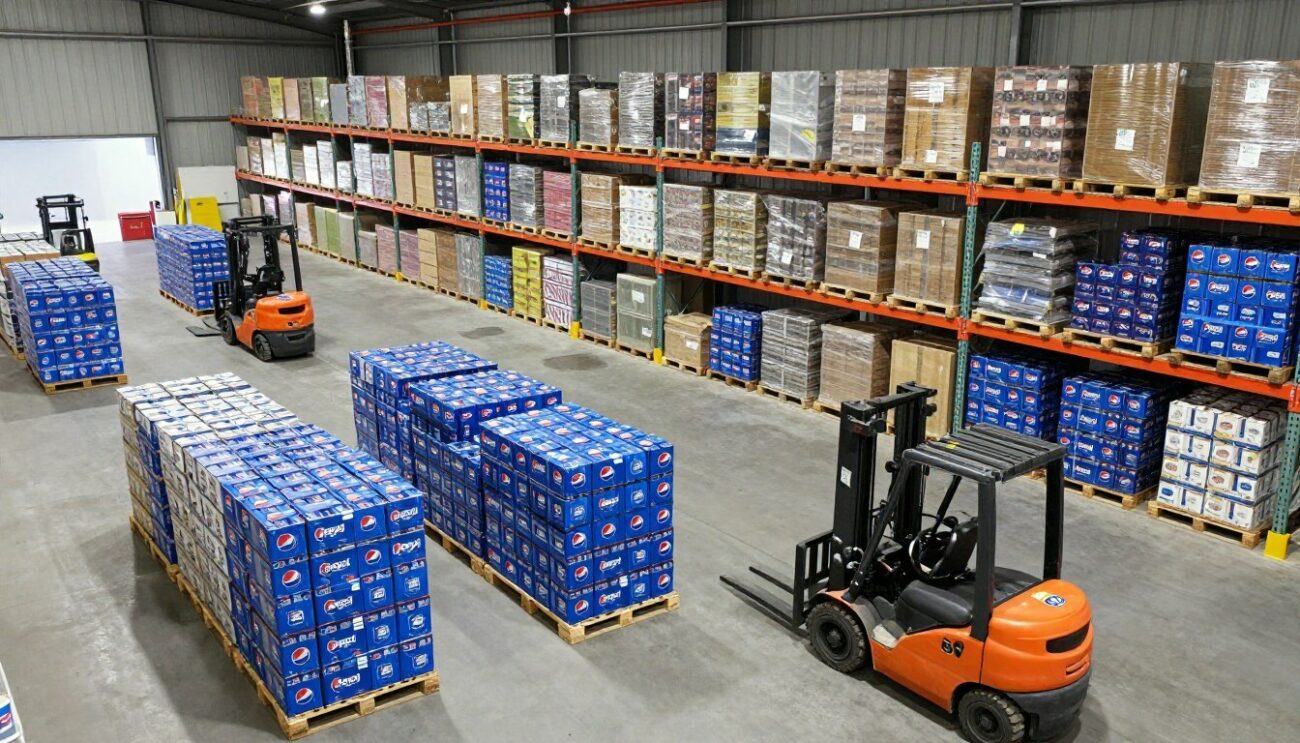
Pallet integrity begins at the production line. Each carton undergoes compression testing before layering onto export pallets. This systematic approach ensures that products arrive in Australia with the structural stability required for immediate redistribution into retail networks, hospitality supply chains, and vending machine replenishment programs.
Why Structured Beverage Supply Matters in High-Volume Retail Markets
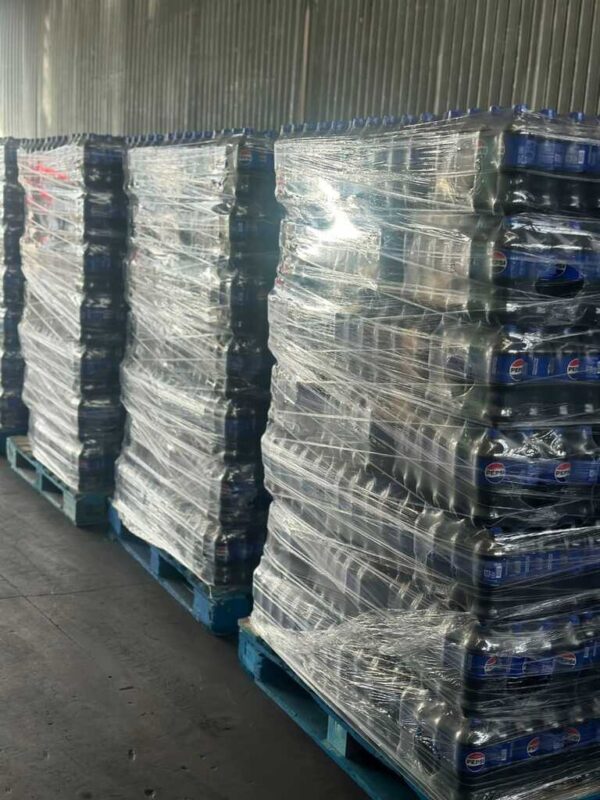
Australia’s retail beverage sector operates through concentrated distribution networks. Major retail chains maintain centralized warehousing that feeds hundreds of store locations. This structure demands suppliers who understand pallet-level logistics and container planning.
Soft drink wholesale operations require consistent product availability without storage burden. Large distributors prefer suppliers who can coordinate regular container shipments that match consumption patterns rather than forcing bulk inventory holding costs onto the buyer.
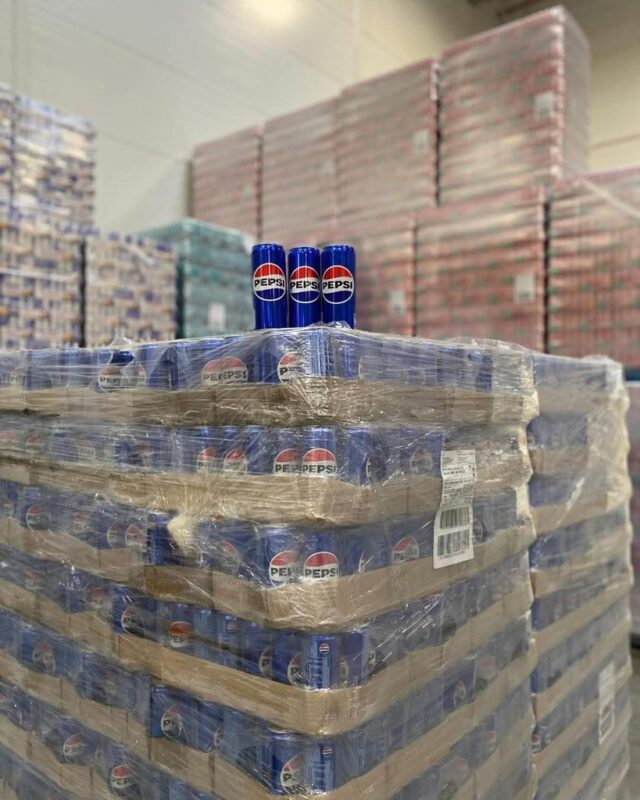
Vending operations present unique supply chain requirements. Vending machine networks need reliable can supply in specific formats. A pepsi wholesale supplier must structure mixed pallets that separate can formats from bottle formats to enable efficient machine restocking cycles.
Hospitality procurement follows different volume patterns than retail. Hotels, restaurants, and entertainment venues order in smaller container quantities but require faster rotation cycles. Coordinating these orders demands suppliers who maintain flexible sourcing relationships.
The carbonated beverages bulk supply chain depends on temperature-controlled handling from production through final delivery. Our coordination process includes specific instructions for container selection and handling protocols that protect product quality during ocean transport to Australian ports.
Pepsi Product Formats for Australian Distribution Networks
Understanding format requirements forms the foundation of successful bulk soda container shipment coordination. Each product configuration serves specific distribution channels and requires distinct pallet planning approaches.
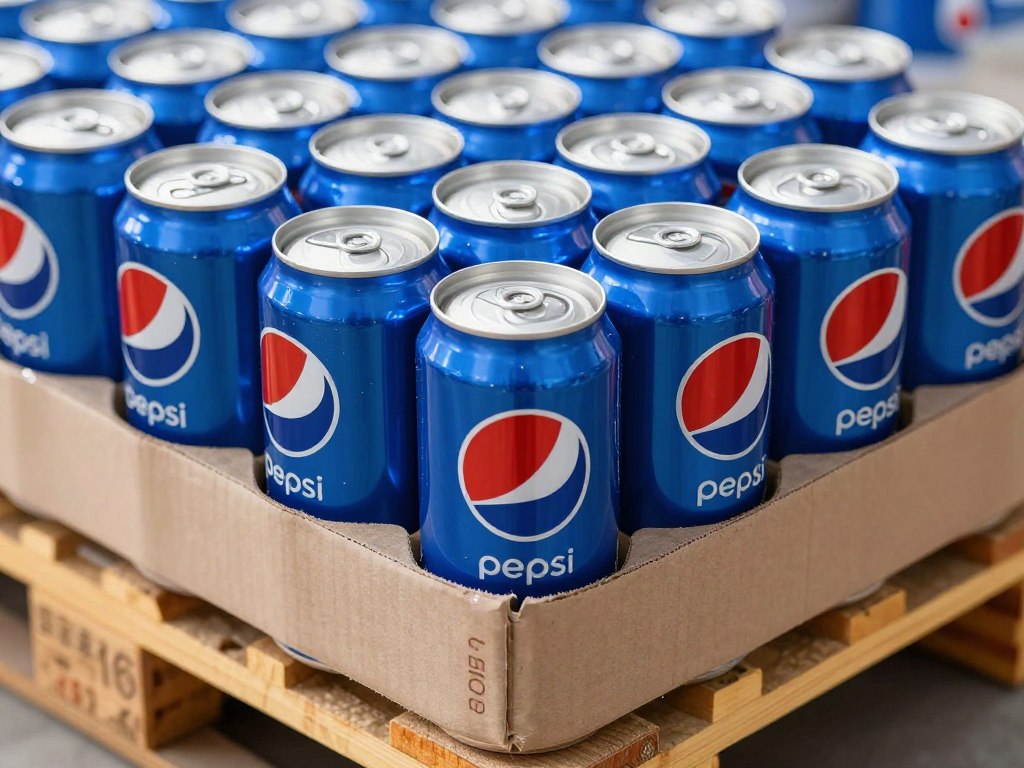
Standard Aluminum Cans
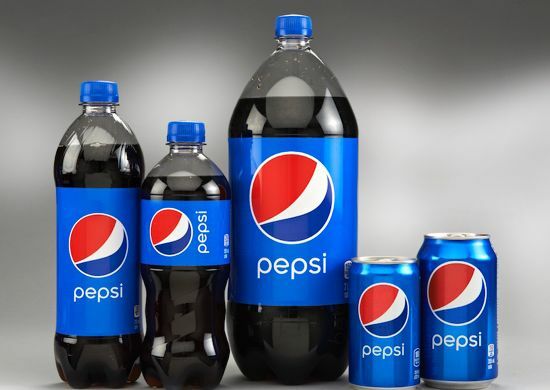
The 330ml can format serves retail chains and vending networks. These cans pack into trays that stack in stable layers, making them ideal for pepsi cans wholesale programs targeting convenience stores and automated vending operations.
Tray configuration allows for clean SKU separation when building mixed pallets. Distributors appreciate this format because it enables efficient inventory receiving and immediate shelf replenishment without repackaging labor.
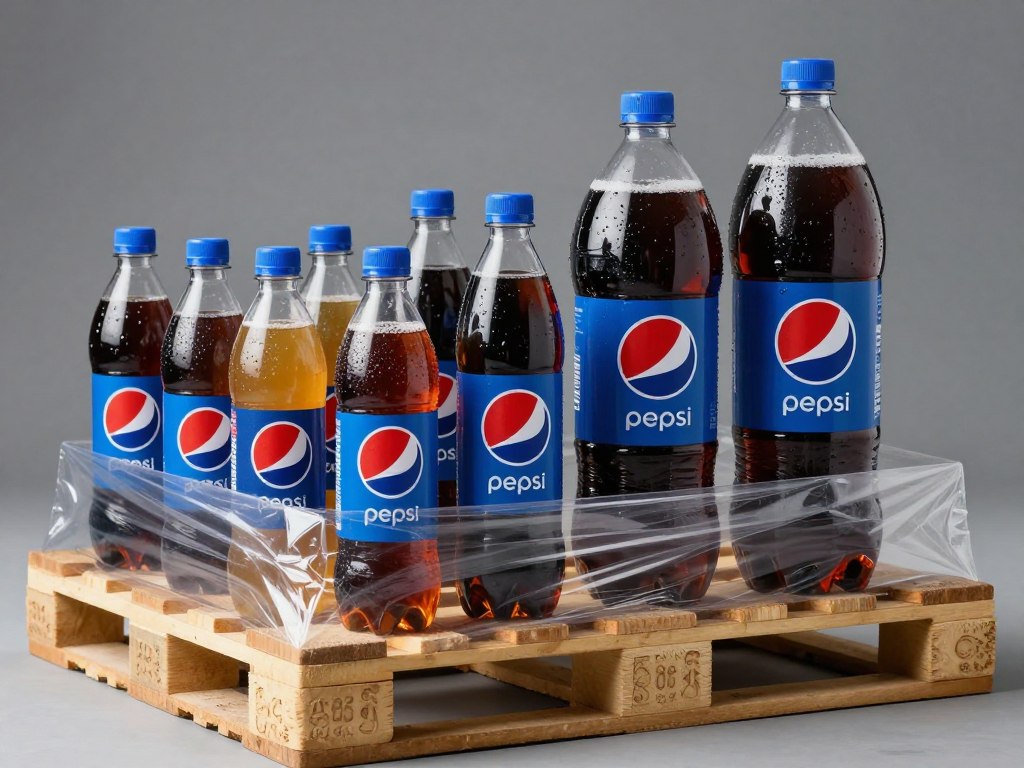
PET Bottle Range
Bottle formats from 500ml through 2-liter sizes target different consumption occasions. Smaller bottles suit hospitality and café environments. Larger bottles serve family retail purchases and bulk hospitality supply.
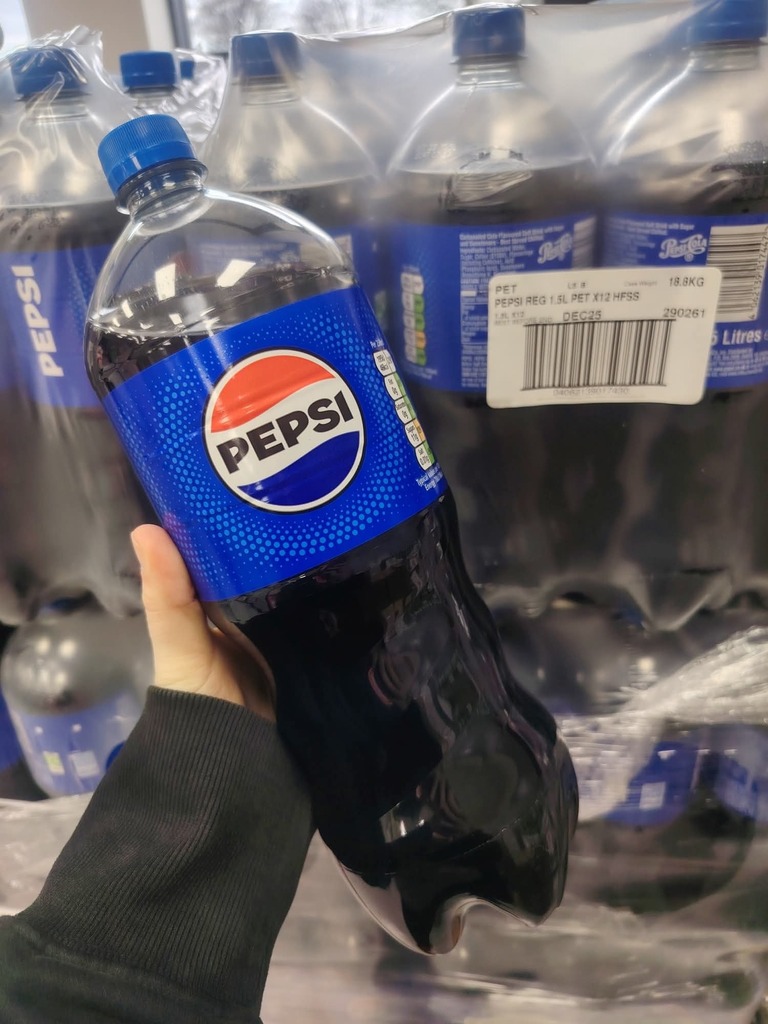
PET bottles require shrink wrap or carton protection during container transport. Our sourcing partners apply protective packaging that withstands ocean shipping conditions while maintaining presentation quality for retail display upon arrival.
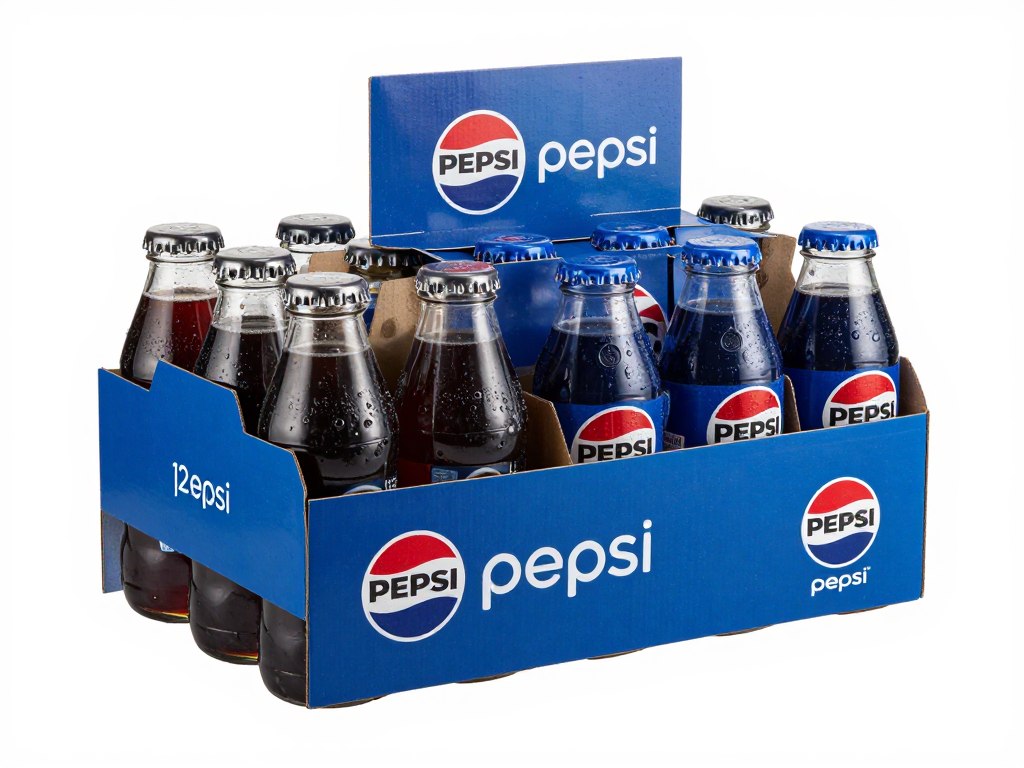
Retail Multipacks
Multipack trays combine multiple cans or bottles into consumer-ready units. These formats reduce retail labor because they transfer directly from pallet to shelf display without individual unit handling.
Chain stores prefer multipacks because they accelerate store restocking during high-volume periods. The format also supports promotional pricing strategies that drive higher per-customer purchase volumes.

| Format | Primary Channel | Pallet Handling Note |
| Cans | Retail & Vending | Tray stability enables layered stacking without compression risk |
| Bottles | Retail & Horeca | Shrink wrap and carton protection required for ocean transport |
| Multipacks | Chain Stores | SKU separation by layer prevents receiving confusion |
| Mixed Pallets | Large Distributors | Organized by layer with clear SKU documentation per level |
Mixed SKU Coordination: Mixed SKU pallets can be structured by layer for clean inventory receiving. This approach allows single-container orders to serve multiple distribution channels without requiring full-pallet minimums per format.
Ready to Structure Your Format Mix?
Understanding format requirements represents the first step in container coordination. We work with buyers to determine optimal product mix based on your distribution channel requirements and warehouse receiving capabilities.
Packaging Standards and Pallet Configuration Management
Container load optimization begins with understanding how carton strength, pallet height, and weight distribution interact during ocean transport. A wholesale beverage supplier Australia must coordinate these factors to ensure product arrives in distribution-ready condition.
Carton Compression Standards
Beverage cartons endure significant pressure when stacked in container environments. Our sourcing partners test carton strength before production runs begin. This testing ensures that bottom-layer cartons support full pallet weight without structural failure during transport.
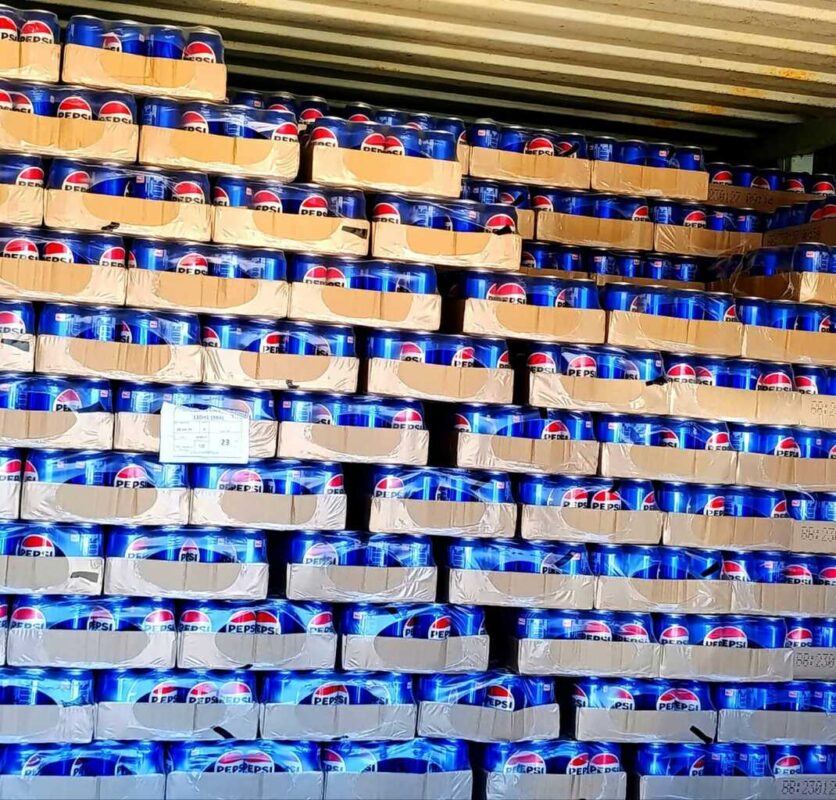
Compression control becomes critical when combining different product formats in single containers. Cans typically support higher stacking pressure than bottles. We structure load plans that position can pallets in lower container positions where weight concentration is highest.
Pallet Height Balancing
Standard containers accept specific pallet height configurations. Exceeding these limits creates loading inefficiencies that reduce total volume capacity. Our coordination process calculates optimal layer counts that maximize container cube utilization.
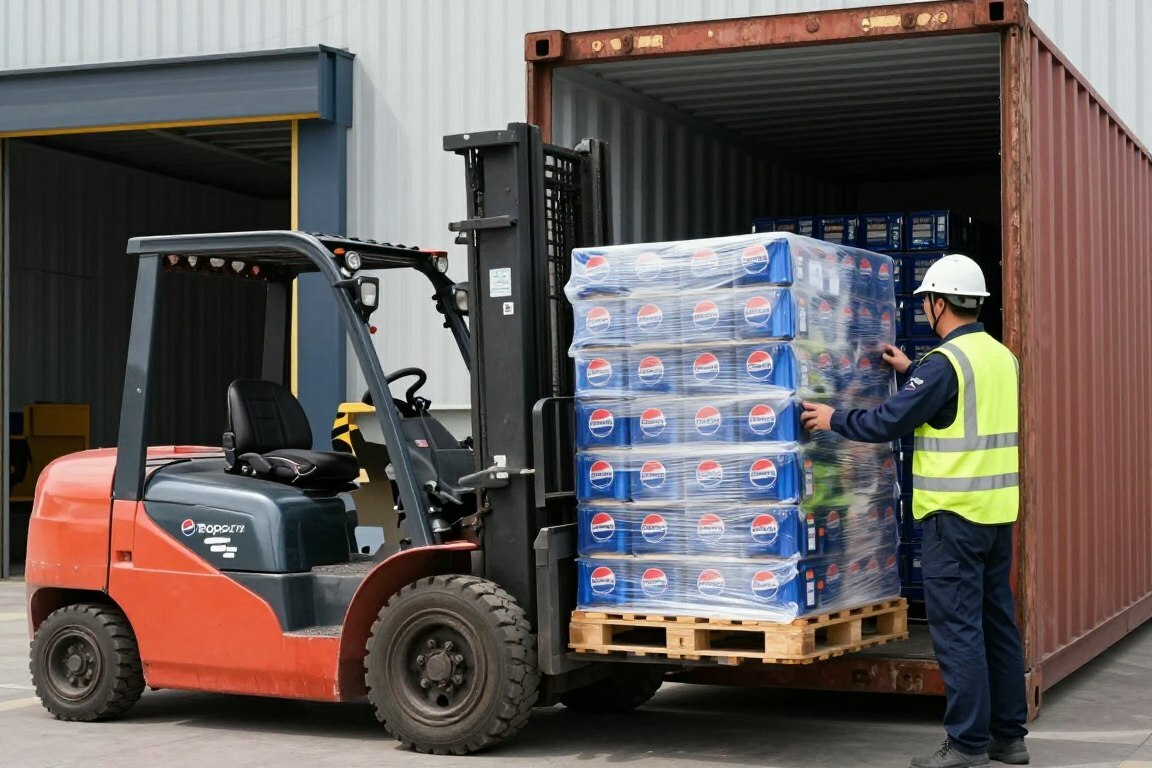
Height balancing also considers forklift access requirements at destination warehouses. Pallets must clear warehouse door heights and fit within racking systems. We verify these specifications before finalizing pallet construction plans.
Weight Distribution Protocols
Ocean containers experience movement during transport. Improper weight distribution can cause load shifting that damages products and creates safety hazards during container unloading. We coordinate with logistics partners to position heavier product formats strategically within each container.
Pallet Stability
Corner reinforcement and stretch wrap tension control ensure pallets maintain structural integrity throughout the supply chain. These measures prevent individual carton shifting that can compromise product presentation quality.
Carton Integrity
Material selection and glue strength specifications protect products during handling transitions. Each carton type undergoes drop testing that simulates real-world distribution conditions before approval for export use.
SKU Layer Control
Organizing pallets by SKU layer rather than mixed layers simplifies warehouse receiving processes. This approach reduces labor time during inventory check-in and accelerates product flow to retail distribution channels.
Export Documentation
Complete paperwork accompanies every shipment. Commercial invoices, packing lists, and certificates of origin receive verification before container departure. This documentation discipline prevents customs delays at Australian ports.
Container Optimization
Calculating cubic efficiency requires understanding how different product formats nest together. We analyze dimension data to identify format combinations that minimize empty space while respecting weight limits.
Load Plan Confirmation
Before production begins, we provide detailed load plans showing pallet positioning, SKU distribution, and total weight calculations. This transparency allows buyers to prepare receiving operations in advance.
From Order Confirmation to Container Dispatch – The Coordination Process
Structured coordination follows a systematic sequence that protects both buyer interests and product quality. Understanding this workflow helps buyers prepare accurate order specifications and set realistic timeline expectations.
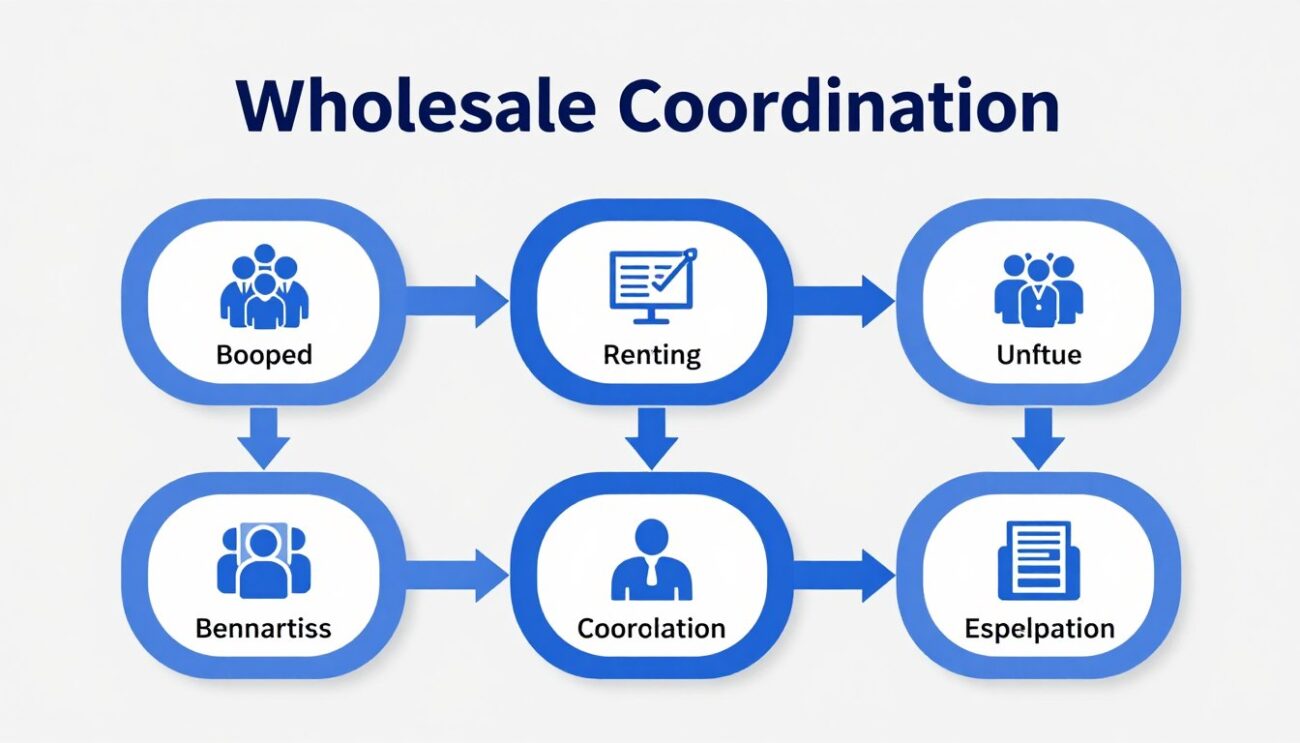
Step 1: Format and Volume Specification
Coordination begins with clear format identification. Buyers specify which can sizes, bottle sizes, and multipack configurations meet their distribution requirements. Volume discussions establish whether full container loads or consolidated shipments suit the buyer’s storage and cash flow capacity.
Step 2: Commercial Agreement
Once format and volume align, we structure commercial terms. This includes price confirmation, payment schedules, and Incoterms selection. We typically operate on 50% advance payment with 50% against Bill of Lading, though alternative structures can accommodate established buyer relationships.
Understanding Incoterms rules helps buyers evaluate total landed costs and clarify responsibility boundaries throughout the supply chain.
Step 3: Sourcing Partner Coordination
After order confirmation, we coordinate with production partners who maintain the batch discipline and quality standards required for Australian market distribution. Sourcing begins only after confirmed orders, ensuring product freshness and eliminating speculative inventory risk.
Step 4: Batch Allocation and Production Scheduling
Production partners allocate specific batch runs to confirmed orders. This allocation protects buyers because it guarantees consistent product characteristics within each container. Batch documentation accompanies shipments, providing traceability for quality control purposes.
Step 5: Pallet Configuration Verification
Before container loading begins, we verify pallet plans against original specifications. This verification step prevents format mix-ups and ensures that SKU distribution matches the buyer’s warehouse receiving expectations. Photographic documentation captures pallet configuration for buyer records.
Step 6: Container Loading and Shipment Scheduling
Container selection considers product protection requirements and shipping route conditions. We coordinate with freight forwarders who understand beverage handling protocols. Final documentation package includes commercial invoice, packing list, Bill of Lading, and certificate of origin.
Timeline Guidance: From order confirmation to container departure typically requires 3-4 weeks for standard format orders. Custom pallet configurations or first-time buyer documentation requirements may extend timelines. We provide specific scheduling once order details are confirmed.
Demand Stability and Reorder Cycle Planning
Pepsi carries universal brand recognition across Australian markets. This recognition creates predictable consumption patterns that enable distributors to plan reorder cycles with confidence. Understanding these patterns helps buyers structure initial orders and forecast cash flow requirements.
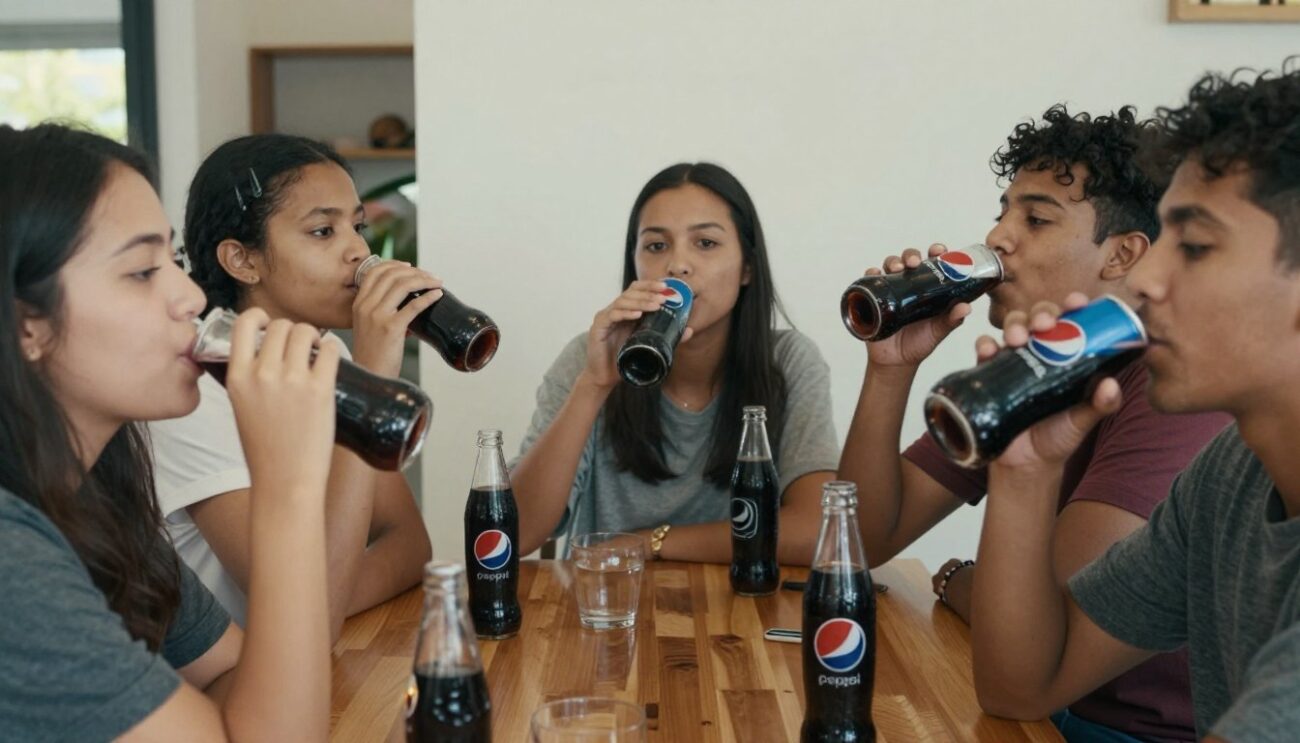
Established brands reduce distributor risk because turnover rates remain stable across seasonal variations. While summer months show higher volume, the baseline demand continues year-round. This stability allows distributors to maintain consistent inventory levels without fear of obsolescence.
Reorder behavior follows recognizable patterns. Retail chains typically reorder on 4-6 week cycles as store-level inventory depletes. Vending operators order on tighter 2-3 week cycles but in smaller volumes. Hospitality buyers often maintain standing order arrangements that trigger automatic replenishment.
Cash Flow Planning for Distributors
Understanding turnover velocity helps distributors calculate working capital requirements. Faster-moving products generate cash recovery that funds subsequent orders. We work with buyers to structure initial order volumes that balance market opportunity against capital exposure.
The global Pepsi brand maintains marketing investment that supports local demand. This corporate-level brand building reduces the marketing burden on individual distributors while maintaining consumer awareness that drives consistent purchases.
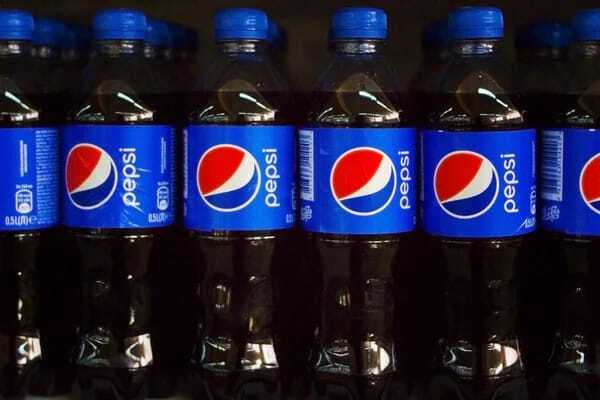
Distributor success depends on matching supply chain rhythm to consumption patterns. We help buyers avoid over-ordering that ties up capital and under-ordering that creates stockout situations. This balance comes from understanding both format performance and channel-specific turnover rates.
Plan Your Reorder Cycle
Coordinating initial container orders with realistic turnover projections sets the foundation for sustainable distribution relationships. We provide guidance based on channel type and volume requirements.
Connected Wholesale Programs Across Global Markets
Our coordination capabilities extend beyond Australian operations. Buyers managing multi-region distribution programs benefit from consistent coordination approaches across different markets. This consistency simplifies procurement management when operating in multiple countries.
Global Coordination Framework
We maintain coordination partnerships that support Pepsi wholesale bulk supply solutions for distributors and retailers across international markets. This framework ensures that buyers expanding into new regions encounter familiar processes and documentation standards.
Understanding regional market differences helps buyers evaluate expansion opportunities. The coordination model adapts to local regulatory requirements while maintaining consistent quality standards and communication protocols.

North American Market Access
Buyers interested in Pepsi wholesale supply in the USA can coordinate parallel programs that leverage similar format specifications and documentation requirements. This parallel coordination reduces administrative complexity for buyers operating in both Pacific and North American markets.
Middle East Distribution Networks
The Middle East UAE wholesale beverage market operates under different import requirements but similar volume coordination principles. Buyers establishing regional distribution networks appreciate consistent coordination partnerships across diverse regulatory environments.
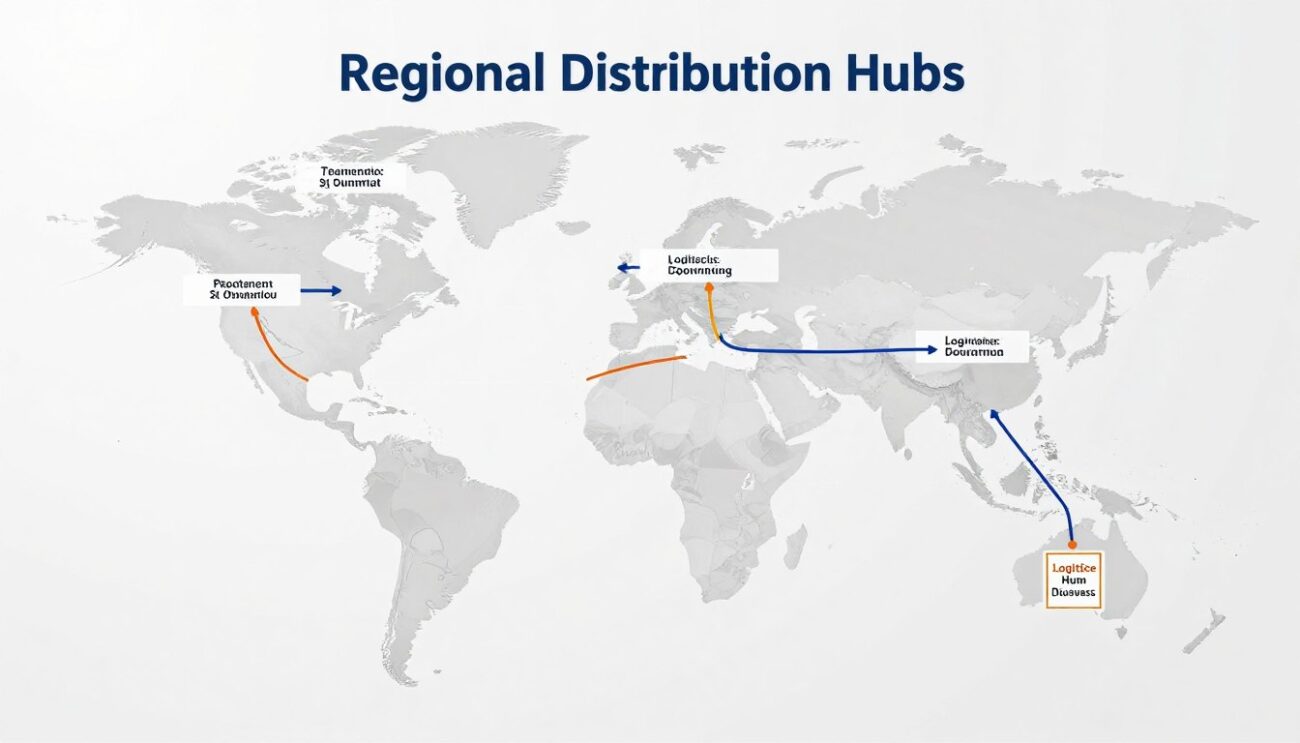
Multi-region coordination allows buyers to aggregate volume across markets, potentially improving commercial terms through larger total order quantities. We structure these arrangements to maintain clarity about destination-specific requirements while capturing volume efficiency benefits.
Commercial Terms and Payment Protocols
Transparent commercial structures build trust in wholesale relationships. We operate on straightforward payment terms that protect both parties throughout the coordination process.
Standard Payment Structure
Our typical arrangement requires 50% advance payment upon order confirmation and 50% against Bill of Lading before document release. This structure ensures buyer commitment while providing security that goods will ship as specified.
Alternative payment structures can be discussed for established relationships or buyers with strong commercial references. We evaluate these arrangements based on order history, volume commitments, and relationship duration.
Documentation Transparency
Complete commercial documentation accompanies every transaction. Buyers receive detailed commercial invoices showing format breakdown, pallet counts, and total volumes. Packing lists provide container-level detail about SKU distribution and pallet positioning.
This documentation transparency extends to production batch information and quality certificates. Buyers can verify that products meet the specifications established during order confirmation discussions.
Important Notice: Zeki Frucht GmbH does not offer duty-free arrangements or claim official distributor status. We coordinate wholesale supply through established sourcing partnerships. All import duties, taxes, and customs clearance remain buyer responsibilities according to agreed Incoterms.
Wholesale Coordination Questions – Executive Answers
Can different product formats be mixed within a single container order?
Yes. We structure mixed-format containers regularly for buyers serving multiple distribution channels. The key is organizing pallets by SKU layer rather than mixing formats within individual pallets. This organization simplifies warehouse receiving and inventory management at destination. We provide detailed pallet plans before production begins, showing exactly how formats will be distributed across container space.
How are pallets organized to simplify warehouse receiving operations?
Pallet organization follows logical SKU grouping principles. Each pallet contains a single format or, when space efficiency requires it, different formats separated by clear layer boundaries. We label each pallet with contents specification and position documentation. This approach allows warehouse teams to identify pallet contents immediately upon container opening, accelerating the receiving process and reducing labor time.
What measures minimize carton damage during ocean transport to Australian ports?
Damage prevention begins with carton strength testing before production approval. Our sourcing partners use carton materials rated for stacking pressure levels that exceed typical container load requirements. Stretch wrap application follows specific tension protocols that secure loads without crushing cartons. Container selection considers product protection requirements, and we avoid combining beverage loads with incompatible cargo types that could compromise product integrity.
What information is required to begin coordination discussions?
Productive coordination starts with four key pieces of information: preferred product formats (can sizes, bottle sizes, multipack configurations), estimated volume requirements (pallet quantity or container load preference), destination port for customs clearance, and preferred shipping timeframe. This information allows us to provide accurate coordination timelines and verify that our sourcing partnerships can support the specific requirements.
How long after order confirmation does dispatch planning typically begin?
Dispatch planning begins immediately after order confirmation and advance payment receipt. Production coordination with sourcing partners typically requires 10-14 days for standard format orders. Container loading and documentation preparation adds another 7-10 days. Total timeline from confirmation to container departure averages 3-4 weeks for straightforward orders. First-time buyers may experience slightly longer timelines as we establish documentation protocols and verify specifications.
Additional Questions About Coordination Process?
Our team addresses specific buyer situations that may not fit standard FAQ responses. Whether you operate specialized distribution channels or require custom pallet configurations, we provide detailed answers to coordination questions.
Begin Structured Pepsi Wholesale Coordination for Your Distribution Network
Successful beverage distribution relationships build on clear communication and realistic expectations. We coordinate Pepsi wholesale supply for buyers who value systematic processes and transparent partnerships over transactional supplier relationships.
Our Vienna-based coordination team works with wholesale buyers across Australia and the broader Oceania region. This geographic focus allows us to understand regional distribution challenges, port logistics requirements, and market-specific consumption patterns that influence successful supply chain planning.
Starting coordination discussions requires preparation on your end. Before reaching out, consider these key decision points that shape coordination planning:

Information That Accelerates Coordination
- Format Preference: Which can sizes, bottle sizes, and multipack configurations align with your distribution channels? Understanding format requirements prevents coordination delays caused by specification revisions.
- Volume Estimation: Are you planning full container loads or consolidated shipments? Volume clarity helps us match you with appropriate sourcing partners and establish realistic pricing parameters.
- Destination Port: Which Australian port handles your customs clearance? Port selection affects shipping routes, transit times, and documentation requirements that influence coordination timelines.
- Shipping Timeframe: When do you need products to arrive? Realistic timeframe discussions allow us to coordinate production scheduling and container booking without forcing rushed processes that compromise quality.
Zeki Frucht GmbH maintains coordination partnerships with PepsiCo production network partners who supply verified product batches. We do not manufacture beverages. Our role centers on connecting wholesale buyers with reliable sourcing while managing the documentation, logistics coordination, and quality verification processes that protect buyer interests.
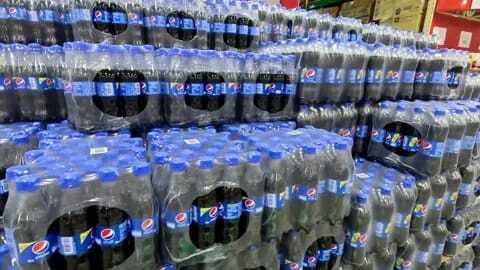
This coordination model ensures that sourcing begins only after order confirmation. The approach eliminates speculative inventory risk while guaranteeing product freshness and batch consistency. Every container ships with complete documentation that supports smooth customs clearance and immediate distribution upon arrival.
Ready to Structure Your First Coordination?
We invite wholesale buyers, distribution network operators, retail chain procurement teams, hospitality group buyers, and vending network managers to begin coordination discussions. Our team provides specific guidance based on your distribution requirements, volume capacity, and market positioning.
Prepare the four key information points outlined above. This preparation allows our coordination team to provide accurate timeline estimates and verify that your requirements align with our sourcing partnership capabilities.
Wholesale beverage coordination succeeds when both parties understand their roles, respect timeline realities, and communicate clearly about requirements. We look forward to exploring whether our coordination approach matches your distribution network needs.