

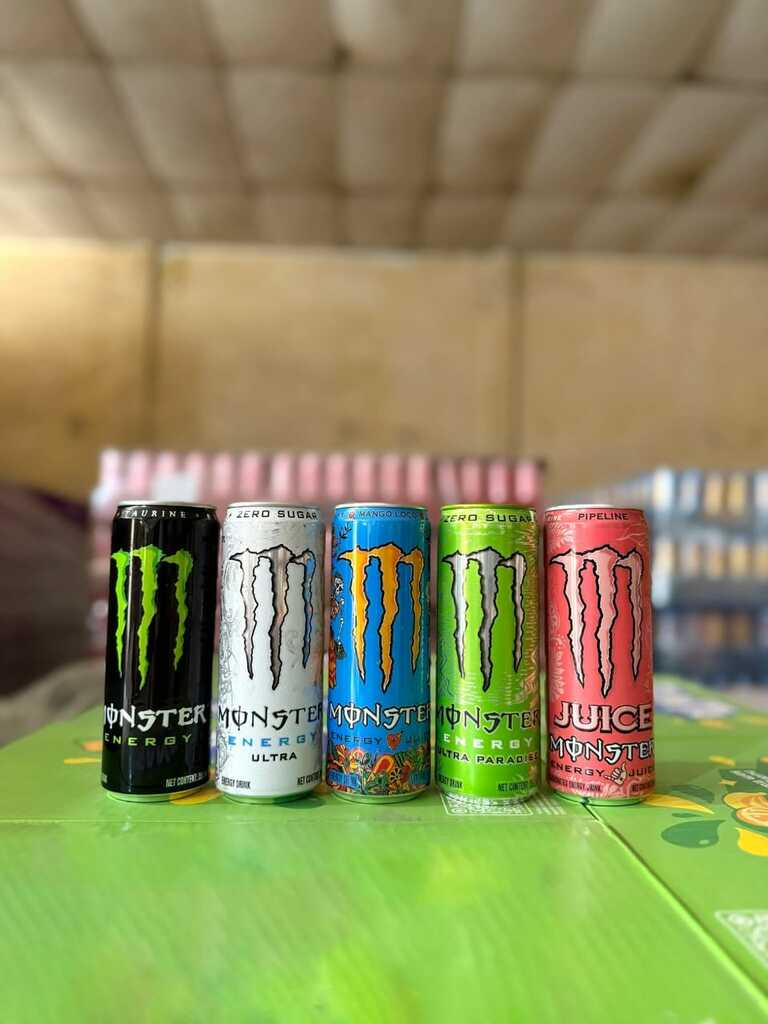
Premium energy drink bulk coordination for distributors, national retail chains, and large-scale beverage operators across Oceania.
Australia represents one of the most mature energy drink markets in the Oceania region. High consumption rates across metropolitan and regional areas create consistent demand through multiple distribution channels. Petrol stations, convenience stores, supermarket chains, and independent retailers maintain steady inventory rotation throughout the year.
The Australian beverage wholesale sector operates on structured pallet rotation systems. National retail chains and regional distributors require reliable supply coordination to maintain shelf availability. Energy drinks move through distribution networks at high velocity, particularly in warm months and during sporting seasons. This creates ongoing replenishment cycles that demand consistent sourcing partnerships.
Container-level sourcing provides the volume efficiency that large-scale buyers require. When distribution networks operate across multiple states, coordinated bulk supply protects margin stability and reduces logistics fragmentation. Structured pallet builds ensure SKU variety while maintaining shipment integrity during long-haul freight operations.
Zeki Frucht GmbH coordinates Monster Energy bulk supply from our Vienna headquarters. We do not manufacture these products. Our role involves sourcing coordination through trusted production partners based on confirmed wholesale orders. This structured approach ensures batch discipline, export documentation accuracy, and delivery timeline reliability for B2B partners across international markets.
Production Standards & Quality Assurance
Manufacturing facilities maintain strict quality protocols across all Monster Energy production lines. Each batch undergoes comprehensive testing before release to wholesale channels. Ingredient sourcing follows established supplier qualification programs. Production documentation tracks every manufacturing stage from raw material receipt through final packaging.
Export-grade packaging uses reinforced can construction designed for long-distance freight. Shrink wrap protection and pallet stacking configurations account for container shipment conditions. Temperature monitoring systems protect product integrity during ocean transport. These manufacturing disciplines ensure wholesale buyers receive products that meet retail shelf standards.
Wholesale Supply Protection
Structured sourcing coordination protects distributor margins through volume-based efficiency. When bulk energy drink pallets arrive with proper documentation and batch traceability, wholesalers avoid supply chain disruptions. Container-level coordination eliminates the cost inefficiencies of fragmented purchasing while maintaining SKU variety.
We coordinate with production partners who understand export requirements for the Australian market. This includes compliance documentation, batch coding for traceability, and packaging configurations optimized for Oceania distribution networks. Volume planning based on confirmed orders ensures freshness protection and inventory management efficiency.
Manufacturing discipline directly impacts wholesale distribution success. Production facilities that understand export requirements deliver products ready for international freight without additional handling stages. Quality consistency across production runs protects brand reputation at the retail level, which sustains reorder cycles for wholesale distributors.
Volume planning efficiency separates professional wholesale coordination from fragmented purchasing approaches. When buyers share projected requirements, we coordinate sourcing that matches their distribution timeline needs. This prevents inventory gaps while avoiding overstocking situations that strain warehouse capacity and working capital.
Professional Wholesale Coordination
We coordinate Monster Energy sourcing for qualified wholesale partners operating in Australian distribution networks. Share your volume requirements and preferred flavour allocation to begin structured supply coordination.
Market Structure & High-Rotation Distribution Channels
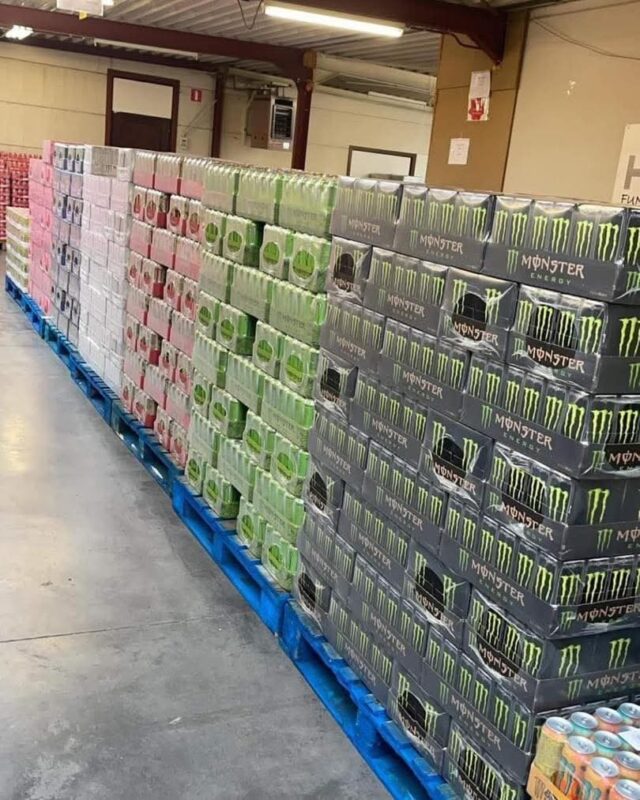
High-Rotation Markets Demand Structured Pallet Discipline
Energy drink distribution in Australia concentrates through several high-velocity channels. Each channel type operates with distinct ordering patterns and volume requirements. Understanding these channel characteristics helps wholesale coordinators structure pallet builds that match distribution realities.
Petrol Station Networks
Service stations represent the highest-velocity channel for energy drink sales. Refrigerated units near checkout areas drive impulse purchases throughout operating hours. National chains maintain centralized procurement systems that coordinate supply across hundreds of locations. Regional operators often work through beverage distributors who consolidate orders across multiple brands.
Temperature-controlled storage protects product quality in retail environments. Rapid inventory turnover requires frequent replenishment cycles. Wholesalers supplying this channel need reliable sourcing partnerships that prevent stock-out situations during peak demand periods.
Supermarket Chains
Major grocery retailers dedicate significant shelf space to energy drink categories. Promotional periods drive volume spikes that require advance inventory planning. Distribution centers serving multiple stores need mixed pallet configurations that allow efficient store-level allocation.
Retail buyers evaluate supplier reliability through on-time delivery performance and product consistency. Wholesale distributors supporting this channel require structured container shipments that match promotional calendars and seasonal demand patterns.
Independent Beverage Distributors
Regional wholesalers service diverse customer bases including small retailers, cafes, gyms, and hospitality venues. Mixed SKU pallets allow these distributors to fulfill varied customer preferences from consolidated inventory. Flexible ordering capabilities support their business model of serving multiple channel types.
This distributor segment values sourcing partners who understand the logistics of mixed flavor allocations and documentation requirements for wholesale trade operations.
Gym & Supplement Retailers
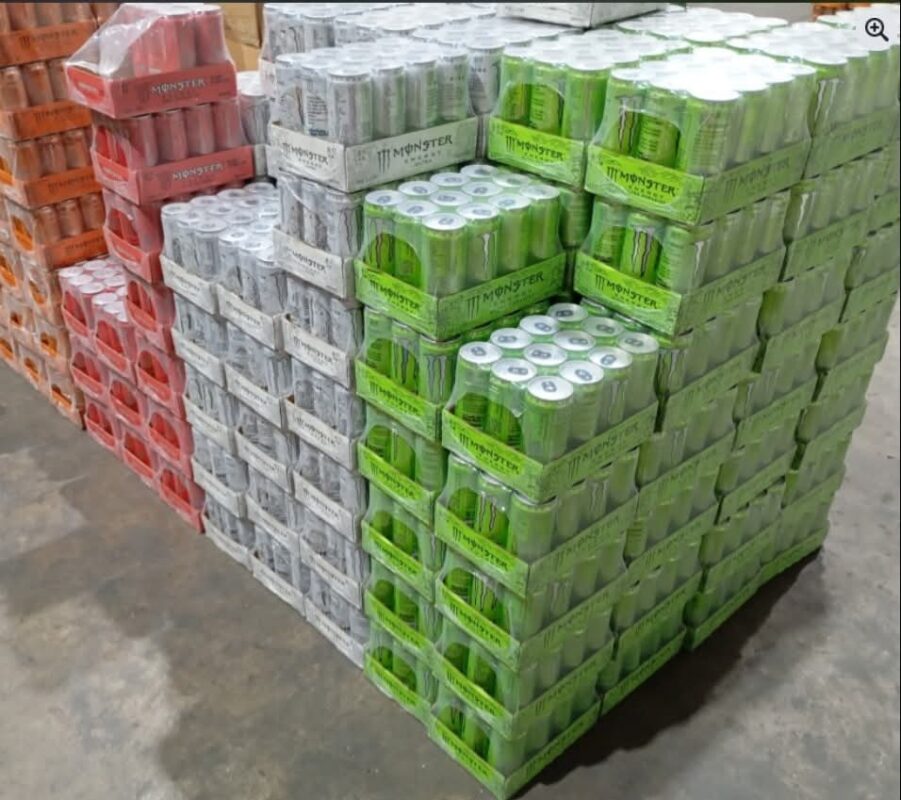
Fitness facilities and supplement stores position energy drinks as performance products. This channel often features premium pricing with steady consumption patterns from regular customers. Smaller order volumes require efficient pallet breaking by wholesalers who service this segment.
Vending Operations
Automated vending machines in office buildings, universities, and public facilities create continuous demand. Vending operators manage route-based replenishment that requires consistent product availability. Wholesale suppliers supporting this channel need reliable sourcing that prevents service interruptions.
Export & Cross-Border Supply
Australian wholesalers sometimes coordinate supply to Pacific Island nations and other Oceania markets. Container-level coordination supports these export operations through proper documentation and freight consolidation capabilities.
Channel diversity creates complexity in wholesale distribution. Successful beverage distributors structure their sourcing to accommodate different ordering patterns while maintaining inventory efficiency. This requires wholesale suppliers who understand the operational realities of serving multiple channel types from consolidated container shipments.
Monster Energy Flavour Portfolio for Large-Scale Distribution
Product variety drives retail performance in competitive energy drink markets. Distributors who offer comprehensive SKU ranges capture more shelf space and customer preferences. Understanding the Monster Energy portfolio structure helps wholesalers plan pallet configurations that match retail demand patterns.
Ultra Series – Zero Sugar High Demand
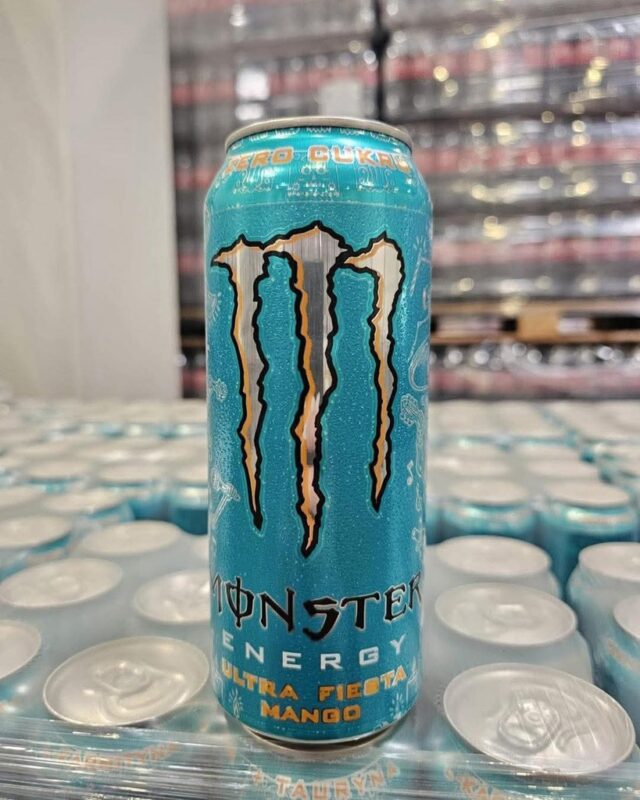
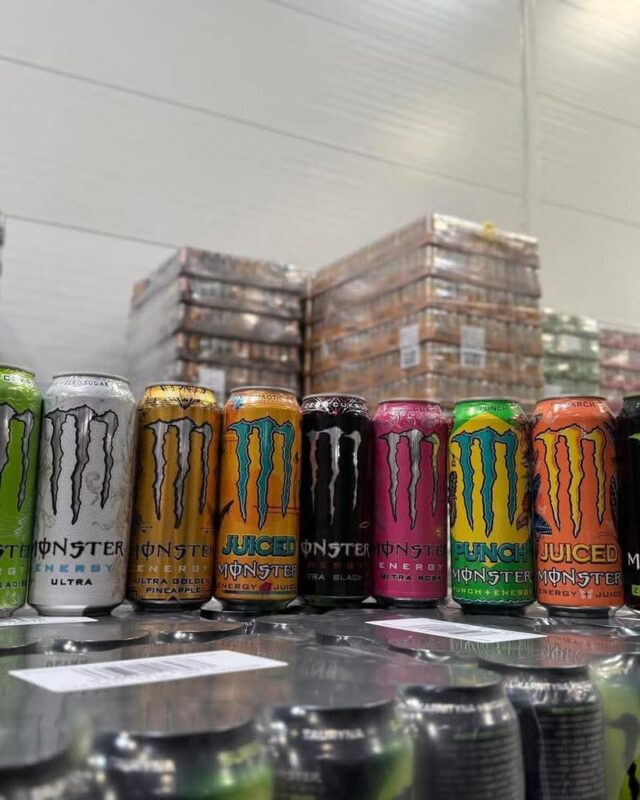
The Ultra range targets health-conscious consumers seeking energy drinks without sugar content. This segment has grown significantly as dietary preferences shift toward reduced-calorie options. Retailers report strong movement across multiple Ultra flavors, particularly in metropolitan markets with higher disposable incomes.
Ultra variants include citrus-based formulations, berry profiles, and tropical fruit combinations. The zero-sugar positioning appeals to gym-goers, office professionals, and consumers managing caloric intake. Wholesale pallets often include multiple Ultra SKUs to match this flavor preference diversity.
Retail shelf allocation for Ultra products has expanded in recent years. Supermarkets dedicate separate facings for zero-sugar options alongside original formulations. This category growth creates opportunities for distributors who can supply complete Ultra ranges rather than limited flavor selections.
Original & Zero Core Line
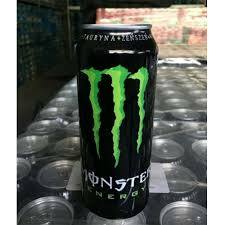
The classic Monster Energy formulation maintains strong brand recognition across all demographic segments. Original green-labeled cans represent the flagship product that established the brand in global markets. Consistent sales velocity makes this SKU essential in every wholesale pallet configuration.
Monster Zero offers the original flavor profile without sugar, bridging traditional and health-focused consumer segments. This variant performs well in channels where customers seek familiar taste without caloric content. Distribution efficiency improves when wholesalers stock both original and zero versions.
Core line products generate predictable reorder patterns that support inventory planning. Wholesalers can forecast demand based on historical movement data, reducing the uncertainty that complicates working capital management. This stability makes core SKUs the foundation of structured pallet builds.
Juiced Series – High Visual Shelf Impact
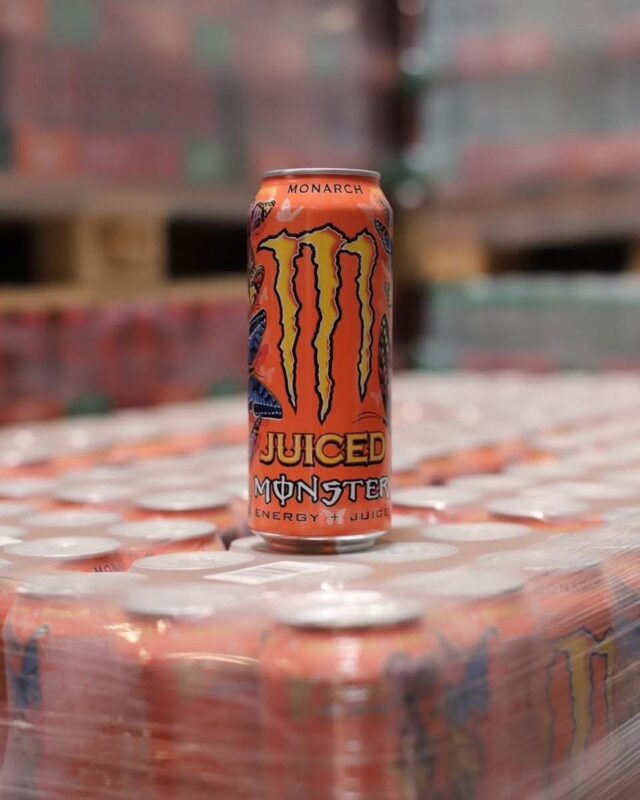
Juiced variants combine energy drink formulations with fruit juice content. These products target consumers seeking flavor intensity and fruit-based ingredients. Bright packaging colors create strong shelf presence that attracts impulse purchases in convenience store environments.
Flavour profiles include mango lemonade, tropical combinations, and berry blends. The juice content positioning differentiates these products from standard energy drink formulations. Retailers use Juiced products to expand their energy drink sections with premium-positioned options.
Wholesale demand for Juiced variants increases during warmer months when fruit flavors align with seasonal preferences. Distributors who include these SKUs in summer inventory builds report improved customer satisfaction from retailers seeking complete product ranges.
Seasonal & Limited Editions
Monster Energy periodically releases limited-edition flavors and seasonal variants. These products create retail excitement and drive incremental purchases from collectors and brand enthusiasts. While not permanent portfolio items, seasonal releases can generate significant short-term volume.
Wholesale coordination for limited editions requires advance planning. Retailers want guaranteed allocation for promotional periods. Distributors who secure container-level supply of seasonal products gain competitive advantages during release windows.
Limited SKUs typically feature unique packaging designs that stand out in retail environments. Point-of-sale materials often accompany these releases. Wholesalers supporting promotional activities need lead time to coordinate supply arrival with marketing campaign launches.
| Format Configuration | Primary Channel | Export Handling Note |
| 500ml cans standard pallet | Petrol stations & retail chains | Reinforced tray stacking protects can integrity during freight |
| Mixed flavour pallet builds | Independent distributors | Layered SKU separation maintains organization during handling |
| Full container single SKU | National buyers & export operators | Volume optimization maximizes freight efficiency |
| Multi-SKU container builds | Regional wholesalers | Strategic pallet placement ensures safe variety coordination |
We coordinate flavor allocations based on distributor requirements and retail channel needs. Container configurations accommodate single-flavor volume orders or diversified SKU mixes that support multi-channel distribution strategies.
Portfolio depth separates professional wholesale operations from limited-range suppliers. Distributors who can offer complete Monster Energy selections capture more business from retailers who prefer consolidated purchasing. This drives the importance of working with wholesale coordinators who structure container shipments with comprehensive SKU variety.
Export Packaging & Pallet Discipline for International Freight
Product packaging must withstand the physical demands of international container shipment. Ocean freight subjects pallets to movement, vibration, and stacking pressure during multi-week transit periods. Proper packaging discipline prevents damage that reduces product value upon arrival at destination ports.
Can stacking integrity begins with tray design. Corrugated trays provide structural support that distributes weight evenly across can surfaces. Tray reinforcement at critical stress points prevents compression damage when pallets stack multiple layers high. Manufacturing facilities experienced in export packaging use engineering specifications that account for container freight conditions.
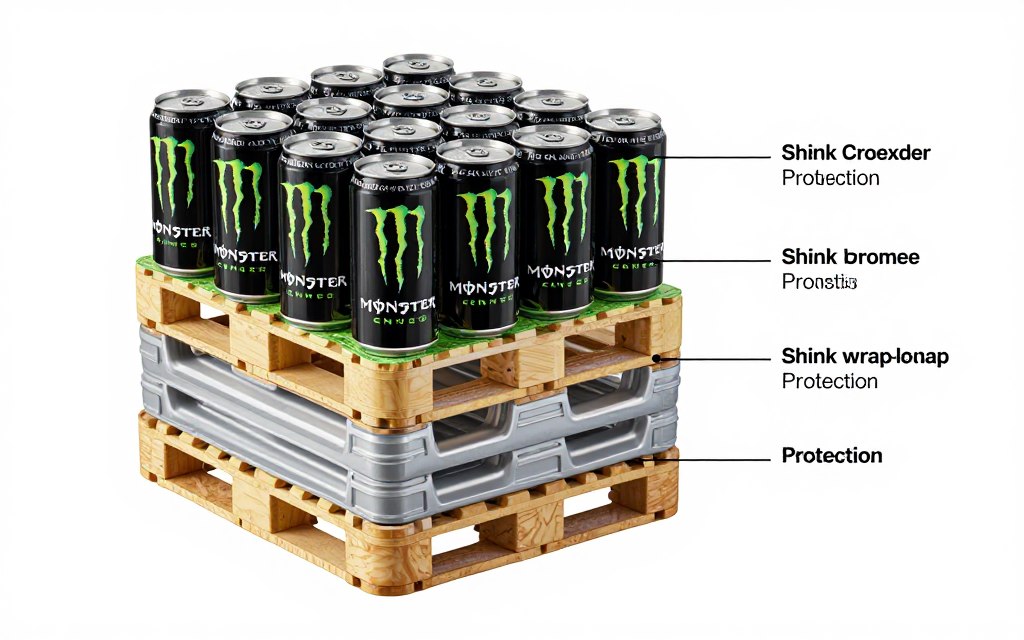
Pallet height structuring balances volume efficiency with stability requirements. Taller pallets maximize container space utilization but require additional securing measures. Stretch wrap application techniques vary based on pallet height and product weight distribution. Professional packaging operations calibrate wrap tension to secure loads without crushing outer carton layers.
Temperature considerations affect packaging decisions for energy drink shipments. Container interiors experience temperature fluctuations during ocean transit, particularly when crossing climate zones. Packaging materials must accommodate condensation potential without compromising structural integrity. Moisture barriers protect carton strength throughout the shipping cycle.
Container weight distribution requires strategic pallet placement within the shipping unit. Heavier pallets position toward container centers and lower positions. This weight balance prevents shifting during transport and reduces pressure on pallets at the rear doors. Experienced freight coordinators plan load sequences that maintain stability throughout the journey.
Documentation accompanying each pallet includes batch coding for traceability purposes. Production dates, manufacturing facility identifiers, and quality certification records travel with shipments. This documentation supports customs clearance procedures and provides retailers with batch information for their inventory management systems.
Shrink wrap discipline determines whether products arrive in retail-ready condition. Proper wrap coverage protects against dust, moisture, and minor impacts during handling. Corner protection prevents wrap tears at pallet edges. These packaging details reflect the manufacturing facility’s understanding of export requirements versus domestic-only distribution standards.
Energy Drink Container Shipment Planning for Oceania Routes
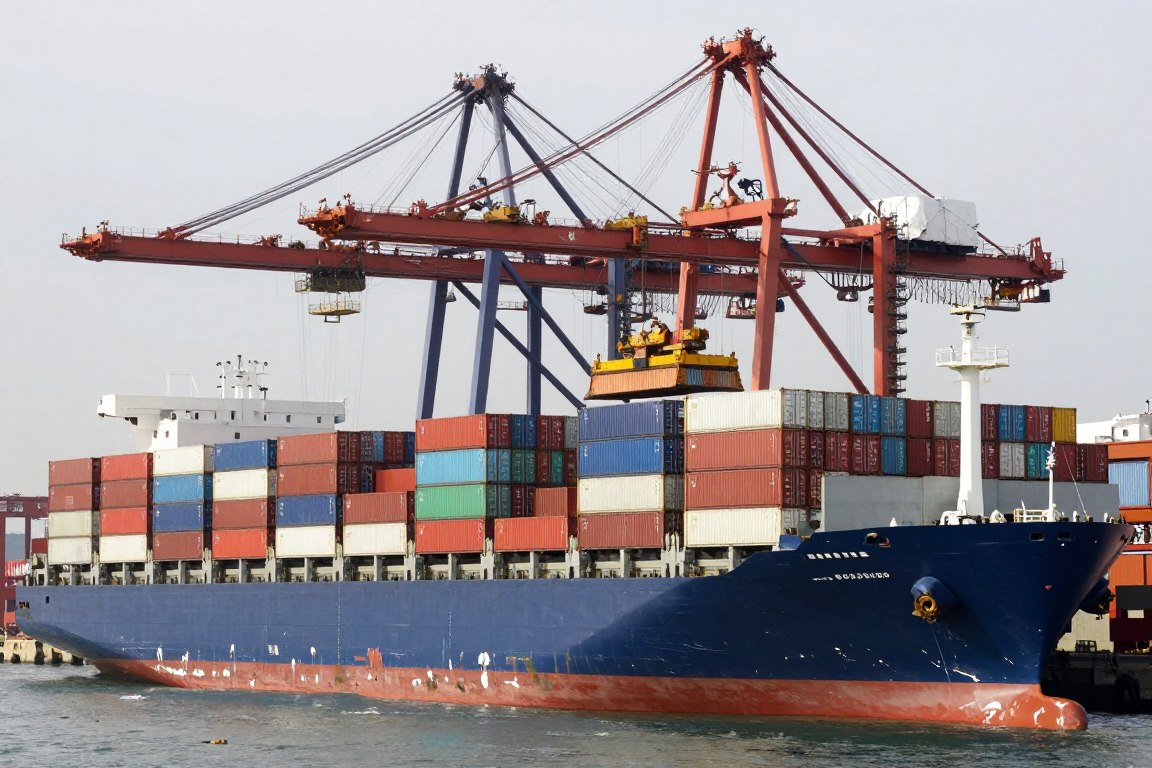
Container selection impacts the economics of wholesale energy drink supply. Twenty-foot and forty-foot containers offer different volume capacities and freight rate structures. Choosing the appropriate container size requires understanding the buyer’s volume requirements and destination port capabilities.
Volume-Based Planning Principles
Container capacity planning begins with pallet count calculations. Standard pallet dimensions and stacking heights determine how many units fit within container interiors. Volume efficiency improves when pallet configurations optimize vertical space without exceeding safe stacking limits.
Forty-foot containers provide economies of scale for high-volume buyers. The per-unit freight cost decreases as container utilization increases. However, buyers must have the warehouse capacity and working capital to handle larger shipment volumes. Twenty-foot containers suit distributors with more modest volume requirements or limited storage facilities.
Mixed pallet configurations require careful planning to maximize container space. When buyers order multiple SKUs, pallet placement must account for different product weights and handling priorities. Strategic loading sequences ensure efficient unloading at destination warehouses.
Consolidated Build Coordination
Some wholesale buyers benefit from consolidated container builds that include multiple product categories. Energy drinks combine with other beverage types or complementary products to achieve full container loads. This consolidation approach reduces per-unit freight costs while maintaining SKU variety.
Coordination requirements increase with consolidated shipments. Product compatibility considerations ensure different items can share container space safely. Documentation complexity expands when multiple product types ship together. Experienced wholesale coordinators manage these variables to deliver efficient consolidated solutions.
Lead time planning accounts for the coordination stages required before container dispatch. Sourcing multiple product types, coordinating production schedules, and aligning documentation all require advance notice. Professional wholesale partners communicate realistic timelines that allow buyers to plan inventory cycles accordingly.
Documentation coordination separates professional export operations from inexperienced suppliers. Commercial invoices, packing lists, certificates of origin, and bills of lading must align precisely with shipment contents. Errors in documentation create customs delays that disrupt buyer inventory planning and potentially incur demurrage charges.
Incoterms alignment establishes clear responsibility boundaries between wholesale suppliers and buyers. These standardized trade terms define who handles freight costs, insurance, and customs procedures at various shipment stages. Professional wholesale coordination includes Incoterms discussion early in the negotiation process to prevent misunderstandings about cost responsibilities.
Explore additional resources on international trade practices and energy drink wholesale standards through these industry references:
- Official Monster Energy brand information and product specifications at Monster Energy global website
- Australian trade regulations and import procedures through Australian Trade and Investment Commission
- International Commercial Terms official rules and guidance at International Chamber of Commerce Incoterms
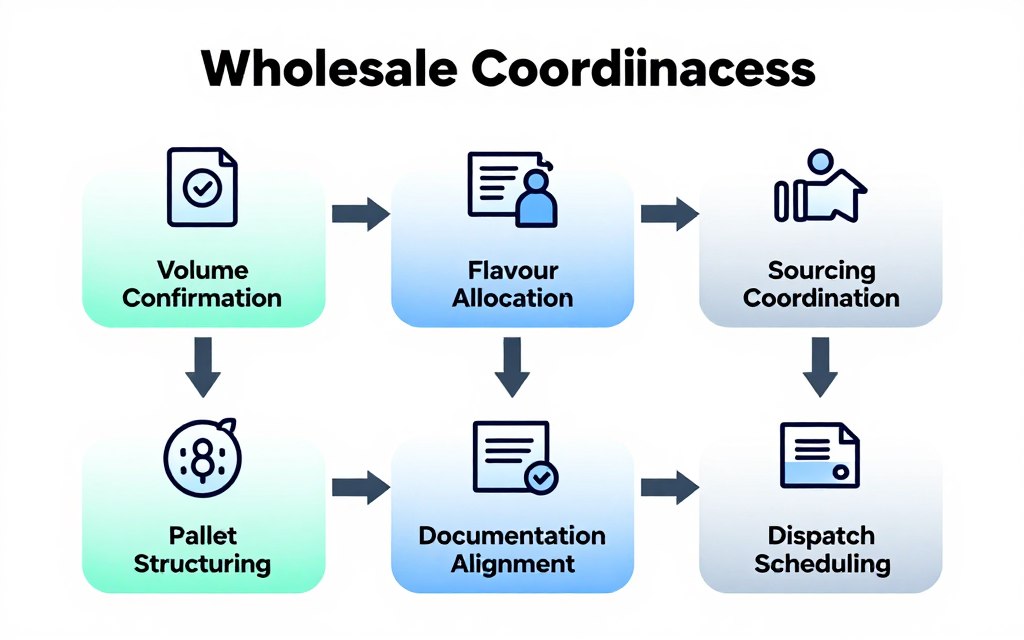
The logistics workflow for container-level energy drink supply follows systematic stages. Volume confirmation establishes the shipment size and timeline. Flavour allocation determines SKU variety within the container. Sourcing coordination engages production partners who meet quality and packaging standards. Pallet structuring optimizes container space while protecting product integrity. Documentation alignment ensures customs compliance. Dispatch scheduling coordinates with buyer receiving capabilities and inventory management systems.
Container Coordination for Australian Distribution
We coordinate container-level Monster Energy supply for wholesale distributors serving Australian beverage markets. Professional sourcing partnerships protect your supply chain reliability and margin efficiency. Share your volume projections and destination port to explore structured coordination options.
High-Velocity Energy Drink Rotation & Predictable Reorder Cycles
Brand recognition drives retail velocity that creates predictable wholesale demand patterns. Monster Energy maintains strong consumer awareness across demographic segments in Australian markets. This brand strength translates to consistent product movement through retail channels, which generates reliable reorder cycles for wholesale distributors.
Cash flow protection through pallet planning represents a key advantage of structured wholesale coordination. When distributors can forecast reorder patterns based on historical sales data, they optimize inventory investment. Container-level supply agreements establish rhythm in purchasing cycles that reduces working capital strain from irregular ordering patterns.
Container-based efficiency improvements compound over time. Distributors who establish reliable sourcing partnerships reduce the administrative burden of constantly seeking spot-market suppliers. Consistent product quality and documentation accuracy eliminate the problems that create retail customer complaints and returns. These operational efficiencies translate directly to improved profitability in wholesale beverage distribution businesses.
Bulk energy drink pallets outperform fragmented purchasing approaches across multiple metrics. Freight costs per unit decrease with container-level volumes. Documentation complexity reduces when dealing with single-source coordination rather than multiple small suppliers. Quality consistency improves when production comes from facilities experienced in export-grade packaging. Inventory management simplifies with predictable delivery schedules rather than uncertain spot-market availability.
The wholesale energy drink market rewards distributors who build strategic sourcing partnerships. Retailers prefer working with wholesalers who maintain consistent product availability and can respond quickly to promotional opportunities. This retail preference creates competitive advantages for distributors with reliable container-level supply coordination supporting their operations.
Oceania Regional Distribution Network Integration
Australian wholesale operations often extend beyond domestic markets into broader Oceania distribution. New Zealand represents a natural extension market with similar retail structures and consumer preferences. Pacific Island nations create additional export opportunities for established Australian beverage distributors.
Regional supply coordination requires understanding diverse market conditions across Oceania territories. We coordinate Monster Energy wholesale supply for distribution networks operating throughout this region. Our experience includes supporting operations in New Zealand beverage distribution, where market dynamics parallel Australian patterns while maintaining distinct regulatory requirements.
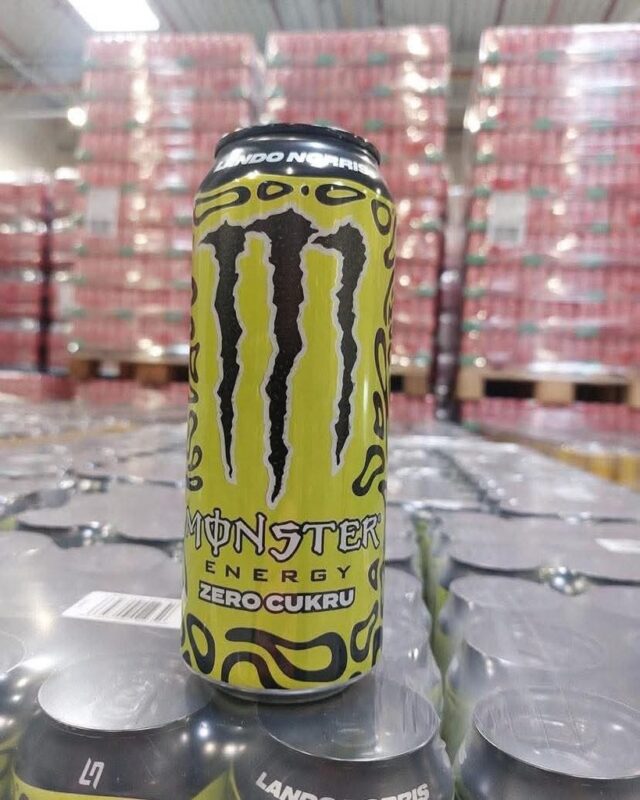
Cross-Border Supply Considerations
Export documentation requirements vary across Oceania destination markets. Each territory maintains specific import regulations for beverage products. Professional wholesale coordination includes compliance verification for destination-specific requirements before container dispatch. This prevents customs delays that disrupt retail supply chains.
Freight routing options affect delivery timelines and costs for regional distribution. Direct shipping routes serve major Australian and New Zealand ports efficiently. Secondary Pacific Island destinations may require transshipment arrangements. Experienced logistics coordination accounts for these routing variables when planning container schedules.
Multi-Market Portfolio Planning
Distributors serving multiple Oceania markets benefit from consolidated sourcing coordination. Container builds can include allocations for different destination territories. This consolidation approach improves freight efficiency while maintaining market-specific SKU variety.
Brand performance varies across different Oceania markets based on local competition and consumer preferences. Australian metropolitan areas show strong Ultra series demand. New Zealand markets demonstrate balanced performance across core and specialty flavors. Understanding these regional patterns helps structure pallet configurations that match territory-specific retail dynamics.
International wholesale coordination extends beyond Oceania for distributors exploring global opportunities. Our coordination experience spans diverse markets including Canadian beverage distribution networks, Indonesian import channels, and Middle Eastern wholesale operations through Lebanon. This global perspective informs our approach to Oceania regional coordination.
Additional technical details on international Monster Energy wholesale coordination frameworks are available through our comprehensive export solutions resource covering global distribution standards and logistics best practices.
Commercial Terms & Payment Structure
Professional wholesale transactions require clear payment terms established before container coordination begins. Standard commercial structures protect both parties through staged payment schedules that align with shipment milestones.
Payment Framework
Typical payment structures include an advance deposit upon order confirmation. This initial payment secures production capacity and material procurement. The balance payment occurs against presentation of shipping documentation, specifically the Bill of Lading or through other structured agreements that confirm shipment dispatch.
This staged approach aligns financial obligations with tangible shipment progress. Buyers gain assurance through documentation verification before final payment. Suppliers receive commitment through the advance portion that covers coordination costs.
Commercial Flexibility
Established wholesale relationships may develop modified payment terms over time. Payment structures can adapt to accommodate specific business requirements while maintaining commercial protection for both parties. Professional discussions address these variables during initial coordination planning.
Banking arrangements and currency considerations factor into international payment coordination. Wholesale transactions typically process through commercial banking channels with appropriate documentation supporting fund transfers. Currency fluctuation considerations may influence pricing discussions for longer-term supply agreements.
Pricing discussions occur directly with potential wholesale partners based on specific volume requirements, destination details, and timeline parameters. We do not publish standard pricing as each coordination scenario involves unique variables affecting final commercial terms. This customized approach ensures pricing accuracy for specific buyer situations rather than generic rate schedules that may not reflect actual project costs.
Wholesale Coordination Questions
Can different Monster Energy flavours be mixed within a single container shipment?
Yes, container builds accommodate mixed SKU configurations based on buyer requirements. We coordinate flavor allocation across multiple product lines including Ultra series, original formulations, and Juiced variants. Pallet structuring maintains organization through layered separation that facilitates efficient warehouse handling upon arrival. Mixed configurations work well for distributors serving diverse retail channels with varied flavor preferences.
Is pallet stacking optimized specifically for long-duration sea freight to Oceania?
Pallet configurations account for the physical demands of multi-week ocean transit. Reinforced tray stacking, strategic stretch wrap application, and height optimization all factor into export packaging standards. Production partners experienced in Oceania shipments understand the packaging discipline required for container freight conditions. This expertise protects product integrity during the extended journey from manufacturing facilities to Australian destination ports.
How is carton stability maintained throughout international container shipment?
Carton protection begins with proper tray design that distributes weight evenly across can surfaces. Stretch wrap tension calibration secures loads without crushing outer packaging layers. Corner protection prevents wrap damage at pallet edges. Moisture barriers guard against condensation effects during temperature fluctuations. Container loading sequences position heavier pallets strategically to prevent shifting during transport. These combined measures maintain carton integrity from factory loading through destination warehouse delivery.
What documentation accompanies export shipments to Australian ports?
Complete export documentation includes commercial invoices detailing shipment contents and values, packing lists specifying pallet configurations and product counts, certificates of origin confirming manufacturing source, and bills of lading establishing freight terms and delivery conditions. Batch coding provides traceability information linking products to specific production runs. Quality certifications may accompany shipments based on buyer requirements. This documentation supports customs clearance procedures and provides buyers with necessary records for their inventory management and regulatory compliance needs.
How soon does coordination begin after receiving confirmed wholesale requirements?
Coordination timelines depend on volume scale, flavor variety, and current production schedules at partner facilities. We initiate sourcing discussions immediately upon receiving detailed buyer requirements including volume specifications, SKU preferences, destination port, and target delivery timeframe. Production partner engagement follows to confirm capacity availability and establish realistic dispatch schedules. Container coordination typically requires several weeks from initial requirement confirmation through final shipment departure. We communicate clear timeline expectations during early discussions to align with buyer inventory planning needs.
Begin Professional Wholesale Coordination
Share Your Distribution Requirements
We coordinate Monster Energy bulk supply for qualified wholesale partners operating in Australian beverage distribution networks. Professional sourcing coordination supports distributors serving petrol station chains, supermarket groups, independent retailers, and regional export operations.
Information We Request:
- Preferred flavour mix: Specify Ultra series, original line, Juiced variants, or custom allocation across product portfolio
- Estimated volume: Indicate pallet quantities or container-level requirements that match your distribution scale
- Destination port: Identify Australian port location for delivery coordination and freight optimization
- Shipment timeframe: Share target delivery period to align with your inventory cycles and promotional calendars
Our Coordination Approach:
- Vienna-based Zeki Frucht GmbH coordinates sourcing through established production partners
- We do not manufacture Monster Energy products directly
- Structured sourcing protects batch discipline and export documentation accuracy
- Container configurations optimize freight efficiency while maintaining SKU variety
- Professional communication maintains transparency throughout coordination stages
Wholesale energy drink coordination requires understanding both product logistics and distribution channel dynamics. Our experience supporting beverage distributors across international markets informs our approach to Oceania regional supply. We engage with serious wholesale buyers who value reliable sourcing partnerships that protect their distribution operations and retail customer relationships.
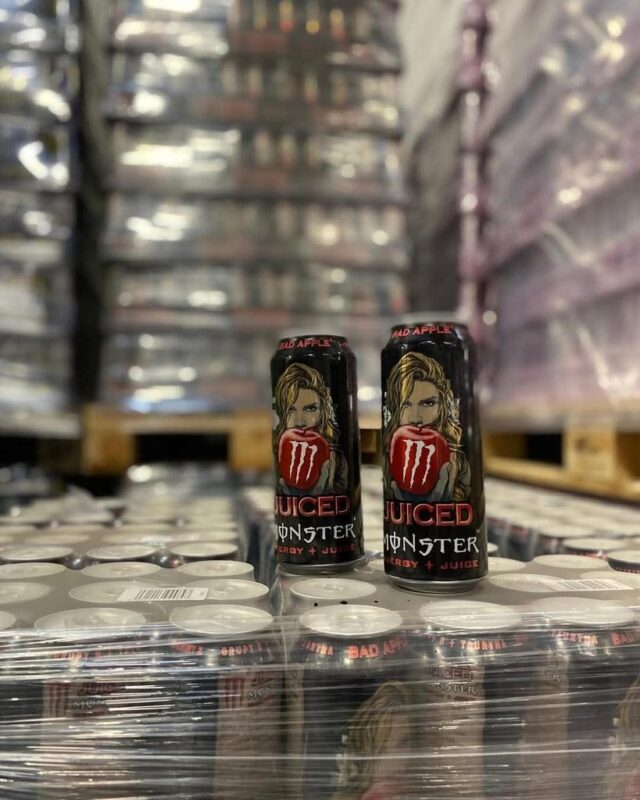
Australian beverage distribution presents significant opportunities for wholesalers who establish efficient supply chain coordination. The energy drink category continues demonstrating growth across multiple retail channels. Monster Energy brand strength creates reliable demand patterns that support sustainable wholesale distribution businesses.
Professional wholesale coordination separates successful distributors from competitors struggling with supply chain inefficiencies. Container-level sourcing provides the volume economics necessary for competitive pricing in wholesale markets. Documentation accuracy and quality consistency protect relationships with retail customers who depend on reliable product supply.
We coordinate with wholesale partners who understand the value of structured sourcing relationships. This includes distributors operating established networks, companies expanding into new territories, and export-focused operations serving broader Oceania markets. Our coordination framework accommodates various distribution models while maintaining consistent standards for product quality and logistics execution.
Energy drink wholesale supply coordination requires balancing multiple variables: product variety to match retail demand, volume efficiency to optimize freight costs, documentation accuracy for customs compliance, and delivery timing aligned with inventory management needs. Professional wholesale partners appreciate suppliers who manage these complexities through systematic coordination rather than reactive spot-market approaches.
Begin coordination discussions by sharing specific requirements for your distribution operation. Detailed information about volume needs, flavor preferences, destination logistics, and timeline expectations allows us to structure appropriate responses. Professional wholesale coordination builds on clear communication and realistic planning from initial contact through ongoing supply relationship development.