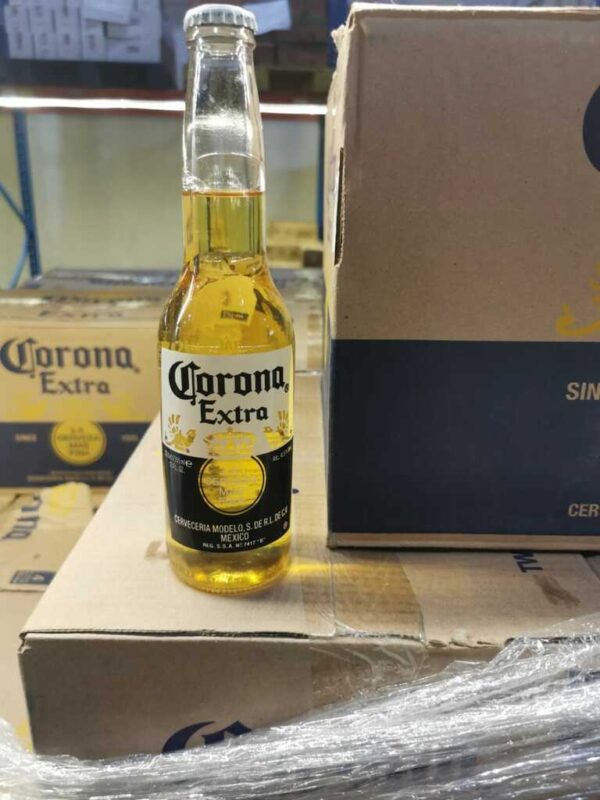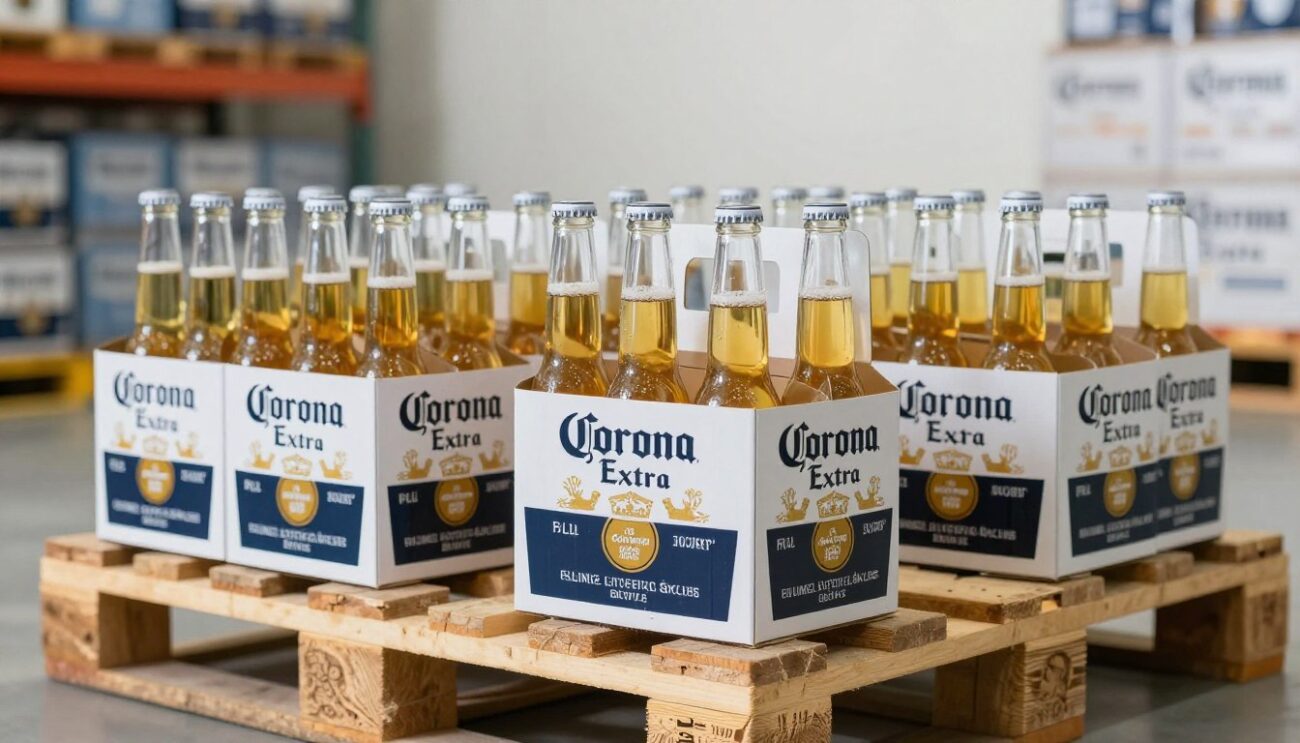

The United Arab Emirates continues to anchor premium beer distribution across the Gulf hospitality corridor. We see steady demand from Dubai, Abu Dhabi, and regional trade hubs where established distributors recognize Corona Extra as a cornerstone brand for beach clubs, hotel bars, and upscale retail environments. Wholesale buyers operating in these markets understand that consistent sourcing requires structured coordination, not just transactional ordering.
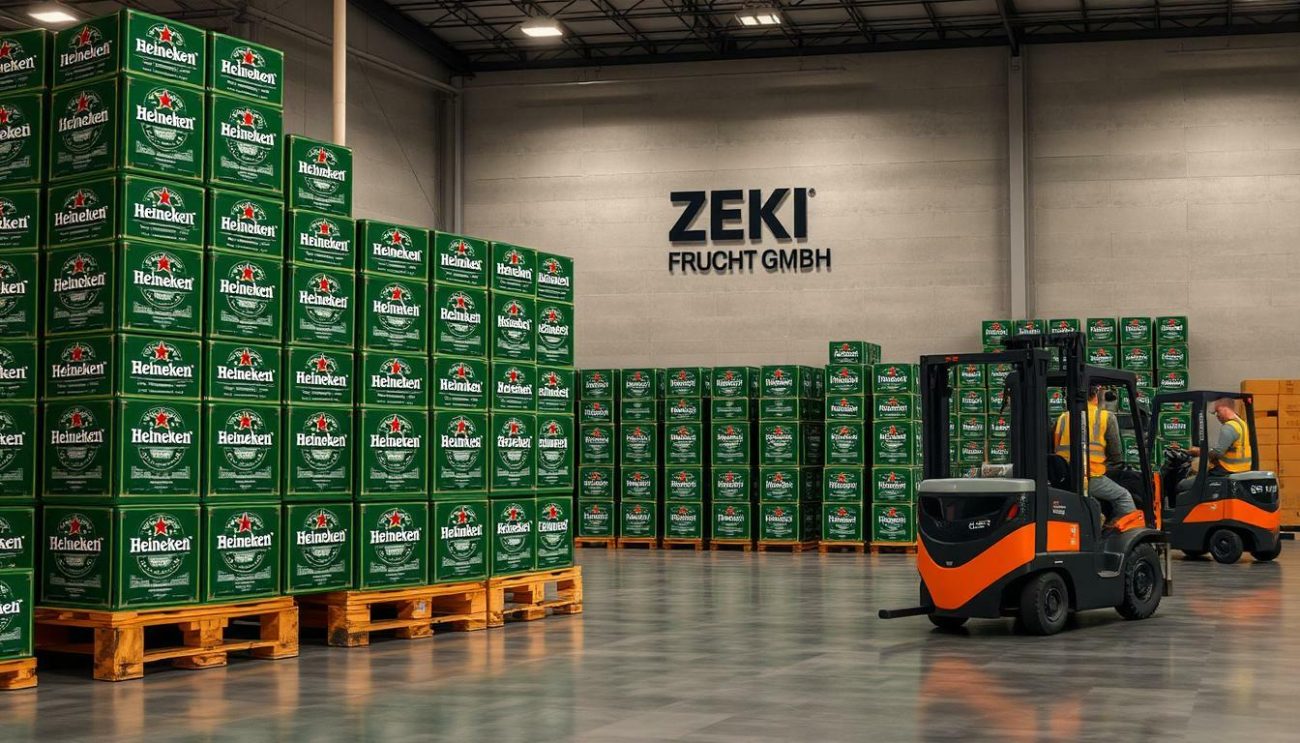
Zeki Frucht GmbH operates from Vienna, Austria. We coordinate Corona Extra wholesale sourcing based on confirmed buyer orders, then align export packaging discipline, batch tracking, and container shipment planning specifically for Gulf region delivery. Our model supports importers and distributors who manage pallet-level volumes and require reliable supply continuity rather than spot purchases.
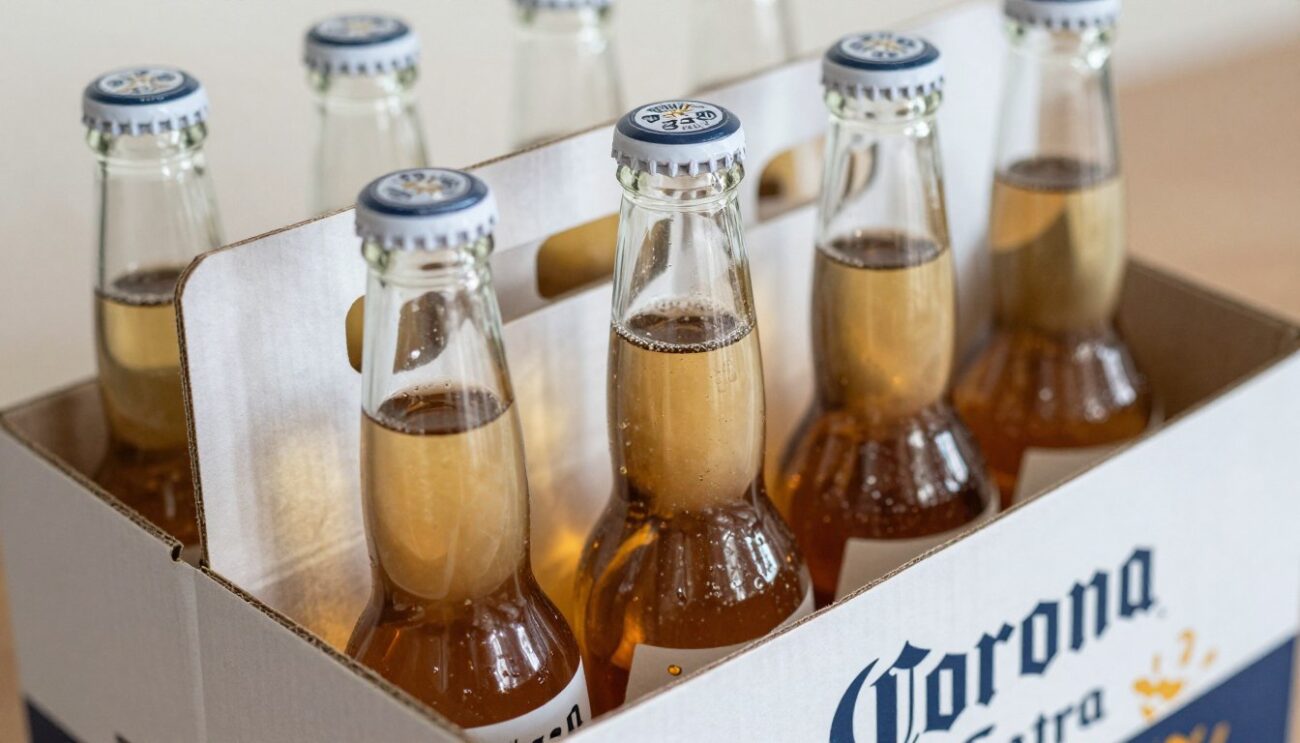
Production consistency matters deeply in wholesale beer trade. Every batch must meet the same flavor profile, shelf-life standards, and visual presentation that hospitality buyers expect. When buyers select a corona extra wholesale supplier, they evaluate more than just product availability—they assess packaging integrity for glass bottles, documentation accuracy for customs clearance, and shipment timing that aligns with inventory cycles.
<!– wp:embed {"url":"“} –>This production discipline translates directly to wholesale consistency. Buyers who understand how Corona Extra maintains brewing standards across global markets can predict product behavior through long supply chains. We coordinate with suppliers who follow these manufacturing protocols, ensuring that every container shipped to UAE ports carries the same quality expectations from brewery to final delivery point.
What Gulf Wholesale Buyers Prioritize in Corona Beer Bulk Supply
Distributors and importers operating across UAE and Gulf hospitality markets apply specific evaluation criteria when selecting beer wholesale partners. These priorities reflect real operational challenges in managing glass bottle products through international logistics chains and maintaining consistent inventory for high-volume outlets.

Supply Continuity
Hospitality buyers cannot afford stockouts during peak seasons. We coordinate sourcing schedules that align with buyer reorder patterns, supporting predictable container arrival windows. This structured approach ensures distributors maintain inventory levels without emergency spot buying that disrupts margin planning, helping preserve steady wholesale pricing and reliable stock for hotels, beach clubs, and retail chains.

Batch and Expiry Discipline
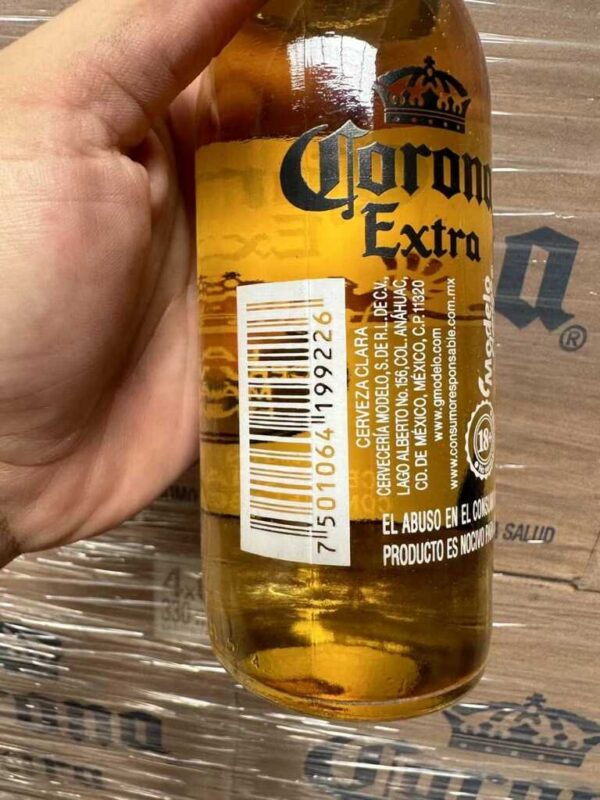
Glass bottle beer carries specific shelf-life considerations. We verify batch codes and production dates before shipment confirmation, ensuring containers arrive with adequate remaining shelf life for distribution cycles. This verification prevents aged inventory issues that create losses at retail and hospitality endpoints and supports predictable reorder cycles for Corona Extra beer across seasonal demand peaks.

Export-Ready Carton Standards
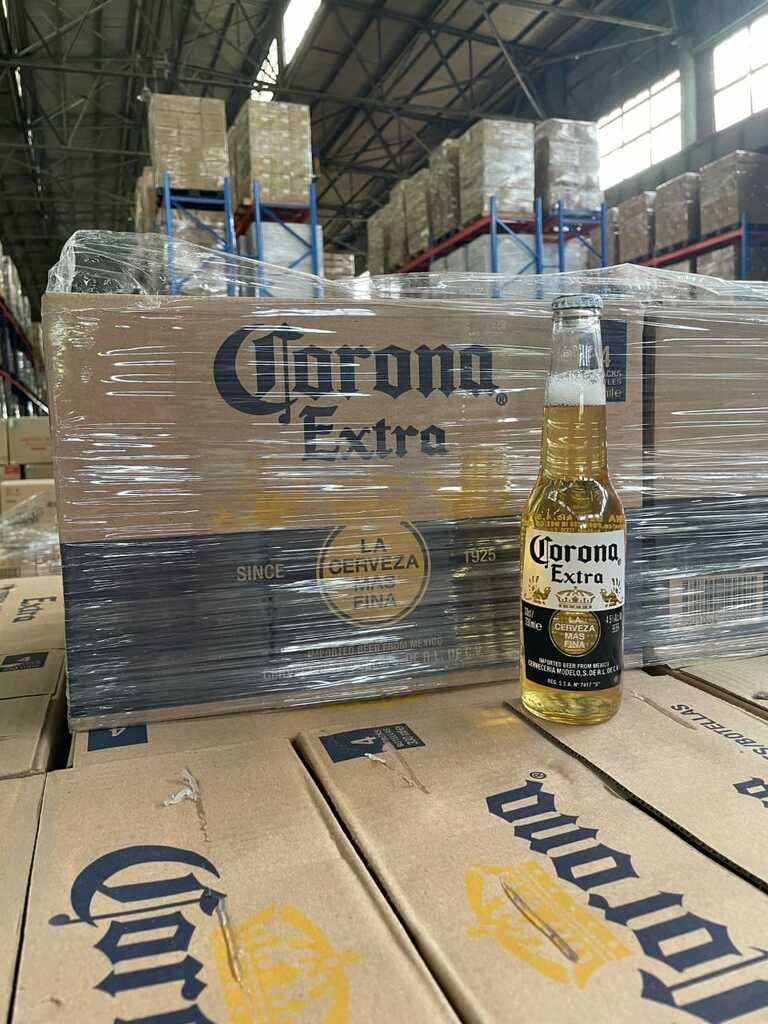
Corona Extra glass bottles require protective packaging that survives container transport and warehouse handling. We source only from suppliers who use export-grade cartons with proper dividers, reinforced corners, and moisture barriers. This packaging discipline reduces breakage claims and supports intact pallet presentation at destination, improving overall distribution efficiency for bulk orders and preserving product quality.
Container Planning and Load Stability
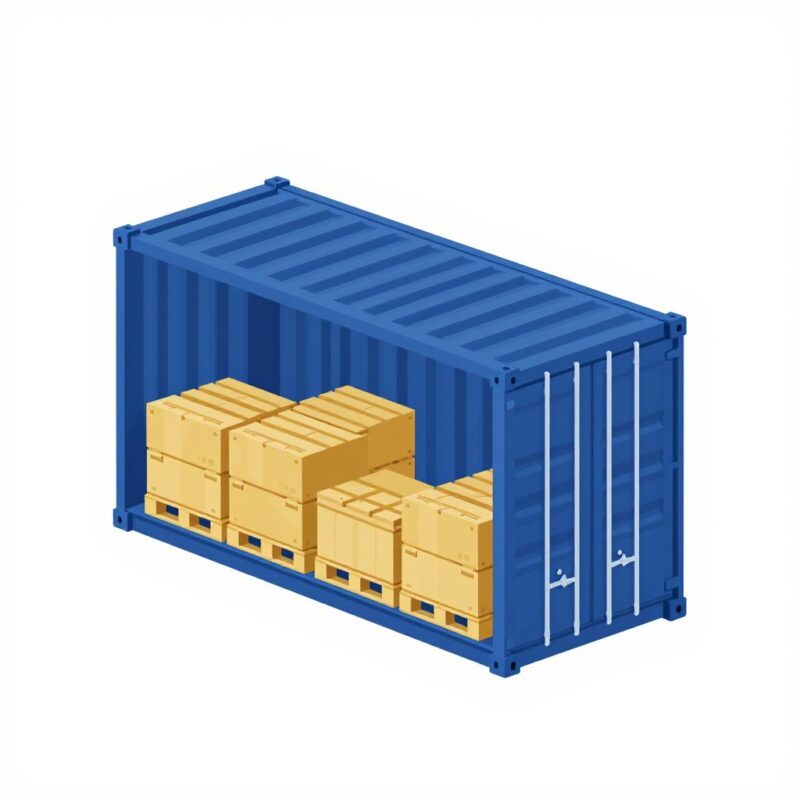
Efficient container utilization impacts total landed cost. We coordinate pallet configurations that maximize container cube while maintaining stable stacking patterns for glass products. This planning includes proper weight distribution and securing methods that protect cargo during ocean transit and port handling, reducing damage risk and supporting consistent replenishment for Gulf hospitality buyers.
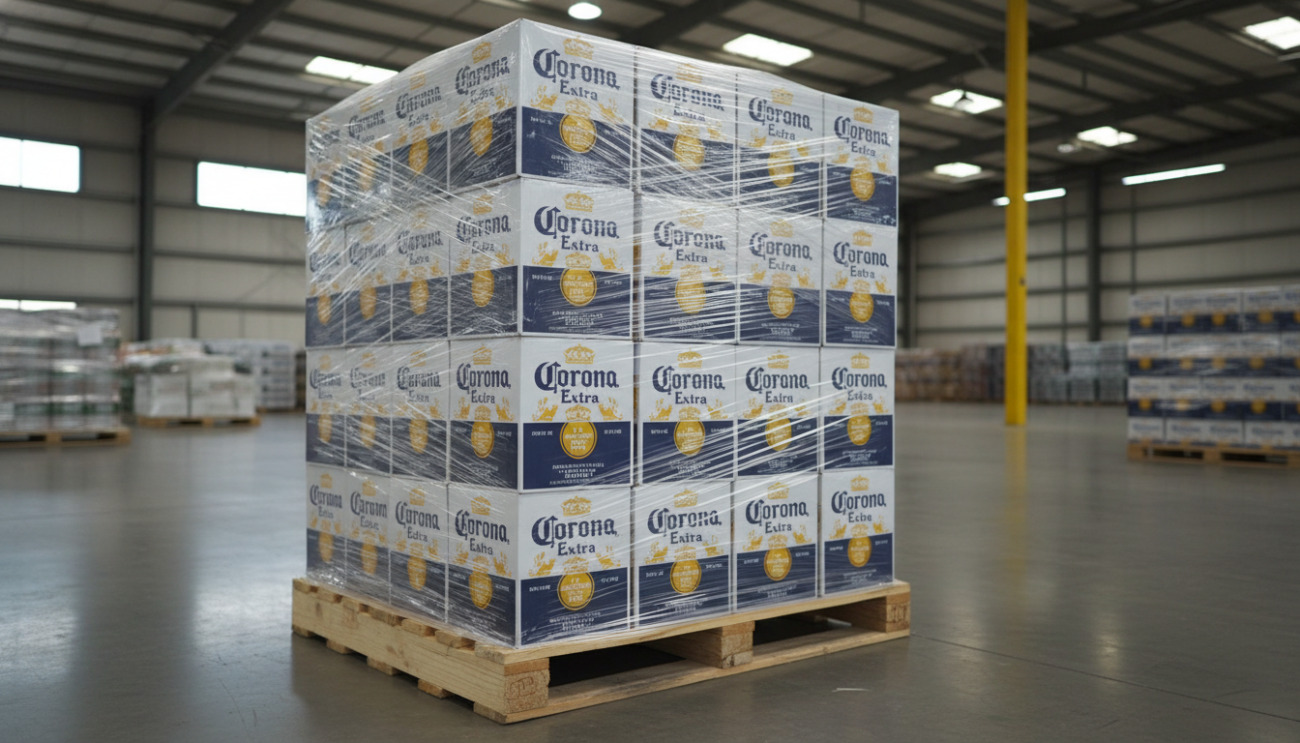
These operational priorities distinguish professional corona beer bulk supply relationships from simple product transactions. Buyers who manage regular container volumes need partners who understand the complete supply chain, not just the product itself. We work with importers who value this structured coordination approach for their Gulf market operations, ensuring predictable stock levels and efficient distribution from port to warehouse.
Ready to Coordinate Your Corona Extra Supply?
We support Gulf region distributors who order at container level and require consistent supply discipline. Reach out with your format preference, estimated monthly volume, and preferred delivery port. Our team will outline sourcing timelines and export coordination details aligned with your inventory planning, including estimated lead times so you can plan reorder cycles with confidence.
Corona Extra Formats and Export Presentation Standards
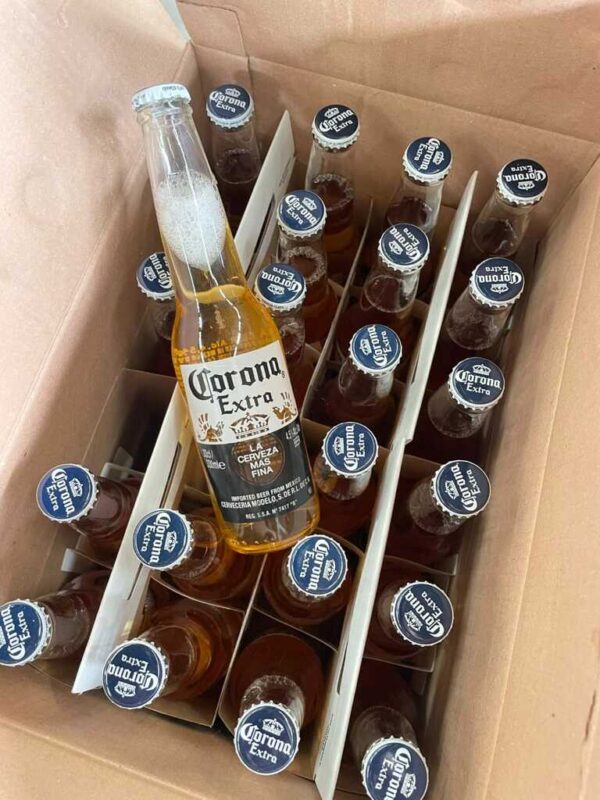
Wholesale buyers across UAE hospitality and retail channels request specific Corona Extra formats based on outlet type and consumer preferences. The two primary glass bottle formats dominate international trade: 330ml serves European-style venues and premium outlets, while 355ml aligns with North American hospitality standards. Both formats appear in Gulf market distribution, though buyer preference varies by channel strategy.
Formats Commonly Requested in Wholesale Trade
| Format | Primary Use Case | Export Packaging Notes |
| 330ml Glass Bottle | Premium beach clubs, upscale hotel bars, European-style restaurants, specialty retail | 24-bottle cartons standard, reinforced dividers, compact pallet footprint for mixed container loads |
| 355ml Glass Bottle | International hotel chains, North American-style venues, high-volume retail, hospitality supply | 24-bottle cartons typical, slightly larger cube per carton, popular for full-container single-format orders |
Export cartons for both formats follow similar protective principles but differ in dimensional specifications. Buyers planning mixed-format containers must account for these dimensional variations during pallet planning. We coordinate with suppliers who maintain consistent carton quality across both formats, ensuring uniform stacking stability regardless of format mix.
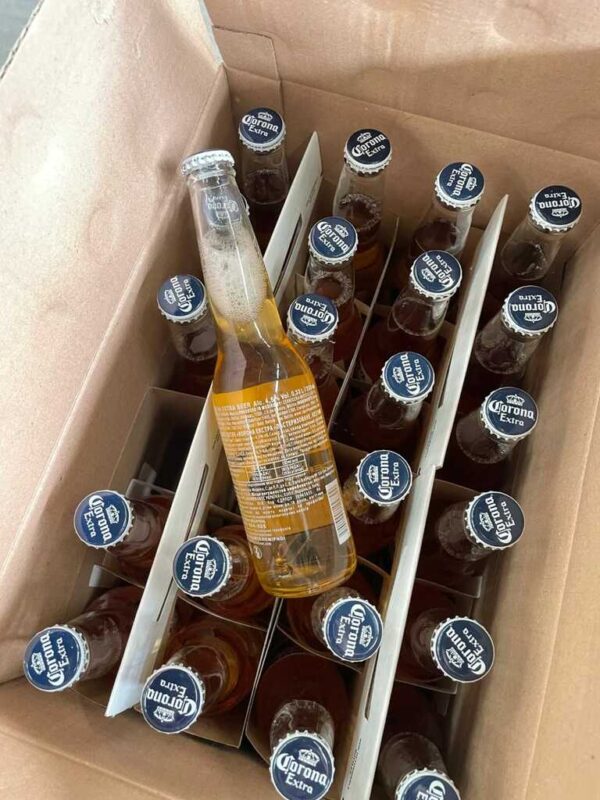
Export Carton Construction Details
Glass bottle protection begins with carton design. Export-grade cartons use multi-layer corrugated board with minimum burst strength ratings suitable for stacked container transport. Internal dividers separate each bottle, preventing glass-to-glass contact during movement. Carton flaps include reinforced closure systems that maintain integrity under pallet wrap tension and handling stress.
Moisture barriers matter for ocean transit. Quality export cartons incorporate water-resistant coatings or liners that protect against condensation exposure during container travel. This barrier prevents label damage and maintains carton structural integrity when containers experience temperature variations between origin and destination climates.
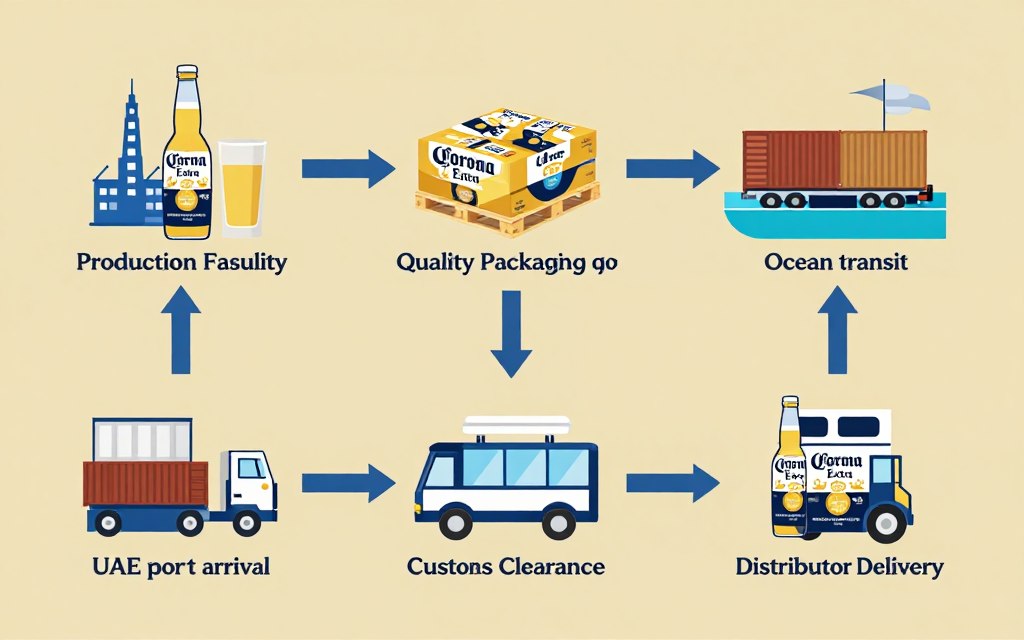
Labeling compliance supports smooth customs processing. Export cartons carry batch codes, production dates, volume declarations, and origin markings required for UAE import documentation. We verify that supplier carton labeling meets Gulf region customs standards before confirming shipment readiness. This verification step prevents clearance delays that disrupt buyer inventory schedules.
Buyers who import beer in bulk understand that carton quality directly impacts total product loss ratios. A well-constructed export carton costs marginally more than standard packaging but significantly reduces breakage claims and maintains product presentation through the complete supply chain. This cost-benefit calculation becomes obvious at container scale.
Export Packaging Discipline for Glass Bottle Beer Wholesale
Glass bottle handling represents the critical risk point in beer wholesale logistics. Unlike aluminum cans that tolerate handling stress, glass requires systematic protective measures from warehouse loading through final delivery. Professional premium beer wholesale distributor operations implement specific protocols that minimize breakage exposure across every supply chain stage.
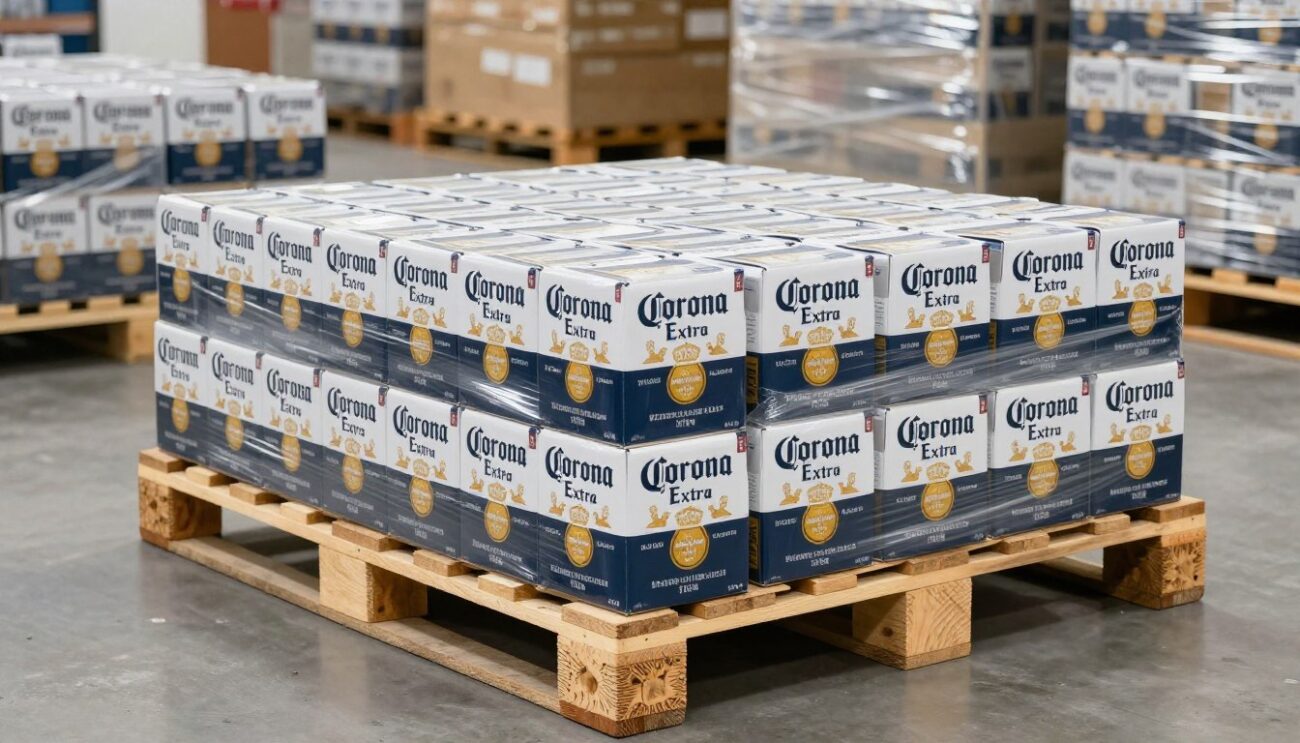
Pallet Assembly and Stabilization Methods
Proper pallet construction begins with load calculation. Each pallet must balance maximum cube utilization against safe stacking height for glass products. We coordinate with suppliers who follow tested pallet patterns: cartons arranged in interlocking layers that distribute weight evenly and prevent column collapse during transport movement.
Corner boards and edge protection create structural reinforcement around pallet perimeters. These rigid supports prevent strap damage to outer cartons and maintain pallet shape during handling operations. Top caps or sheets protect the uppermost carton layer from overhead impacts in warehouse environments and during container loading procedures.
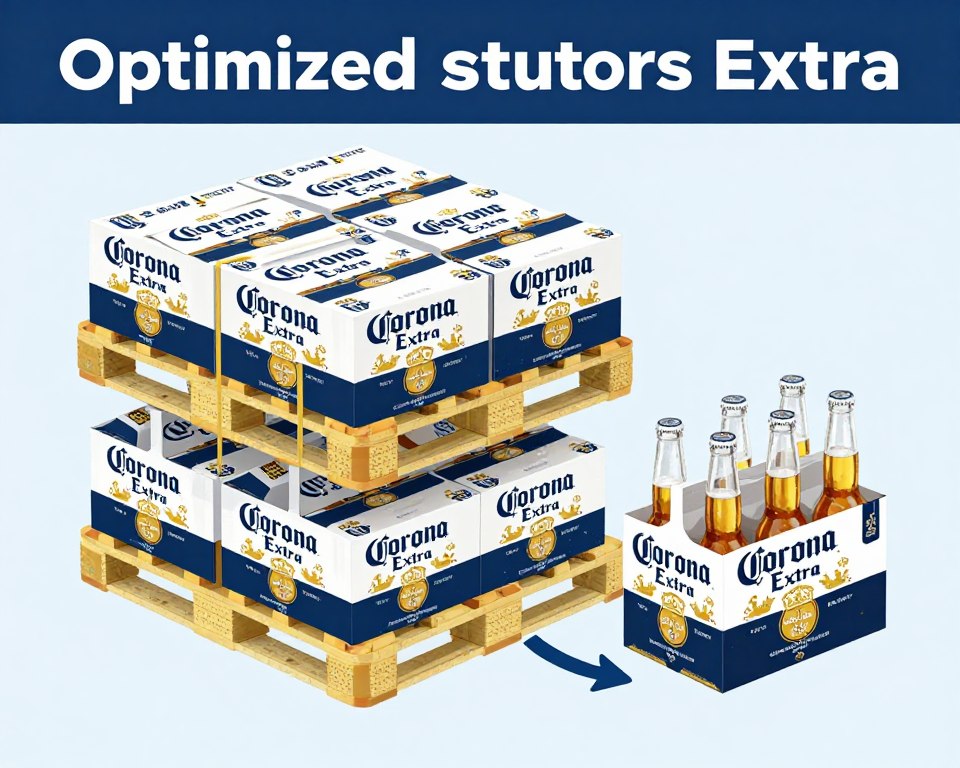
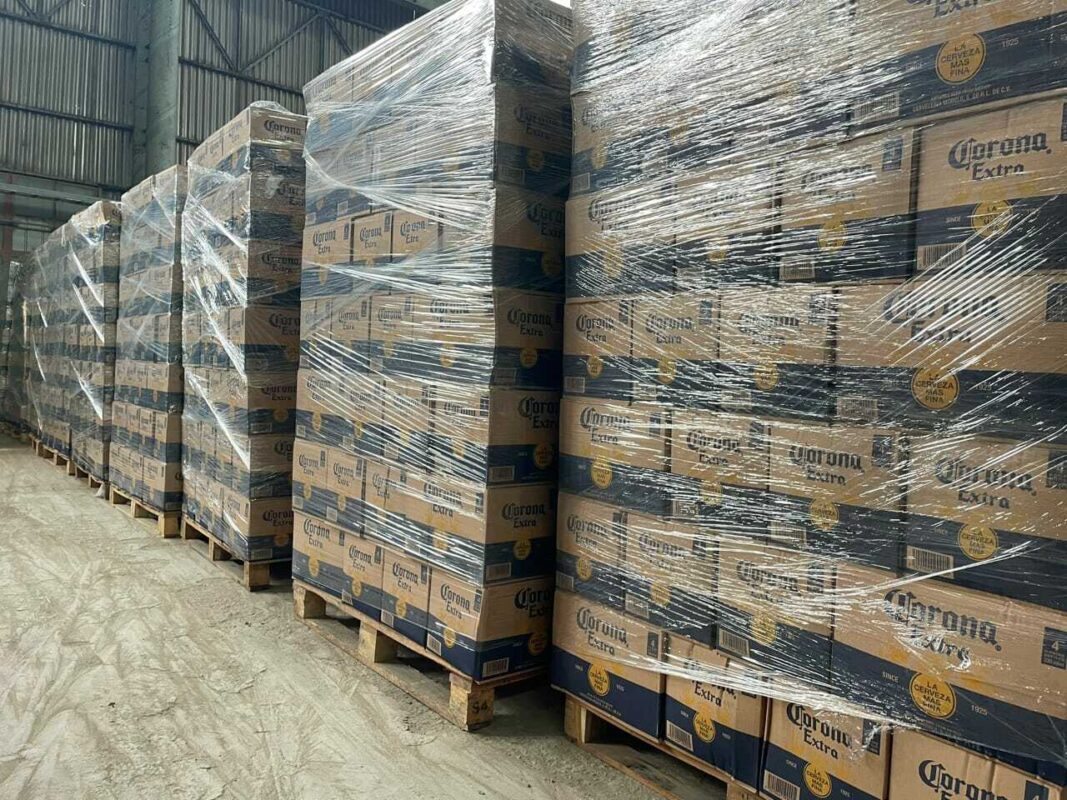
Stabilization methods vary by container type and destination requirements. Stretch wrap provides primary load containment, applied with proper tension and overlap to secure carton layers without crushing glass bottles. Some buyers request additional strapping for extra-long ocean transit routes or when discharge ports have rough handling reputations. We coordinate these specifications based on buyer experience and route conditions.
Warehouse Handling Best Practices
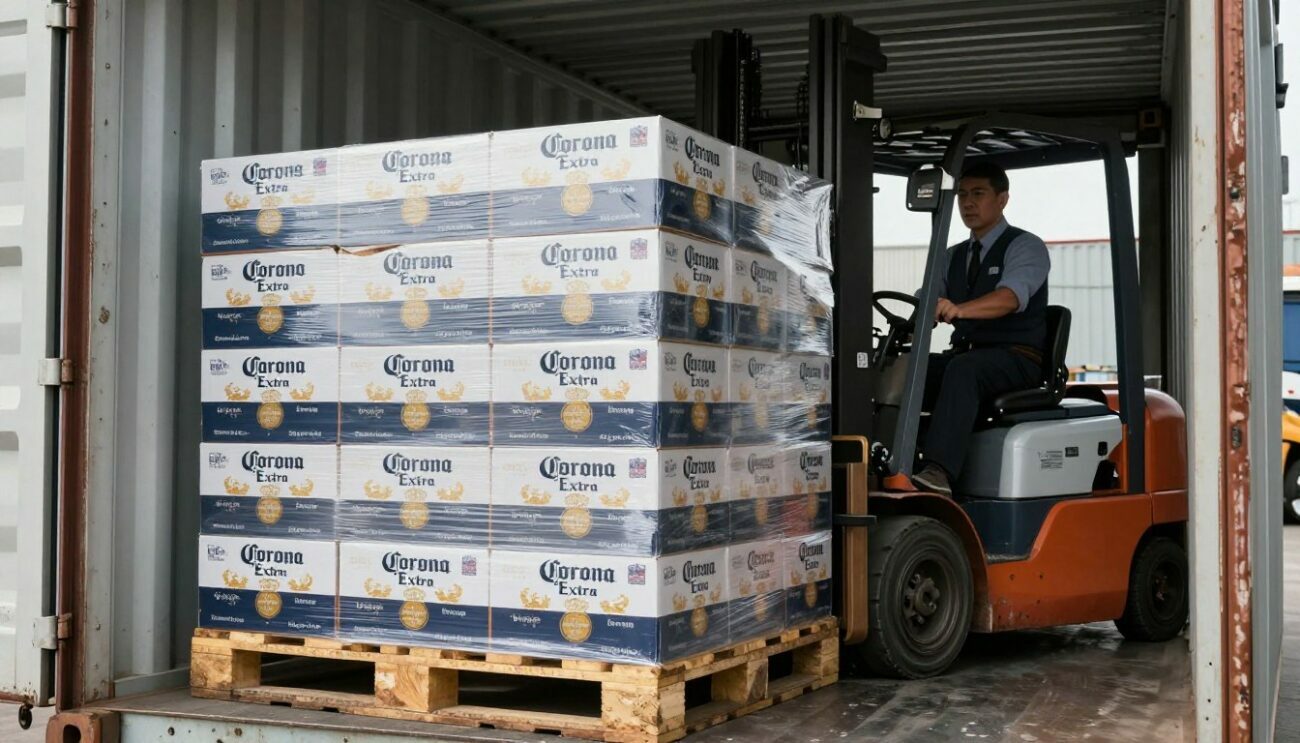
Forklift operators working with beer pallets follow specific approach techniques. Forks must fully extend under pallet deck to support the entire load, avoiding partial insertions that create carton stack stress. Lift heights stay minimal during warehouse movement, and acceleration remains controlled to prevent load shifting that damages bottles inside cartons.
Storage positioning in pre-shipment warehouses considers environmental factors. Pallets stay clear of moisture sources like drainage areas or condensation zones near refrigeration units. Stacking limits respect carton crush ratings—typically three to four pallets high for glass bottle beer products. This height restriction prevents bottom-layer carton compression that transfers pressure to glass bottles.
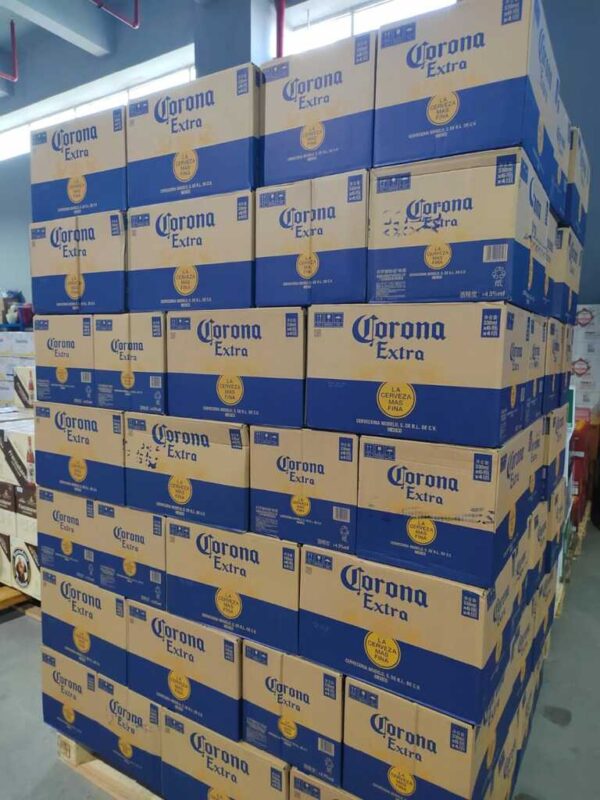
Temperature control impacts glass bottle integrity indirectly through packaging condensation. Rapid temperature changes cause moisture accumulation that weakens carton structure and creates slippery surfaces during handling. Warehouses maintaining steady ambient temperatures reduce these risks and preserve both product quality and packaging strength through the pre-shipment holding period.
These protective measures distinguish professional beer pallet supply operations from casual distribution approaches. Buyers who understand glass bottle vulnerability appreciate suppliers who implement systematic handling discipline rather than treating beer like generic palletized cargo. We work with facilities that recognize this product-specific handling requirement.
Container Coordination and Shipment Planning to UAE
Wholesale beer movement to Gulf destinations requires structured container planning that accounts for product characteristics, route conditions, and destination port capabilities. Buyers ordering bulk beer container shipment volumes must coordinate multiple variables simultaneously: container type selection, loading supervision, documentation accuracy, and timing alignment with inventory needs.
Container Type and Configuration Decisions
Standard dry containers serve most beer shipments effectively. Twenty-foot and forty-foot configurations offer different cube and weight trade-offs. The 20-foot container accommodates approximately 10-11 standard pallets with careful positioning, while 40-foot containers handle 20-22 pallets depending on pallet dimensions and loading pattern. High-cube variants add vertical space that benefits certain stacking strategies and can influence wholesale price calculations through improved cube utilization.
Reefer containers become relevant for specific route conditions or extended transit times where temperature control protects product consistency. However, most UAE-destined shipments from European origins use standard dry containers because transit duration and climate conditions stay within acceptable product tolerance ranges. Buyers evaluate this decision based on seasonal timing and specific route characteristics, balancing the incremental cost of temperature-controlled export against delivery risk.
Loading Supervision and Securing Procedures
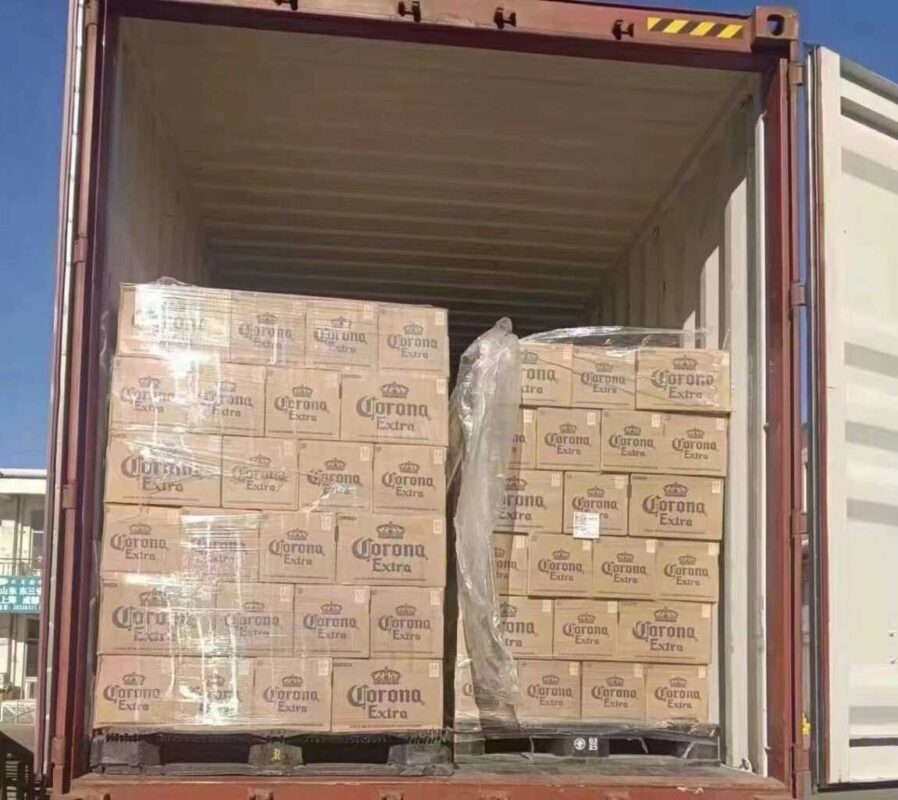
Container loading represents the final quality control point before ocean transit. Proper execution requires systematic pallet positioning that balances weight distribution and maximizes cubic utilization. Front-to-back weight balance prevents container tipping during handling, while side-to-side distribution maintains stability during vessel movement.
Securing methods depend on pallet stability and route conditions. Well-wrapped pallets with proper corner protection may require only strategic dunnage placement to prevent shifting. Rougher routes or less stable pallet configurations need additional securing: cargo straps, airbags between pallet rows, or blocking-and-bracing systems that create rigid load structures inside containers.
Loading supervision includes verification steps: confirming batch codes match booking documentation, checking carton condition before acceptance, and documenting any pre-existing damage. This verification creates clear responsibility boundaries between supplier, freight forwarder, and buyer—important protection for all parties when damage claims arise later in the supply chain.
Documentation Coordination and Incoterms Application
International beer shipments require coordinated documentation that satisfies customs authorities at both origin and destination. Core documents include commercial invoice, packing list, bill of lading, certificate of origin, and any product-specific certifications required by UAE import regulations. Each document must align perfectly—discrepancies trigger customs holds that delay container release and disrupt buyer inventory timing.
Incoterms define responsibility boundaries between seller and buyer. Common terms for UAE beer imports include FOB (Free On Board), where buyers assume responsibility once containers load at origin port, and CIF (Cost, Insurance, Freight), where sellers coordinate ocean freight and basic insurance. Buyers must understand these terms completely because they determine cost structures, risk transfer points, and insurance requirements. The International Chamber of Commerce Incoterms rules provide authoritative definitions that both parties should reference during negotiation.
UAE customs procedures follow frameworks established through the UAE government customs and duty information platform. While specific duty rates and clearance requirements change periodically, buyers should familiarize themselves with general import procedures applicable to alcoholic beverage categories in UAE trade zones to avoid unexpected delays or additional costs.
Shipment Timing and Schedule Coordination
Container scheduling requires backward planning from desired arrival dates. Buyers must account for ocean transit time (typically 2-3 weeks from European origins to UAE ports), customs clearance duration, and inland transport to final warehouse locations. Adding buffer time for potential delays prevents stockout situations when inventory cycles depend on shipment arrivals.
Vessel schedule reliability varies by shipping line and route. Major carriers serving UAE destinations generally maintain consistent schedules, but seasonal factors and port congestion occasionally create delays. We coordinate with freight partners who provide realistic transit estimates and communicate proactively when schedule changes affect container arrival windows.
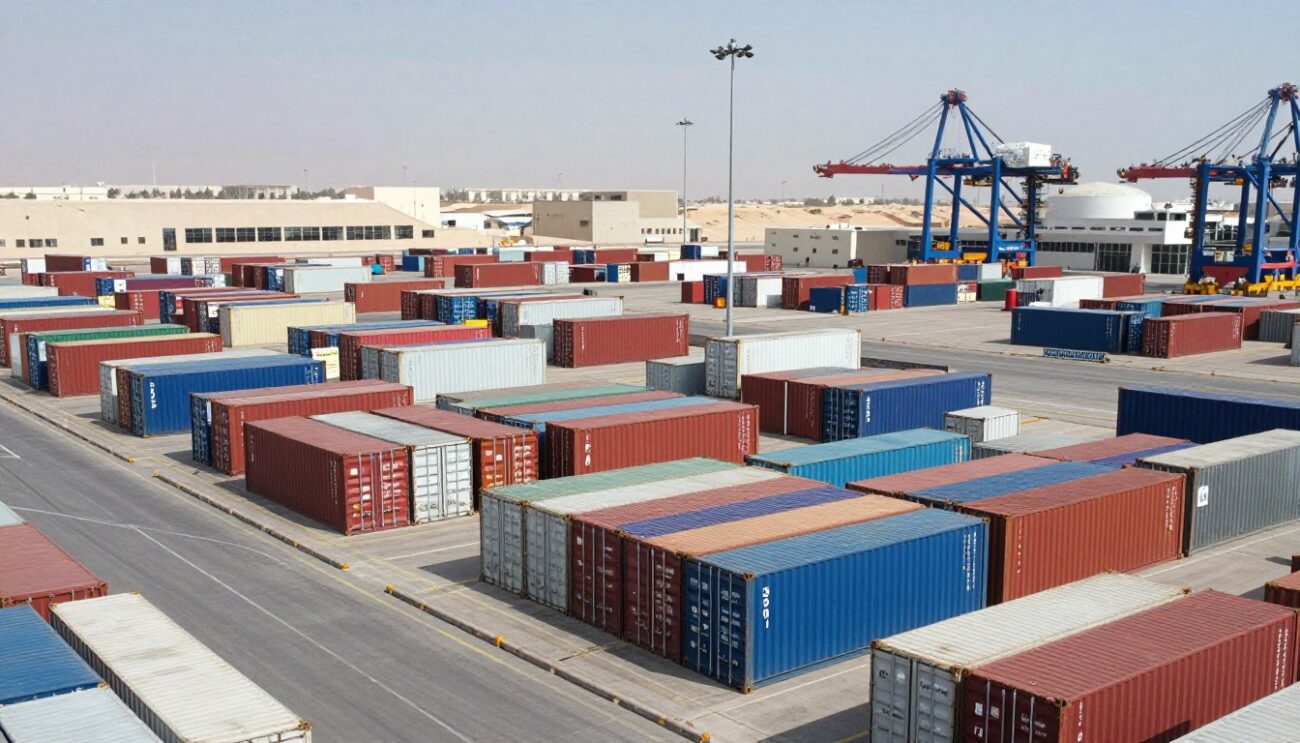
These coordination elements separate efficient wholesale beer export coordination from problematic shipments that create buyer frustration. Distributors managing regular container volumes need suppliers who understand complete logistics chains and communicate clearly throughout shipment cycles. Our Vienna-based coordination team works with buyers to establish realistic timing expectations and documentation standards that support smooth Gulf region deliveries.
Planning Your Next Container Shipment?
We coordinate Corona Extra container exports to UAE and Gulf ports with attention to loading discipline, documentation accuracy, and schedule alignment. Send us your target arrival timeframe, preferred Incoterm, and estimated volume. Our team will outline container planning options and coordinate with our freight network for schedule confirmation, including estimated transit times and delivery considerations to help you plan reorder cycles and wholesale pricing.
Why Corona Extra Maintains Consistent Pull-Through in Gulf Hospitality Markets
Brand recognition drives predictable reorder cycles in wholesale distribution. Unlike lesser-known labels that require constant promotional support, Corona Extra enters Gulf hospitality venues with established consumer awareness. This recognition creates natural pull-through that supports stable inventory rotation and reduces distributor marketing burden. Understanding why Corona Extra works for hospitality beer wholesale supply helps buyers evaluate long-term portfolio decisions.
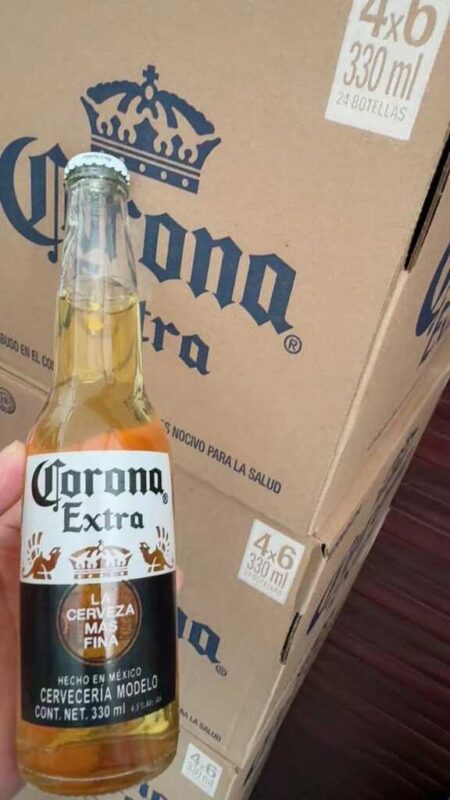
Consumer Brand Awareness and Purchase Intent
Corona Extra benefits from decades of consistent brand positioning around beach lifestyle and relaxed premium occasions. This positioning resonates strongly with Gulf region hospitality environments—beach clubs, poolside bars, coastal restaurants—where the brand image aligns naturally with venue atmosphere. Consumers arriving at these locations already associate Corona with the setting, creating immediate purchase consideration.
The distinctive clear bottle and signature lime presentation create instant visual recognition. Bar staff can identify Corona requests immediately, and the serving ritual reinforces brand experience. This operational simplicity matters in high-volume hospitality environments where speed and accuracy determine customer satisfaction and staff efficiency.
<!– wp:embed {"url":"“} –>Corona Extra holds position as a recognized global brand under the AB InBev portfolio, as confirmed through AB InBev’s official brand registry. This corporate backing provides brand continuity and marketing support that independent labels cannot match. Distributors benefit from this stability—the brand maintains consistent market presence regardless of local economic cycles.
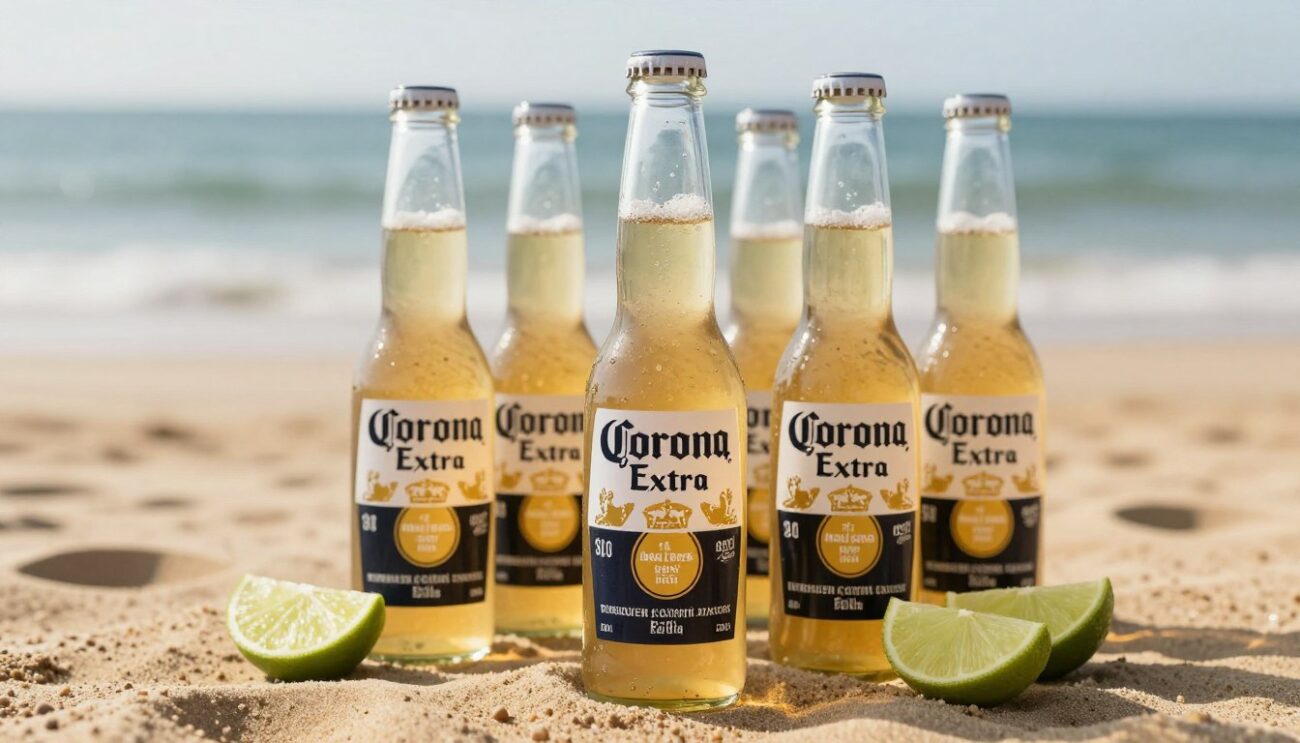
Brand demand translates to distribution efficiency through multiple mechanisms. Hospitality buyers stock Corona because guests request it specifically, reducing the need for expensive sampling programs or staff incentives. Retail buyers allocate shelf space because consumer awareness drives impulse purchases without extensive point-of-sale support. This natural demand reduces total distribution costs compared to building awareness for unknown brands.
Seasonal and Event-Driven Demand Patterns
Gulf region hospitality experiences pronounced seasonal demand variations. Peak tourist seasons, major events, and holiday periods create surges in premium beer consumption. Corona Extra participates in these demand spikes because established brand preference means consumers specifically seek the label during celebration occasions and vacation experiences.
Predictable seasonality supports inventory planning. Distributors can forecast Corona volumes based on historical patterns and upcoming event calendars. This forecasting capability allows advance container ordering that optimizes logistics costs and prevents emergency air-freight situations that destroy margin economics. Buyers working with reliable corona extra wholesale supplier partners can coordinate these advance orders with confidence.
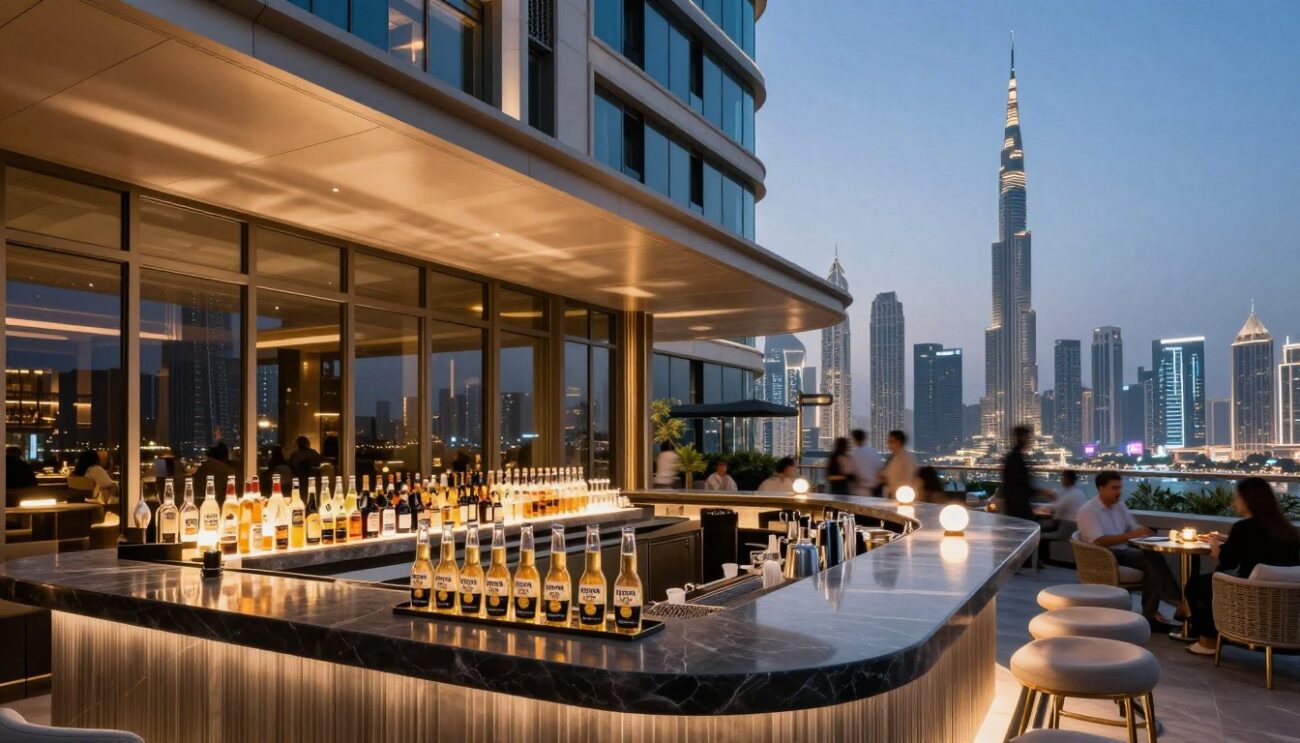
Portfolio Positioning for Retail and Hospitality Buyers
Corona Extra fills a specific role in beverage portfolios: premium-priced imported lager with strong brand recognition and lifestyle positioning. This positioning sits above mass-market domestic options but below ultra-premium craft segments. Buyers use Corona to capture consumers seeking recognized quality without moving into expensive specialty categories.
The brand works across multiple hospitality channel types. Beach clubs pour Corona for atmosphere alignment. Hotel bars stock it for international guest expectations. Casual dining restaurants offer it as a premium upgrade from house options. Retail chains display it for impulse purchase and gift occasion sales. This channel versatility means buyers can distribute one SKU across multiple outlet types, simplifying logistics and inventory management.
Margin economics remain favorable because Corona pricing supports premium positioning while brand recognition reduces promotional spending. Buyers achieve reasonable margins without the heavy marketing investment required for lesser-known imports. This balance between price positioning and distribution cost creates sustainable long-term profitability that supports consistent reordering patterns.
These brand characteristics explain why Corona Extra remains a staple in Gulf hospitality distribution despite premium pricing and import complexity. The brand performs reliably across seasons and channels, creating predictable business for distributors who maintain consistent supply relationships. We coordinate sourcing for buyers who recognize this brand stability and plan inventory accordingly.
Corona Extra Wholesale Coverage Across International Markets
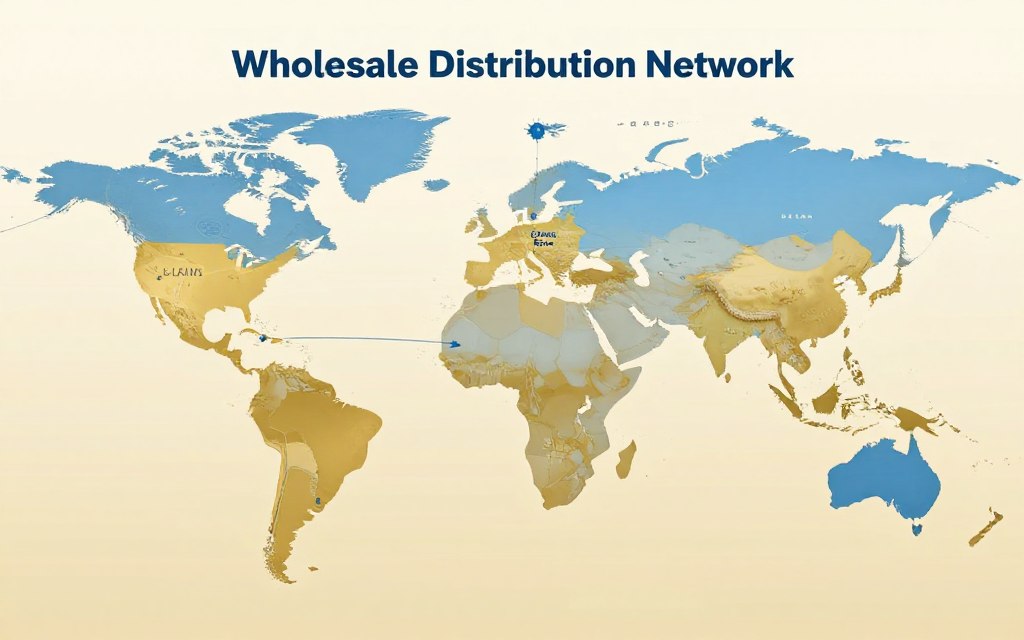
Our Corona Extra supply coordination extends across multiple regions where we have established sourcing relationships and logistics networks. This geographic coverage demonstrates our capability to manage export complexity and documentation requirements across different customs regimes and market conditions. Buyers benefit from working with suppliers who understand Corona wholesale dynamics in multiple markets, not just isolated regional operations.
We have developed structured Corona Extra wholesale and bulk supply solutions for distributors and importers that apply across different regional markets while respecting local regulatory and commercial requirements. This standardized approach allows us to maintain consistent quality expectations while adapting to specific market conditions.
Our Corona beer product coordination covers format specifications, packaging standards, and documentation requirements that wholesale buyers need for professional import operations. These product details remain consistent across markets, allowing distributors in different regions to reference the same baseline specifications.
Latin American Market Coordination Experience
Latin American markets present unique wholesale dynamics due to regional trade agreements, established distribution networks, and specific consumer format preferences. We coordinate Corona supply for buyers in multiple Latin American countries, each with distinct import procedures and commercial practices. Our Costa Rica Corona wholesale import and distributor operations demonstrate our ability to work within Central American trade frameworks and support buyers serving hospitality-focused tourist economies.
South American markets require different coordination approaches due to varying customs regimes and logistics infrastructure. We have established Corona Extra wholesale import processes for Chilean distributors that account for Pacific coast logistics and Southern Cone commercial practices. Similarly, our Peru Corona wholesale import and distributor coordination addresses Andean region requirements and Lima-centered distribution networks.
Asian Market Sourcing Capabilities
Asian markets represent growing opportunities for premium imported beer distribution. We coordinate Corona Extra supply for buyers in Southeast Asian markets where hospitality development and consumer income growth drive imported beer demand. Our Vietnam Corona Extra wholesale and large-volume import solutions support distributors serving this emerging market’s expanding hospitality sector.
These international market relationships inform our Gulf region coordination. Lessons learned managing documentation complexity in Latin American customs apply to UAE requirements. Container loading best practices developed for Asian routes translate to Middle Eastern destinations. Buyers working with us benefit from this accumulated cross-market experience that improves operational reliability and reduces problem-solving time when issues arise.
Brand information resources help buyers understand Corona Extra positioning across global markets. The official Corona brand and products overview provides context about brand heritage, product range, and marketing positioning that informs distribution decisions in any market.
Payment Terms and Trade Finance Coordination
Wholesale beer transactions require clear payment structures that balance risk for both suppliers and buyers. Our standard payment approach follows common international trade practices: 50% advance payment upon order confirmation, with the remaining 50% against presentation of Bill of Lading or by mutual agreement based on buyer relationship and order history. This structure provides suppliers with working capital for procurement while giving buyers security through documentation control before final payment.
Payment terms may adjust for established buyers with proven track records and regular ordering patterns. We discuss alternative arrangements including letter of credit structures, extended payment schedules for larger volumes, or modified advance percentages for buyers maintaining consistent monthly container orders. These discussions happen directly between our coordination team and buyer finance departments to align trade finance options with your procurement cycles.
We do not publish pricing or minimum order quantities because these variables depend on current market conditions, origin location, destination port, order volume, and timing requirements. Buyers receive specific quotations based on their detailed inquiry information: format preference, estimated volume, destination, and target timeline. This customized approach ensures quotations reflect actual costs—including wholesale price and delivery considerations—rather than generic pricing that may not apply to specific buyer situations.
Frequently Asked Questions from Corona Extra Wholesale Buyers
What container volumes do you coordinate for Corona Extra shipments to UAE?
We coordinate both 20-foot and 40-foot container shipments based on buyer volume requirements and warehouse capacity. A standard 20-foot container accommodates approximately 1,200-1,400 cases (depending on format and pallet configuration), while 40-foot containers handle roughly 2,400-2,800 cases. Buyers should consider their monthly sales velocity and storage capacity when selecting container size. We can discuss mixed-format loading if buyers serve multiple channel types requiring different bottle sizes.
How do you ensure batch consistency and remaining shelf life for glass bottle beer?
We verify production dates and batch codes before confirming any shipment. Our coordination process includes checking that containers carry products with at least 75% of total shelf life remaining at time of loading. This standard ensures buyers receive product with adequate time for distribution cycles and retail shelf rotation. We document batch information on packing lists and commercial invoices, allowing buyers to track inventory age and implement proper FIFO (first-in, first-out) warehouse management.
What documentation do you provide for UAE customs clearance?
Standard documentation includes commercial invoice, detailed packing list, bill of lading, certificate of origin, and supplier declarations. We coordinate these documents with freight forwarders and ensure all paperwork aligns with UAE customs requirements for alcoholic beverage imports. Buyers receive document copies electronically before original hard copies accompany the shipment. We work with experienced freight partners familiar with UAE port procedures to minimize clearance complications.
Can you coordinate split shipments across multiple UAE delivery points?
Yes, we coordinate with freight partners who offer container devanning and local distribution services within UAE. Buyers operating warehouses in multiple emirates (Dubai, Abu Dhabi, Sharjah) can request split delivery from single containers. This service adds coordination complexity and local handling costs, but provides flexibility for buyers managing geographically dispersed operations. We discuss these arrangements during shipment planning based on specific buyer distribution networks.
What lead time should buyers plan between order confirmation and UAE port arrival?
Total timeline from order confirmation to UAE port arrival typically spans 4-6 weeks. This includes procurement coordination (7-10 days), container loading and documentation (3-5 days), ocean transit (14-21 days depending on origin port and vessel schedule), and port arrival processing. Buyers should add another 3-5 days for customs clearance and inland transport to final warehouse location. We provide specific timeline estimates during quotation discussions based on current vessel schedules and origin port availability.
Coordinating Your Corona Extra Supply for Gulf Market Operations
Professional wholesale beer distribution requires more than product availability—it demands structured coordination that addresses packaging integrity, documentation accuracy, logistics timing, and consistent quality standards. Buyers operating in UAE and Gulf hospitality markets understand these requirements because their business success depends on reliable supply chains that support predictable inventory rotation.
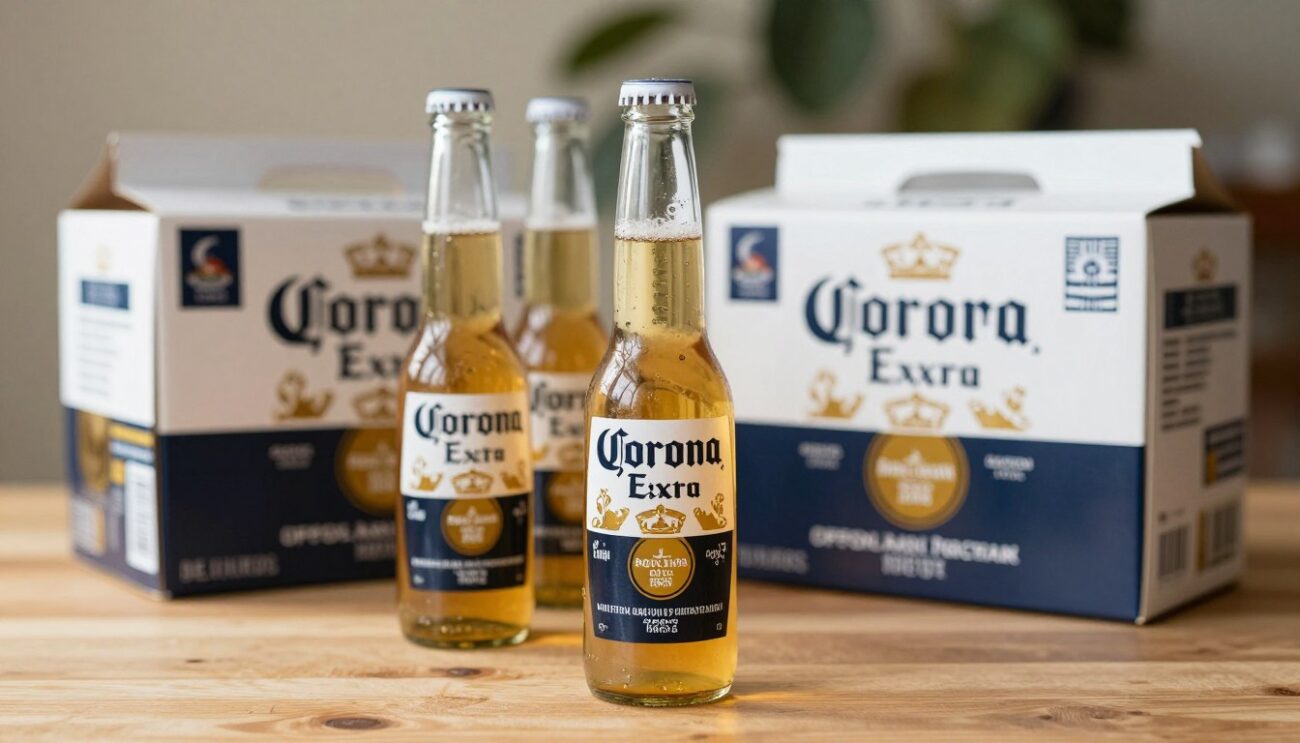
Corona Extra maintains its market position through brand recognition that creates natural consumer demand, reducing distribution costs while supporting premium pricing strategies. Buyers who select Corona for their portfolios invest in a brand with proven pull-through across hospitality channels and seasonal demand cycles. This brand stability translates to business predictability that supports long-term distribution planning and helps stabilize wholesale price expectations.
Our Vienna-based coordination team works with Gulf region buyers who value systematic export discipline over transactional spot buying. We coordinate sourcing schedules aligned with buyer reorder patterns, verify batch quality before shipment commitment, and manage documentation requirements that support smooth customs processing. This structured approach serves buyers managing regular container volumes rather than occasional small orders, enabling reliable delivery and consistent stock for high-volume outlets.
If your operation distributes premium beer at wholesale scale across UAE hospitality or retail channels, we invite you to discuss your Corona Extra requirements with our coordination team. Send us your preferred format (330ml or 355ml glass bottles), estimated monthly or quarterly volume, destination port, and target timeline for first delivery. We will outline sourcing coordination, provide specific container planning options, and explain documentation processes relevant to your import procedures.
Start Your Corona Extra Supply Coordination
Professional wholesale buyers in UAE and Gulf markets rely on structured Corona Extra supply relationships. Contact our team with your specific requirements: format preference, estimated volume, destination port, and timeline expectations. We coordinate sourcing, export packaging, container planning, and documentation to support your distribution operations.
We look forward to coordinating Corona Extra wholesale supply that supports your Gulf market distribution success. Our team responds to serious buyer inquiries within one business day with initial coordination details and timeline estimates.