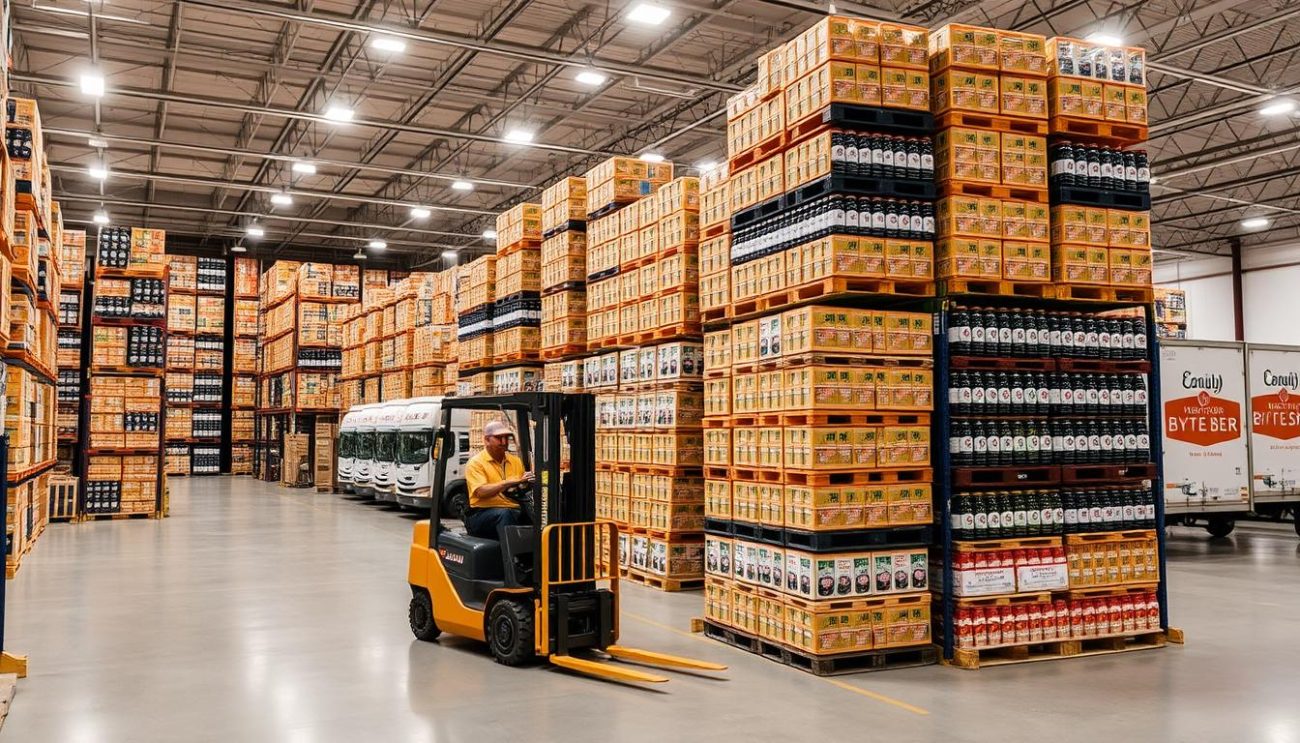

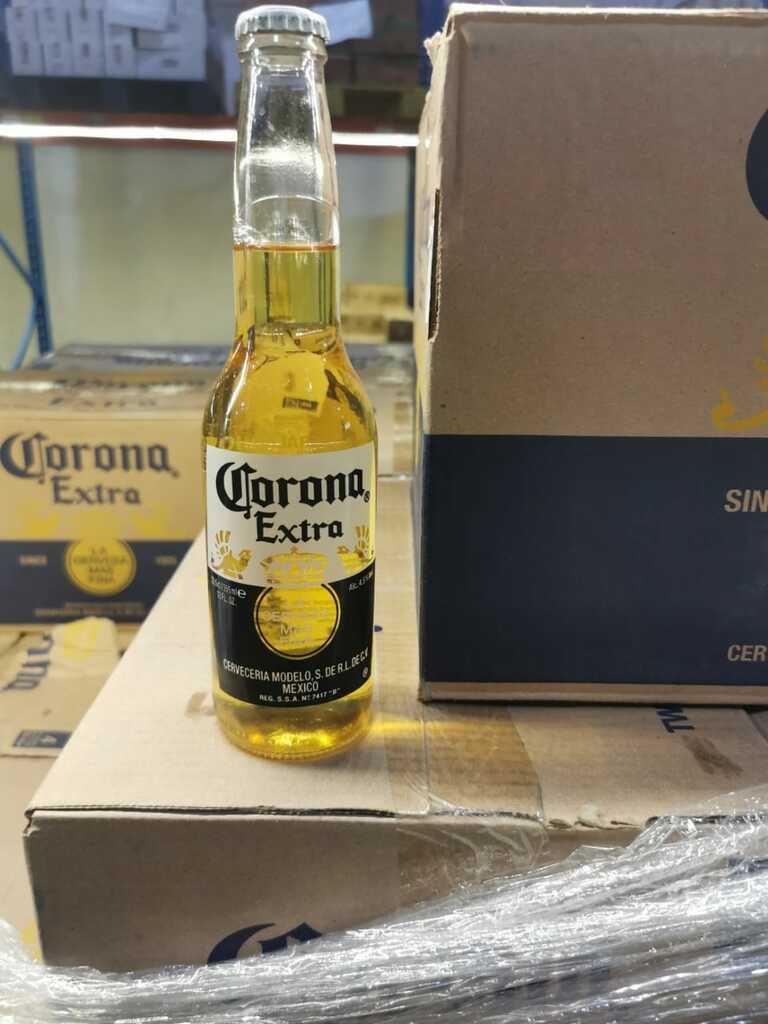
Export-ready Corona Extra coordination for distributors, hospitality procurement, and bulk buyers who require stable rotation and clean documentation alignment.
We coordinate Corona Extra wholesale supply for Southern Africa through structured sourcing partnerships. This approach protects batch consistency and export readiness. Our coordination model serves experienced wholesale buyers who understand container planning and documentation requirements. We work with distributors, bulk buyers, retail chain procurement teams, and hospitality supply managers who plan pallet-level orders.
The wholesale beer market in this region rewards predictable supply patterns. Buyers need stable inventory planning. Corona Extra sits as a premium beer lager with consistent global demand. Our role focuses on coordinating sourcing after confirmed wholesale orders. This protects freshness and maintains batch discipline. We do not manufacture Corona Extra beer. We facilitate structured access through verified partners.
Zeki Frucht GmbH operates from Vienna, Austria. We coordinate wholesale beer export coordination for bulk buyers across multiple markets. Our process begins with confirmed order parameters. We then align sourcing with export presentation standards. This model supports beer pallet supply programs that require documentation accuracy and container readiness.
Production discipline matters when planning pallets and bulk beer container shipment loads. Wholesale buyers evaluate suppliers based on consistency. The production process for Corona Extra follows strict protocols. These protocols ensure that every bottle meets quality standards. Batch control systems track production runs. This tracking supports traceability for export documentation.
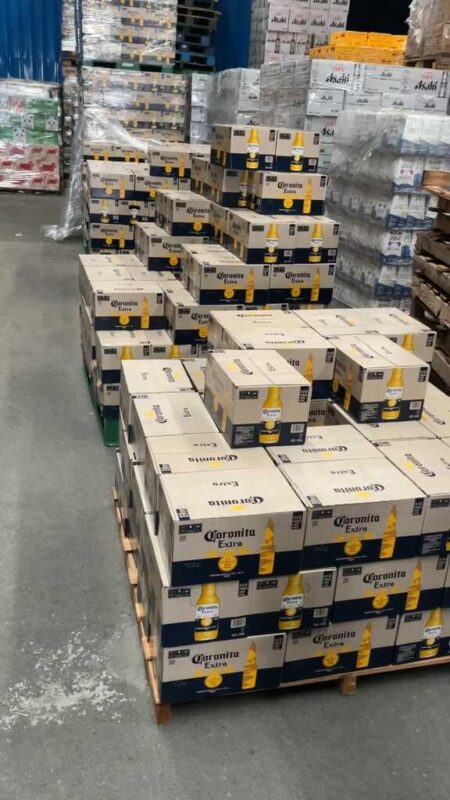
Consistency creates distributor confidence. When wholesale beer pallet delivery arrives as specified, receiving teams process shipments efficiently. Batch discipline means that format specifications match order confirmations. Glass bottle integrity remains intact throughout transit. Carton presentation supports smooth warehouse intake. These factors reduce claims and build long-term supply relationships.
Export readiness depends on understanding how production discipline translates into container loading. We coordinate with partners who prioritize these standards. Our focus remains on protecting the supply chain from confirmation through dispatch. This structured approach serves buyers who require predictable reorder patterns and stable rotation cycles.
Why This Market Demands Structured Import Programs
Wholesale buyers in Southern Africa prioritize predictable reorder patterns. Markets with sophisticated distribution networks require suppliers who understand inventory flow. Distributors plan purchasing cycles around stable supply windows. Import beer in bulk programs succeed when coordination remains consistent. One-time shipments create operational disruption. Structured programs build cash flow stability.
Cold-chain awareness shapes handling expectations. While not all beer shipments require full refrigeration, temperature control during storage matters. Distributors evaluate how suppliers approach thermal protection. We coordinate with partners who understand export container environments. Glass bottles demand protection from temperature extremes during transit. Documentation must reflect handling requirements accurately.
Port windows and documentation readiness define successful import operations. Clearing customs requires precise paperwork alignment. Bills of lading must match commercial invoices. Packing lists need accurate product descriptions. Certificate requirements vary by destination regulation. We coordinate documentation preparation with experienced logistics partners. This reduces clearance delays and demurrage costs.
Stable pallet builds support efficient warehouse receiving. Mixed loads require careful planning. Pallet layers must align with format dimensions. Weight distribution affects container stability. We plan loads based on confirmed order specifications. This planning protects product integrity and simplifies receiving processes.
Rotation Stability Comes From Supply Discipline, Not Promises.
Corona Extra fits hospitality demand patterns through steady turnover rather than novelty appeal. Restaurant and bar buyers reorder based on consistent customer requests. The premium beer category maintains stable velocity in quality-focused venues. Wholesale programs succeed when suppliers deliver the same formats reliably. This consistency supports menu planning and inventory management for hospitality operators.

Corona Extra Formats & Export-Ready Packaging Overview
Format selection impacts distribution channel fit and handling requirements. We coordinate supply for two primary Corona Extra glass bottles wholesale formats. Each format serves specific market segments. Understanding these differences helps buyers plan orders that align with their channel mix and customer preferences.
| Format | Best Fit Channel | Export Handling Note |
| 330ml glass bottle | Hospitality venues and premium retail outlets | Standard export cartons with label integrity checks throughout supply chain |
| 355ml glass bottle | Universal trade format suitable for diverse retail and on-premise accounts | Pallet stability planning and carton compression control for container loading |
Corona extra glass bottles wholesale planning depends on carton integrity and stacking discipline. Glass requires shock protection during container movement. Carton corner strength affects pallet stability. We coordinate with partners who verify carton construction before loading. Compression testing ensures cartons withstand stacking weight. These quality checks protect product presentation and reduce breakage claims.
Label integrity matters for retail presentation. Moisture exposure during transit can damage labels. Premium beer positioning requires clean label appearance. Export cartons need moisture barriers. Storage conditions at origin and destination ports affect label quality. We verify that packaging specifications include appropriate protection measures.
Packaging Excellence: Carton Discipline & Pallet Presentation Standards
Carton integrity starts with material specification. Export-grade corrugated board provides structural strength. Corner reinforcement prevents collapse under stacking pressure. Flap closure methods must withstand container movement. We coordinate with partners who maintain strict carton quality standards. Random carton samples undergo compression testing before production runs begin.
Glass protection requires internal packaging design that limits bottle movement. Bottle dividers separate individual units within cartons. Divider material must absorb shock without degrading. Carton interior space must match bottle dimensions precisely. Excess space allows bottle shifting during transit. Insufficient space creates compression pressure on glass. Both conditions increase breakage risk.
Presentation matters for wholesale receiving operations. Clean carton printing supports brand positioning. Smudged or damaged cartons create quality perception issues. Receiving teams often photograph shipments for documentation. Poor carton appearance can trigger receiving disputes even when product inside remains undamaged. We emphasize clean handling throughout the coordination process.
Pallet stability supports efficient receiving and reduces handling labor costs. Uniform carton dimensions enable tight pallet builds. Layer patterns must alternate for interlock stability. Stretch wrap application requires proper tension and coverage. Over-wrapped pallets restrict inspection access. Under-wrapped pallets risk shifting during forklift movement. Professional loading teams understand these balance requirements.
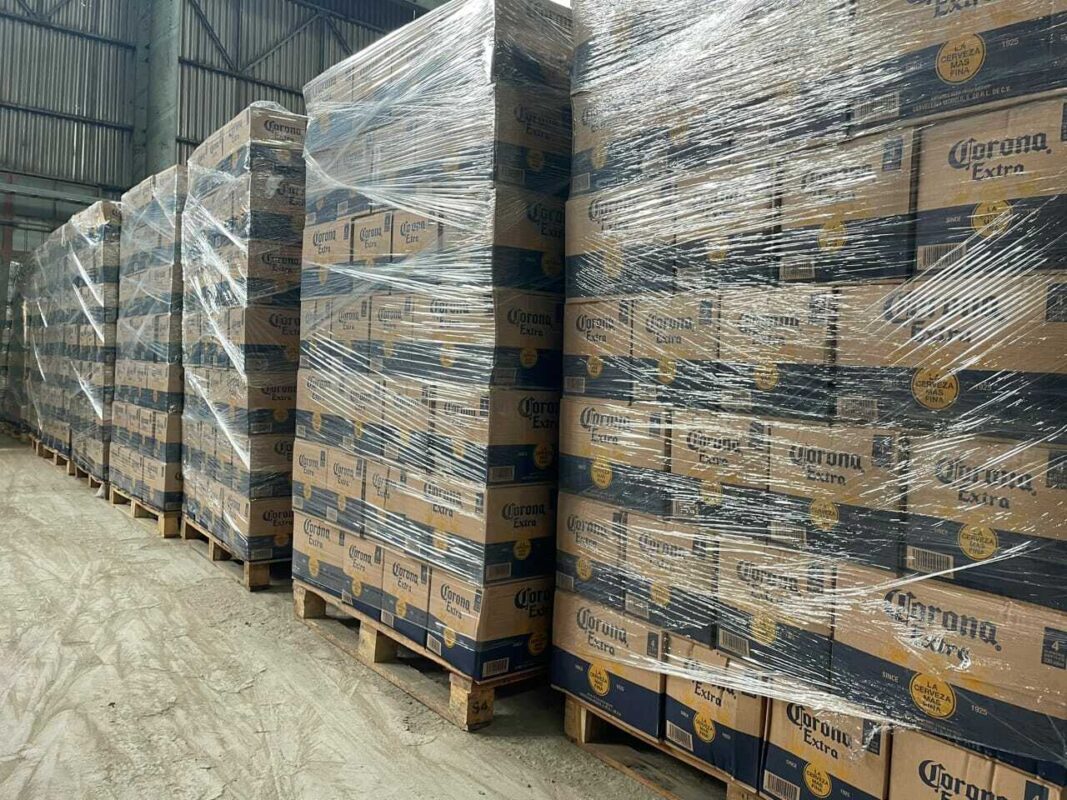
Carton Integrity Check
Pre-loading verification of carton corner strength, flap closure quality, and printing clarity protects brand presentation during wholesale receiving.
Pallet Stability Planning
Layer pattern design and stretch wrap specifications ensure container movement does not compromise pallet integrity or product protection.
Batch Discipline Allocation
Production batch tracking supports traceability requirements and enables rapid response if quality issues emerge during distribution.
Export Documentation Alignment
Commercial invoice accuracy, packing list precision, and certificate coordination reduce customs clearance delays at destination ports.
Wholesale Coordination Workflow – From Confirmed Order to Export-Ready Loading
Our coordination process follows a structured sequence. Each step builds on previous confirmations. This workflow protects both buyer and supplier interests. We begin only after receiving clear order parameters. Speculative coordination creates waste and increases costs. Confirmed orders enable efficient resource allocation.
Step 1: Confirmation of Format and Volume Intention
Buyers specify desired formats, estimated volume range, destination port, and preferred shipping window. This information enables accurate sourcing coordination. We confirm our ability to coordinate supply based on these parameters. Clear communication at this stage prevents misunderstandings later. We discuss any special requirements such as labeling specifications or documentation needs.
Step 2: Sourcing Coordination Via Partners Based on Confirmed Order
Zeki Frucht GmbH coordinates sourcing after confirmed wholesale orders to protect freshness and batch discipline. We work with established partners who maintain product quality standards. This coordination approach ensures that inventory does not age in warehouses awaiting buyers. Fresh production runs align with shipment timelines. This model benefits buyers through better rotation dates.
Step 3: Batch Allocation and Export Presentation Checks
Production batch assignment occurs based on order volume and format requirements. We verify that allocated batches meet export presentation standards. Carton printing quality receives visual inspection. Label application accuracy gets confirmed. Random bottle samples may undergo dimension verification. These checks protect against presentation issues at destination.
Step 4: Carton Preparation and Pallet Plan Confirmation
Carton quantities get calculated based on bottle format and order volume. Pallet layer patterns receive design attention for optimal stability. Container loading plans account for mixed SKU requirements if applicable. We confirm pallet configurations with buyers before loading begins. This confirmation ensures receiving teams understand shipment structure.
Step 5: Documentation Alignment and Shipping Window Coordination
Commercial invoices, packing lists, and certificates receive preparation according to destination requirements. We coordinate with logistics partners on vessel bookings or air freight arrangements. Shipping window alignment considers production completion timing and buyer’s receiving capacity. Documentation accuracy receives final verification before shipment departure.
Step 6: Loading Discipline and Dispatch Readiness
Container loading follows approved pallet plans. Loading teams photograph container interiors before closure. These photos document proper loading practices. Final seal application occurs after complete inspection. Dispatch notifications include all relevant documentation and expected arrival timelines. This transparency supports buyer planning for customs clearance and warehouse receiving.
Ready to Plan Your Corona Extra Wholesale Program?
We coordinate structured Corona Extra supply for qualified wholesale buyers. Share your format preference, estimated volume range, destination port, and preferred shipping window to begin coordination discussions.
Shipping Model & Trade Terms for Container-Level Programs
We plan pallets and bulk beer container shipment loads based on confirmed order volume. Standard 20-foot and 40-foot container options accommodate different volume requirements. Twenty-foot containers suit smaller test orders or market entry programs. Forty-foot containers provide better per-unit economics for established distribution programs. High-cube containers offer additional cubic capacity for lighter products when pallet count matters more than weight limits.
Mixed SKU planning becomes possible when structured by pallet layers or dedicated pallet-by-SKU allocation. Layer mixing requires careful height matching between formats. Weight distribution must remain balanced across container floor. We coordinate mixed loads cautiously because complexity increases loading time and error risk. Buyers should specify mixing requirements clearly during order confirmation. Simple mixing patterns work better than complex multi-format blends.
Documentation alignment receives professional coordination attention throughout the process. We work with logistics partners experienced in beverage export requirements. Commercial invoices require accurate product descriptions and tariff classifications. Packing lists must detail carton counts and pallet locations within containers. Country-specific certificate requirements get identified early. We do not promise to handle all licenses on behalf of buyers because import license responsibility typically remains with destination importers.
Incoterms define responsibility transfer points between parties. Common terms for wholesale beer export coordination include FOB (Free On Board), CFR (Cost and Freight), and CIF (Cost, Insurance, and Freight). FOB transfers responsibility when goods cross the ship’s rail at origin port. CFR includes ocean freight costs in the price but buyer arranges insurance. CIF includes both freight and insurance. Buyers should review Incoterms rules published by the International Chamber of Commerce to understand implications for their specific trade requirements.
Demand & Rotation Stability – Why Corona Reorders Stay Predictable
Brand familiarity creates consistent pull in hospitality channels. Corona Extra maintains strong recognition among consumers who seek premium beer options. This recognition translates into repeat ordering behavior at bars, restaurants, and hotels. Operators stock brands that customers request by name. Stable customer demand reduces inventory risk for distributors who supply these venues.
Rotation stability supports distributor cash flow planning in ways that trendy brands cannot match. Established brands like Corona Extra generate predictable weekly or monthly movement. Distributors can forecast purchasing needs with reasonable accuracy. This predictability enables better working capital management. Inventory sitting too long ties up cash and risks dating issues. Fast-moving inventory that turns consistently improves financial performance.
Brand pull translates into reorder cycles when wholesale programs deliver consistent quality. Distributors reorder based on depletion rates from their own warehouse. Hospitality accounts reorder based on their weekly usage patterns. Retail chains maintain par stock levels that trigger automatic replenishment. These reorder patterns become predictable when product quality and availability remain stable. Inconsistent supply breaks these cycles and forces buyers to seek alternative brands.
Container timing planning benefits from predictable demand patterns. Buyers can schedule shipments to arrive before inventory reaches critical levels. Lead time visibility enables proactive ordering rather than panic purchasing. We coordinate with buyers to understand their typical reorder frequency. This understanding helps us plan sourcing coordination timelines. Regular shipment schedules support both buyer planning and efficient logistics coordination.
Payment Structure for Wholesale Programs
Standard payment terms follow industry practices for international wholesale transactions. We typically structure payments as fifty percent advance against order confirmation and fifty percent balance against Bill of Lading presentation. Alternative arrangements may receive consideration based on buyer credentials and order scale. Structured payment agreements protect both parties through documented milestone completions.
We do not publish pricing information because costs vary based on multiple factors. Format selection, order volume, destination port, and shipping window all affect final pricing. Market conditions for ocean freight fluctuate significantly. Currency exchange rates impact international transactions. Buyers receive specific quotations after sharing their complete order parameters. This approach ensures accuracy rather than misleading range estimates.
Minimum order quantities depend on format requirements and destination logistics. Container-level programs provide the best economics for both buyers and coordination partners. Less-than-container loads may receive consideration for test market programs. We discuss volume planning during initial coordination conversations. Our focus remains on programs that make economic sense for serious wholesale buyers.
Frequently Asked Questions – Corona Extra Wholesale Coordination
Can different bottle formats be mixed in one container shipment?
Yes, mixed format shipments work when planned by complete pallet layers or dedicated pallet-by-SKU allocation. Simple mixing patterns with two formats create less complexity than blending multiple SKUs. We coordinate mixed loads based on pallet height compatibility and weight distribution requirements. Buyers should specify mixing needs during order confirmation so loading plans receive proper design attention.
How are cartons prepared for long-distance container movement?
Export cartons receive specification attention for structural strength and moisture resistance. Internal bottle dividers prevent glass-to-glass contact during transit. Corner reinforcement withstands stacking weight in container environments. Stretch wrap application on pallets provides additional stability. We coordinate with partners who verify carton quality before loading operations begin.
How do you protect freshness and batch discipline during coordination?
Zeki Frucht GmbH coordinates sourcing after confirmed wholesale orders rather than maintaining speculative inventory. This approach ensures that production runs align with shipment timelines. Products do not age in warehouses awaiting buyers. Batch tracking enables traceability throughout the supply chain. Fresh rotation dates benefit buyers and their end customers.
How is pallet loading planned for container efficiency?
Container loading plans account for pallet dimensions, carton heights, and weight distribution requirements. Standard pallet sizes enable efficient container floor utilization. Layer patterns receive design for interlock stability. We share loading plans with buyers before operations begin. This transparency helps receiving teams understand shipment structure and prepare for efficient unloading.
What happens after order confirmation and what information do you need to proceed?
After order confirmation, we initiate sourcing coordination with established partners. Required information includes format preference, estimated volume range, destination port, preferred shipping window, and any special documentation requirements. We then coordinate batch allocation, prepare carton specifications, design pallet plans, and align shipping documentation. Timeline visibility throughout the process supports buyer planning for customs clearance and warehouse receiving.
Begin Your Corona Extra Wholesale Coordination Discussion
We coordinate Corona Extra wholesale supply for qualified buyers who plan structured import programs. Successful coordination begins with clear communication about your requirements. Message our export coordination team with your format preference, estimated volume range, destination port, and preferred shipping window. This information enables productive initial discussions about how we can support your wholesale beer import program.
Start Your Wholesale Coordination Discussion
Experienced B2B buyers: share your Corona Extra program requirements including format specifications, volume estimates, destination details, and timing preferences. Our coordination team responds to complete inquiries with specific capabilities and next-step planning.
Zeki Frucht GmbH serves wholesale buyers who understand container-level planning and international documentation requirements. Our coordination model protects batch discipline through order-based sourcing. We maintain transparent communication about capabilities and limitations. This approach builds long-term supply relationships with serious importers and distributors who value predictable operations over promotional claims.