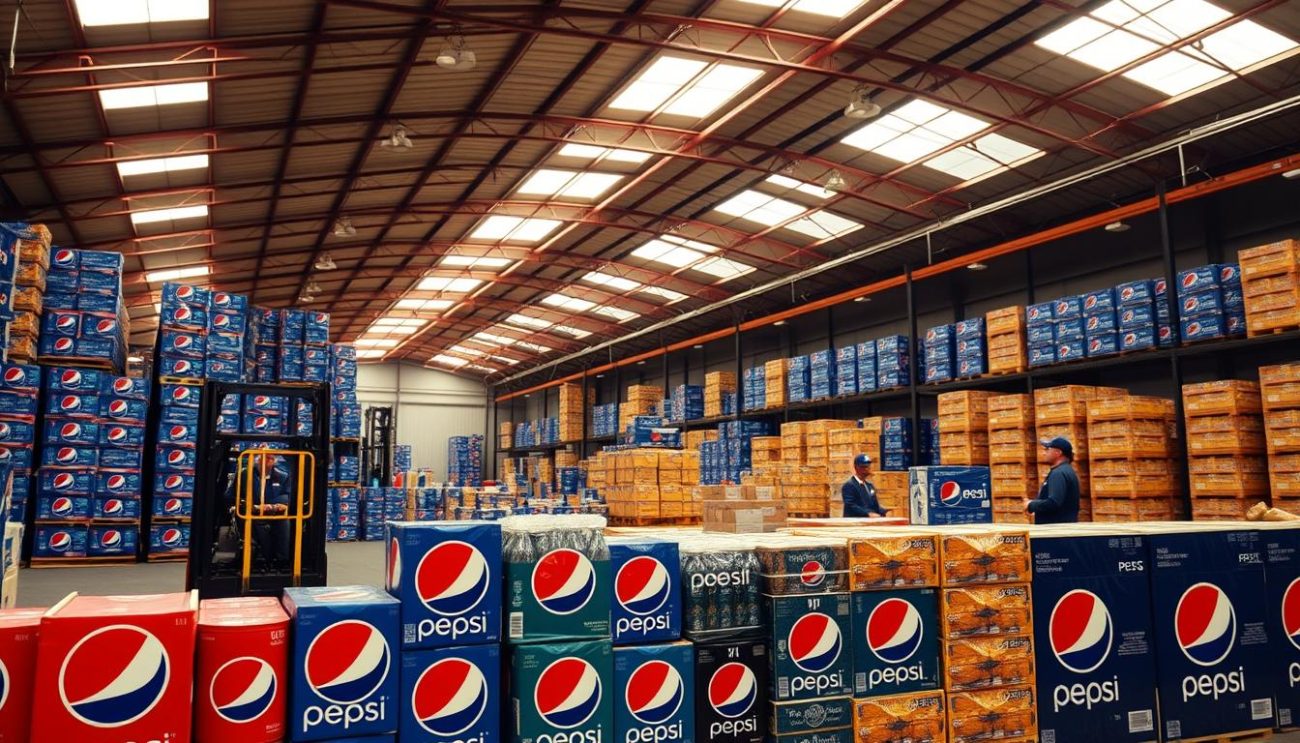

Premium Pepsi bulk sourcing and distribution solutions tailored for Asia-focused beverage importers and large-scale buyers.
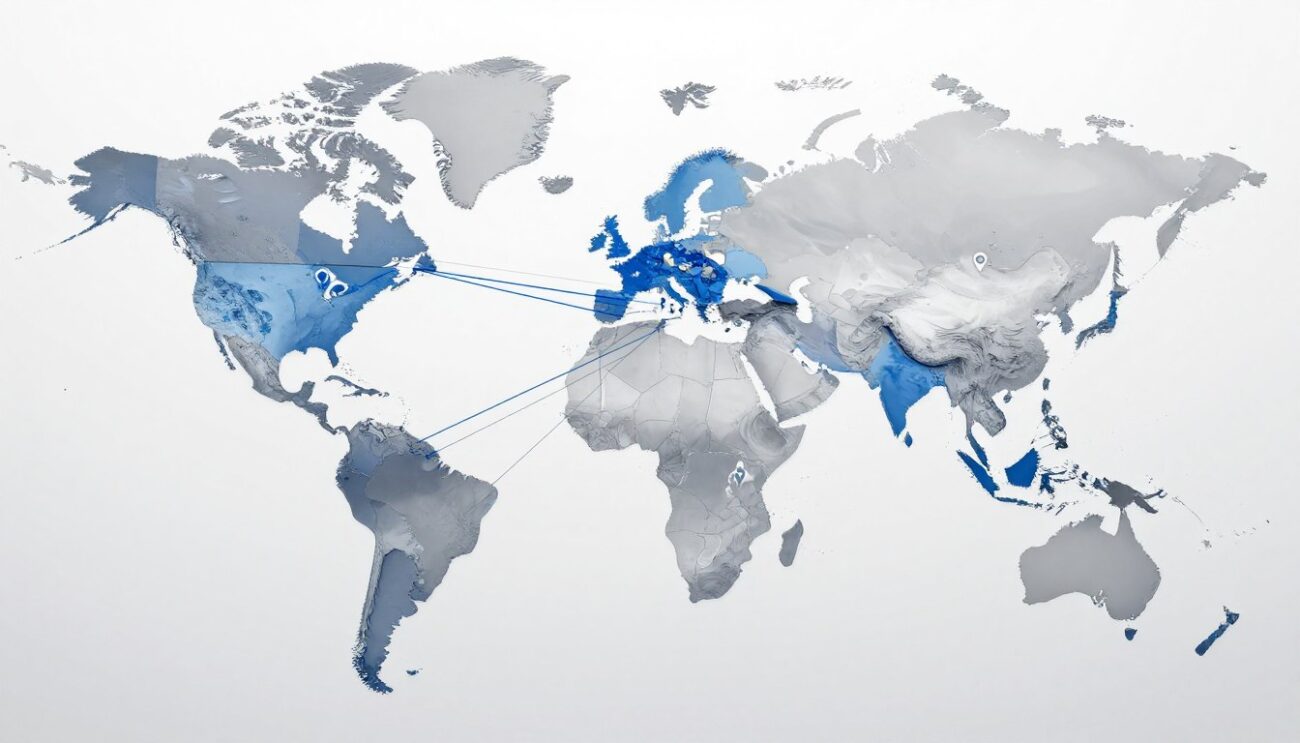
Hong Kong functions as a pivotal trade and distribution hub connecting global beverage supply networks with dynamic Asia-Pacific markets. We coordinate Pepsi wholesale supplier relationships through this strategic gateway. Our position in Vienna allows us to leverage trusted European sourcing partnerships while maintaining close coordination with Hong Kong’s world-class port infrastructure and re-export facilities.
Structured bulk planning matters profoundly for beverages because carbonated soft drinks demand precise rotation discipline. Random sourcing creates batch inconsistencies and inventory chaos. We coordinate supply only after confirmed wholesale orders. This protects freshness intervals and ensures every pallet meets export packaging standards before container dispatch.
Pepsi supply coordination supports predictable reorder cycles that align with your market demand patterns. Wholesale distributors need reliable pallet supplier relationships that respect lead times and batch integrity. Our coordination model eliminates the uncertainty that comes from dealing with fragmented supplier networks or inconsistent quality standards across different sourcing regions.
Production discipline matters for high-volume beverage supply because every link in the supply chain affects final product quality. Beverage wholesale distributors cannot afford to receive containers with damaged cartons or compromised carbonation integrity. We coordinate with partners who maintain strict quality control from production lines through final pallet configuration.
Production consistency translates directly into packaging discipline. When you buy Pepsi in bulk for distribution across hospitality chains or retail networks, carton compression standards and tray integrity determine whether your inventory arrives ready for immediate sale or requires claims processing and repackaging labor.
Quality control expectations for wholesalers extend beyond the product itself. Documentation synchronization with physical shipments prevents customs delays. Pallet labeling that matches Bill of Lading details enables efficient receiving at destination ports. These operational details separate professional bulk supply coordination from simple product brokering.
Strategic Beverage Bulk Planning Beats Random Sourcing
Hong Kong’s unique import and re-export infrastructure provides beverage wholesalers with unmatched flexibility for Asia market penetration. The territory’s free port status combined with extensive warehousing facilities enables efficient container consolidation and last-mile distribution coordination to Southeast Asian destinations and beyond.
Connectivity to Asia markets operates through multiple dimensions. Port logistics offer direct shipping routes to major consumption centers with competitive transit times. Time zone alignment facilitates real-time communication during critical coordination windows. Established trade finance networks support structured payment terms that protect both suppliers and wholesale buyers throughout extended supply cycles.
Product Formats & Wholesale SKU Catalog for Soft Drinks Distribution
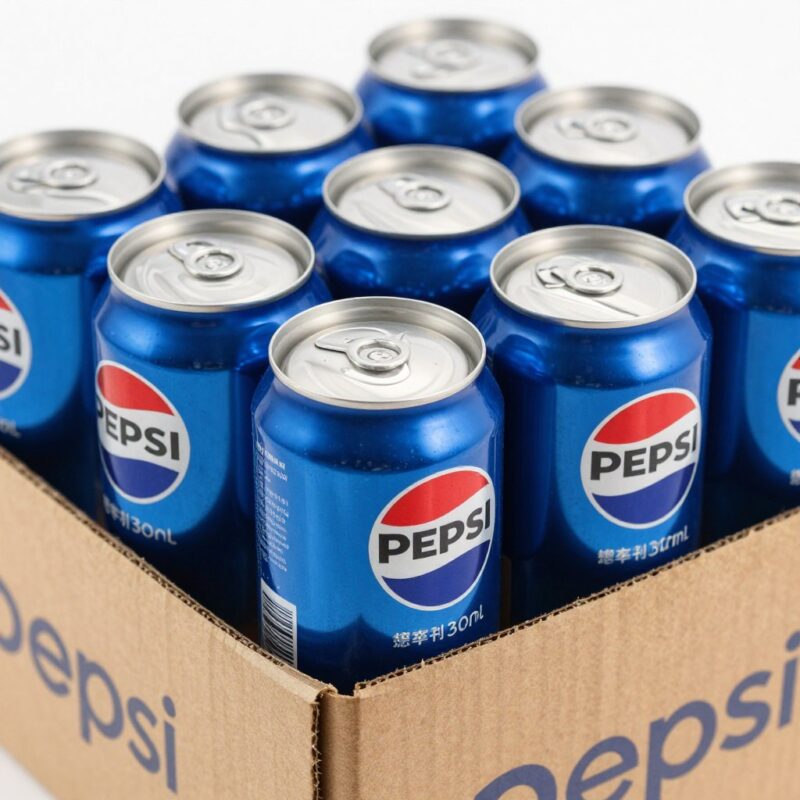
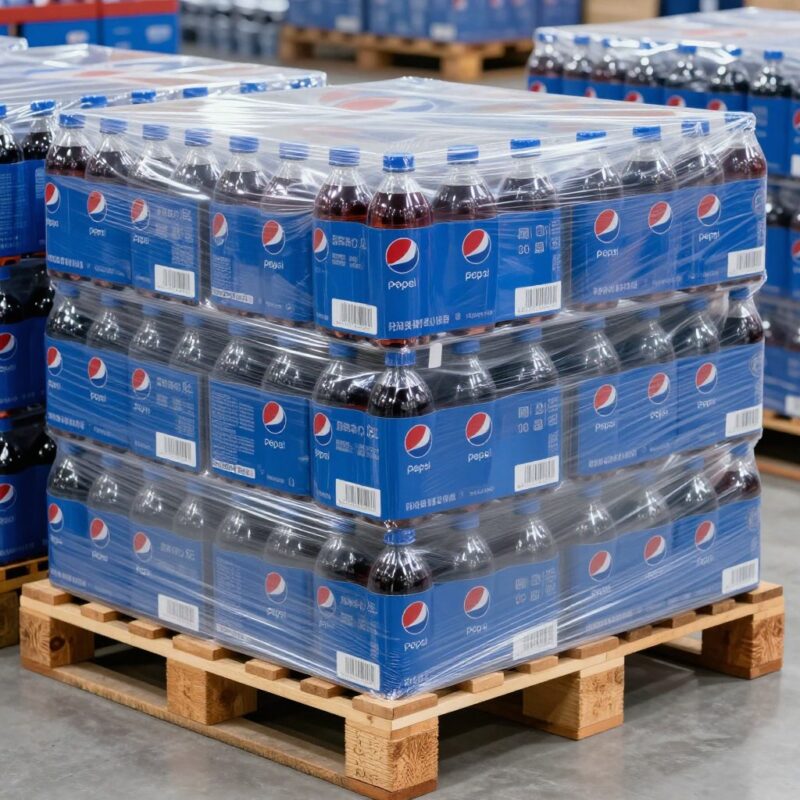
Pepsi wholesale formats serve distinct distribution channels with specific packaging and logistics requirements. Standard cans dominate vending machine supply and convenience retail. PET bottles capture hospitality and household consumption. Multipack crates streamline chain retail inventory management. Mixed pallet builds enable flexible order composition for distributors serving multiple channel types simultaneously.
| Format | Primary Channel | Logistics Note |
| Standard Cans (330ml) | Vending, retail, horeca | Tray/carton integrity + pallet layering critical for transport stability |
| PET Bottles (500ml – 2L) | Retail + hospitality | Shrink/carton compression control prevents deformation during shipment |
| Multipack Crates | Chain retail distribution | SKU separation for inventory management and rotation tracking |
| Mixed Pallets | Bulk buyers, multi-channel distributors | Organized by SKU & layer for efficient receiving and warehouse putaway |
Mix & Match Formats by SKU Layers
Mixed pallets organized by SKU layers enable efficient inventory control at receiving facilities. Each layer contains a single product format with consistent carton dimensions. This layering discipline allows warehouse teams to separate SKUs during putaway without unpacking entire pallets. Pepsi cans wholesale orders can share container space with Pepsi bottles wholesale volumes through strategic pallet planning that maintains product separation while maximizing container cube utilization.
Discuss format combinations and pallet configurations tailored for your distribution network:
Packaging & Pallet Discipline for Carbonated Drinks Bulk Supply
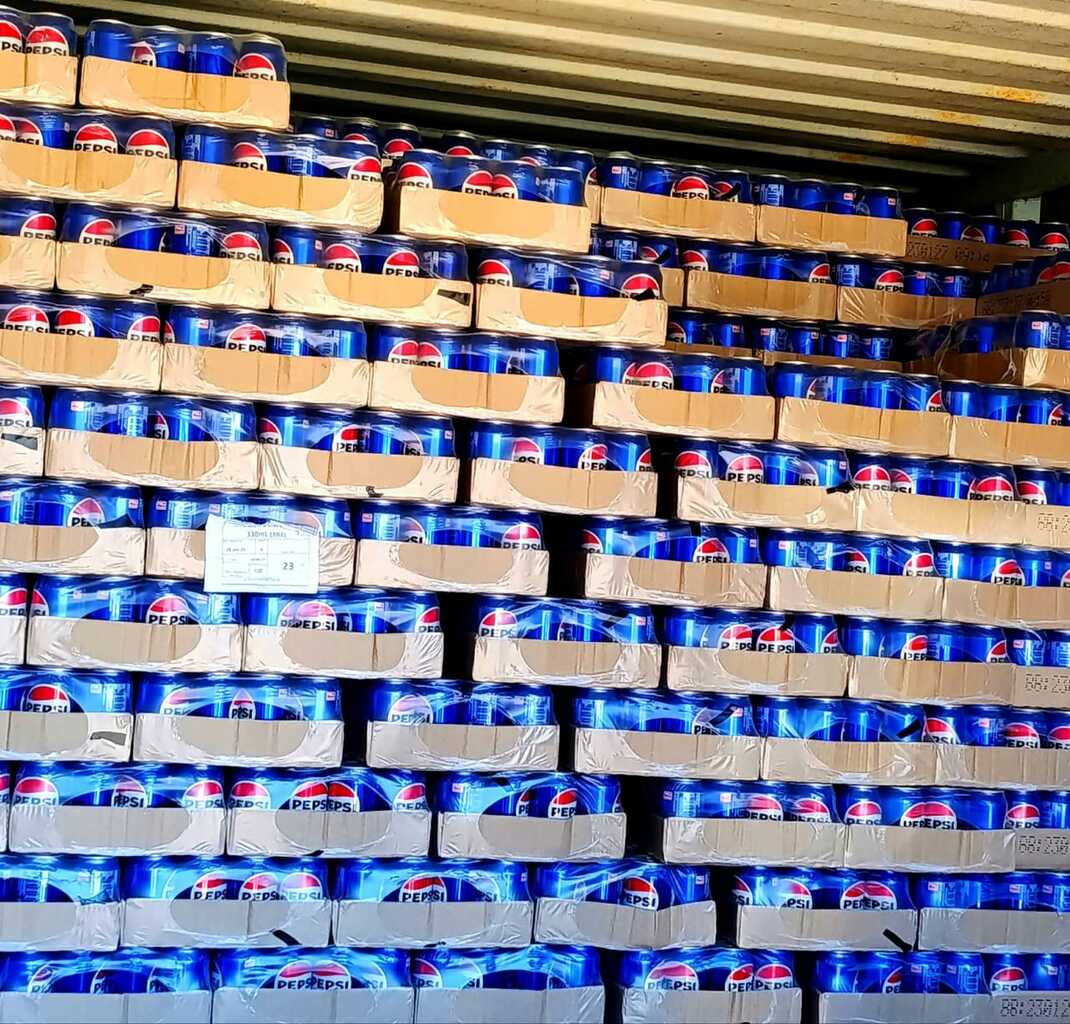
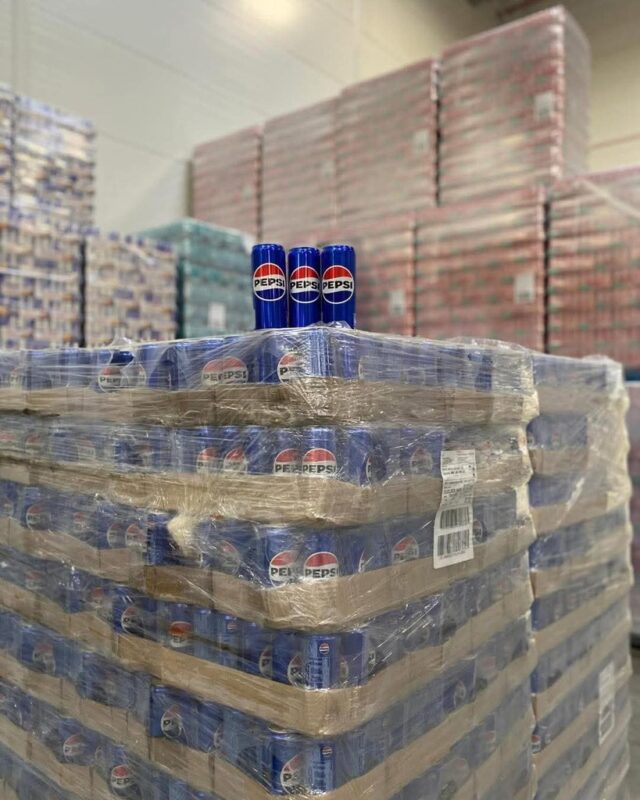
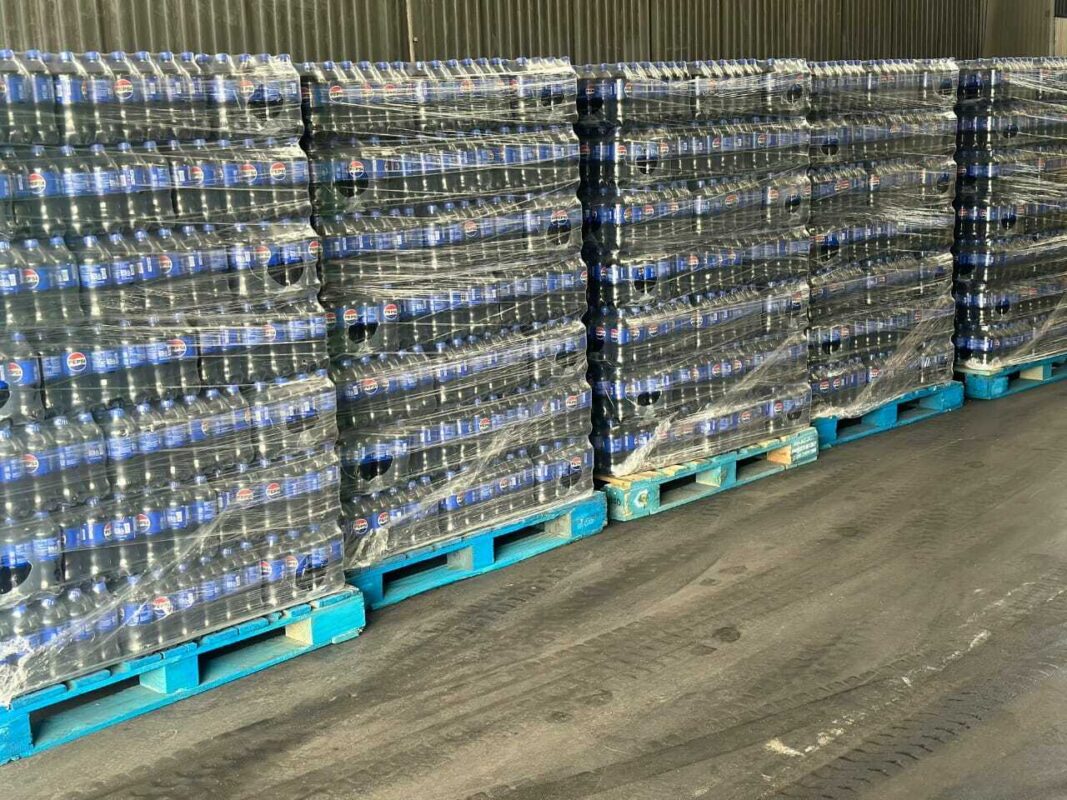
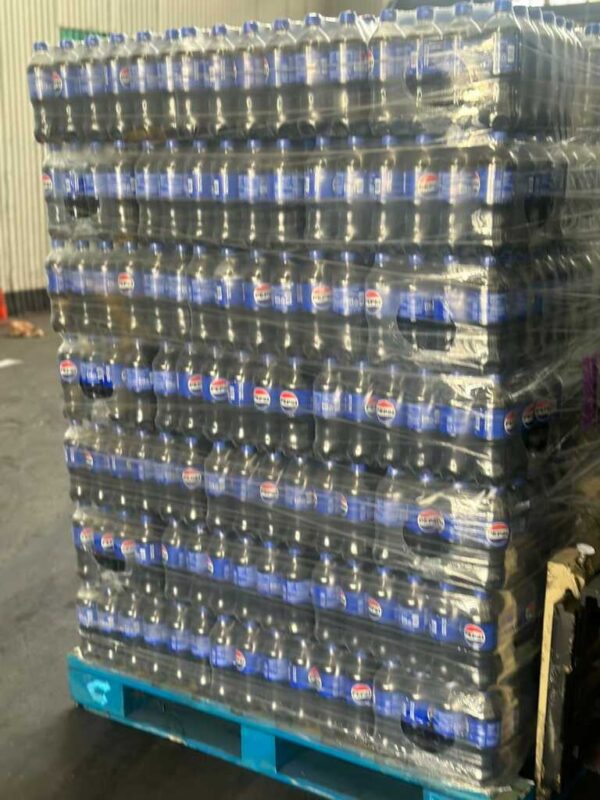
Carton protection and compression control form the foundation of successful long-distance beverage shipment. Carbonated drinks bulk supply requires cartons engineered to withstand stacking pressure during ocean transport. Compression testing ensures bottom cartons on multi-layer pallets maintain structural integrity throughout the shipping cycle. We coordinate with partners who specify carton board grades appropriate for tropical climate shipments and extended storage periods.
Pallet stacking best practices follow established patterns that balance cube utilization with access convenience. Bottom layers use heavier carton configurations or products with superior compression resistance. Middle layers optimize for quantity while maintaining column stacking alignment. Top layers may feature promotional displays or lighter SKUs that facilitate warehouse handling at destination facilities.
Strong packaging discipline reduces damage claims and eliminates the revenue loss associated with unsellable inventory. Every percentage point of damage translates directly into margin erosion for wholesale beverage distributors. Professional coordination ensures packaging specifications match your climate conditions and handling infrastructure from origin through final delivery.
Reliable Carton Integrity
Compression-tested packaging standards
Pallet Load Stability
Engineering-validated stacking patterns
Layered SKU Organization
Systematic product separation
Export-Ready Packaging
Climate-appropriate material selection
Container Load Optimization
Maximized cube utilization
Documentation Synchronization
Aligned labeling and paperwork
Bulk Beverage Supply Workflow – From Confirmation to Dispatch
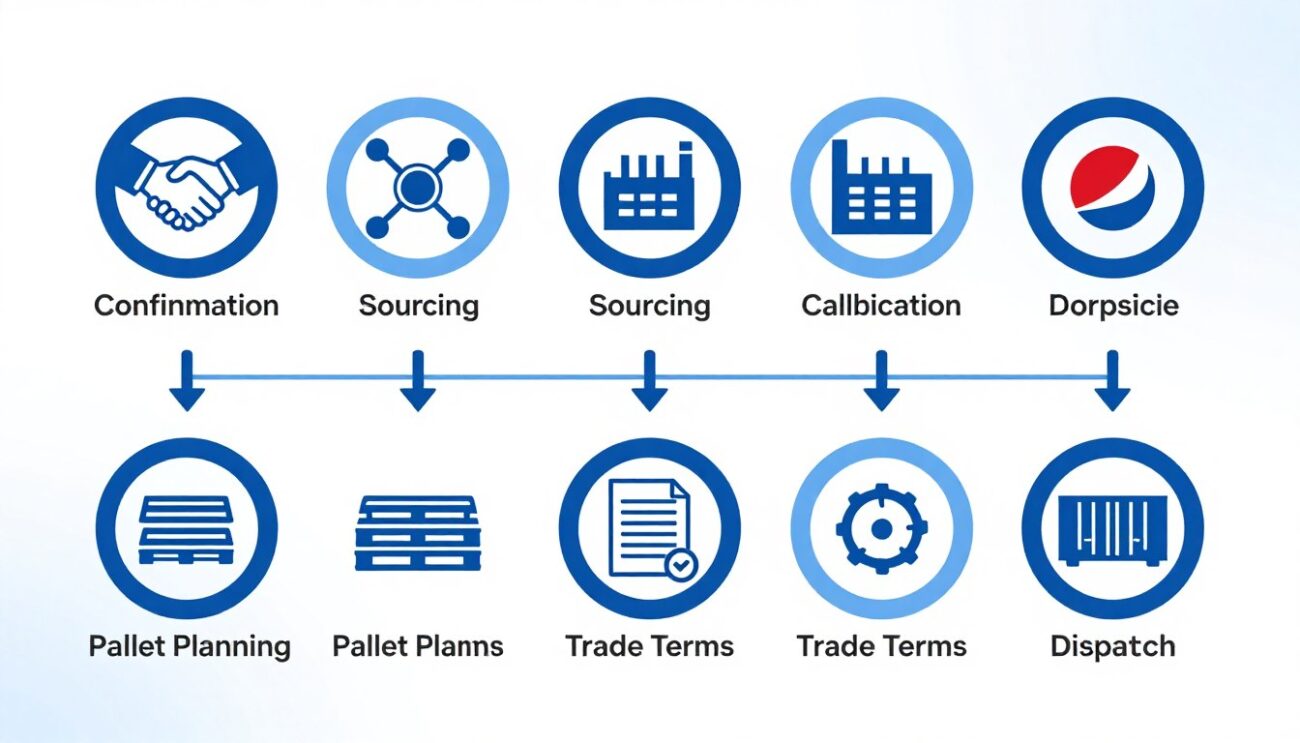
Our structured coordination workflow transforms wholesale inquiries into delivered container shipments through six disciplined stages. Each stage builds on confirmed information from the previous step. This sequential approach eliminates the ambiguity that creates delays and cost overruns in complex international beverage supply chains.
Stage 1: Volume Confirmation
Initial consultation establishes your required container quantities, preferred product formats, and target delivery timeline. We document specific SKU preferences and any special packaging requirements. This confirmation stage protects both parties by creating clear expectations before coordination resources are committed to your project.
Stage 2: Sourcing Coordination via Trusted Partners
We engage our network of verified Pepsi suppliers who meet our quality and reliability standards. Partner selection considers your destination market, required certifications, and batch freshness requirements. This coordination happens only after your volume commitment ensures efficient resource allocation and preferential pricing access.
Stage 3: Batch Allocation & Packaging Readiness
Production scheduling aligns with your shipping window requirements. Batch codes are reserved for your order ensuring consistent product dating across all containers. Packaging materials are prepared according to the specifications confirmed in Stage 1. Quality control checkpoints verify carton integrity and pallet component readiness before final assembly begins.
Stage 4: Pallet Plan Confirmation
Detailed pallet configurations are shared for your approval before physical packing begins. Each pallet’s contents are documented by SKU, layer arrangement, and total carton count. This confirmation enables your warehouse team to prepare receiving processes and inventory allocation before containers arrive at destination ports.
Stage 5: Documentation Alignment & Trade Terms
Commercial invoices, packing lists, and certificates of origin are prepared according to your destination country requirements. Trade terms follow Incoterms standards established during initial negotiations. Bill of Lading details are verified against physical cargo before release to carrier. This documentation discipline prevents customs delays and ensures smooth clearance processes.
Stage 6: Container Scheduling & Dispatch
Container booking is confirmed with shipping lines offering optimal routing to your destination port. Loading supervision ensures pallet placement matches loading plans designed to prevent shifting during transit. Seal numbers and container photos are shared with your team. Shipment tracking credentials are provided enabling real-time visibility throughout the ocean voyage.
This coordination workflow has been refined through years of wholesale beverage export coordination across diverse Asia markets. Each stage addresses specific failure points we have observed in less structured supply relationships. The result is predictable delivery performance that supports your inventory planning and customer commitments.
Brand Demand & Repeat Reorders in Soft Drinks Wholesale Distribution
Pepsi’s global brand pull creates stable demand signals that enable confident inventory planning for wholesale distributors. The brand’s recognition across age demographics and consumption occasions reduces the marketing investment required to move inventory. This brand equity translates into predictable reorder cycles for horeca and retail channels.
Beverage distributors value products with established consumer demand because inventory turns faster and working capital cycles accelerate. Pepsi maintains consistent marketing support across global markets. This reduces the demand-generation burden on wholesale partners who can focus resources on logistics efficiency rather than brand-building activities.
Brand appeal supports stable bulk demand through economic cycles. Premium carbonated soft drinks maintain consumption resilience compared to less established brands. This stability allows wholesale buyers to commit to container-level volumes with confidence that market absorption will occur within planned inventory rotation periods.
Asia importers value predictable rotation and reorder logic because working capital efficiency determines competitive positioning. Fast-moving products from recognized brands like PepsiCo reduce the risk of dead stock and markdown pressure. Our coordination model supports this predictability through consistent batch quality and reliable delivery timing that enables systematic reorder scheduling.
Integrated Coordination Across Global Markets and Regional Hubs
Our beverage coordination expertise extends across multiple geographic regions with specialized knowledge of local market requirements and regulatory environments. Importers seeking structured partnership can review our coordination approach before sharing volume requirements to understand how our regional networks function together.
The foundation of our global service begins with comprehensive wholesale beverage export coordination capabilities that establish quality standards and process discipline across all regional operations. This central coordination framework ensures consistent service delivery whether your destination is Dubai or Singapore.
Our Middle East distribution expertise addresses the unique requirements of GCC markets including climate-appropriate packaging and halal certification coordination. Similarly, our Africa regional network navigates complex documentation requirements and extended inland transport logistics that characterize sub-Saharan distribution.
For Asia-focused buyers, our Southeast Asia coordination capabilities complement this Hong Kong hub operation. The combination provides comprehensive coverage across ASEAN markets with specialized knowledge of each country’s import regulations and distribution infrastructure characteristics.
Trade Payment Structure for Wholesale Beverage Orders
Our payment terms follow standard international trade practices that protect both parties throughout the supply cycle. We require fifty percent advance payment upon order confirmation. This advance covers initial procurement coordination and locks in your volume allocation with our sourcing partners.
The remaining fifty percent balance becomes payable against Bill of Lading or structured agreement terms established during initial negotiations. This payment structure aligns financial flows with physical cargo control. It ensures you maintain leverage over shipment release while protecting our coordination investment in your order.
Payment timing and method details are customized based on order size and relationship history. Established wholesale buyers may access modified terms that reflect proven performance. New partnerships typically begin with the standard structure described above until mutual confidence develops through successful delivery cycles.
Frequently Asked Questions – Pepsi Bulk Supply Coordination
Yes, mixed container loading is standard practice in wholesale beverage export coordination. We organize different formats by pallet or by layer depending on your receiving preferences and inventory management systems. Mixed configurations require advance planning to ensure weight distribution and cube optimization remain balanced. Share your preferred format mix during initial consultation so we can design efficient pallet plans.
Packaging protection begins with carton specification appropriate for ocean transport duration and climate exposure. We coordinate with suppliers who use compression-tested cartons and moisture-resistant materials. Pallet wrapping employs stretch film with proper tension and overlap to prevent shifting. Container loading follows dunnage best practices with void filling and bracing where required. This multi-layer protection approach has proven effective across thousands of containers to diverse destination ports.
Pallet organization follows your warehouse operational requirements discussed during order planning. Standard approaches include SKU-separated pallets for direct putaway or layer-organized mixed pallets for distributors serving multiple channels. Each pallet receives identification labels matching packing list line items. We provide detailed loading diagrams showing pallet position within the container to streamline your unloading sequence.
Complete documentation packages are prepared and verified before cargo release to carrier. Standard documents include commercial invoice with detailed SKU breakdown, packing list with pallet-level contents, certificate of origin if required by destination country, and any product-specific certifications your market demands. All documents are cross-checked for consistency with physical cargo and Bill of Lading details to prevent customs complications.
Sourcing coordination initiates within two business days after receiving your advance payment and confirmed order specifications. Actual production scheduling depends on current demand at our partner facilities and your requested delivery timeline. Typical coordination cycles from confirmation to container dispatch range from three to six weeks for standard volumes. Rush coordination may be possible for established relationships with premium pricing adjustments.
Ready to discuss your bulk supply timeline and coordination requirements?
Hong Kong’s Strategic Position in Asia Beverage Trade (批發百事可樂供應)
The territory serves as the natural coordination point for beverage wholesale distribution throughout the Asia-Pacific region. Its established trade infrastructure supports both direct imports for local consumption and re-export operations to neighboring markets. This dual functionality makes Hong Kong particularly valuable for distributors serving multiple countries from centralized inventory.
Soft drinks wholesale distributor operations benefit from Hong Kong’s extensive network of cold storage facilities and modern warehouse complexes equipped for food-grade product handling. These facilities maintain temperature control and humidity management critical for preserving carbonated beverage quality during storage intervals between ocean arrival and final distribution.
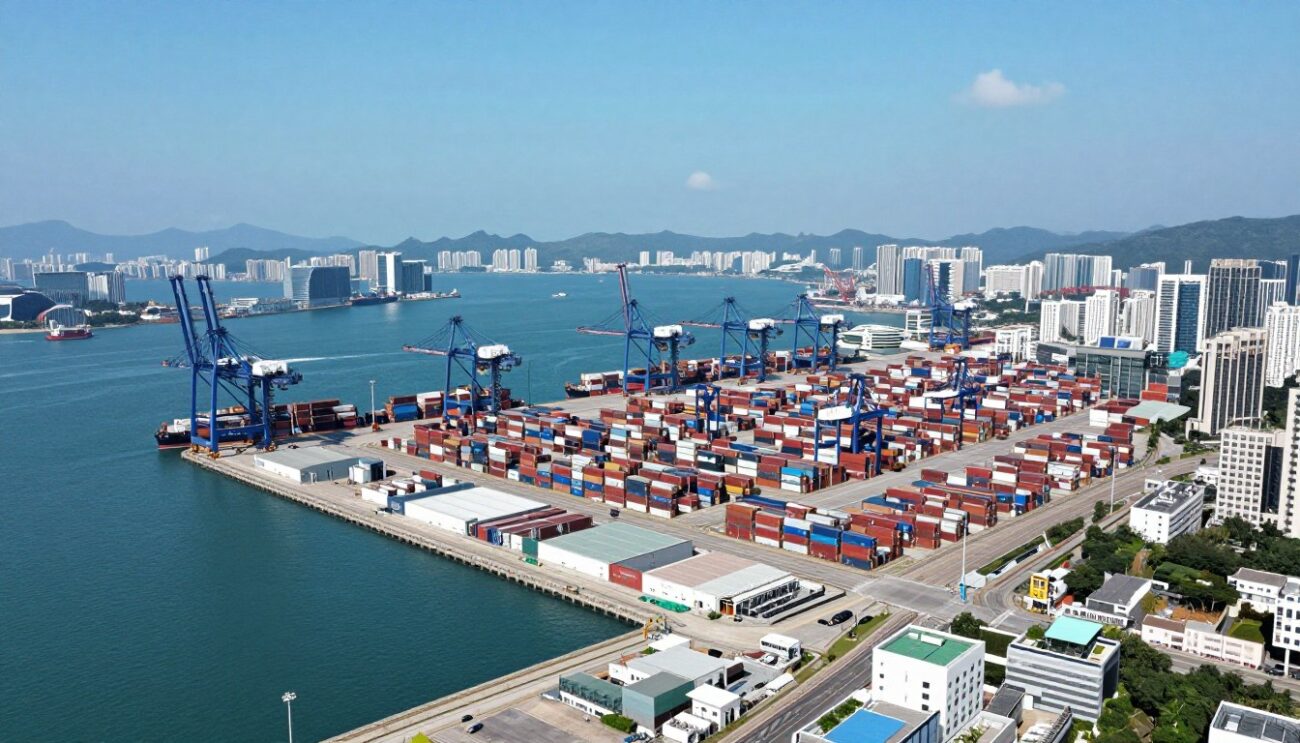
Regional connectivity extends beyond physical logistics to include financial services and trade documentation processing capabilities. The concentration of international banks and freight forwarders in Hong Kong streamlines payment processing and customs clearance for complex multi-country distribution scenarios common in Asia wholesale trade.
For wholesale buyers focused on 亞洲飲料批發 (Asia beverage wholesale), Hong Kong offers linguistic and cultural bridges that facilitate communication between European suppliers and Asian buyers. The business environment operates comfortably in English while maintaining strong connections to Chinese-language markets throughout the region.
Quality Assurance and Batch Discipline in Soft Drinks Supply Chains
Quality assurance begins at production facilities where our partners maintain certifications appropriate for international food and beverage trade. These certifications typically include HACCP protocols, ISO food safety standards, and any destination-market-specific requirements your country’s regulations demand.
Batch discipline ensures consistency across multiple container shipments within a single order or across sequential reorders. We coordinate batch code allocation so your inventory arrives with uniform dating. This consistency simplifies rotation management in your warehouse and reduces the complexity of handling mixed-date inventory during peak demand periods.
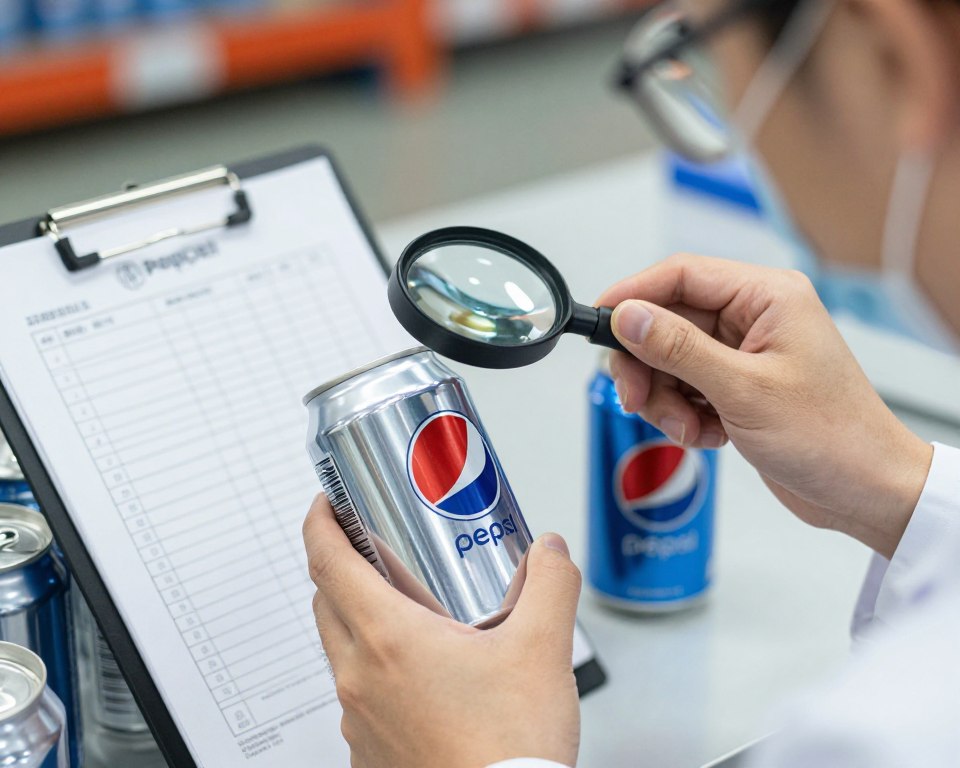
Product sampling occurs at multiple points throughout the coordination process. Initial samples verify specification compliance before bulk production begins. Mid-production samples confirm consistency maintenance. Final samples from packed pallets undergo organoleptic and visual inspection before container loading authorization.
Temperature exposure monitoring protects product integrity during storage and transport phases. Time-temperature indicators may be deployed for sensitive shipments or extended logistics cycles. This monitoring data becomes part of your shipment documentation package enabling traceability throughout the cold chain.
Claims prevention receives more attention than claims processing in our coordination approach. Preventing damage through proper packaging and handling procedures costs less and protects relationships better than managing insurance claims after problems occur. Our partners share this prevention-focused philosophy in their operational standards.
Container Loading Strategies for Bulk Soda Container Shipment
Efficient container utilization balances competing objectives of maximum quantity, cargo protection, and receiving convenience. Standard twenty-foot and forty-foot containers offer different optimization opportunities. We analyze your order composition to recommend the container type that delivers the best unit economics for your specific SKU mix.
Pallet dimensions and stacking patterns determine how many units fit within container interior dimensions. European pallets and Asian pallets have different footprints that affect loading efficiency. We coordinate with suppliers to ensure pallet specifications match your target container type and destination market handling equipment standards.
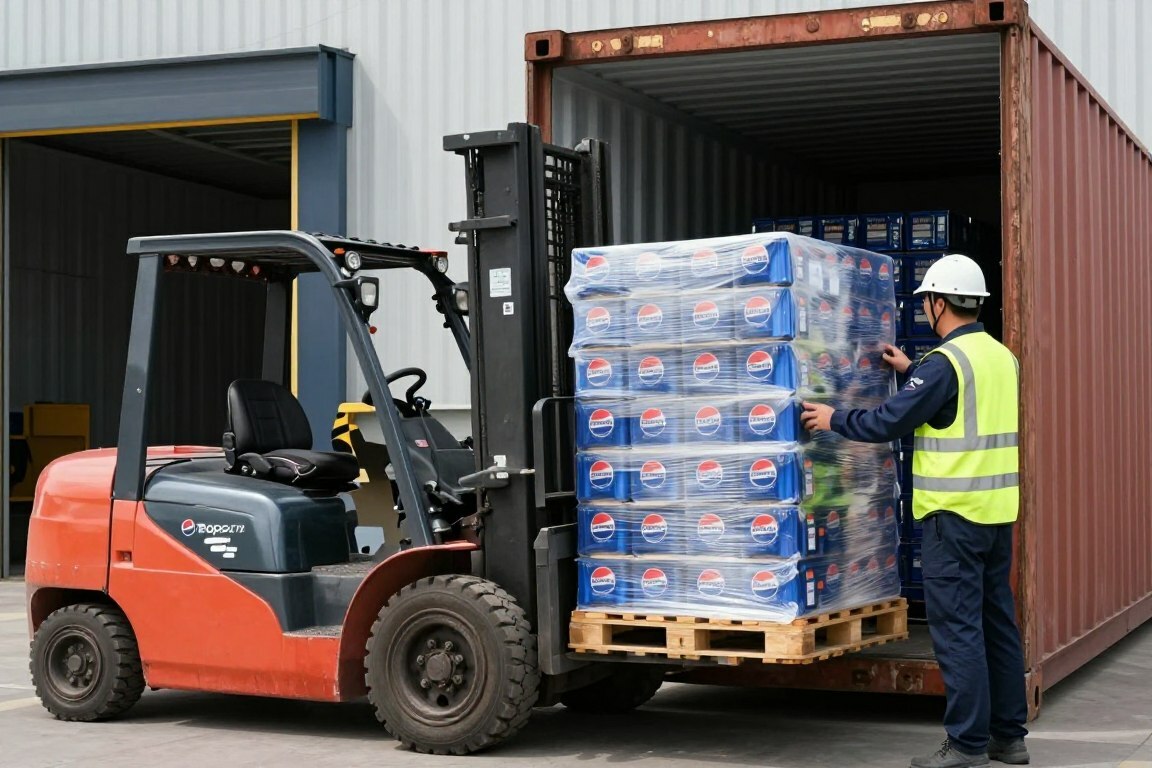
Weight distribution affects shipping safety and unloading efficiency. Heavier pallets are positioned over container floor structural supports and toward the front wall. Lighter pallets fill positions where floor deflection under load could create instability. This engineering approach to weight distribution prevents cargo shifting during ocean transit.
Unloading sequence planning considers your warehouse workflow requirements. If certain SKUs need immediate processing while others can wait, we position pallets accordingly. First-in-first-out arrangements place fast-moving products near container doors. This loading intelligence reduces your labor costs during receiving operations.
Container Capacity Guidelines
Standard 20-foot containers accommodate approximately 10 Euro pallets or 1,150 cases of 330ml cans depending on pallet height restrictions. Standard 40-foot containers hold roughly 22 Euro pallets or 2,500 cases. High-cube 40-foot containers can increase capacity by fifteen to twenty percent through additional vertical space. Exact capacities depend on specific carton dimensions and pallet stacking patterns designed for your order.
Supporting Horeca and Retail Distribution Channels
Hotel, restaurant, and café channels demand specific packaging formats and delivery frequencies that differ from retail distribution requirements. Horeca-focused distributors often prefer smaller pack sizes and mixed-product orders that reflect the diverse beverage menus their customers operate. Our coordination model accommodates these channel-specific needs through flexible pallet building.
Retail chain distribution typically involves larger pack sizes and higher volume per SKU to support promotional activities and consistent shelf presence. Chain retail buyers appreciate pallet packs that match their distribution center handling systems and store delivery unit sizes. We work with your specifications to ensure packaging aligns with your downstream supply chain capabilities.
Vending Operations
Can formats dominate vending distribution. Cartons must protect products during warehouse handling and route truck transport. We coordinate can supply with packaging designed for vending operator workflow efficiency.
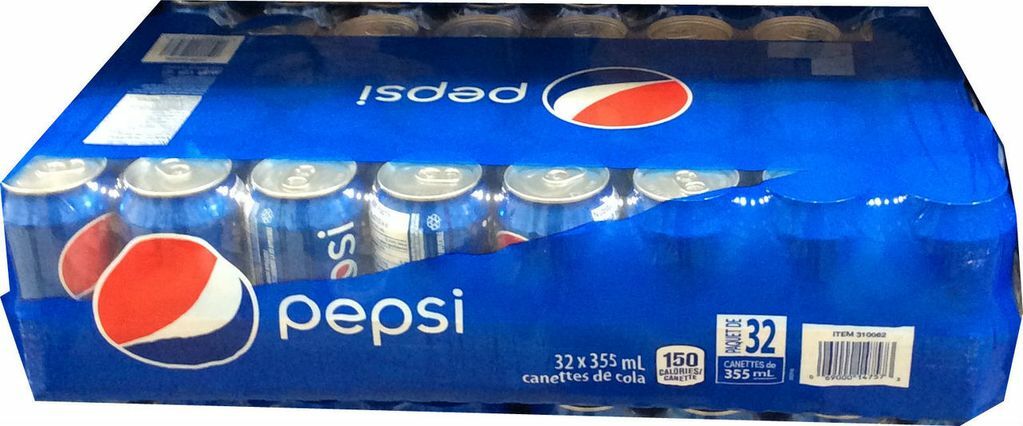
Convenience Retail
Mixed formats serve convenience store needs where consumers purchase both single-serve drinks and take-home multipacks. Efficient SKU separation on mixed pallets enables stores to receive diverse inventory in single deliveries.
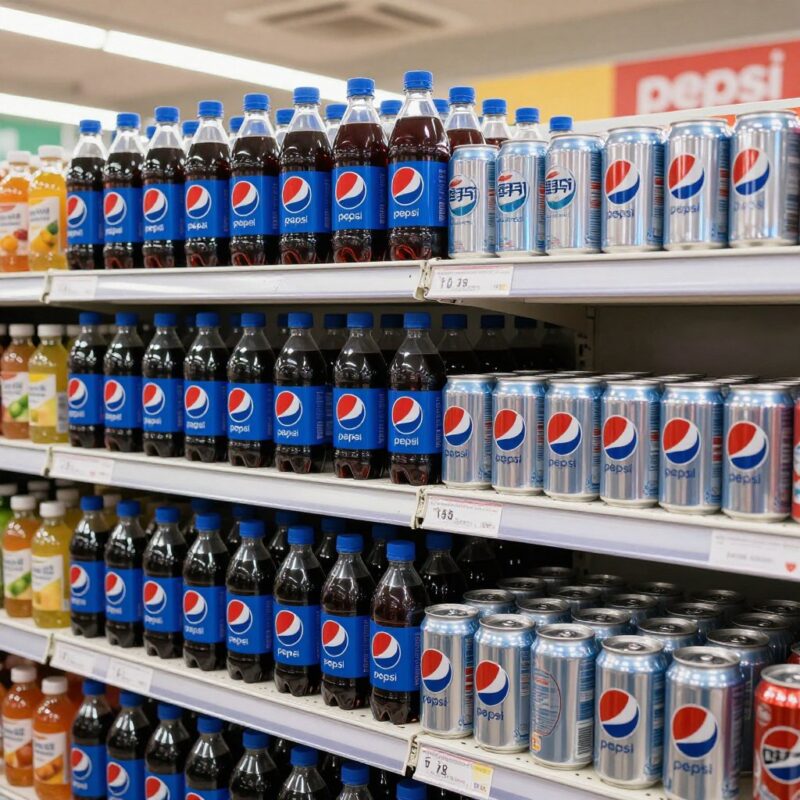
Hospitality Wholesale
Hotels and large restaurants often purchase in bulk to support banquet operations and minibar stocking. Larger format bottles and special packaging for premium service environments require coordination with suppliers offering hospitality-specific SKUs.
Each distribution channel presents unique margin structures and service level expectations. Wholesale beverage suppliers who understand these nuances can better support your business model. Our coordination experience across diverse channels informs the advice we provide during order planning discussions.
Managing Seasonal Demand Cycles in Carbonated Drinks Distribution
Beverage consumption patterns fluctuate with weather, holidays, and cultural events across different Asia markets. Summer months drive peak demand in most regions while certain festivals create concentrated consumption spikes. Wholesale distributors who coordinate supply ahead of these demand surges capture market share and optimize inventory turns.
Advance ordering allows better pricing and assured supply during high-demand periods when production capacity becomes constrained. We recommend establishing your seasonal requirements three to four months before peak periods. This lead time enables efficient production scheduling and container booking when shipping capacity remains available at standard rates.
Safety stock calculations need to account for demand variability and supply chain lead times specific to your market. Products with six-month or longer shelf life provide flexibility in building inventory ahead of uncertain demand peaks. Our team can discuss inventory strategies that balance freshness requirements against the cost of stockouts during high-demand windows.
Weather volatility creates unpredictable demand spikes that challenge traditional forecasting models. Distributors with established coordination relationships can access emergency supply through expedited processing when unexpected heat waves or events drive consumption beyond planned levels. This supply flexibility becomes a competitive advantage during market opportunities.
Coordinating Multiple Beverage Brands for Efficient Distribution
Many wholesale distributors serve customers who purchase multiple soft drink brands to offer consumer choice. Coordinating Pepsi supply alongside other beverage products creates operational efficiencies through consolidated container shipments and simplified customs processing. We facilitate multi-brand coordination when order volumes justify combined shipments.
Mixed-brand containers require careful planning to ensure each brand’s packaging and pallet standards are respected. Product separation prevents confusion during receiving and maintains proper inventory tracking. Documentation becomes more complex with multiple suppliers involved but the freight savings often justify the additional coordination effort.
Cola Segment Products
Traditional cola products anchor most beverage distributor portfolios:
- Pepsi cola soft drinks standard and zero-sugar variants
- Can and bottle formats across multiple size options
- Regional flavor variations and limited editions
- Promotional packaging and seasonal offerings
Energy Drinks Category
Energy drinks complement core cola distribution portfolios:
- Growing category with premium pricing opportunities
- Target demographic alignment with soft drink consumers
- Smaller pack sizes suitable for impulse purchasing
- Higher margin potential offsetting distribution costs
Alternative Beverages
Category expansion opportunities for established distributors:
- Flavored sparkling water gaining market acceptance
- Juice-based drinks serving health-conscious segments
- Sports drinks for fitness and active lifestyle consumers
- Tea-based beverages popular in Asian markets
Packaging Innovation
New formats creating distribution opportunities:
- Sleek cans appealing to premium positioning strategies
- Resealable bottles for on-the-go consumption
- Multi-serve formats supporting family occasions
- Sustainable packaging responding to environmental concerns
Multi-brand strategy requires understanding each brand’s distribution economics and promotional calendar. Coordinating supply across brands enables better container utilization but introduces complexity in forecasting and inventory management. We help distributors evaluate whether single-brand or multi-brand container strategies serve their business model more effectively.
Navigating Customs and Regulatory Requirements for Food Import
Each Asia destination country maintains specific import regulations for food and beverage products. Understanding these requirements prevents costly delays and ensures products meet local market standards. Our coordination includes documentation preparation aligned with your destination country’s customs procedures and health authority requirements.
Product labeling regulations vary significantly across markets. Some countries require local language translations on packaging while others accept English labeling with supplemental stickers. Nutritional information format specifications, ingredient disclosure requirements, and health warning mandates differ by jurisdiction. We coordinate with partners who can provide compliant packaging for your target markets.
Import License and Registration Requirements
Most Asian countries require importers to hold valid food import licenses before customs will release beverage shipments. Product registration with health authorities may be mandatory before first importation. Processing times for these registrations can extend several months. Verify your licensing status and product registration requirements well before placing orders to avoid shipment delays at destination ports.
Tariff classification determines the duty rates applied to your imports. Beverage products may fall under different tariff codes depending on sugar content, carbonation level, and packaging type. Accurate classification prevents customs disputes and ensures duty calculations match your cost projections. We provide harmonized system code guidance based on product specifications.
Free trade agreements between European Union countries and various Asian markets may provide preferential duty rates for qualifying products. Certificate of origin documentation establishes eligibility for these preferential rates. We coordinate origin certification where applicable to your destination market and ensure all supporting documentation meets customs authority verification requirements.
Warehousing and Last-Mile Distribution Considerations
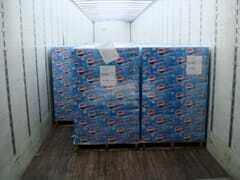
Destination warehouse selection impacts total landed cost and product quality preservation. Facilities near major consumption centers reduce last-mile delivery costs but may charge premium storage rates. More distant warehouses offer lower storage costs but increase transportation expenses to final customers. We help evaluate these tradeoffs based on your distribution network geography.
Temperature-controlled storage protects carbonated beverage quality in tropical climates where heat exposure can affect product shelf life and carbonation levels. Not all warehouse facilities offer reliable climate control. We can recommend logistics providers in major Asian ports who maintain food-grade storage facilities with proper temperature management capabilities.
Inventory rotation systems prevent older stock from aging beyond optimal freshness windows. First-in-first-out protocols require warehouse teams to track receipt dates and ensure newest inventory stays behind older batches during picking operations. Pallet labeling with clear date codes and warehouse location mapping supports effective rotation management.
Distribution center automation levels vary widely across Asia markets. Some facilities employ modern warehouse management systems with barcode scanning and automated storage retrieval. Others rely on manual processes and paper-based inventory tracking. Understanding your warehouse capability informs the pallet labeling and documentation formats we prepare for your shipments.
Last-mile delivery to retail and horeca customers represents the highest cost per unit in most distribution models. Route optimization software and vehicle payload management determine delivery economics. Packaging that withstands multiple handling cycles during route delivery reduces product damage and customer complaints. We coordinate packaging specifications suitable for your distribution environment.
Understanding Wholesale Pricing Structure and Margin Economics
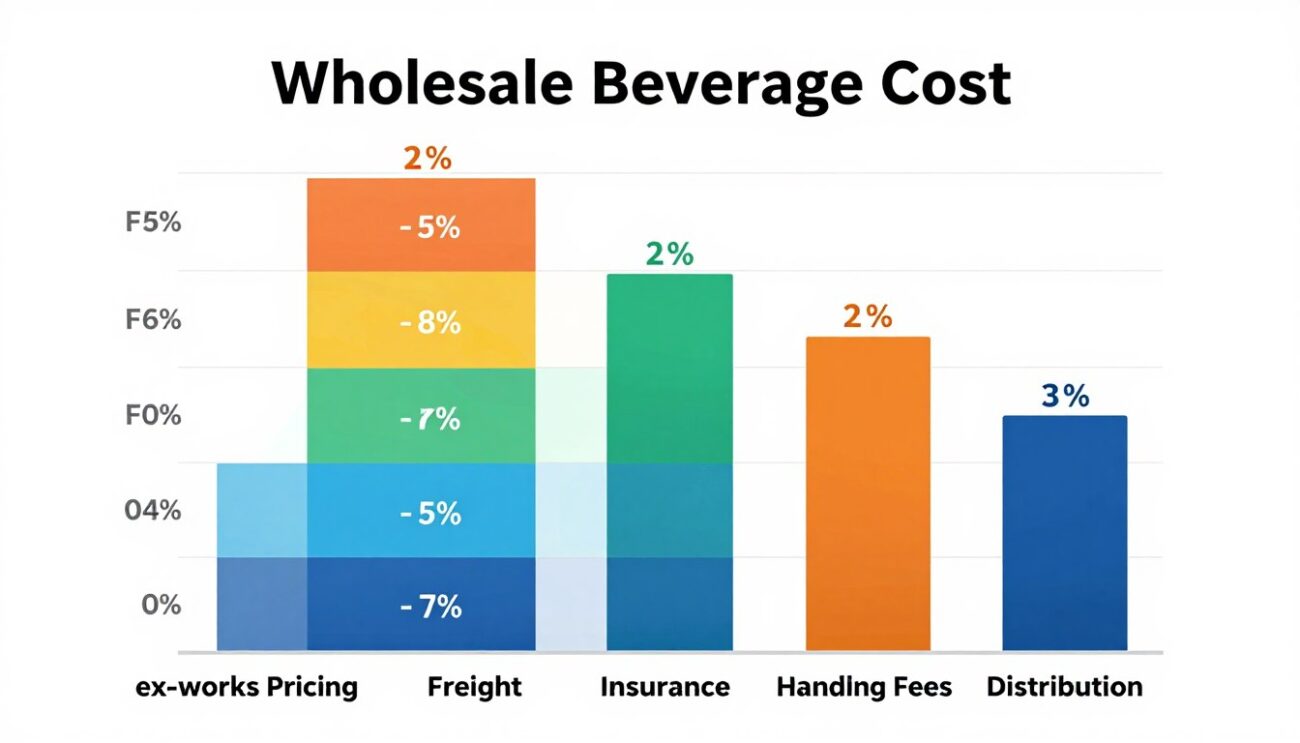
Wholesale beverage pricing reflects multiple cost components beyond the product itself. Ex-works pricing from suppliers represents the starting point. Ocean freight charges depend on container type, shipping route, and seasonal capacity demand. Port handling fees and customs duties add to landed cost calculations. These combined elements determine your true unit cost before adding your distribution margin.
Volume commitment levels influence pricing tiers available from suppliers. Container-load quantities unlock better pricing than less-than-container orders. Annual volume agreements with predictable ordering patterns may access additional discounts. We help structure your purchasing approach to maximize available pricing advantages while managing inventory carrying costs.
- Lowest per-unit freight cost through full container utilization
- Direct port-to-warehouse delivery without consolidation delays
- Simplified documentation with single Bill of Lading
- Better supplier pricing on confirmed volume commitment
- Predictable landed cost calculations for margin planning
Container Load Advantages
- Higher per-unit freight through LCL consolidation charges
- Extended lead times during consolidation and deconsolidation
- Additional handling increases damage risk exposure
- Less favorable supplier pricing on smaller commitments
- Inventory carrying cost advantage from lower volume
Smaller Volume Considerations
Currency fluctuation affects international beverage trade economics. Prices quoted in euros or US dollars expose importers to exchange rate risk between order placement and payment. Some buyers hedge currency exposure through forward contracts. Others accept the risk as part of international trading. We can quote in multiple currencies to match your risk management preferences.
Payment term structure impacts working capital requirements. Advance payment before shipment requires greater capital commitment compared to payment against documents or extended credit terms. However, advance payment often unlocks better pricing and prioritized production scheduling. Balancing payment terms against pricing advantages and cash flow capability determines optimal commercial arrangements.
Building Long-Term Supply Partnerships in Beverage Wholesale Trade
Successful wholesale relationships evolve through repeated successful transactions that build mutual confidence and operational familiarity. Initial orders establish baseline performance expectations around product quality, delivery timing, and documentation accuracy. Subsequent orders benefit from lessons learned and process refinements implemented after each shipment cycle.
Communication patterns developed during early interactions set the foundation for long-term partnership quality. Proactive updates about shipment status and transparent discussion of challenges build trust faster than reactive communication only when problems occur. We maintain regular coordination touchpoints throughout the supply cycle to keep you informed and address questions before they become concerns.
“The difference between transactional suppliers and partnership-oriented coordinators shows up during the difficult situations. When production delays occur or shipping disruptions happen, partners work together on solutions while transactional relationships devolve into blame and claims processing.”
Market intelligence sharing adds value beyond basic order fulfillment. Insights about product trends, consumer preferences, and competitive activities in different regions help distributors make informed merchandising decisions. Our team shares relevant market observations from across our coordination network to support your strategic planning.
Exclusive territory arrangements may become available to distributors who demonstrate consistent volume performance and market development commitment. These arrangements protect your investment in market building by limiting competition from other buyers sourcing through the same coordination channel. Discuss territory protection possibilities after establishing baseline performance through initial order cycles.
Service quality improvements over time reflect the efficiency gains from partnership familiarity. Repeated orders enable more accurate forecasting and better production planning. Documentation processes become streamlined as teams learn each other’s requirements and systems. These efficiency improvements translate into faster processing times and reduced coordination friction.
Begin Your Bulk Supply Coordination Planning
Professional wholesale beverage distribution begins with clear communication about your specific requirements and operational parameters. We coordinate Pepsi bulk supply across Asia markets through structured processes that protect product quality and delivery reliability.
Share four essential details when initiating coordination discussions: your preferred format specifications across cans and bottles, estimated volume ranges by SKU or mixed container composition, destination port and final warehouse location, and target shipping window aligned with your inventory planning cycle.
This information enables our team to design efficient pallet configurations and coordinate production scheduling with our verified supply partners. We respond to serious wholesale inquiries with detailed coordination proposals including product specifications, delivery timeline projections, and documentation requirements specific to your destination market.
Wholesale beverage distribution demands partners who understand both product requirements and trade logistics complexity. Our Vienna-based coordination team brings years of experience supporting distributors across diverse Asian markets with the process discipline and transparency that builds lasting business relationships.