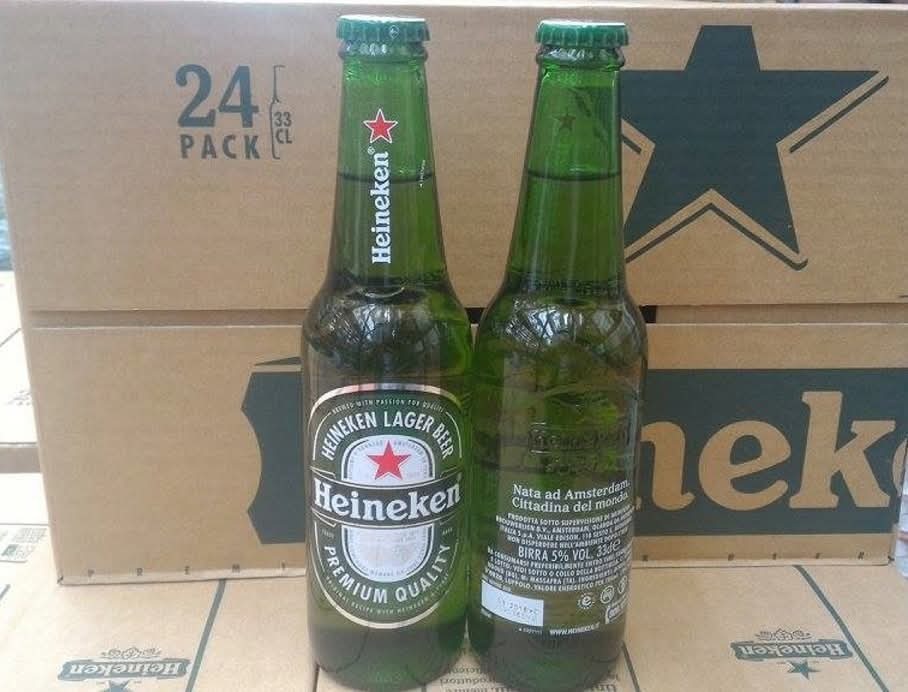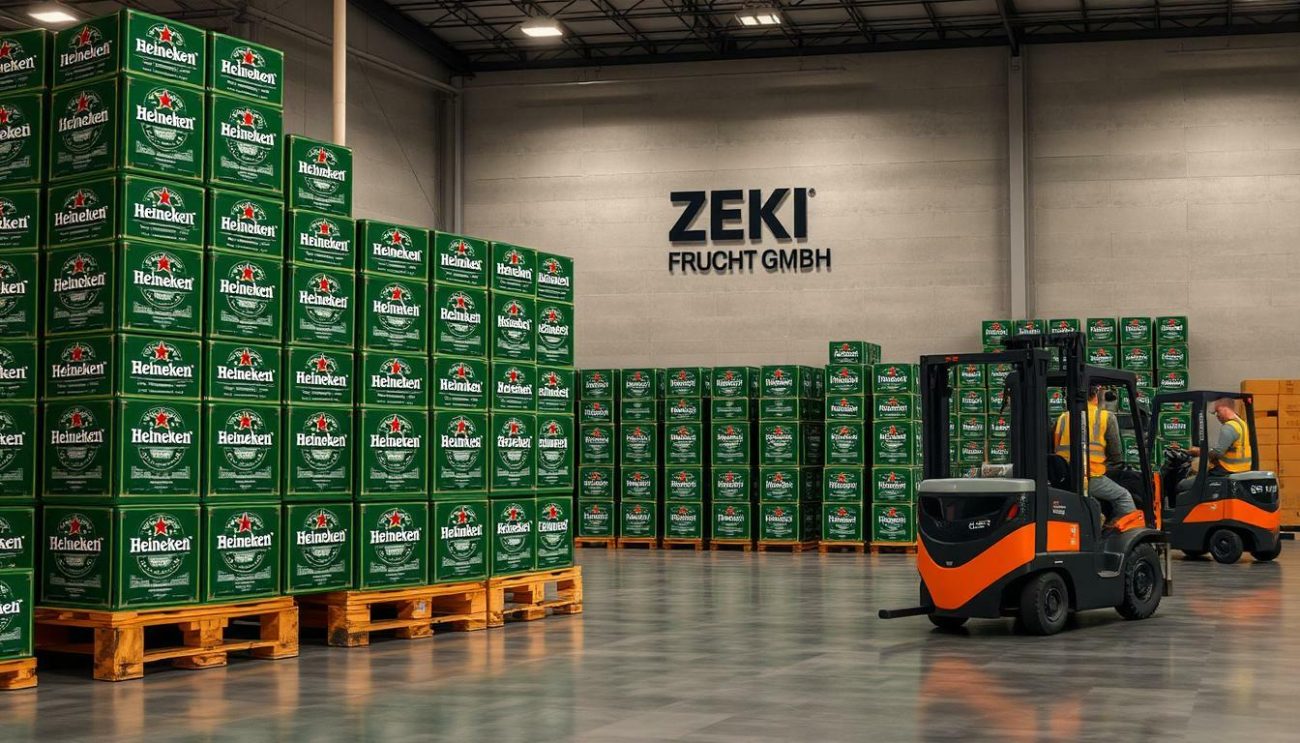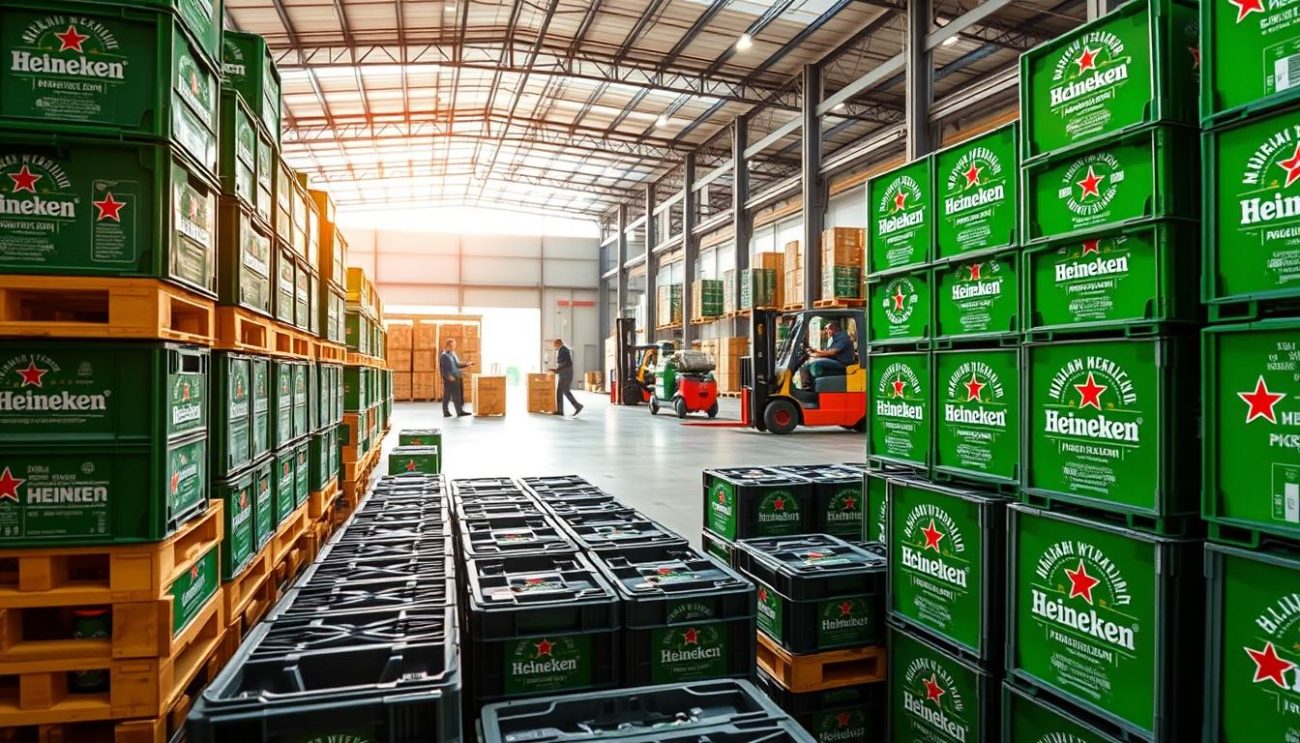

Premium Dutch beer coordinated for distributors, wholesalers, and hospitality supply programs.
Kenya operates as a structured beverage distribution hub for East Africa. The market demonstrates consistent demand for premium international beer brands across retail chains, hospitality establishments, and wholesale networks. We coordinate Heineken bulk supply through established sourcing partnerships in the Netherlands, delivering authentic Dutch lager to distributors who serve these growing market segments.
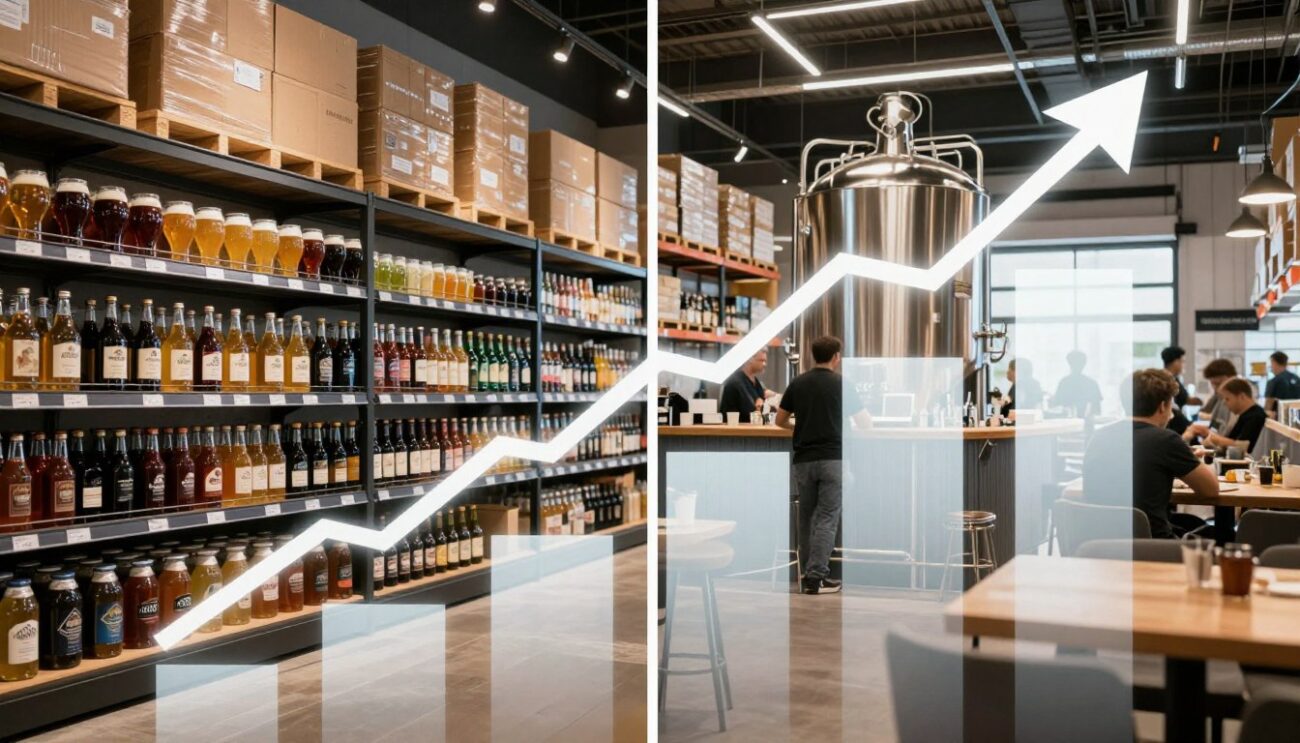
Premium beer demand continues expanding across Kenya and neighboring territories. Hospitality sectors require reliable supply chains that maintain product freshness and batch consistency. Retail chains depend on structured pallet deliveries that support predictable inventory rotation. Wholesale beer export coordination addresses these requirements through disciplined container planning and documentation alignment.
Disciplined bulk supply matters because beer quality depends on controlled handling from brewery to destination. Container shipments require careful pallet configuration, temperature consideration, and timeline coordination. We work with distributors who understand these logistics requirements and seek partners committed to structured trade practices rather than spot transactions.
The Heineken brand originates from Amsterdam, where brewing traditions date back generations. Production facilities in the Netherlands maintain rigorous quality control standards throughout fermentation, filtering, and packaging processes. This heritage ensures consistent flavor profiles across international markets when proper export handling protocols are followed.
Brewing consistency stems from controlled ingredient selection and process discipline. Water composition, barley malting specifications, and hop varieties all contribute to the signature taste profile. Export discipline protects these characteristics through proper packaging, storage temperature management, and shipment timeline coordination from Netherlands production facilities to destination markets.
Sourcing from Netherlands-based suppliers protects brand authenticity. Production occurs under strict brewing standards with full traceability. We coordinate with partners who source directly from authorized Netherlands facilities, ensuring legitimate supply chains. This approach eliminates concerns about parallel imports or compromised batch integrity that can affect brand reputation in destination markets.
Premium Beer Supply Requires Structured Pallet Planning
Container planning begins with format selection and volume calculation. Import coordination involves documentation review, Incoterms alignment, and shipment scheduling. Hospitality demand patterns influence order timing, while retail chain turnover logic determines optimal pallet configurations and delivery frequencies.
Wholesale distributors must balance inventory investment against market velocity. Premium beer moves through different channels at varying speeds. Hotels and restaurants may order smaller quantities more frequently. Retail chains prefer larger pallet deliveries with predictable replenishment schedules. Understanding these dynamics helps structure container loads that serve multiple channel requirements efficiently.
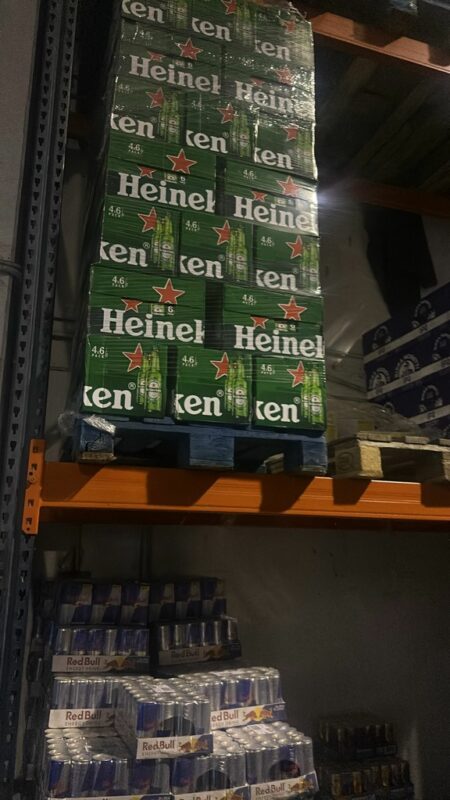
Bulk beer supply demands careful consideration of product rotation. First-in-first-out inventory management protects freshness. Pallet planning accounts for batch dating and consumption timelines. Distributors coordinate with retail and hospitality partners to ensure steady product flow that maintains quality standards consumers expect from premium brands.
Begin Your Distribution Partnership
We coordinate Heineken bulk supply for established distributors serving Kenya and East African markets. Share your format preferences, estimated volume range, and target shipment timeline. Our team reviews requirements and provides structured coordination details aligned with your distribution network needs.
Available Heineken Formats for Bulk Distribution
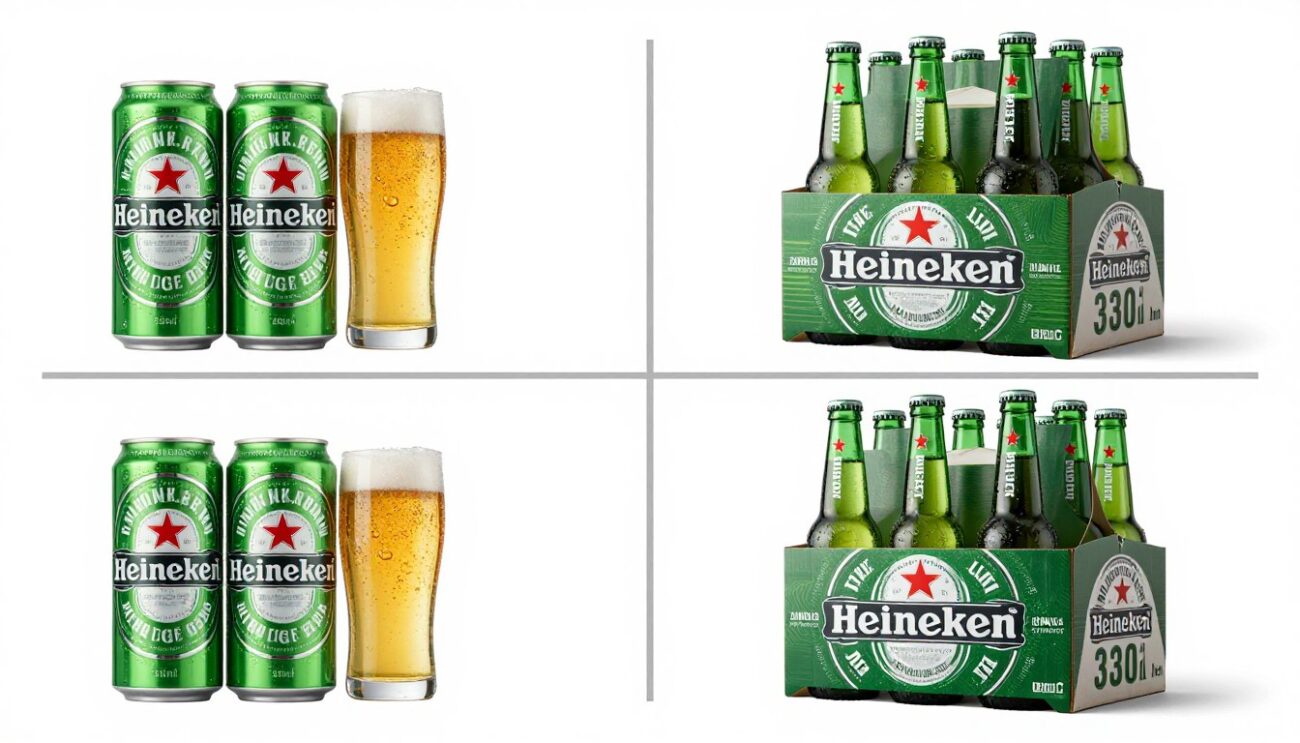
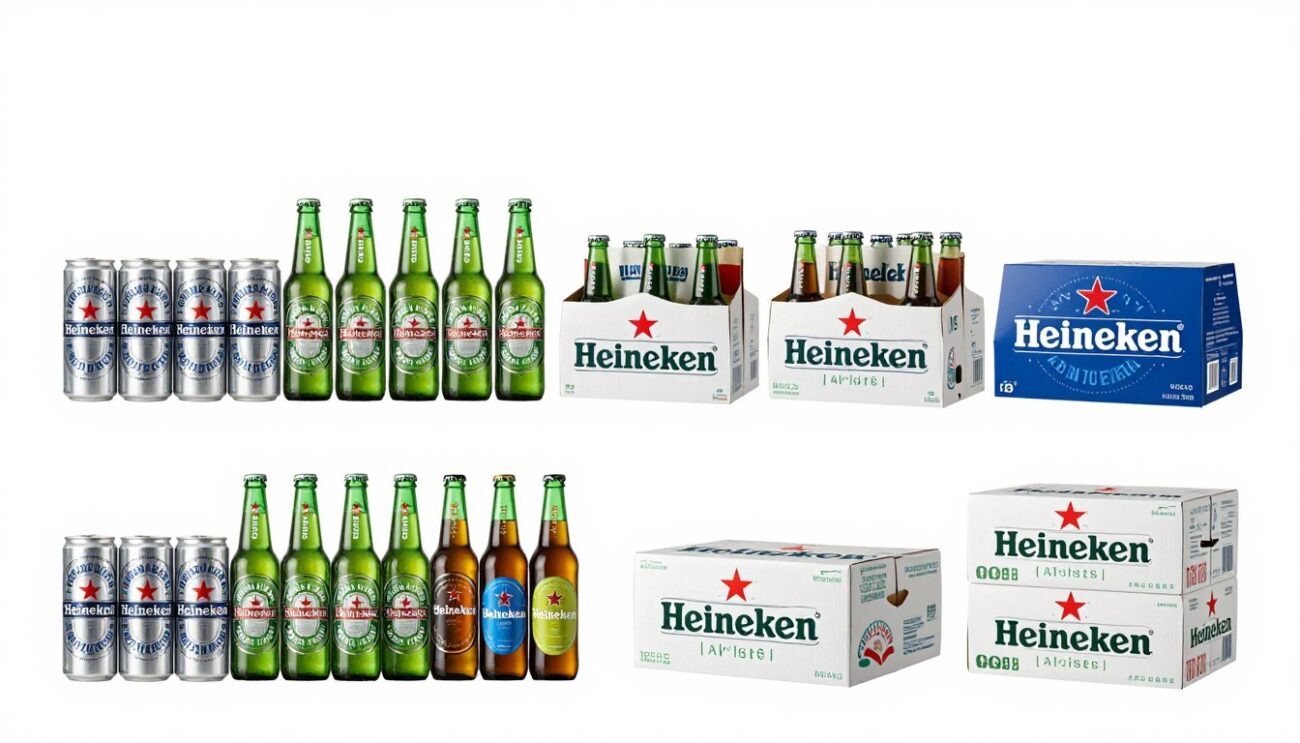
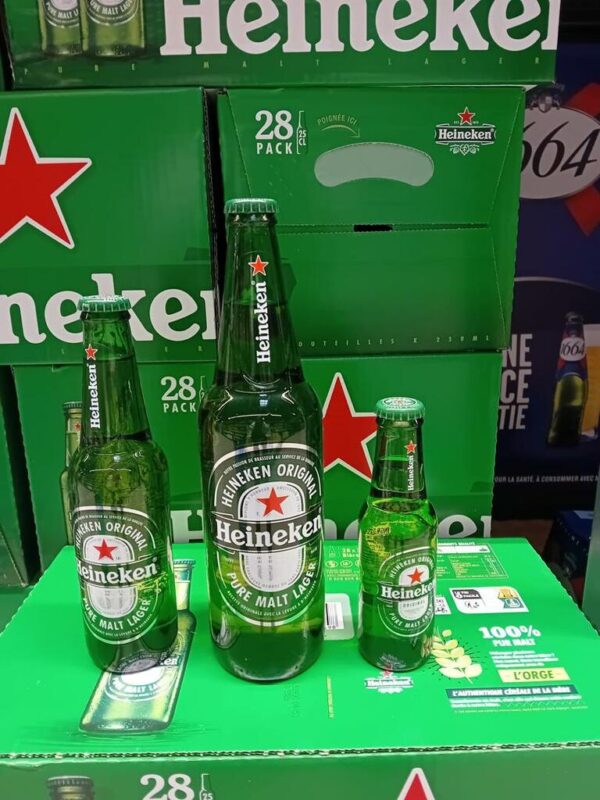
Format selection impacts retail presentation, storage efficiency, and customer preference alignment. We coordinate three primary Heineken formats for wholesale distribution. Each format serves specific market segments and distribution channel requirements.
Cans
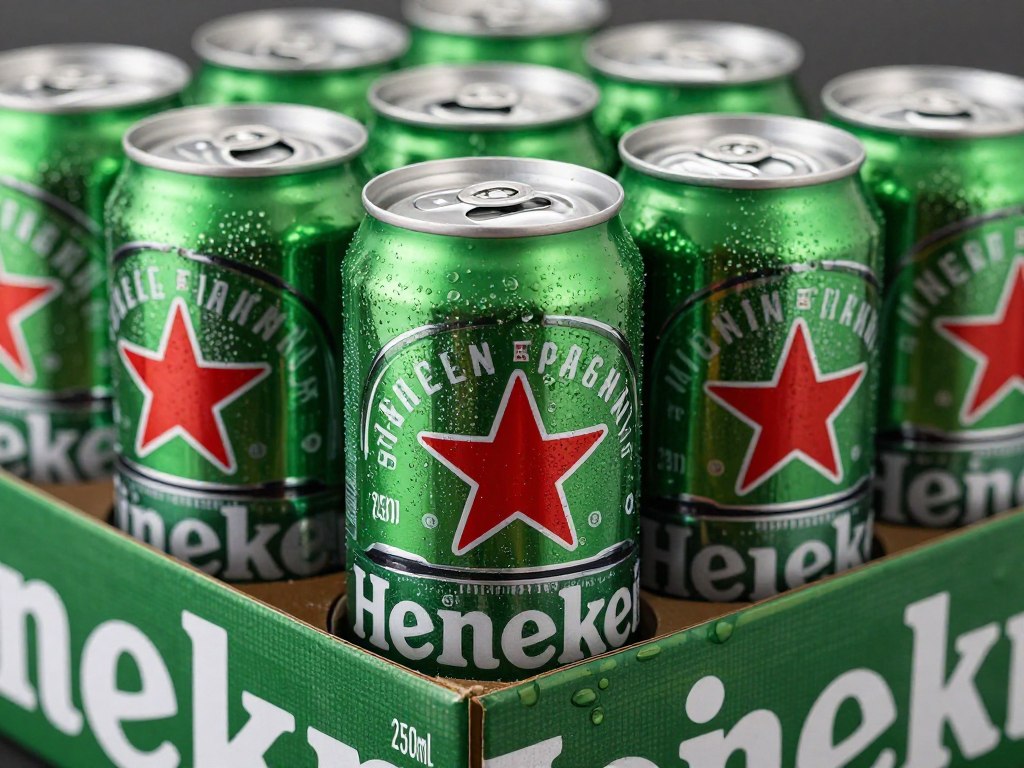
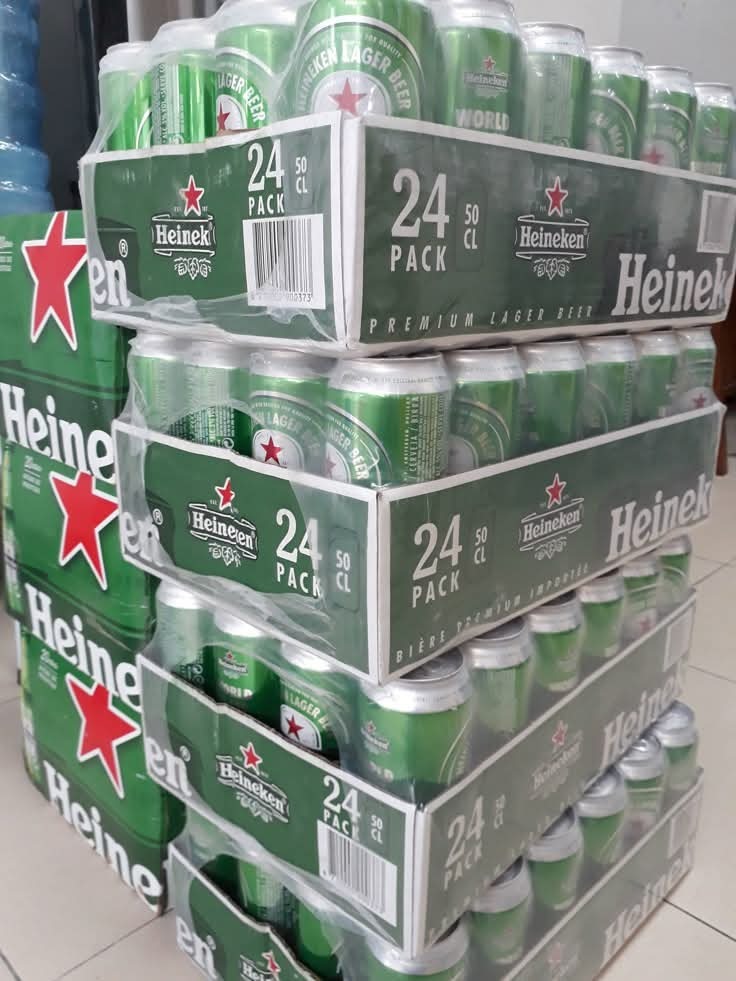
High retail turnover characterizes can formats. Aluminum packaging provides superior protection during transport and storage. Stackability enables efficient pallet configuration. Retail chains prefer cans for their durability and space optimization. Hospitality venues use cans for outdoor events and casual dining environments where glass presents challenges.
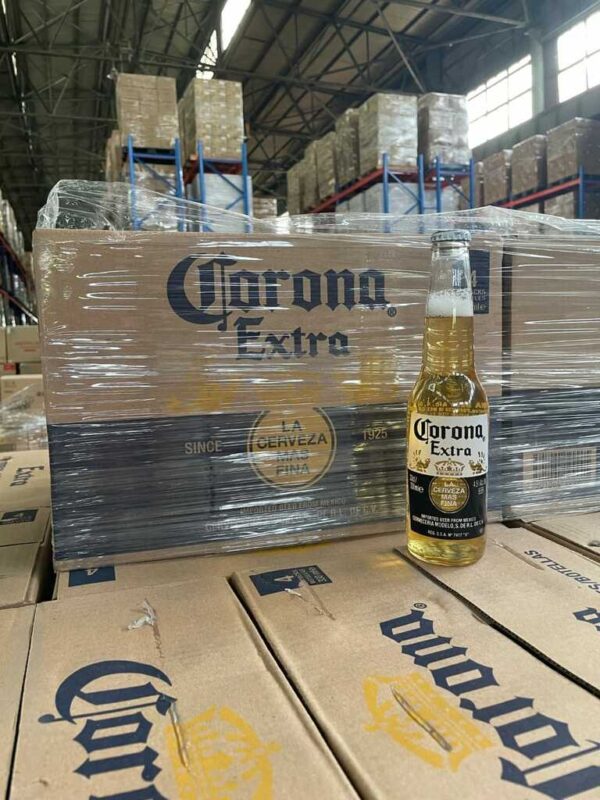
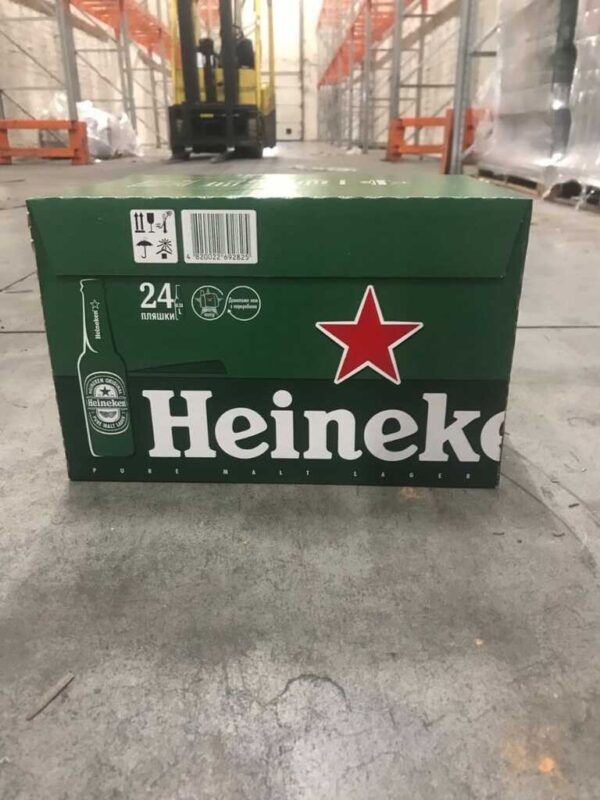
Tray and carton integrity remains critical during shipment. We coordinate with suppliers who use reinforced packaging designed for export handling. Pallet wrapping techniques protect against shifting during container transport. This attention to packaging discipline reduces damage rates and preserves product presentation quality.
Bottles
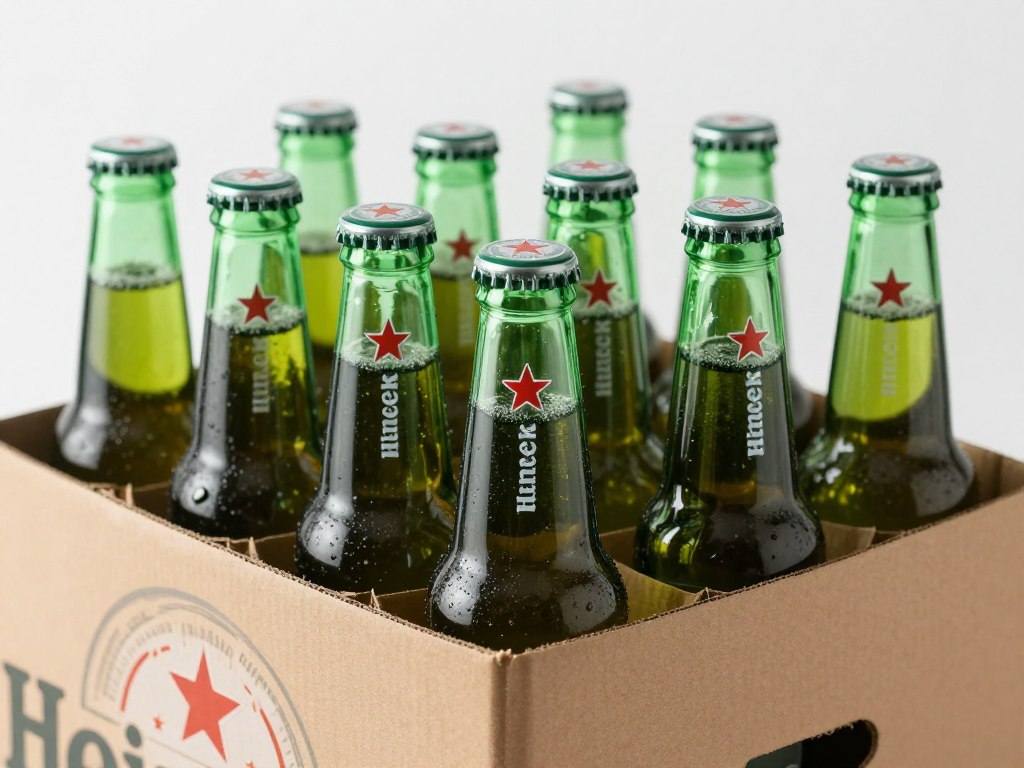
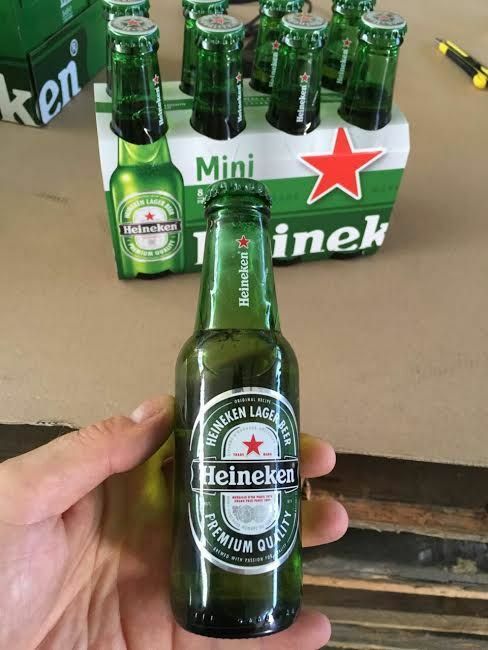
Premium hospitality positioning favors bottle formats. Glass presentation aligns with upscale dining and hotel service standards. Bottles command higher price points in on-premise consumption environments. The format signals quality and occasion, influencing consumer perception and purchase decisions.
Strong glass export packaging prevents breakage during international shipment. Bottles ship in cartons with internal dividers that isolate each unit. Layer sheets between carton rows distribute weight evenly across pallets. Proper stacking techniques and container securing methods protect against movement that could compromise glass integrity.
Multipacks & Cartons
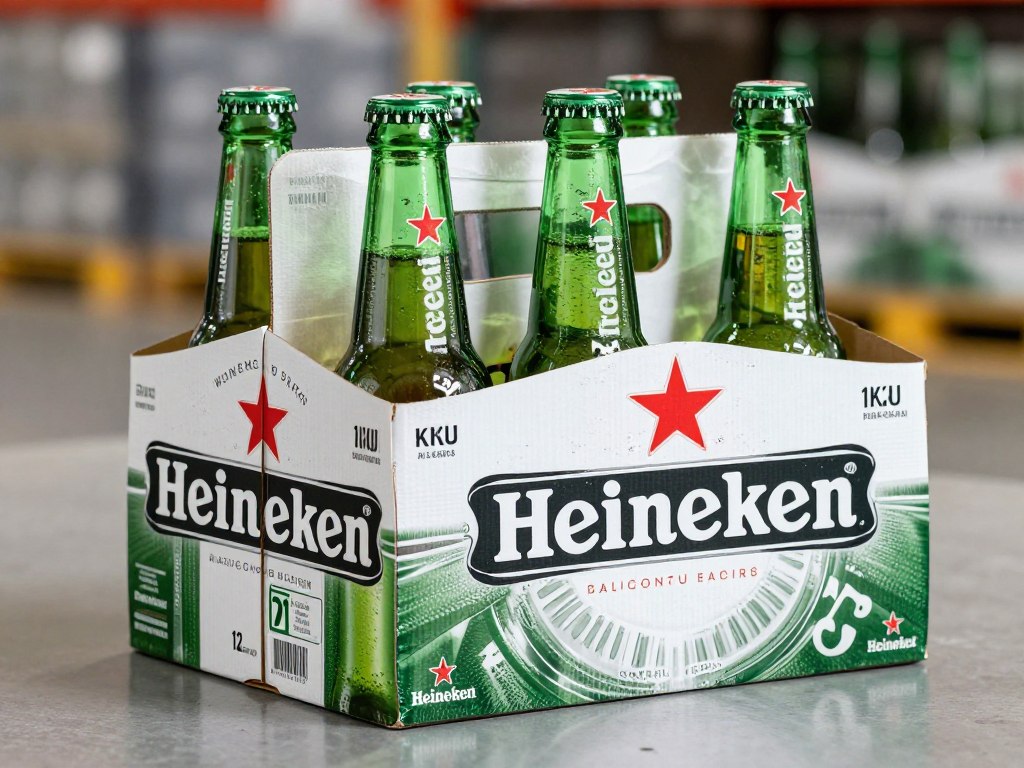
Chain store retail depends on multipack formats. Cartons containing multiple units simplify shelf stocking and inventory management. Consumers purchasing for home consumption prefer larger pack sizes. Multipack pricing strategies support volume sales and customer value perception.
Structured pallet layering organizes different SKU configurations efficiently. Layer planning accounts for carton dimensions and weight distribution. Mixed pallet builds allow distributors to serve retailers with varied product assortments. This flexibility supports market testing and seasonal demand variations without requiring full-pallet commitments per SKU.
| Format | Primary Channel | Export Handling Note |
| Cans | Retail & wholesale | Tray and carton integrity protection during handling |
| Bottles | Hospitality & premium retail | Glass protection with layered stacking methods |
| Multipacks | Chain stores | SKU layer organization for retail assortment |
Mixed SKU Pallet Builds Available
We coordinate layer-by-layer SKU organization within single pallet configurations. This approach allows distributors to receive multiple product formats in one shipment. Each layer maintains structural integrity while providing format variety. Mixed builds support market testing, seasonal promotions, and diverse retail customer requirements without forcing full-pallet minimum orders per individual SKU.
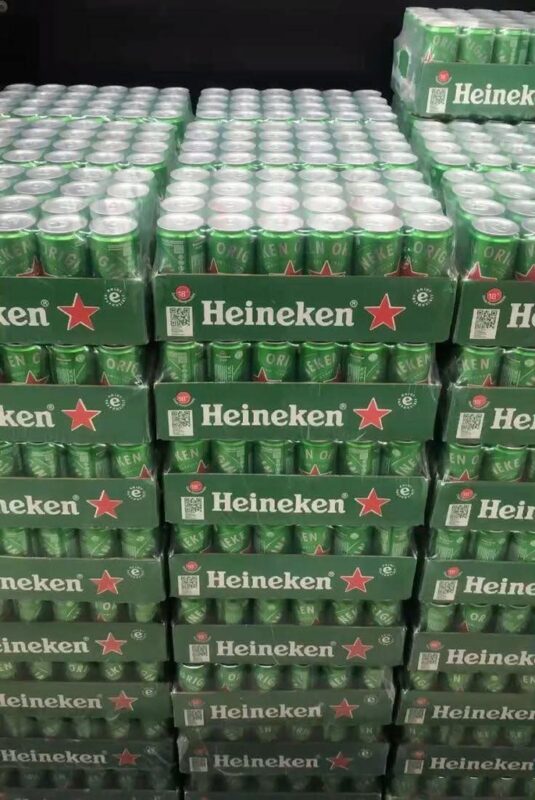
Packaging, Pallet & Container Discipline
Carton compression control prevents product damage during stacking. Export cartons undergo testing to verify vertical load capacity. Suppliers specify maximum stacking heights based on carton strength and product weight. We coordinate with partners who respect these limits, preventing crushed packaging and compromised product integrity.
Pallet height balancing ensures container space optimization without exceeding safe stacking parameters. Standard pallets accommodate specific layer quantities based on carton dimensions. Height calculations account for pallet base thickness, product layers, and top protection materials. Proper balancing maximizes container cube utilization while maintaining load stability.
Container load optimization involves detailed planning before shipment begins. Twenty-foot and forty-foot containers have different internal dimensions and weight capacities. Pallet configurations must fit these specifications efficiently. Load plans indicate pallet placement, securing point locations, and weight distribution patterns that prevent cargo shifting during ocean transport.
Temperature and shipment planning protect beer quality throughout the supply chain. Beer requires cool storage conditions to maintain flavor characteristics. Container selection considers insulation requirements for different shipping routes. Transit duration influences temperature control strategies. We coordinate with logistics partners who understand these beverage-specific handling requirements.
Pallet Stability
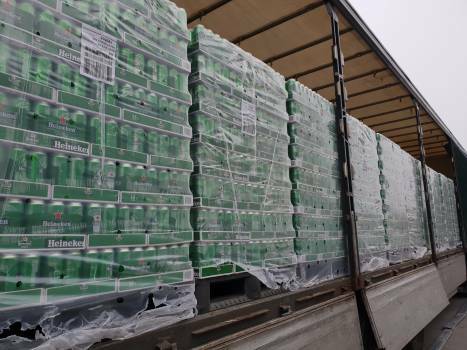
Proper wrapping techniques and corner board placement maintain load integrity. Stretch film application follows specific tension and overlap patterns. Edge protection prevents strap damage during handling and transport.
Glass Protection
Bottle shipments require additional protection layers. Dividers separate individual units within cartons. Layer sheets distribute pressure between carton rows. Pallet caps protect top layers from overhead impacts.
Carton Integrity
Export-grade cartons use moisture-resistant materials. Reinforced corners handle repeated lifting during warehouse operations. Clear handling instructions printed on cartons guide proper orientation and stacking methods.
Layered SKU Planning
Mixed pallet builds follow structured layer organization. Heavier products occupy bottom positions. Lighter or more fragile items stack on top. Weight distribution calculations prevent crushing and maintain stability.
Container Optimization
Load planning software calculates optimal pallet arrangements. Space utilization targets maximize cost efficiency. Weight distribution ensures safe transport and compliance with shipping regulations. Container door orientation affects unloading efficiency.
Documentation Alignment
Accurate documentation prevents customs delays. Packing lists match physical loads exactly. HS codes classify products correctly. Certificate requirements vary by destination and require advance coordination with importing partners.

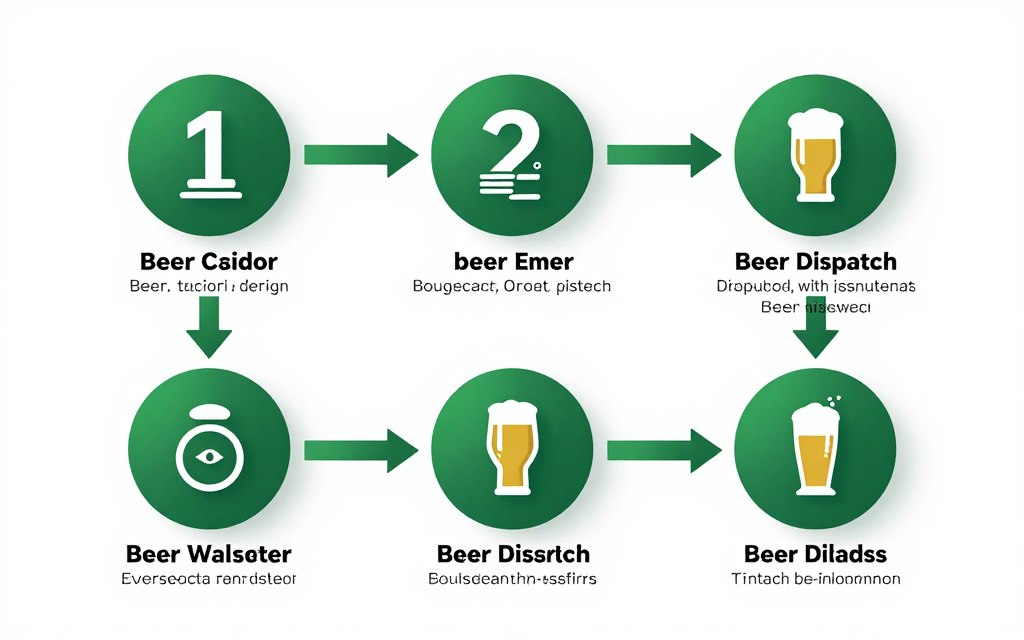
Bulk Beer Coordination – From Confirmation to Dispatch
Our coordination workflow follows structured steps that protect both product quality and commercial interests. We operate as sourcing coordinators based in Vienna, Austria. We do not manufacture Heineken beer. We coordinate sourcing via trusted partners in the Netherlands. Sourcing happens only after confirmed wholesale orders. This protects freshness, batch discipline, and export readiness.
Step-by-Step Process
- Format & Volume Confirmation – Initial discussion establishes required formats, estimated quantities, and delivery timeline expectations. We review distribution channel needs and pallet configuration preferences.
- Netherlands Sourcing Coordination – After order confirmation, we initiate coordination with Netherlands-based partners. Sourcing happens only after commitment, ensuring fresh batch allocation.
- Batch Allocation – Production scheduling aligns with shipment timelines. Batch codes provide traceability. Quality documentation accompanies product from brewery through export process.
- Pallet Plan Confirmation – Detailed load plans specify layer configuration, SKU distribution, and weight parameters. Plans undergo review before physical pallet building begins.
- Documentation & Incoterms Alignment – Commercial invoices, packing lists, and certificates prepare for export. Incoterms clarify responsibility transfer points and cost allocation between parties.
- Container Dispatch Scheduling – Shipping line booking, container stuffing supervision, and departure coordination complete the export process. Documentation transmits to importing partner for customs clearance preparation.
This structured approach ensures clarity throughout the supply process. Each step involves verification and documentation. Communication protocols keep all parties informed of progress and timeline adherence. We coordinate rather than take positions in inventory, which protects both product freshness and capital efficiency.
Ready to Structure Your Heineken Supply?
Our process transparency provides confidence in supply chain reliability. We coordinate with distributors who value structured coordination and quality protection. Share your specific requirements including preferred formats, volume estimates, destination port details, and target shipment window. We respond with coordination details and next-step guidance.

Brand Demand & Reorder Stability
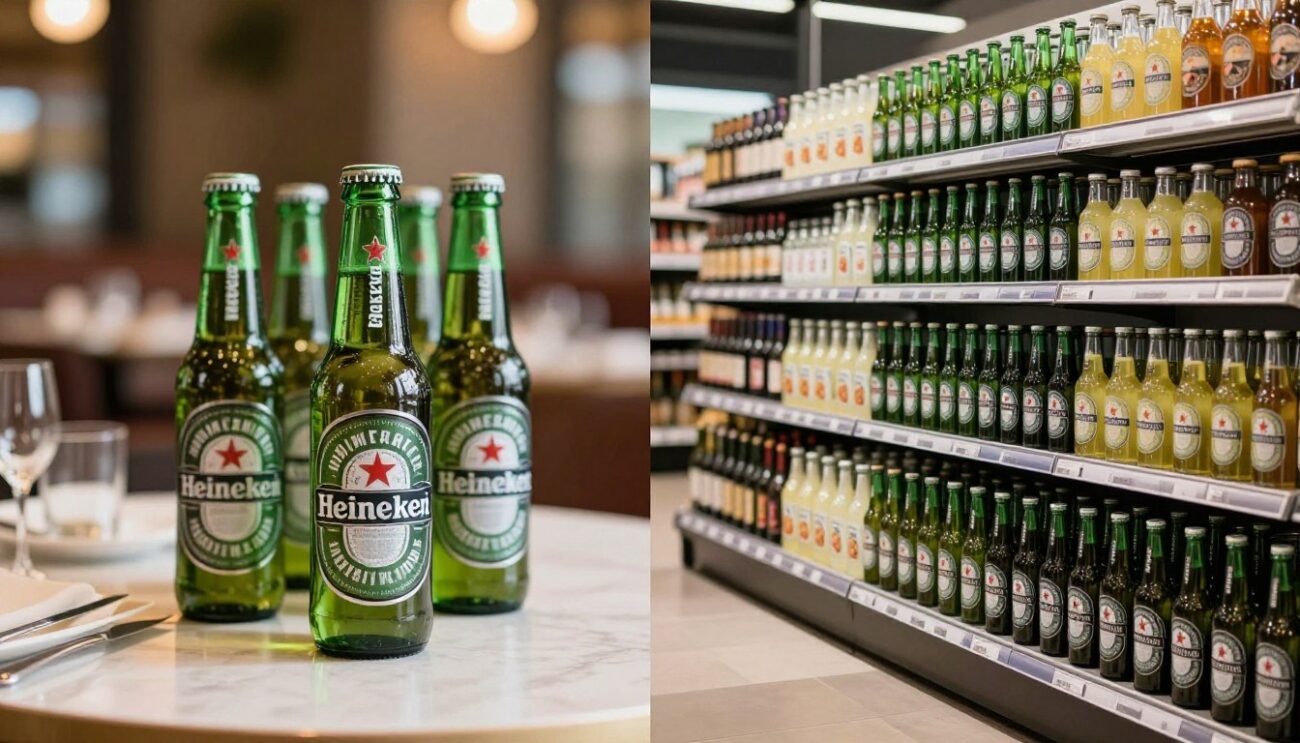
Premium brand positioning creates predictable demand patterns. Heineken maintains strong global recognition across hospitality and retail sectors. This brand strength translates to consistent consumer pull-through, which protects distributor investment and supports reliable reorder cycles. Established brands reduce marketing burden for retailers and simplify purchasing decisions for consumers.
Brand recognition protects distributor cash flow through faster inventory turnover. Known brands require less promotional support to achieve sales velocity. Retail buyers allocate premium shelf space to recognized labels. Hospitality venues feature familiar brands prominently, knowing customer acceptance reduces waste from slow-moving inventory. This velocity supports working capital efficiency and reduces carrying costs.
Structured supply reduces out-of-stock risk that damages retailer relationships and sales performance. Consistent availability builds retailer confidence in the distributor partnership. Predictable reorder processes enable better inventory planning across the distribution network. Supply reliability becomes a competitive advantage when serving demanding retail and hospitality accounts that depend on uninterrupted product availability.
Market insights from our USA distribution coordination demonstrate how brand strength supports volume consistency. Similar patterns appear across Hong Kong and Taiwan markets where premium beer demand follows predictable seasonal and promotional cycles. These regional experiences inform our Kenya coordination approach.
Latin American markets including Colombia show that structured import coordination adapts across diverse regulatory environments. The fundamental principles of batch discipline, documentation accuracy, and partnership transparency remain constant regardless of destination market characteristics. Kenya benefits from these established coordination frameworks.
Payment Terms & Trade Structure
Commercial relationships require clear financial terms. We operate on a structured payment basis designed to balance risk appropriately between trading partners. Standard terms involve advance payment covering production and initial logistics costs, with balance settlement against shipping documentation.
The typical structure allocates fifty percent payment upon order confirmation. This advance enables sourcing coordination and production allocation. The remaining fifty percent becomes due against presentation of the Bill of Lading or through structured agreement that reflects the specific transaction parameters and established business relationship.
Payment terms adapt to partnership maturity and transaction scale. Initial orders often follow conservative structures. Established relationships with proven performance history may accommodate modified arrangements. We discuss specific terms during coordination conversations, ensuring mutual understanding before order confirmation.
We do not publish specific pricing in public channels. Beer wholesale prices fluctuate based on volume, format mix, destination, and market conditions. Minimum order quantities vary depending on container optimization and format selection. These commercial details form part of structured inquiry discussions after initial contact.
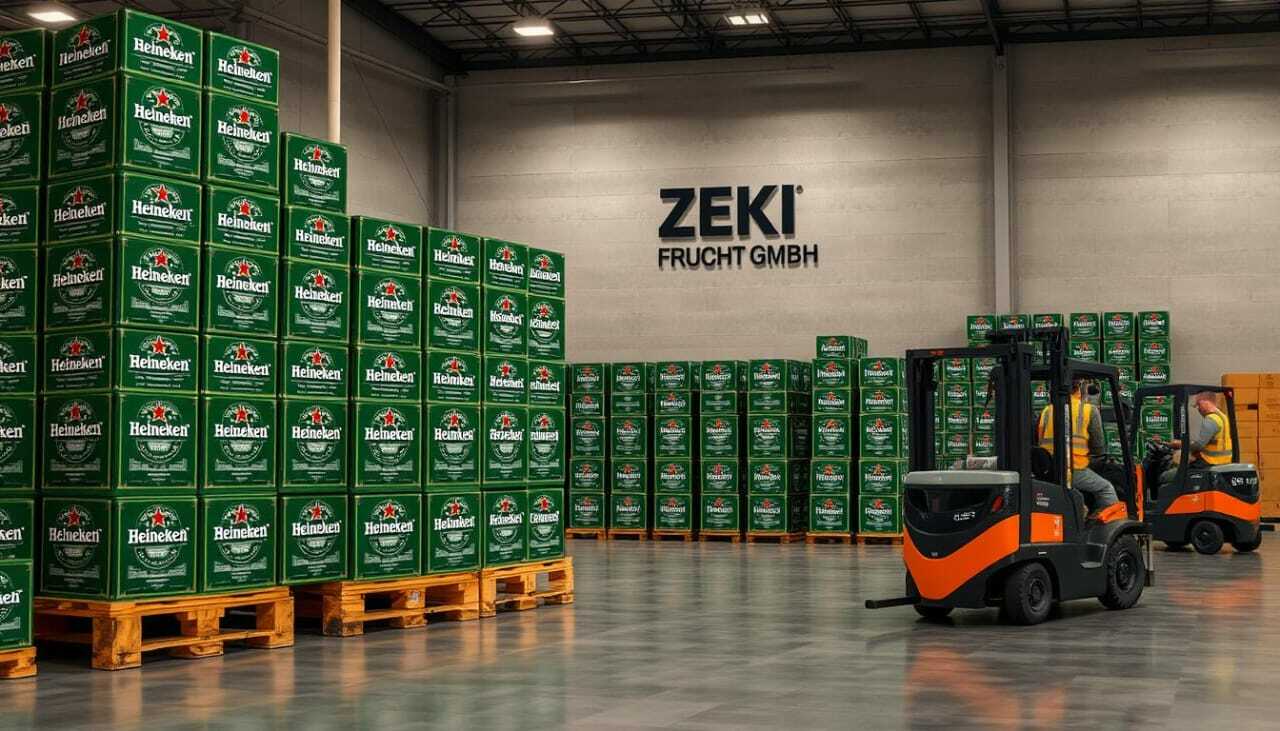
Important Note: Zeki Frucht GmbH coordinates sourcing but does not manufacture Heineken products. We work exclusively in B2B wholesale channels with established distributors, wholesalers, and hospitality procurement professionals. We are not official Heineken distributors and do not claim licensing relationships. Our role centers on professional sourcing coordination via Netherlands-based partners.
Frequently Asked Questions
Can cans and bottles be mixed in one container?
Yes, mixed format containers are standard practice in beer wholesale distribution. We coordinate pallet plans that combine cans, bottles, and multipacks within single container shipments. Each format occupies separate pallet positions with appropriate protection methods. Layer organization accounts for weight distribution and handling requirements. Mixed loads provide format flexibility without requiring separate shipment coordination.
How are glass bottles protected during shipment?
Glass protection follows multiple layers of safeguarding. Individual bottles ship in cartons with internal dividers preventing contact between units. Layer sheets separate carton rows on pallets, distributing weight evenly. Pallet wrapping techniques secure loads against shifting. Container securing methods prevent movement during ocean transport. These combined measures minimize breakage risk throughout the supply chain.
Is pallet loading optimized for container efficiency?
Container optimization forms a core part of our coordination process. Load planning accounts for container internal dimensions, weight limits, and pallet configurations. We calculate maximum cube utilization while respecting stacking height limits and weight distribution requirements. Efficient loading reduces per-unit shipping costs and supports competitive landed pricing for distributors.
How long after confirmation does coordination begin?
Netherlands sourcing coordination begins immediately after order confirmation and advance payment receipt. Production scheduling typically requires several business days depending on current capacity and format availability. Complete timeline from confirmation to container dispatch generally spans two to four weeks, varying by order complexity and destination port logistics. We provide specific timeline estimates during inquiry discussions.
What documentation is aligned before dispatch?
Export documentation includes commercial invoices, detailed packing lists, certificates of origin, and quality certificates as required. We verify HS code classification accuracy for customs purposes. Incoterms specification clarifies responsibility transfer points. All documentation undergoes review before container dispatch to prevent customs clearance complications at destination. Complete documentation packages transmit electronically to importing partners for advance customs preparation.
Kenya’s Position in East African Beer Distribution
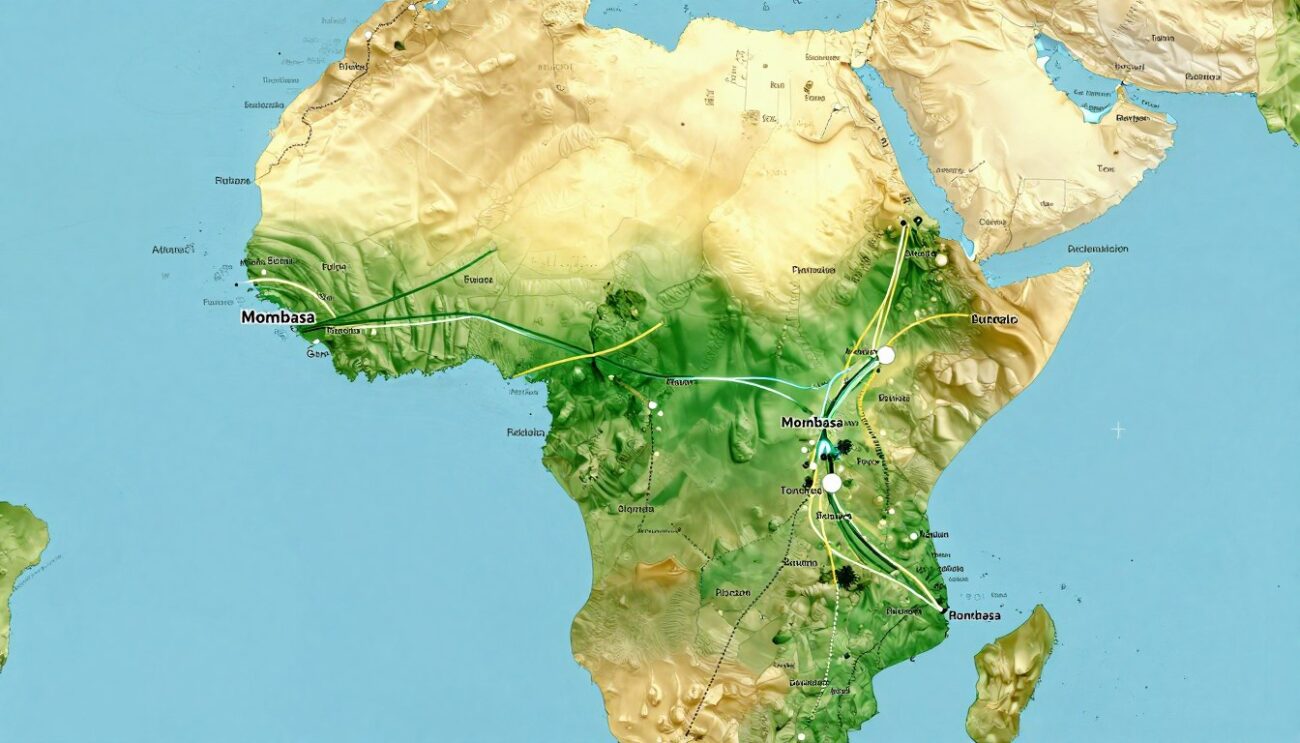
Kenya functions as a regional distribution anchor for East Africa. The country maintains established import infrastructure, banking systems that support international trade, and logistics networks connecting to neighboring markets. Mombasa port serves as the primary entry point for containerized imports destined throughout the region.
The Kenyan beer market demonstrates sophistication in consumer preferences and distribution channels. Urban centers support diverse hospitality sectors ranging from international hotel chains to local restaurants and entertainment venues. Retail infrastructure includes modern supermarket chains alongside traditional wholesale and retail operations. This market diversity creates opportunities for premium import products.
Regional distribution from Kenya reaches Uganda, Tanzania, Rwanda, and other East African territories. Established road transport networks facilitate onward movement after customs clearance. Distributors operating from Kenyan bases serve multi-country territories, creating efficiency through centralized import operations and regional delivery coordination.
Understanding local market dynamics helps structure effective supply arrangements. Seasonal demand variations, promotional calendar patterns, and competitive positioning all influence order timing and volume planning. We work with distributors who possess this market knowledge and seek supply partners who understand international beverage trade requirements.
The premium segment within Kenya’s beer market continues expanding. Growing middle-class populations support increased spending on recognized international brands. Hospitality sector development parallels tourism growth and business travel expansion. These factors create favorable conditions for premium beer imports including established Dutch lager brands.
Netherlands Sourcing & Quality Assurance
The Netherlands maintains long-established brewing heritage and modern production facilities. Heineken brewing operations concentrate in Netherlands locations where quality control protocols undergo continuous refinement. Sourcing from these authorized facilities ensures authentic product with full traceability.
The Heineken Company operates global supply networks, but direct Netherlands sourcing offers specific advantages. Production runs from Dutch facilities maintain consistency with original brewing specifications. Export packaging meets international shipping standards. Batch documentation provides complete supply chain transparency from brewing through container dispatch.
We coordinate exclusively with Netherlands-based partners who maintain direct relationships with authorized production sources. This approach eliminates parallel import concerns and ensures batch integrity. Product ships directly from Netherlands export facilities to destination ports, minimizing handling touchpoints that could compromise quality or documentation accuracy.
Quality assurance extends beyond product itself to encompass logistics handling. Temperature control during storage and shipment protects beer characteristics. Proper packaging prevents damage. Accurate documentation enables smooth customs clearance. These operational disciplines separate professional beer wholesale from casual trading approaches that risk product quality and commercial complications.

Working with Professional Distributors
We coordinate with established beverage distributors who understand bulk import logistics. Professional distributors maintain import licenses, customs clearance capabilities, and distribution networks serving retail and hospitality accounts. These operational fundamentals ensure smooth transaction execution and product flow to end markets.
Distributor experience with pallet-level and container-level trading distinguishes professional operations from smaller-scale buyers. Understanding container optimization, documentation requirements, and payment structures indicates operational maturity. We seek partnerships with distributors who view supply coordination as strategic rather than transactional.
Financial capacity matters in beer wholesale. Container-level orders represent significant capital commitments. Distributors must manage working capital across procurement, logistics, and inventory holding periods. Payment term structures reflect these business realities while protecting supplier interests through balanced risk allocation.
Long-term orientation benefits both parties. Initial transactions establish operational patterns and build mutual confidence. Successful partnerships develop over multiple order cycles as both sides learn each other’s processes and reliability. We invest coordination effort in relationships demonstrating potential for sustained collaboration rather than one-time transactions.
Distribution Infrastructure
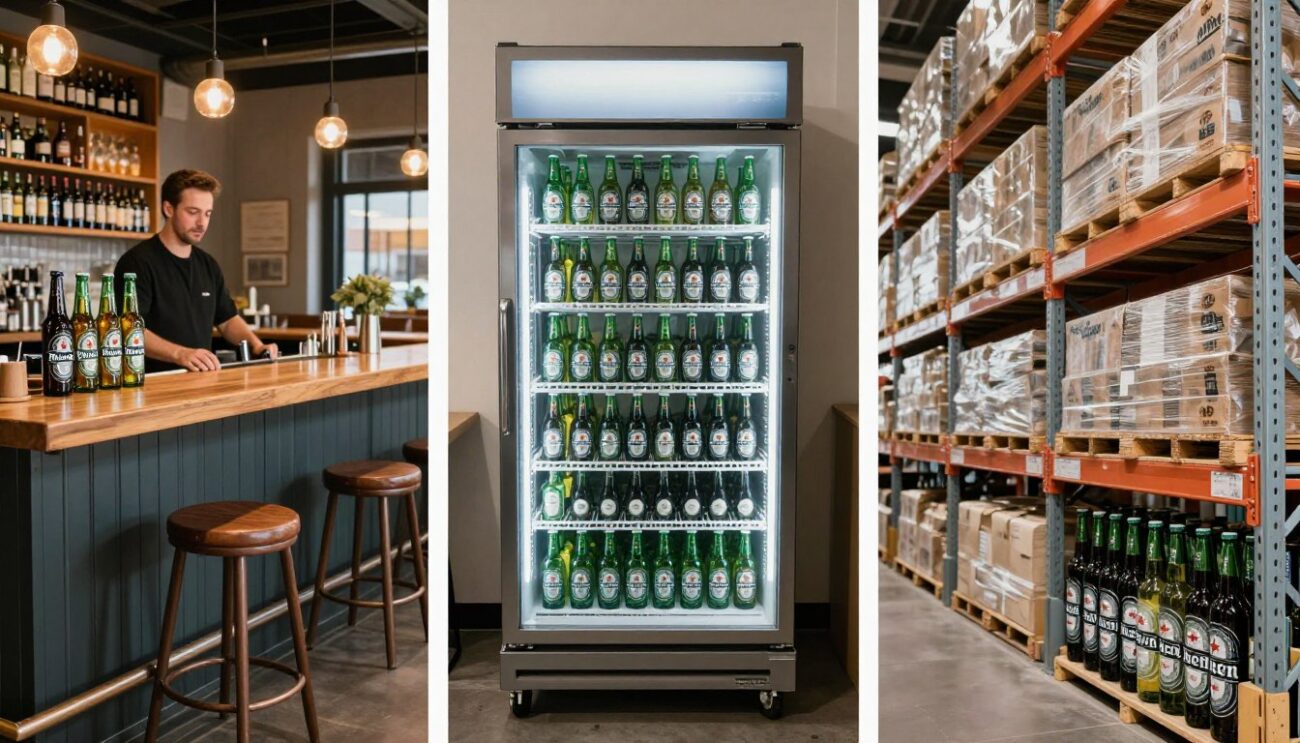
Professional distributors maintain warehousing with temperature control capabilities. Logistics operations include delivery vehicles serving different customer categories. Order management systems track inventory, sales, and replenishment needs across distribution networks.
- Temperature-controlled storage facilities
- Fleet operations for multi-channel delivery
- Inventory management systems
- Established retail and hospitality relationships
Import Capabilities
Customs clearance experience prevents shipment delays and additional costs. Distributors understand tariff classifications, duty calculations, and documentation requirements. Banking relationships support international payment processing and trade finance if needed.
- Import licensing and regulatory compliance
- Customs broker relationships
- International payment capabilities
- Trade documentation expertise
Market Knowledge
Successful distributors understand local market dynamics, competitive positioning, and demand patterns. This knowledge informs volume planning, format selection, and timing decisions. Market intelligence supports inventory optimization and reduces working capital risk.
- Consumer preference understanding
- Seasonal demand pattern recognition
- Competitive landscape awareness
- Channel-specific requirements knowledge
Business Practices
Professional operations maintain proper accounting, tax compliance, and business documentation. Clear communication protocols support coordination efficiency. Commitment to payment terms and operational agreements builds trust that enables partnership development.
- Financial transparency and accountability
- Reliable communication responsiveness
- Agreement adherence and professional conduct
- Long-term business development orientation
International Logistics & Incoterms
International beer shipping requires understanding of logistics fundamentals and commercial terms. Incoterms published by the International Chamber of Commerce define responsibility transfer points between sellers and buyers. These standardized terms prevent misunderstanding about who handles specific logistics elements and bears associated costs.
Common Incoterms in beer wholesale include FOB, which transfers responsibility when goods board the vessel at origin port, and CIF, which includes cost, insurance, and freight to destination port. Selecting appropriate Incoterms depends on distributor preferences, logistics capabilities, and risk management strategies.
Ocean freight rates fluctuate based on shipping line capacity, route demand, and seasonal patterns. Container availability affects departure scheduling. Transit times vary by routing and transhipment requirements. These logistics variables influence landed costs and delivery timelines. We coordinate with freight forwarders who specialize in beverage container shipping to optimize these factors.
Insurance coverage protects against cargo loss or damage during international shipment. Coverage terms specify what risks are included and what documentation is required for claims. Insurance costs factor into total landed cost calculations. We guide distributors through insurance options appropriate to their risk tolerance and transaction value.
Documentation Checklist
Complete export documentation includes commercial invoices with accurate product descriptions and values, detailed packing lists matching physical container contents, certificates of origin as required by destination country, quality certificates from production facilities, Bill of Lading issued by shipping line, insurance certificates if CIF terms apply, and any destination-specific certificates required for customs clearance. Proper documentation prevents delays and additional costs at destination.

Begin Your Heineken Distribution Partnership
Structured beer supply coordination requires clear communication and mutual understanding. We work with distributors who value transparency, quality protection, and professional trade practices. Kenya’s position as an East African distribution hub creates opportunities for regional supply coordination.
Successful partnerships begin with detailed inquiry discussions. We need to understand your distribution network, target markets, channel mix, and volume expectations. This information enables appropriate pallet planning and logistics coordination. Clear initial communication establishes foundations for efficient ongoing operations.
When reaching out, please share the following information to facilitate productive coordination discussions:
- Required Format: Specify interest in cans, bottles, multipacks, or mixed format combinations
- Estimated Volume: Indicate target quantity ranges to guide container planning
- Destination Port: Confirm whether Mombasa or alternative port for customs clearance
- Target Shipment Window: Share preferred timing to coordinate production and logistics scheduling
- Distribution Reach: Describe whether serving Kenya exclusively or broader East African territory
- Experience Level: Indicate familiarity with container imports and beverage wholesale operations
We review inquiries carefully and respond with coordination details aligned to your specific requirements. Our approach emphasizes partnership development rather than one-time transactions. We seek distributors committed to quality standards and professional business practices.
Contact Zeki Frucht GmbH for Heineken Wholesale Coordination
Based in Vienna, Austria, we coordinate premium beer sourcing for professional distributors across global markets. Our Netherlands sourcing partnerships ensure authentic Heineken products with complete traceability and export discipline. Share your distribution requirements and we’ll provide structured coordination guidance.
Professional beverage distribution demands reliable supply partners who understand international trade complexity. We coordinate rather than take inventory positions, ensuring fresh product allocation and efficient capital deployment. This coordination model benefits distributors through quality assurance and competitive landed costs.
Kenya’s beer market presents strong opportunities for premium import brands. Growing consumer sophistication, expanding hospitality sectors, and established retail infrastructure support sustained demand. Distributors positioned to serve these markets benefit from partnerships with supply coordinators who prioritize operational excellence and long-term collaboration.