

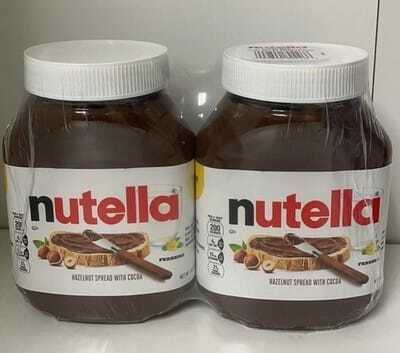
Bulk Nutella supply solutions for supermarkets, distributors, bakery chains, and horeca procurement across Northern European markets continue to expand as chocolate spread maintains its position as a high-velocity retail product. The demand from convenience stores to large-format retailers demonstrates consistent growth patterns across Ireland, the United Kingdom, and surrounding European regions.
Chocolate spread wholesalers recognize that supermarket expansion drives continuous requirements for established brands that deliver predictable customer purchasing patterns. Bakery operations depend on consistent hazelnut spread availability for production scheduling. Distribution networks serving horeca channels require reliable coordination to maintain service levels across restaurant and café accounts.
We coordinate Nutella sourcing from French production facilities for confirmed wholesale volumes. Zeki Frucht GmbH, based in Vienna, Austria, structures batch coordination upon volume confirmation from distributors, supermarket procurement teams, and bakery suppliers operating across Northern European markets. Our business model focuses exclusively on wholesale coordination rather than manufacturing, ensuring we maintain sourcing discipline aligned with buyer requirements.
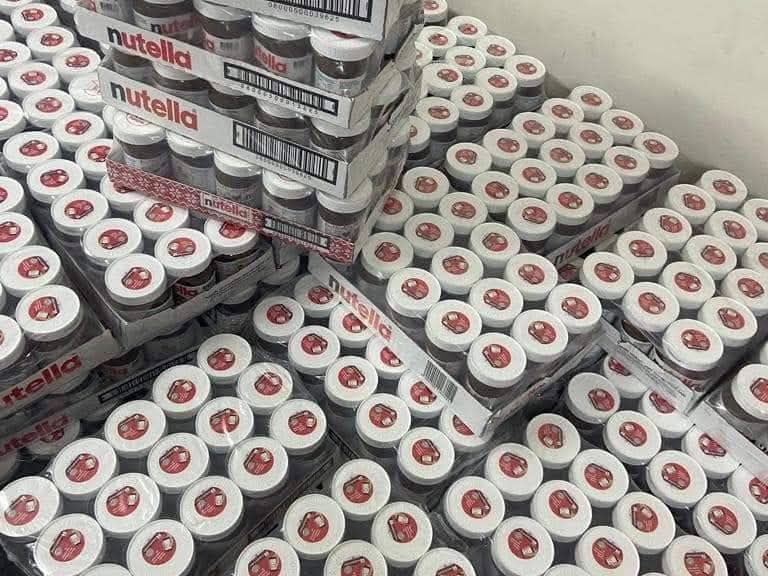
French manufacturing standards maintain production consistency that wholesale buyers require for retail planning. The industrial-scale facilities operate under strict quality protocols that protect brand reputation across international markets. Volume capacity supports container-level wholesale orders while batch tracking systems enable freshness discipline throughout the supply chain.
Production scale directly impacts wholesale availability for distributors planning quarterly volumes. The manufacturing infrastructure processes hazelnut and cocoa ingredients through automated systems that deliver consistent product specifications. Temperature-controlled production environments ensure quality stability from processing through final packaging stages.
Wholesale buyers coordinating pallet-level orders benefit from batch consistency that simplifies retail distribution planning. Fresh production cycles align with container shipment schedules, maintaining shelf-life advantages for supermarket buyers. This coordination between manufacturing output and wholesale dispatch timing protects distributor inventory quality across Northern European delivery routes.
Volume coordination inquiries for UK and Northern European wholesale distribution
Market Structure – Retail & Bakery Demand
Stable FMCG Supply for High-Rotation Retail Channels
Supermarket chains across Ireland and the United Kingdom maintain Nutella as a core grocery category with consistent shelf allocation and promotional calendar integration. The product demonstrates reliable sales velocity that supports distributor cash flow planning and retail buyer confidence in inventory investment. Private retail groups incorporate chocolate spread into seasonal campaigns and everyday pricing strategies.
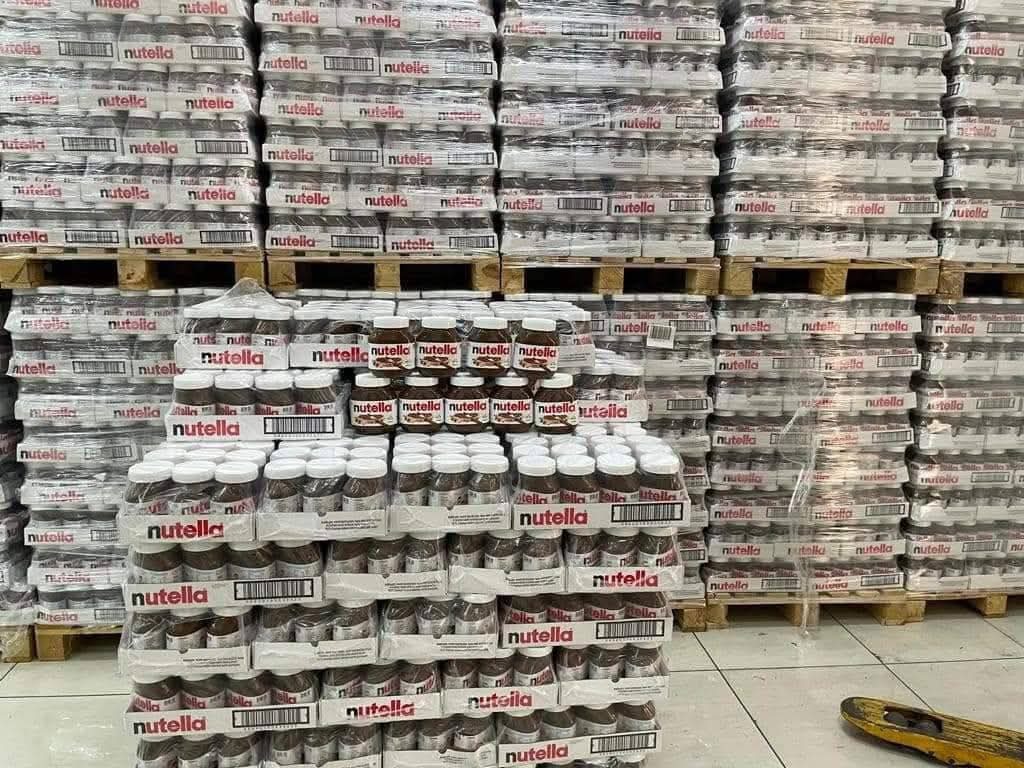
Bakery suppliers serving production facilities require bulk hazelnut spread for pastry filling, croissant preparation, and dessert applications. Commercial bakeries operate on production schedules that demand consistent ingredient availability without quality variation. The catering sector through horeca channels purchases larger format sizes for breakfast service and dessert preparation across hotel and restaurant networks.
Distribution networks coordinating FMCG goods across multiple retail formats benefit from products that generate predictable reorder patterns. Chocolate spread maintains strong consumer recognition that reduces marketing investment requirements for retailers while delivering steady turnover rates. Seasonal demand peaks around breakfast campaigns and holiday periods create planning opportunities for wholesalers managing inventory cycles.
Independent retailers and convenience store groups represent additional wholesale channels requiring smaller but frequent delivery coordination. These buyers typically consolidate Nutella orders within broader FMCG shipments, creating opportunities for mixed pallet arrangements. Regional distributors serving rural and suburban retail networks coordinate delivery routes that benefit from stable product availability and consistent packaging standards.
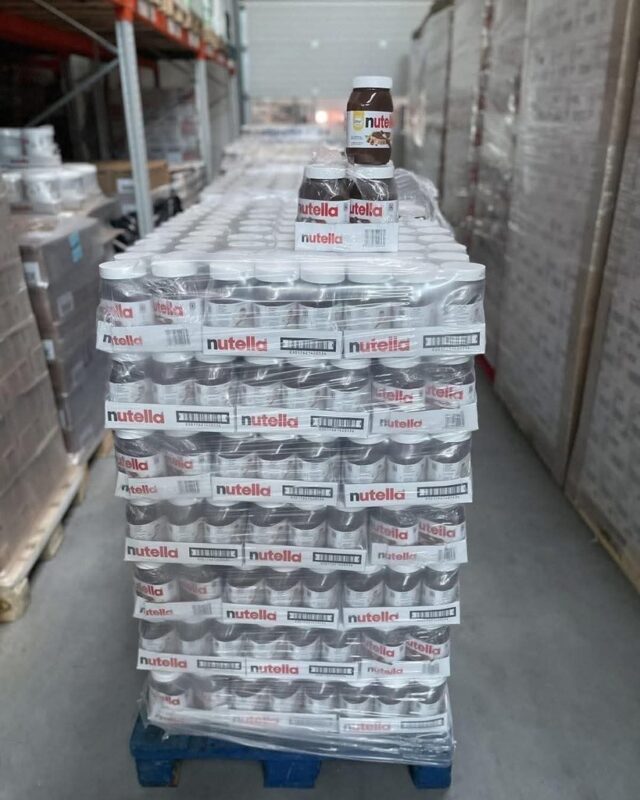
Nutella Wholesale Sizes for Retail & Catering Distribution
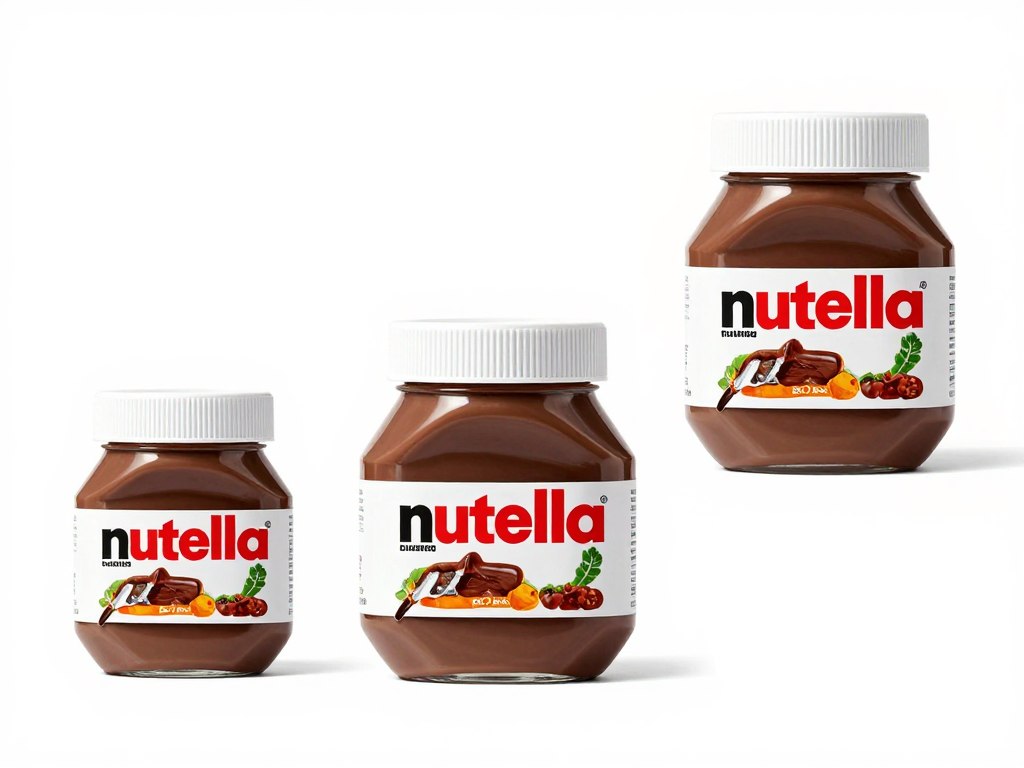
Wholesale Nutella supply encompasses four primary jar sizes, each serving distinct distribution channels within the FMCG ecosystem. Retail buyers select configurations based on target customer demographics and shelf space allocation strategies. Understanding size-specific applications helps distributors optimize inventory mix for their service territories.

350g Retail Jar
Convenience retail formats favor the 350g size for single-household purchasing patterns. Small-format stores with limited shelf depth stock this size to maximize SKU variety within space constraints. The jar dimensions support standard retail shelving systems across European store formats.
750g Supermarket Standard
Supermarket buyers identify the 750g format as the primary volume driver for chocolate spread categories. The size balances household consumption patterns with competitive shelf pricing strategies. Multiple-unit promotional displays typically feature this configuration during seasonal campaigns.
1kg Bakery Format
Commercial bakeries and pastry production facilities purchase the 1kg jar for ingredient applications. The size provides practical handling for production staff while maintaining freshness standards for daily operations. Bakery suppliers coordinate regular deliveries to support continuous production schedules.
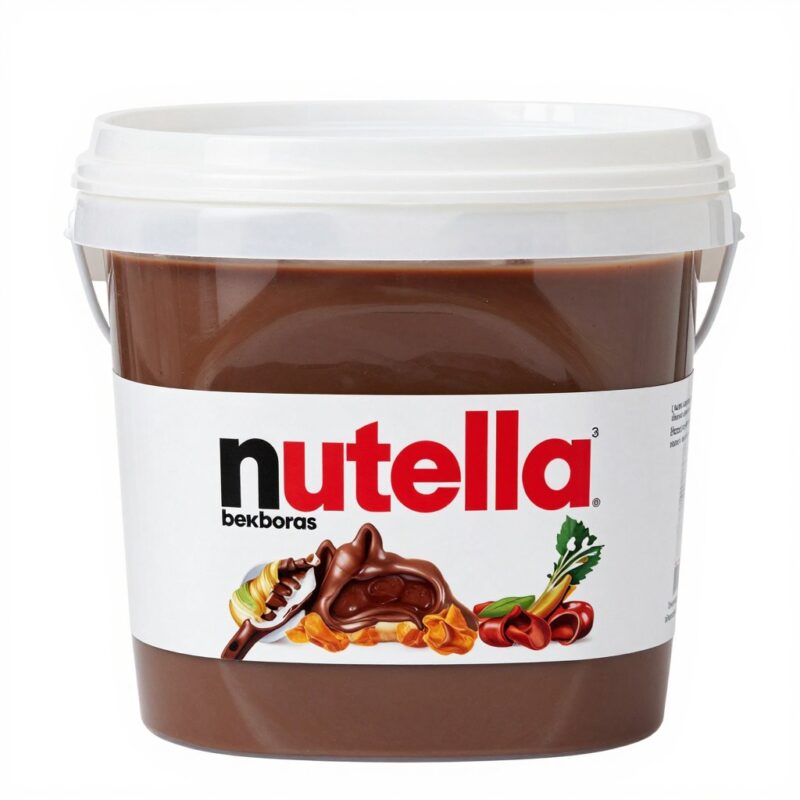
3kg Catering Bucket
Horeca distribution channels serve hotels, restaurants, and café operations requiring the 3kg catering format. Breakfast buffet service and dessert preparation consume larger volumes efficiently. The bucket design facilitates commercial kitchen storage and portion control practices.
| Size | Target Market | Export Handling | Primary Distribution Channel |
| 350g | Convenience Retail | Standard export carton | Independent stores, petrol stations |
| 750g | Supermarket | Stable pallet stacking | Grocery chains, hypermarkets |
| 1kg | Bakery | Reinforced packaging | Commercial bakeries, pastry shops |
| 3kg | Horeca | Bulk pallet arrangement | Hotels, restaurants, catering services |
Mixed Pallet Coordination: Distributors serving multiple retail formats often request mixed pallet consolidation combining different jar sizes within single container shipments. We coordinate such configurations depending on confirmed volume specifications. Buyers typically share their preferred jar size distribution when planning orders that serve both retail and horeca accounts across their service territories.

Export carton specifications vary by jar size to optimize protection during international transport. The 350g and 750g retail formats pack into cartons designed for stable pallet stacking through multi-modal transport. Bakery and horeca sizes use reinforced carton construction that accommodates heavier unit weights while maintaining structural integrity during container loading and port handling operations.
Retail Configuration Benefits
- Standard shelf-ready packaging
- Consumer-friendly size range
- Promotional display compatibility
- Price point flexibility for retailers
Commercial Format Advantages
- Reduced packaging waste per kilogram
- Efficient kitchen storage utilization
- Lower per-unit handling costs
- Bulk purchasing economies for operators
Logistics & Container Coordination
Container load optimization begins with pallet stacking standards that maximize cubic capacity while protecting product integrity throughout ocean freight and inland transport. Nutella wholesale shipments coordinate carton dimensions with standard European pallet specifications, ensuring efficient warehouse handling at destination ports across Ireland and Northern European delivery zones.
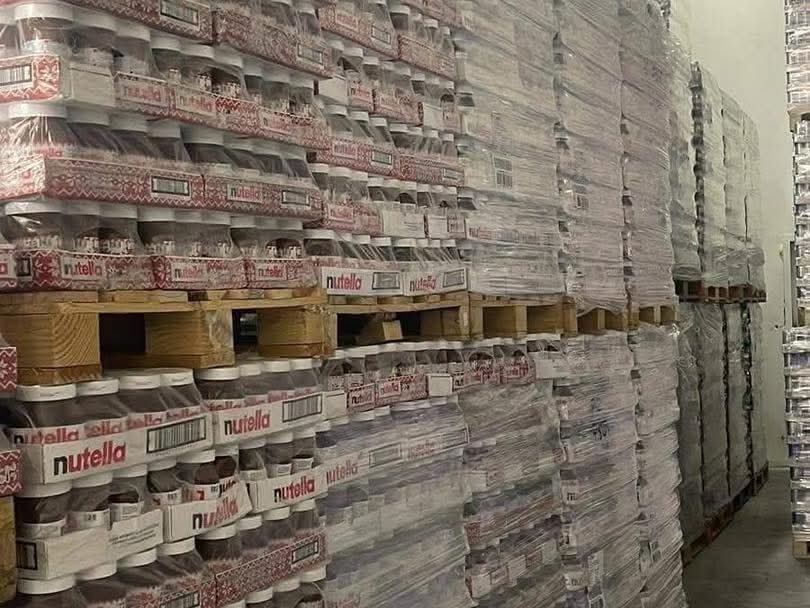
Carton reinforcement specifications address the weight distribution of glass jar packaging across multiple transport modes. Export packaging withstands stacking pressure within full container loads while providing cushioning against handling impacts during port operations. Temperature considerations factor into container selection, particularly for shipments crossing multiple climate zones between French sourcing points and Northern European destinations.
We coordinate container optimization based on confirmed volume specifications. Distributors working with retail chains or multi-location distribution networks typically share destination port details and preferred delivery timeframes to structure efficient dispatch coordination. This information enables proper container booking and documentation preparation that aligns with buyer receiving capabilities.
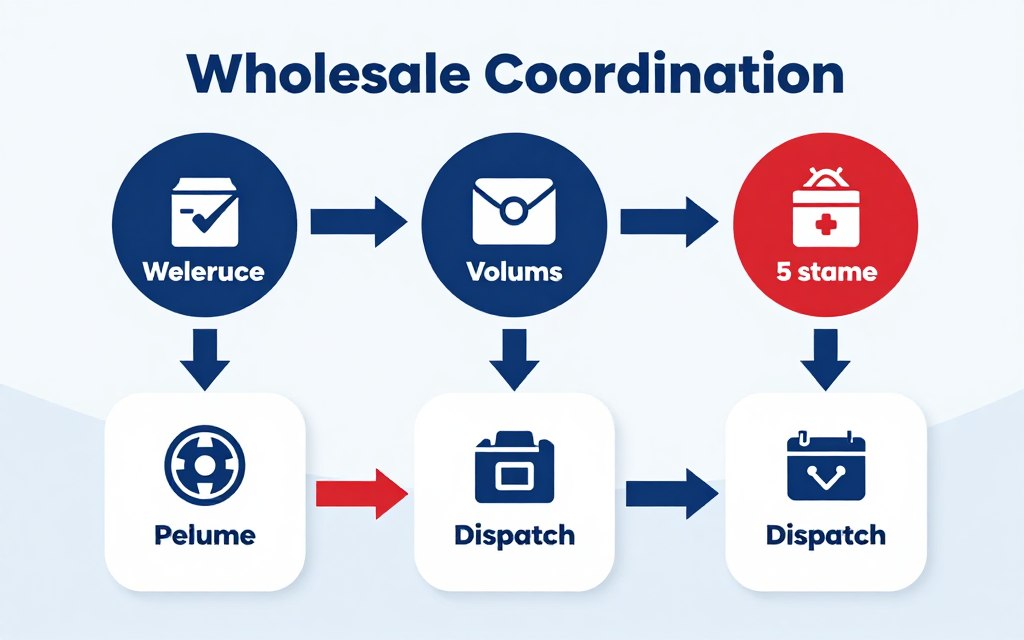
Volume-based planning determines whether full container loads or consolidated shipment arrangements best serve buyer requirements. Full container coordination provides cost efficiency for distributors managing regular reorder cycles across established retail networks. Buyers initiating new market development may structure smaller initial volumes through consolidated arrangements before scaling to container-level commitments.
Documentation Standards
Export documentation follows standard international trade protocols for FMCG goods moving between EU member states and broader European markets. Commercial invoices detail product specifications, quantities, and agreed commercial terms. Packing lists provide carton-level information that facilitates customs clearance and receiving verification at destination facilities.
Bills of lading establish shipment ownership transfer timing, coordinating with payment structures agreed between buyer and supplier. Certificate of origin documentation supports tariff classification when required by destination country regulations. Product specifications and batch information accompany shipments to satisfy food safety traceability requirements across European distribution networks.
Transport Mode Selection
Ocean freight dominates container-level Nutella wholesale movements from European production regions to Irish and UK destination ports. Transit times between continental European ports and Dublin, Belfast, or UK destinations typically range from 3-7 days depending on specific routing and port combinations selected.
Inland transport from French sourcing locations to departure ports coordinates with container booking schedules to minimize storage time before vessel loading. Temperature-controlled containers protect product quality when seasonal weather conditions warrant additional protection, though standard dry containers suffice for most Northern European routing scenarios.
Volume Coordination Consultation
Buyers planning wholesale Nutella distribution often benefit from discussing their specific volume patterns and delivery requirements before finalizing order structures. We coordinate batch sourcing schedules with container dispatch timing to optimize freshness upon arrival at destination facilities. Supermarket distributors and bakery suppliers working across multiple delivery locations share their regional coverage maps to structure efficient inland transport following port clearance.
Pallet configuration within containers follows loading plans that distribute weight evenly while maintaining access to carton identification markings. Mixed pallet shipments combine different jar sizes according to buyer specifications, with heavier formats positioned on lower pallet layers. Stretch wrapping and corner protection systems secure loads during transport while allowing visual inspection of top carton conditions.

Brand Demand & Reorder Stability
Nutella brand loyalty drives consistent repurchase behavior across consumer demographics, creating predictable demand patterns that benefit wholesale distributors and retail buyers. The established market position reduces promotional investment requirements while maintaining strong shelf velocity. Retail category management teams allocate permanent shelf space based on proven sales history rather than experimental product testing cycles.
Retail shelf stability translates directly to distributor inventory planning advantages. Products with high brand recognition generate steady reorder patterns that enable efficient warehouse space utilization and cash flow management. Supermarket buyers incorporate Nutella into core ranging strategies rather than seasonal or promotional-only assortments, supporting continuous distribution relationships.
High repeat purchase rates characterize chocolate spread categories where established brands dominate consumer preference. Household penetration data across European markets demonstrates that Nutella maintains strong presence in regular shopping baskets. This consumption consistency protects retailers from inventory obsolescence risks while supporting promotional calendar planning around predictable baseline sales volumes.
Bakery dependency on reliable hazelnut spread supply affects production scheduling across commercial operations. Pastry manufacturers cannot easily substitute products mid-production without recipe adjustments and customer approval processes. This operational reality creates stable wholesale demand from bakery suppliers who prioritize supply continuity over frequent product switching.
Partnership Benefits for Wholesale Distribution
Stable Nutella supply protects distributor cash flow through predictable reorder cycles. We work with buyers who plan inventory against retail velocity data, coordinating batch sourcing to match shelf-life requirements across supermarket and bakery networks. Established brand demand reduces the promotional support burden on distributors while maintaining healthy retail margins that sustain long-term distribution relationships.
Predictable reorder cycles enable distributors to optimize warehouse operations and transport scheduling. Buyers managing regular Nutella movements develop efficient receiving and dispatch rhythms that reduce handling costs per unit. The volume consistency supports negotiations with transport providers for favorable rate structures based on reliable freight patterns.
Inventory planning against brand velocity data helps wholesalers balance stock levels with capital efficiency. The strong reorder patterns allow distributors to maintain leaner inventory positions compared to slower-moving FMCG categories. This working capital advantage improves overall business profitability for wholesale operations serving multiple retail and horeca accounts.
Retail Velocity Indicators
- Consistent weekly sales patterns across store formats
- Strong promotional lift with predictable baseline return
- Limited seasonal variation in core consumption
- High household penetration rates in target demographics
- Minimal product returns or waste claims
Distributor Planning Advantages
- Accurate demand forecasting reduces overstock risk
- Regular reorder timing improves transport efficiency
- Established shelf allocation eliminates listing negotiations
- Brand equity supports retail margin stability
- Lower promotional funding requirements versus new products
Cross-category retail analysis shows chocolate spread performing consistently across different store formats from convenience to hypermarket. This format flexibility allows distributors to serve diverse retail customer bases with a single product range. The universal appeal across consumer segments strengthens wholesale business case development when evaluating FMCG portfolio additions.

Sourcing Coordination Model
Zeki Frucht GmbH operates as a coordination partner rather than a manufacturer, connecting wholesale buyers with established production capacity. Our Vienna-based operations structure batch sourcing from French facilities upon confirmed order volumes. This model ensures we coordinate fresh production cycles aligned with buyer delivery requirements rather than holding aged inventory.
The coordination approach serves wholesale buyers who require reliable sourcing partnerships without assuming manufacturing operational complexities. We handle supplier communication, quality verification, and logistics arrangement while buyers focus on their distribution and retail customer relationships. This division of responsibilities creates efficient wholesale supply chains across Northern European markets.
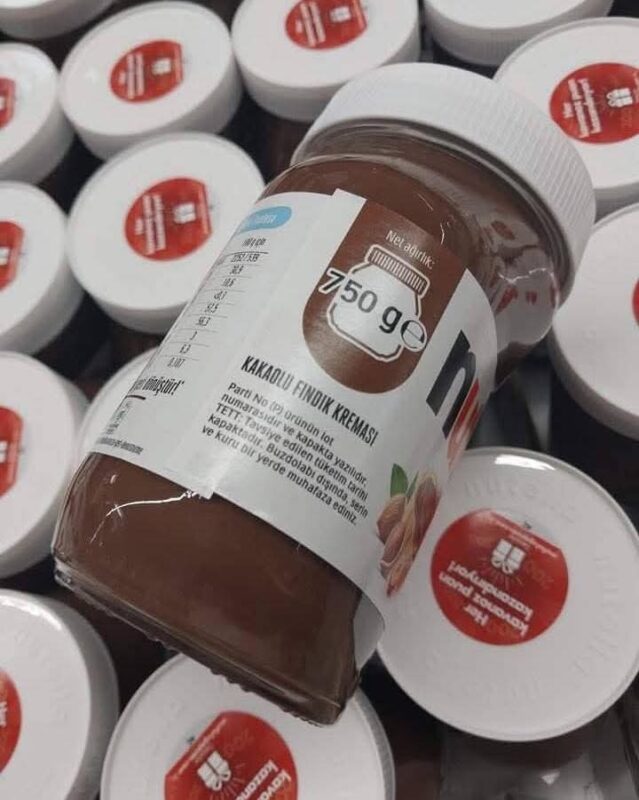
Batch freshness discipline maintains product quality standards that protect retail shelf life and consumer satisfaction. We coordinate production timing with container shipping schedules to minimize age between manufacturing and retail distribution. Wholesale buyers benefit from this freshness focus through extended sell-by dates that provide greater flexibility in their inventory rotation practices.
Quality Verification Process
Our sourcing coordination includes verification of production batch specifications against agreed quality parameters. French manufacturing facilities operate under Ferrero Group standards that maintain consistency across international distribution channels. We confirm packaging integrity, labeling accuracy, and batch code documentation before authorizing dispatch to wholesale buyers.
Temperature monitoring during initial transport stages protects product quality between production facilities and port consolidation points. This quality discipline throughout the supply chain ensures products arrive at buyer facilities in optimal condition for retail distribution or commercial use.

Volume confirmation triggers the coordination sequence that structures batch allocation, packaging preparation, and transport booking. Buyers providing clear volume specifications enable accurate lead time estimates and delivery scheduling. This planning clarity benefits both parties through realistic expectation setting and efficient resource allocation.
For buyers exploring wholesale Nutella supply across Ireland, the United Kingdom, and broader Northern European distribution networks, similar coordination frameworks apply regardless of specific delivery destinations. Regional buyers interested in understanding how this model serves their particular market requirements and distribution footprints may reference our experience coordinating FMCG supply across various international markets, including operations in South Africa, Hong Kong, and South Korea.
Established wholesale relationships develop through consistent delivery performance and transparent communication. We maintain regular contact with buyers regarding production schedules, shipping progress, and any factors affecting delivery timelines. This communication discipline builds the trust necessary for long-term wholesale partnerships in FMCG distribution.
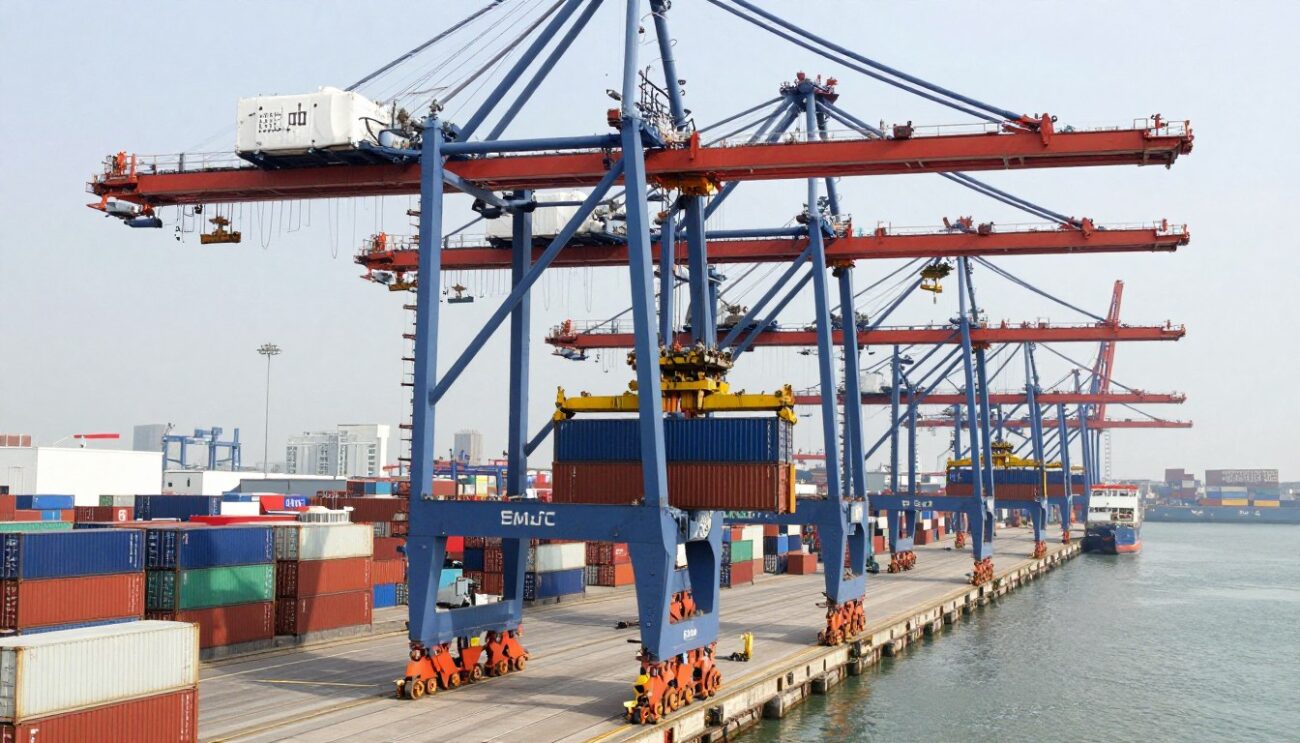
Retail Category Dynamics
Chocolate spread occupies a strategic position within the spreads and preserves category across European grocery retailing. Category captains at major supermarket chains allocate significant shelf space to Nutella based on demonstrated sales contribution and consumer demand data. The product serves as a destination item that drives store visits rather than relying solely on impulse purchasing behavior.
Retail buyers managing spreads categories balance brand power against private label development efforts. Nutella’s strong consumer franchise makes it difficult for retailers to reduce shelf allocation without risking customer dissatisfaction. This category position provides stability for wholesale distributors serving supermarket accounts across competitive retail environments.
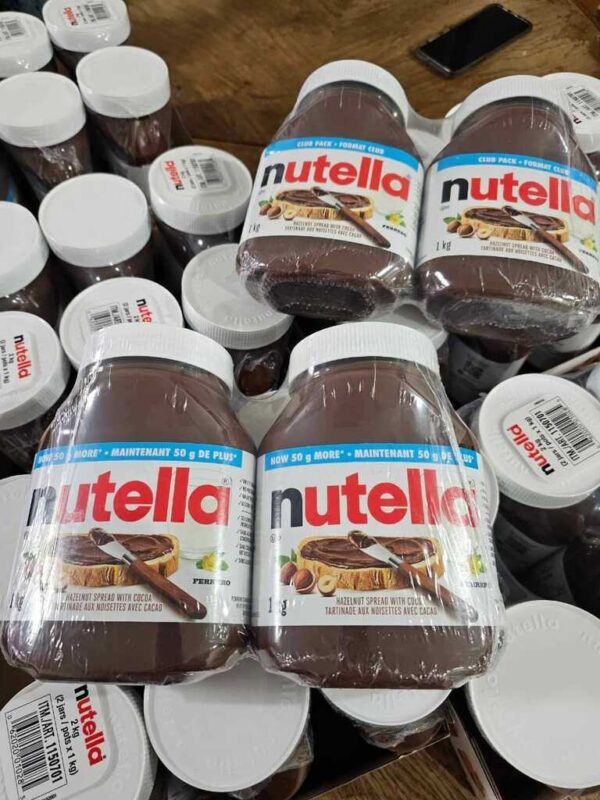
Promotional strategies typically amplify existing demand rather than creating artificial sales spikes. Retailers use Nutella in multi-buy offers and seasonal campaigns that drive basket size increases while maintaining predictable baseline consumption. This promotional characteristic benefits distributors through manageable volume fluctuations compared to more volatile FMCG categories.
Convenience Retail Patterns
- Smaller jar sizes dominate ranging
- Impulse purchase positioning near checkout
- Limited promotional activity
- Focus on immediate consumption needs
Supermarket Strategies
- Full size range representation
- Regular promotional calendar integration
- Breakfast aisle primary placement
- Secondary displays during campaigns
Wholesale Club Approaches
- Bulk packaging emphasis
- Value-focused pricing structures
- Limited SKU selection
- Pallet display merchandising
Cross-merchandising opportunities place Nutella in breakfast builder displays alongside bread, cereal, and beverage products. These promotional tactics increase category sales while reinforcing consumption occasions that drive regular household purchasing. Retailers leverage the brand’s versatility across breakfast, snacking, and baking applications to maximize sales potential.
Private label competition exists within spreads categories but typically positions at lower price points rather than directly challenging Nutella’s premium positioning. This competitive structure allows wholesale distributors to maintain margin stability while retailers capture price-sensitive consumers through their own-brand alternatives. The category structure supports multiple tiers that serve different consumer segments without cannibalizing established brand sales.
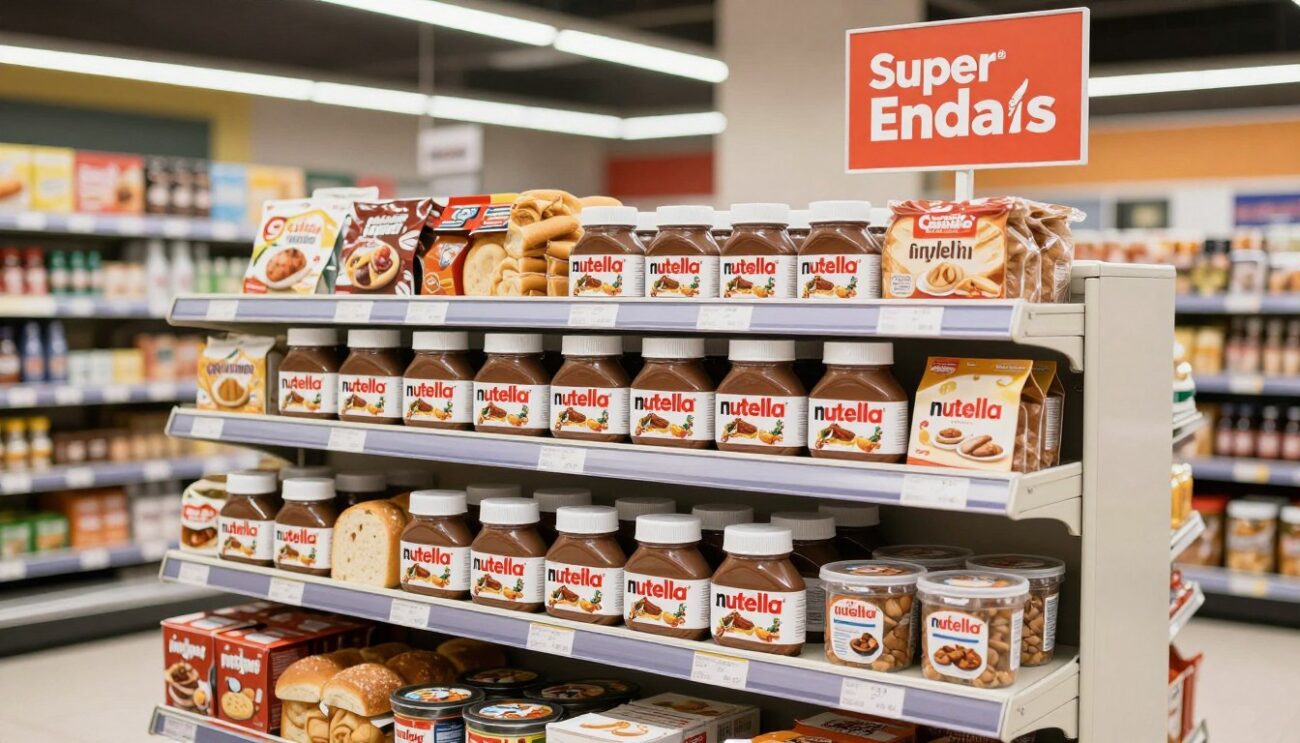
Seasonal consumption patterns show modest increases around back-to-school periods and holiday seasons without dramatic peaks that strain distribution systems. This relatively stable demand profile helps wholesalers manage capacity utilization across their broader FMCG portfolios. The predictability supports efficient transport and warehouse resource planning throughout annual cycles.
Distributors serving the Irish retail market and broader Northern European networks understand these category dynamics when structuring their chocolate spread wholesale strategies. For context on how similar FMCG brand distribution operates across different international markets, buyers may find relevant insights from coordination experiences in regions like Colombia and Mexico, where retail category structures present both similarities and regional variations.
Payment Structure & Commercial Terms
Our standard wholesale coordination operates on a structured payment framework that balances buyer and supplier interests. The typical arrangement involves 50% advance payment upon order confirmation, with the remaining 50% settled against Bill of Lading or alternative structures agreed during commercial discussions. This payment discipline ensures proper capital allocation for batch sourcing while providing buyers with standard trade finance practices.
Buyers coordinating larger container volumes or establishing regular reorder patterns may discuss adapted payment frameworks that reflect the ongoing commercial relationship. We structure terms that recognize volume commitments while maintaining the financial discipline necessary for reliable sourcing coordination. These discussions occur transparently during initial order planning conversations.

Bank transfer methods through established European financial institutions provide secure payment processing for international wholesale transactions. We coordinate with buyers to structure currency arrangements that minimize conversion costs while maintaining transparent pricing throughout the commercial relationship. Documentation supporting payment transfers includes detailed commercial invoices that facilitate proper accounting and customs clearance procedures.
Credit terms consideration depends on buyer credentials, order volume patterns, and established relationship history. New wholesale partnerships typically begin with the standard advance and balance structure before evolving toward extended terms as mutual confidence develops through successful transaction completion. This progressive approach protects both parties while enabling relationship growth over time.
Pricing Transparency
We provide detailed pricing breakdowns that clarify product cost, transport charges, and applicable insurance coverage. This transparency enables buyers to evaluate total landed costs at their destination facilities. Volume-based pricing considerations reflect the economies achieved through container-level coordination versus smaller consolidated shipments.
Currency quotations typically reference euros given our Vienna base and French sourcing coordination, though we accommodate buyer preferences for alternative currency arrangements when appropriate. Exchange rate mechanisms are clarified during commercial discussions to eliminate surprises in final payment calculations.
Documentation Standards
Commercial documentation follows international trade standards recognized across European markets. Proforma invoices detail all commercial terms before order confirmation, providing buyers with clear transaction frameworks. Final invoicing accompanies shipping documentation to support customs clearance and payment release processes.
Bill of Lading documentation establishes goods transfer timing and supports financing arrangements when buyers utilize trade credit facilities. We coordinate document delivery through banking channels or courier services based on buyer preferences and transaction timing requirements.
Minimum order quantities align with efficient container utilization rather than arbitrary volume thresholds. We discuss buyer requirements during initial consultations to determine whether full container coordination or consolidated arrangements better serve their operational needs. This flexible approach accommodates both established distributors with regular volumes and buyers testing new market opportunities.
Official Nutella brand information and Ferrero Group corporate details provide additional context for buyers evaluating chocolate spread wholesale partnerships. Understanding Incoterms applications helps clarify responsibility divisions throughout international supply chain coordination.
Frequently Asked Questions
Can different Nutella jar sizes be consolidated in one shipment?
Yes, we coordinate mixed pallet configurations that combine multiple jar sizes within single container shipments. Distributors serving both retail and horeca channels commonly request such arrangements to optimize their inventory across different customer types. The mixed pallet structure depends on confirmed volume specifications for each size category. We ensure proper weight distribution and packaging protection throughout the consolidation and transport process. Buyers share their preferred size mix during order planning discussions to structure efficient pallet configurations.
How is freshness maintained throughout the Nutella wholesale supply chain?
Freshness discipline begins with coordinating production batch timing against container shipping schedules. We structure sourcing from French facilities to minimize the period between manufacturing and dispatch to wholesale buyers. Temperature considerations factor into transport mode selection and container specifications when routing and seasonal conditions warrant additional protection. Product handling protocols throughout loading and port operations protect packaging integrity that preserves freshness. Buyers receive batch code documentation that enables inventory rotation management at their distribution facilities.
Are Nutella wholesale pallets optimized for sea freight to Ireland and UK destinations?
Pallet configurations follow standard European specifications that ensure compatibility with ocean freight container loading and port handling equipment. Carton stacking patterns maximize cubic utilization within containers while maintaining weight distribution that protects product integrity during transport. Stretch wrapping and corner protection systems secure loads throughout multi-modal journeys from French sourcing points through continental ports to Irish and UK destinations. The pallet optimization balances transport efficiency with receiving convenience at buyer warehouse facilities.
What export documentation is provided with Nutella wholesale shipments?
Standard export documentation includes commercial invoices detailing product specifications, quantities, and agreed commercial terms. Packing lists provide carton-level information that facilitates customs clearance and receiving verification. Bills of lading establish shipment ownership transfer timing and support trade finance arrangements when utilized by buyers. Certificate of origin documentation accompanies shipments when required by destination country regulations. Product specification sheets and batch information satisfy food safety traceability requirements across European distribution networks.
How soon after volume confirmation does Nutella wholesale coordination begin?
Coordination timelines depend on current production scheduling and container availability from French sourcing locations to specified destination ports. Upon volume confirmation and advance payment receipt, we initiate batch allocation discussions with production facilities and secure container bookings with transport providers. Lead times typically range from 3-5 weeks for standard wholesale volumes, accounting for production coordination, inland transport to departure ports, ocean freight transit, and port clearance procedures. Buyers requiring specific delivery windows share their timing requirements during initial planning discussions to structure realistic scheduling expectations.
Coordinate Nutella Wholesale Supply for Your Distribution Network
Buyers planning wholesale Nutella orders across UK and Northern European markets typically share four key specifications to begin coordination:
- Preferred jar size or mixed pallet configuration – Specify whether your distribution serves retail, horeca, or mixed channel requirements
- Estimated monthly or quarterly volume – Indicate whether you plan container-level orders or consolidated shipment arrangements
- Destination port or delivery region – Share your primary receiving location for transport coordination and documentation preparation
- Preferred delivery timeframe or reorder cycle – Clarify whether you require one-time orders or establishing regular supply patterns
Zeki Frucht GmbH coordinates Nutella sourcing from French production for confirmed wholesale volumes across FMCG distribution networks. Our Vienna-based operations structure batch coordination upon volume confirmation from distributors, supermarket procurement teams, and bakery suppliers operating in Ireland, the United Kingdom, and broader Northern European markets.