

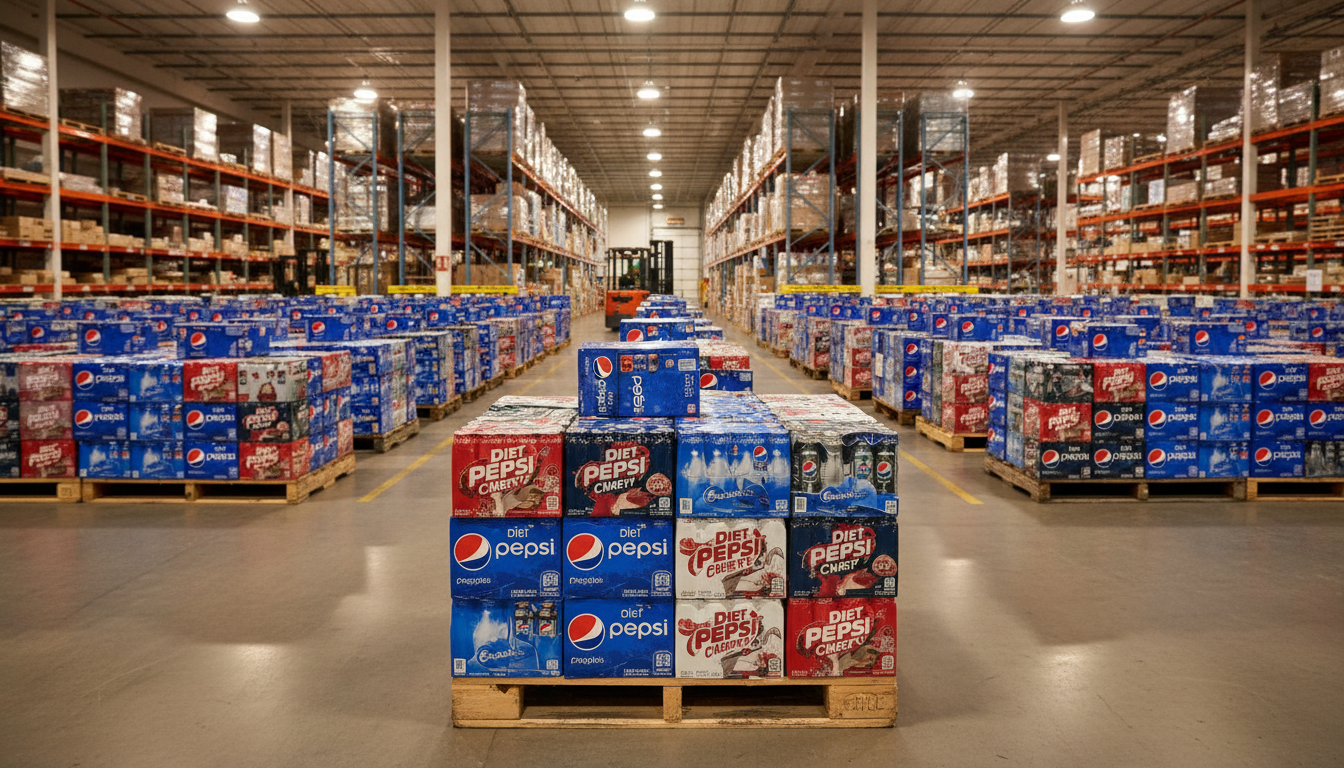
If you manage beverage distributor supply, the main risk isn’t demand. It’s more about the timing, consistency, and how you ship it.
We help with pepsi wholesale usa buying in big quantities across the U.S. We make sure orders are steady, with clear details and how your warehouse gets them.
Buyers usually want cans and PET bottles in standard sizes. We offer quotes for pallets and even full truckloads if it works. We also keep track of lots and dates to help you manage stock.
To keep things smooth, we follow a set process: check inventory, confirm details, align delivery times, and then send out the necessary papers. This way, a pepsi wholesale supplier can make sure everything goes smoothly and buyers can compare offers fairly.
Key Takeaways
- We support pepsi wholesale usa orders at pallet and truckload scale for U.S. distribution needs.
- Formats include retail-ready cans and PET bottles, quoted with clear case and pallet counts.
- We prioritize confirmed inventory, documented pallet builds, and export-ready handling.
- Lead times, lot details, and best-before windows are checked before allocation is finalized.
- Our process is built for beverage distributor supply planning, not one-off spot buys.
- As a pepsi wholesale supplier, we align pricing, paperwork, and shipping steps so soft drinks wholesale usa buyers can execute with fewer exceptions.
Wholesale Pepsi supply overview for US distributors, wholesalers, and beverage buyers
When buyers need steady replenishment, we map volumes, lead times, and receiving rules before we quote. Our role is to keep orders practical for the warehouse and clean for accounting, whether you operate as a pepsi distributor usa or buy across several locations.
We focus on repeatable outcomes: consistent case counts, clear pallet builds, and shipment visibility. That structure matters when you need to buy soda pallets usa without creating extra rework at the dock.
Who this bulk program fits: beverage distributor supply, retail chains, convenience stores, and foodservice
This program is built for beverage distributor supply teams that manage multiple drops and strict time windows. It also fits retail chain replenishment where planograms drive steady turns and backroom space is limited.
For smaller footprint stores, we align case packs and delivery cadence to support pepsi supply for convenience stores. For larger accounts, we support pepsi for retailers bulk where buyers need predictable inbound flow for weekly or biweekly resets.
Foodservice buyers typically prioritize storage efficiency and fast handling. We plan around back-of-house constraints, including pallet height, wrap integrity, and quick count checks on arrival.
Order sizes supported: pallet, LCL, FCL, and Pepsi truckload supply planning
Order size can start at a single pallet when you need to test velocity or cover a short gap. For mixed demand, LCL consolidation helps control cash flow while still moving export-capable lots.
For scale, FCL planning reduces unit freight cost and improves lot consistency. When volume is high and delivery is time-sensitive, pepsi truckload supply is planned around appointment schedules, dock capacity, and route efficiency.
| Order model | Best fit | Operational notes we align upfront |
|---|---|---|
| Single pallet (MOQ) | Trial runs, short fills, new doors | Target SKU list, pallet footprint, receiving hours, count method |
| LCL consolidation | Mixed demand across formats or flavors | Carton labeling, segregated lots, consolidation cutoff, delivery window |
| FCL container load | Planned replenishment and stable velocity | Load plan, pallet count, weight distribution, port and drayage timing |
| Truckload | High-volume domestic distribution cycles | Appointment rules, unloading equipment, detention terms, POD workflow |
What “export-ready” means for wholesale soft drinks USA shipments
For export lanes, export-ready means the product is packed in retail-standard trays or cases and palletized for mechanical handling. We match pallet builds to the shipment plan so the receiving team can verify lots fast and move inventory without repacking.
Documentation is prepared to support clearance and clean receiving, including commercial invoice and packing list alignment. Buyers who want platform-like discipline—such as volume-based pricing steps, structured invoicing, and responsive updates—typically use the same workflow whether they source as pepsi for retailers bulk or buy soda pallets usa for regional distribution.
Pepsi wholesale USA sourcing options and supply channels
We help buyers who need regular supplies and clear tracking. For pepsi drinks wholesale, we match supply with real stock, shipping times, and receiving rules. This is common in wholesale soft drinks usa networks.
When planning to import beverages, we make sourcing choices carefully. We check what can be shipped, when, and how it will clear into the U.S. before agreeing on terms.
Domestic allocation vs. EU sourcing channels based on availability and confirmed orders
Domestic allocation is first when U.S. stock is available and timing fits. It can make lead times shorter, but it depends on allocation and pack formats.
EU sourcing is better when supply is confirmed and suitable for import. A bulk soda supplier usa strategy often depends on lot depth, best-before date, and packaging matching the target channel.
EU sourcing lanes: Germany, Belgium, and France for bulk soda supplier USA fulfillment
We build EU lanes through Germany, Belgium, and France based on confirmed lots and sailing schedules. We plan around pallet count, temperature exposure risk, and export packing standards used for beverage shipments.
Some imported lots may need language or label review for the U.S. market. We handle this early, as it affects documentation consistency and compliance for wholesale soft drinks usa distribution.
| Supply channel | Best fit | Typical control points we verify | Common constraints |
|---|---|---|---|
| Domestic allocation (U.S.) | Fast turns for regional replenishment and DC rollouts | Released inventory, pick window, pallet build, ship-to appointment rules | Allocation timing, limited flavor or pack depth, short booking windows |
| EU lane via Germany | Planned volume where lot depth and schedule are stable | Lot IDs, best-before runway, export cartons, seal and container plan | Longer transit, label review needs, port and cutoff discipline |
| EU lane via Belgium | Mixed-format consolidation when lots align by date | Consolidation plan, pallet count, packing list match, document set readiness | Consolidation complexity, tighter documentation tolerance |
| EU lane via France | Format-specific buys when availability is confirmed early | Production references where provided, pallet configuration, carton integrity checks | Format availability shifts, scheduling depends on confirmed booking |
How a Pepsi supply company confirms lots, dates, and documentation before payment
As a pepsi supply company, we run a confirmation workflow before payment. We check lot availability, confirm shipping dates, and align pallets to the proforma and packing plan.
We also ensure document readiness. This matches the cargo: commercial invoice details, packing list totals, and transport references. This approach is standard in beverage importer supply and helps keep pepsi drinks wholesale orders predictable from booking through receiving.
Pepsi cans wholesale formats for beverage pallets wholesale
When we talk about pepsi cans wholesale, we keep things simple. We make sure the math is easy for receiving, cross-dock, and export documents. For beverage pallets, we focus on tray-and-pallet builds that fit standard pallet sizes. This makes counting at the dock clear and easy.
As a pepsi wholesale supplier, we check the tray count, pallet count, and can size before we confirm an order. This helps avoid mistakes later, like when a buyer needs pepsi tray wholesale that fits their warehouse and retail flow.
330ml cans configuration: 24 per tray, 72 trays per pallet (1,728 cans per pallet)
The most common 330ml build is 24 cans per tray and 72 trays per pallet. This means each pallet has 1,728 cans. This makes counting fast during checks and cycle counts.
Some lanes have alternative pallet builds for 330ml, like 108 trays per pallet. We confirm this at allocation because it changes how pallets are planned and handled for beverage pallets wholesale.
250ml slim cans configuration: 24 per tray, 84 trays per pallet (2,016 cans per pallet)
For 250ml slim cans, the standard build is 24 cans per tray and 84 trays per pallet. This totals 2,016 cans per pallet. The slim cans stack tightly, which can affect how fast they are handled at receiving.
When planning slim-can loads, we also check the tray’s integrity and wrap tension. Slim formats can shift if pallets are mishandled or stored on uneven racking.
Common wholesale variants: Original, Max, Diet, and Cherry availability by lot
Variant availability is managed by lot and sourcing lane. Common options include Pepsi Original, Pepsi Max, Diet Pepsi, and Cherry styles when they are in confirmed inventory.
For pepsi tray wholesale orders with different variants, we match each flavor to its lot code and production window. As your pepsi wholesale supplier, we keep the pallet map clear. This makes it easy to handle claims, recalls, or rotation rules with normal trade controls.
| Can format | Tray pack | Trays per pallet | Units per pallet | What we confirm before allocation |
|---|---|---|---|---|
| 330ml cans | 24 per tray | 72 trays | 1,728 cans | Tray type, pallet height, lot code, and label match for pepsi cans wholesale |
| 250ml slim cans | 24 per tray | 84 trays | 2,016 cans | Wrap pattern, corner protection, and handling limits for beverage pallets wholesale |
| 330ml cans (alt build) | 24 per tray | 108 trays | 2,592 cans | Configuration approval, stack stability, and container fit with the bulk pepsi supplier plan |
Pepsi bottles wholesale formats for soft drinks pallet supply
We make sure bottle orders are consistent and easy for US warehouses to handle. Our pepsi bottles wholesale program uses retail tray math. This makes it easy for receiving teams to check totals without guessing.
500ml PET bottles: 24 per tray, 60 trays per pallet (1,440 bottles per pallet)
The 500ml PET format is great for single-serve sets and cooler doors. We quote by tray and pallet, making it clear: 24 per tray and 60 trays per pallet for 1,440 bottles total. This standard helps buyers compare prices easily.
1.5L bottles: 12 per tray, 55 trays per pallet
The 1.5L format is good for family meals and multi-unit promos. It’s also space-efficient. With 12 per tray and 55 trays per pallet, the pallet is stable for wrapping and protection. We make sure pepsi case packs wholesale expectations match the tray count.
2L bottles: 8 per tray, 50 trays per pallet (400 bottles per pallet)
For value-driven shelves, 2L bottles are often used in larger displays. The standard build is 8 per tray with 50 trays per pallet, totaling 400 bottles per pallet. This structure helps with consistent stacking and makes pricing easier to validate.
| Format | Primary pack pattern | Trays per pallet | Total units per pallet | How we use it in quoting |
|---|---|---|---|---|
| 500ml PET | 24 bottles per tray | 60 | 1,440 bottles | Best for comparing unit cost and aligning pepsi wholesale pricing to cooler-driven demand |
| 1.5L | 12 bottles per tray | 55 | 660 bottles | Used for steady warehouse turns and clean receiving counts tied to pepsi case packs wholesale planning |
| 2L | 8 bottles per tray | 50 | 400 bottles | Supports landed-cost checks where pepsi pallet pricing is sensitive to weight, cube, and store shelf density |
Flavor and label variants can change by lot, so we confirm availability before allocation and loading. This verification protects the pack plan and keeps documentation aligned with the final pallet count. It also reduces adjustments after booking when the soft drinks pallet supply window is tight.
Pepsi case packs wholesale and tray configurations for retail-ready handling
Retail-ready handling means having consistent units. In the world of beverage distributors, we count the same way your warehouse does. This includes trays, cases, and pallets. It helps keep everything in sync for U.S. receiving.
Tray, case, and pallet definitions used in quoting and pick/pack
A tray is what stores see first, often with 24 units. This can be cans or bottles, depending on the format. A case might be the same as a tray for some channels. But for others, it’s a different pack level.
A pallet is the load built for easy handling. It’s ready for scanning and counting. This makes sure everything is correct and easy to manage.
| Unit used on quotes | What it means in the warehouse | Typical use in U.S. programs |
|---|---|---|
| Tray | Retail-ready pack (often 24 units per tray, format-dependent) | Fast store replenishment for pepsi supply for convenience stores and high-turn accounts |
| Case | Sometimes identical to a tray; sometimes a secondary pack level per channel | PO line matching for pepsi case packs wholesale across retail and foodservice |
| Pallet | Full unitized load with wrap, labels, and stable stacking for transport | Efficient pick/pack and dock planning for pepsi for retailers bulk |
Pepsi tray wholesale best practices for warehouse receiving and store replenishment
For pepsi tray wholesale, we focus on quick and easy handling. We aim for fast put-away and efficient cross-dock moves. This reduces mis-picks, which happen when orders are split.
We also make sure the build fits your scanning process. Pallet labels match the packing list, and tray counts match the PO. Lot identifiers help with recalls or date-code checks. This is crucial when pallets are broken down for store drops.
Mixed pallets and variety configurations when permitted by origin and inventory
When allowed, we create mixed pallets for better inventory turns. This is often for Pepsi Original and Pepsi Max, or for seasonal demand. It makes store-level sets simpler.
To keep counts right at the destination, any mixed build is confirmed in writing. We use 7up wholesale packaging benchmarks as a guide. This way, your receiving team can easily verify trays, cases, and pallets.
Pepsi pallets for sale and pallet build standards for US receiving
When we sell pepsi pallets, we focus on the build quality. This makes receiving faster and more accurate. It also helps distributors handle pallets the same way everywhere.
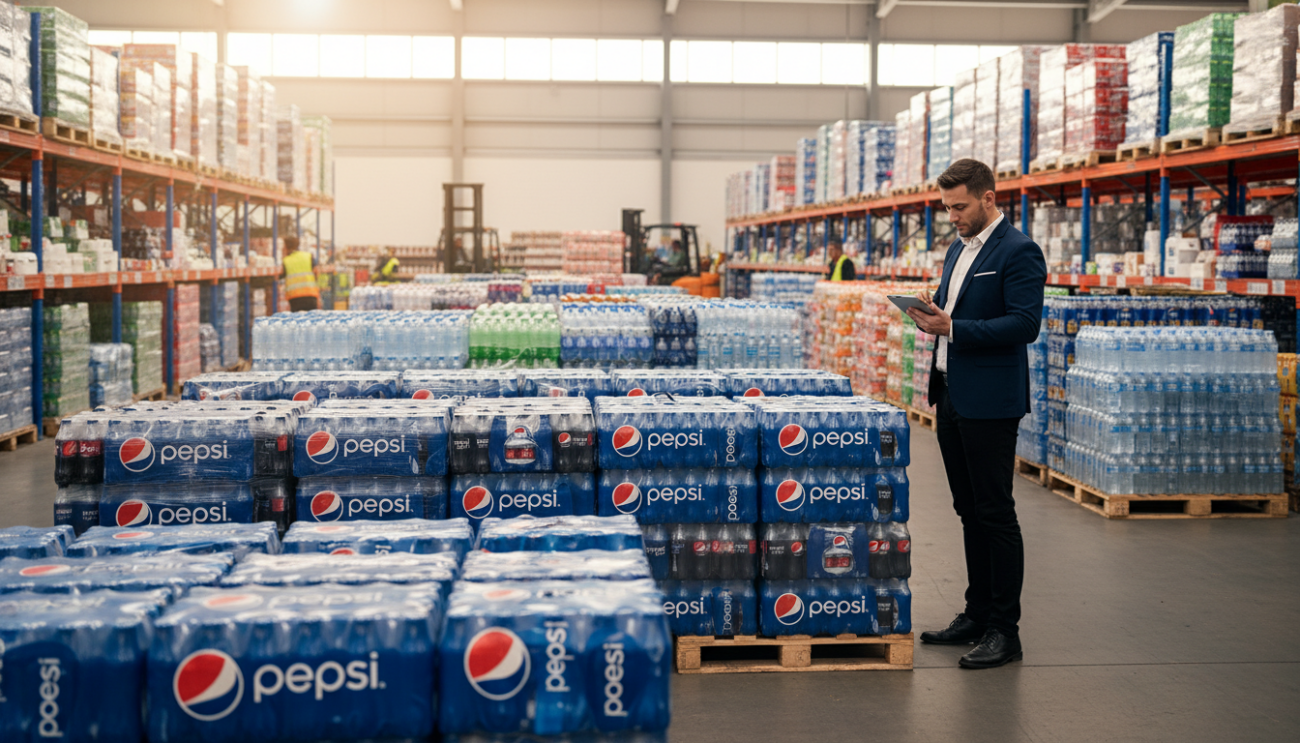
Pallet footprint, wrap, corner boards, and label placement for beverage pallets wholesale
We make sure the pallets fit standard forklifts and pallet jacks in the US. We use tight wrap to keep the load stable during transport. Corner boards are added when needed to protect the edges.
We place labels outside for easy scanning and checking. This makes it quicker to receive large orders of pepsi.
Lot control: production dates, best-before, and batch traceability for distributors
Lot control is key, not just paperwork. We check the lot and date details before shipping. This includes production dates and best-before dates on packaging.
We ensure batch traceability is consistent. This helps with inventory management and recall readiness. It also makes it easier to handle claims when pallets arrive over time.
Damage prevention for pepsi freight pallets: stacking limits and handling notes
Pepsi freight pallets often get damaged from crushed corners and leaning stacks. We give handling notes based on the type of packaging. We also set stacking limits to avoid overloading the bottom tiers.
| Control point | What we standardize at build-out | Why it matters at US receiving |
|---|---|---|
| Stack height and top-load | Format-based limits with a stable, level top surface | Reduces crushed trays and short counts during inbound audit |
| Wrap pattern | Full base wraps plus reinforced mid-band, with clean wrap tail | Helps prevent shifting on turns and braking, improving seal integrity |
| Edge protection | Corner boards when required by lane, weight, or stacking plan | Lowers corner damage that triggers chargebacks and rework |
| Handling notes | No clamp unless approved, fork entry points respected, do-not-double-stack when specified | Improves consistency across carriers and cross-docks for buy pepsi in bulk programs |
Pepsi 355ml cans wholesale and other US-preferred sizes
In the U.S., 355ml is a key size. We treat pepsi 355ml cans wholesale as a special lane. This is because planograms, vending spirals, and cooler sets are designed for this size.
How 355ml demand differs for US planograms, vending, and convenience
For grocery, shelves are set up for the can size. In convenience, 355ml keeps the set tidy for core flavors. In vending, the right size is crucial for performance.
When we talk about pepsi drinks wholesale, we focus on different needs. Retail, route, and vending have their own requirements. This approach helps in stocking and scanning efficiently.
Substitution planning when 355ml is tight: 330ml and 350ml options by channel
When 355ml is scarce, we plan for substitutes. 330ml is good for export programs, and 350ml for buyers with flexible sets. Our goal is to keep sales fast without slowing down restocking.
| Channel use case | Primary size preference | Allowed substitution when constrained | Operational check we run before release |
|---|---|---|---|
| Grocery planogram sets | 355ml for consistent shelf fit | 350ml only if the set allows near-size changes | Facing width, shelf height, and case count per store |
| Convenience coolers | 355ml for quick grabs and uniform facings | 330ml if the buyer accepts EU-standard sizing | Cooler shelf depth, price label fit, and pack coding |
| Vending routes | 355ml for spiral and drop reliability | Limited; 350ml may be tested case-by-case | Can diameter, drop test history, and machine compatibility |
| Foodservice back-of-house | Flexible based on menu and storage | 330ml or 350ml depending on carton and storage needs | Case dimensions, pallet pattern, and pick speed |
Label and language considerations for imported lots intended for US resale
For imported goods, labels are crucial. We check what’s on the can and what’s possible by origin. This includes English and other languages used in global trade.
We make sure documentation and photos match before shipping. This helps a pepsi distributor usa avoid surprises. It also keeps pepsi drinks wholesale orders consistent in soft drinks wholesale usa.
Pepsi pallet pricing and pepsi wholesale pricing logic for B2B buyers
We always quote pepsi pallet pricing with the same rules. This way, buyers can easily compare different options. In pepsi wholesale usa programs, it’s important to be clear about each lot’s details.
We start with what’s on the pallet when setting prices. Then, we match it to your business plan. This could be for retail, foodservice, or secondary distribution.
Key drivers
Format is the first thing we consider. Cans and bottles are different, affecting how they stack. Flavor mix also plays a role, as different flavors move at different speeds.
Pallet count is important for efficiency. When lots are confirmed, we provide all the details. This helps match the quote to your sales plan.
Volume scaling
Our pricing changes as you buy more. Single pallets cost more per unit, but buying in bulk is more efficient. This is where planning your container supply is key.
For pepsi wholesale usa buyers, we show the pricing tier used. This helps teams plan margins and decide when to increase volume.
Cost components
We break down pricing into clear parts. These include product value, export prep, documentation, and freight. This makes it easier to compare costs.
When buying in bulk, these parts help you compare different options. This is important for making informed decisions.
| Pricing driver | What we confirm in the quote | How it impacts landed cost | Buyer control |
|---|---|---|---|
| Format (cans vs. PET vs. large bottles) | Pack type, pallet configuration, gross weight estimate | Changes cube, freight class behavior, and handling time | Select format that fits warehouse flow and store set |
| Flavor mix and SKU spread | Exact variants per pallet and any mix limits | Affects allocation speed and pick/pack complexity | Limit slow movers; keep mixes aligned to demand |
| Pallet count and tier | Single, multi-pallet, or container tier stated | Lowers per-case handling as volume increases | Consolidate POs to reach better tiers |
| Availability window and lot timing | Confirmed lot range and expected ship-ready date | Can shift freight options and scheduling cost | Book earlier to protect slotting and timing |
| Export prep and documentation | Pallet labels, packing list, commercial invoice scope | Adds fixed fees that dilute with higher volume | Standardize paperwork requirements across lanes |
| Freight to destination (port or door) | Routing basis and delivery point named | Major driver in total landed cost and risk | Choose port/door based on drayage and dock capacity |
Buy Pepsi in bulk order minimums and scalable volumes
We aim to make replenishment easy for US accounts. We start with a simple goal: keep the entry point workable, then scale without disrupting receiving, slotting, or cash flow. For buyers who need to buy pepsi in bulk, the cleanest starting point is a pallet-based quote tied to one confirmed lot and one packaging format.
MOQ baseline: 1 pallet depending on format
For most programs, the baseline MOQ is one pallet. The final minimum is set by the format, pallet height, and the lot we can confirm at booking. This approach helps a bulk soda distributor test sell-through before committing to larger runs, while keeping paperwork and pick accuracy tight.
If you plan to buy soda pallets usa for retail, we align the pallet build with your handling needs. This includes case-pack consistency, barcodes, and date control at receipt. For quick benchmarking, we cross-check published market references like Pepsi wholesale price insights and then validate against the actual pallet spec in the load plan.
Container planning: 20ft (typically 10–20 pallets) and 40ft (typically 20–40 pallets)
Scaling usually moves from single-pallet orders into pepsi container supply planning. A 20-foot container typically fits 10–20 pallets, and a 40-foot container typically fits 20–40 pallets. This depends on the footprint, stack height, and stowage limits.
We treat these as planning ranges, not guarantees. Weight matters as much as cube, since a full beverage pallet can push total container weight quickly. This is true, even with canned packs and dense case counts.
| Volume option | Typical pallet range | Best fit in US buying cycles | Key checks before booking |
|---|---|---|---|
| Single pallet MOQ | 1 pallet | New SKU trials, small chain replenishment, tight storage space | Confirmed lot/date, pallet height, best-before window, receiving appointment rules |
| 20-foot container | 10–20 pallets (format-dependent) | Regional distribution, steady monthly orders, balanced freight-to-margin | Load plan, axle weight considerations, temperature exposure risk, delivery lead time |
| 40-foot container | 20–40 pallets (format-dependent) | High-velocity retail and multi-DC programs | Stowage pattern, inventory rotation plan, dock capacity, damage-prevention specs |
Example benchmark from market listings: up to 26 pallets per 20ft container (format-dependent)
Some market listings cite benchmarks such as up to 26 pallets per 20-foot container for specific configurations. We use figures like that as a target, then confirm whether the pallet build, wrap, and maximum safe stack height allow it in real loading conditions.
For repeat lanes, we can also map a pepsi truckload supply cadence to keep inventory stable during summer peaks and promotion weeks. When the schedule is set, we keep communication tight across production dates, delivery windows, and receiving constraints so the next scale step stays predictable.
Logistics options for pepsi container supply and US delivery
We tailor pepsi container supply to your needs. This includes your service level, cost target, and how quickly you need inventory. For soft drinks wholesale usa, we aim to reduce touches, protect packaging, and keep appointments on time.
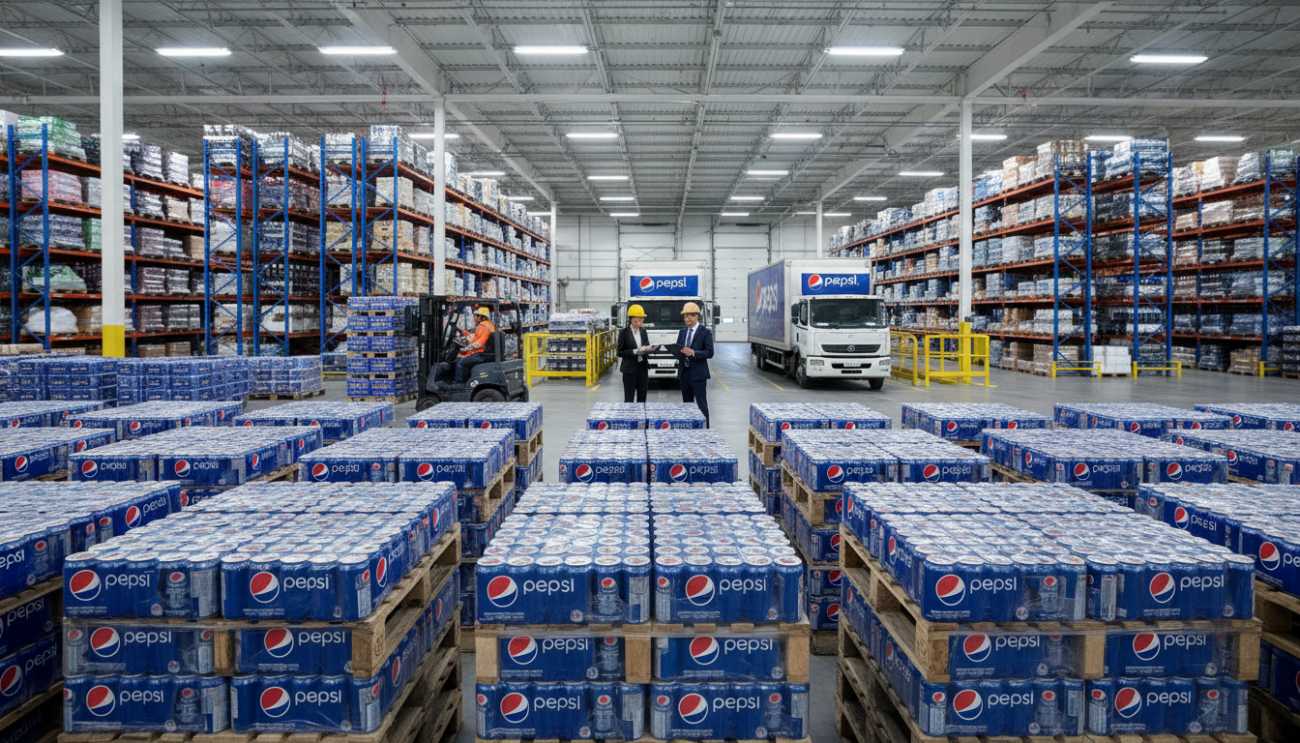
LCL vs FCL selection for bulk soda distributor and beverage importer supply needs
For new SKUs or lanes, LCL might be good when the schedule fits your sales plan. It spreads risk but adds handling steps. This can lead to scuffed trays or shifted layers on pepsi freight pallets.
For repeat replenishment, FCL is better. It offers a stable landed cost, fewer transfer points, and better control over seal integrity and pallet count.
| Decision point | LCL (consolidated) | FCL (full container) |
|---|---|---|
| Best use case | Trial volumes, mixed procurement, or short promos | Planned cycles and distributor allocation programs |
| Handling exposure | More touchpoints during consolidation and deconsolidation | Fewer touchpoints from load to devanning |
| Cost behavior | Variable accessorials; storage risk if rolled | More predictable per-unit freight math |
| Pallet integrity focus | Higher need for corner protection and overwrap discipline | Better consistency for pepsi freight pallets at receiving |
Air freight for urgent replenishment vs ocean freight for margin optimization
Air freight is for urgent needs, but we use it sparingly. It’s best for small, time-sensitive gaps where the margin impact is clear and pack integrity is maintained.
Ocean freight is for volume and margin planning. We align sailing windows with promo calendars and regional demand to keep the flow steady.
Customs and delivery coordination to the United States: ports, drayage, and final-mile
We coordinate port selection, arrival scheduling, and customs document handoff. This ensures entries match the commercial invoice and packing list. We also manage drayage timing and warehouse appointments to reduce detention, demurrage, and miscounts.
We follow a digital, real-time mindset for visibility. This is similar to the paperless inventory direction described in PepsiCo supply chain innovation. This discipline helps a beverage importer supply team reconcile lots faster and keeps a bulk soda distributor focused on put-away, not exceptions.
- Confirm the delivery type early: port pickup or door delivery to the consignee warehouse.
- Lock in devanning and appointment rules so pepsi freight pallets are counted once, the same way, every time.
- Pre-brief exceptions: tight delivery windows, liftgate needs, or limited dock hours that can disrupt final-mile flow.
Export-ready preparation and documentation for wholesale soft drinks USA
For wholesale soft drinks usa orders, we focus on export readiness first. This approach ensures smooth receiving, reduces port questions, and speeds up warehouse tasks when loads arrive as beverage pallets wholesale.
Commercial invoice, packing list, and Bill of Lading alignment
We match the commercial invoice, packing list, and Bill of Lading line by line before cargo is released. Product details, unit counts, and pallet totals must all match. This includes the language used in soft drinks wholesale usa trade.
For pepsi distributor supply programs, we standardize fields like PO, lot identifiers, and shipment dates. This keeps the workflow consistent from booking to delivery.
Pallet marking, HS codes, and document consistency to reduce clearance delays
Each pallet is marked for easy put-away. We include SKU or item name, quantity per pallet, and lot or production code when available. We keep HS codes and country-of-origin statements consistent across documents to avoid clearance delays.
When buyers combine SKUs in beverage pallets wholesale, we confirm the mixed-pallet rules for the origin. We keep the same naming convention on every page. This supports pepsi distributor supply teams that need clean ASN-style data for receiving.
Quality checks: packaging integrity, pallet count verification, and photo confirmation
Before dispatch, we run practical checks that protect claims handling. We verify packaging integrity, confirm pallet counts against the packing list, and record wrap condition and corner protection.
When requested, we provide photo confirmation. This lets buyers approve presentation and labeling before release. It’s a simple step that works for both soft drinks wholesale usa replenishment and pepsi supply company audits.
| Control point | What we verify | What it prevents in US receiving | Best fit use case |
|---|---|---|---|
| Document set match | Commercial invoice, packing list, and Bill of Lading show identical SKUs, quantities, and pallet totals | Holds from mismatched counts and time lost on reconciliation | wholesale soft drinks usa shipments with multi-pallet drops |
| Pallet identification | Readable pallet marks, lot references, and count per pallet tied to the packing list | Mis-picks, short-ship disputes, and slow put-away | beverage pallets wholesale for cross-dock or DC receiving |
| Classification consistency | HS codes and origin statements stay consistent across all paperwork | Clearance delays caused by conflicting declarations | soft drinks wholesale usa imports routed through major US ports |
| Release QC | Packaging integrity, wrap tension, corner protection, and pallet count verification | Damage claims and receiving exceptions tied to handling | pepsi distributor supply lanes with strict delivery windows |
| Photo confirmation | Stamped pallet shots, label close-ups, and overall load presentation | Disputes over labeling, condition, and pallet build | pepsi supply company approvals prior to dispatch |
Payment terms and contract structure for Pepsi distributor supply
We make payment and paperwork simple for teams. This helps with planning and cash flow with fewer surprises. It also supports the fast-paced world of beverage distribution.
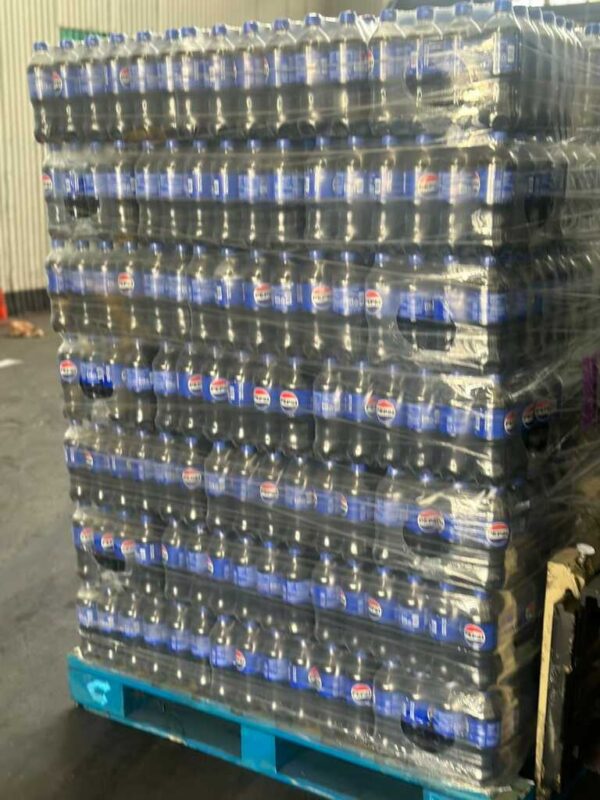
As a pepsi wholesale supplier in pepsi wholesale usa, we write down payment terms. We match them to the shipping details and service level. This way, we keep prices stable and avoid delays.
TT bank transfer terms
We use TT bank transfer with 50% upfront and 50% later. The second payment is made against the Bill of Lading or upon delivery, based on the risk and delivery method.
What’s confirmed before funds are sent
We confirm the order details in writing before payment. This includes the invoice, pallet setup, flavors, and delivery time. It ensures everything is clear for pepsi wholesale usa orders.
| Item we confirm | What it includes | Why it matters at US receiving |
|---|---|---|
| Proforma invoice | SKU list, quantities, Incoterms, currency, payment split | Prevents invoice mismatch and speeds AP approval |
| Pallet configuration | Units per tray, trays per pallet, pallet count per shipment | Supports dock scheduling, count checks, and slotting |
| Lot and date range | Production window, best-before, traceable identifiers | Improves rotation and reduces aged inventory risk |
| Lead time and booking | Ready date, carrier cutoffs, expected transit range | Helps forecast availability and promotions |
How disputes are minimized
We clearly define product standards and tolerances in the contract. This includes count accuracy and pallet condition. We also do pre-shipment checks like count checks and photos. This way, teams can quickly check everything on arrival.
This approach helps in keeping the supply chain stable. It also ensures that prices are based on confirmed details, not guesses. It gives buyers a clear trail from booking to delivery in pepsi wholesale usa.
How to place an order: what we need to quote and allocate stock
To quote and reserve stock, we follow a set process every time. This makes it easier for your team to buy pepsi in bulk quickly. It also keeps approvals simple and aligns with how lots are managed in the United States.
Specify format: cans (e.g., 330ml/355ml) or bottles (500ml/1.5L/2L) and flavor mix
First, tell us the pack type and size so we can find the right lot. Many start with pepsi cans in 330ml or 355ml. Then, they add 250ml slim cans if possible. For bottles, we can quote 500ml PET, 1.5L, or 2L based on what’s available.
Next, list your flavor mix and any swaps you’ll accept. We often see Original, Max, Diet, and Cherry requested. Other flavors are considered only if the lot allows it. This is crucial for convenience stores, where shelf space and prices are tight.
Provide quantity: pallets, container count, or truckload requirement and whether mixed pallets are needed
Tell us the volume in pallets, containers, or truckloads. If comparing pepsi pallets for sale, pallet count is key. It helps confirm build specs and limits on wrap, labels, and stacking.
Confirm if you need mixed pallets. Mixed builds are used when inventory and rules allow. They can help avoid SKU shortages at receiving. For a reference, we handle quote inputs like requesting a wholesale quote in FMCG.
Share destination details: US city/state, delivery type (port pickup or door), and required delivery date
Share the destination city and state, then choose port pickup or door delivery. Add your required delivery date for planning. We confirm if the lane is domestic or sourced from the EU through Germany, Belgium, or France.
When working with a pepsi distributor usa, these details avoid rework. Once we have them, we offer a structured quote. It matches pallet builds, lead time, and payment schedule used in the contract.
| Quote input | What you send | How we use it to allocate stock | Typical buyer goal |
|---|---|---|---|
| Format and size | 330ml/355ml cans; 500ml/1.5L/2L bottles; approved alternates | Matches the correct lot, packaging spec, and label set before reservation | Keep planograms consistent and reduce receiving exceptions |
| Flavor mix | Original, Max, Diet, Cherry; note any acceptable swaps | Builds a pick list that aligns with available variants and shelf demand | Balance velocity SKUs with promo packs |
| Quantity and build | Pallet count, container count, or truckload cadence; mixed pallet request | Determines palletization, load plan, and whether mixed builds are permitted | Control landed cost while protecting fill rate |
| Destination and delivery type | US city/state; port pickup or door; required delivery date | Selects lane, mode, and timing for documents, drayage, and final-mile booking | Hit store and DC windows without expedite costs |
Conclusion
Buying pepsi wholesale in the USA is more about the process than the hype. We first confirm the allocation. Then, we match the order to either domestic supply or EU lanes through Germany, Belgium, and France.
We keep pallets consistent in cans and bottles. This makes receiving, counting, and rotation easier.
As a pepsi wholesale supplier, we focus on export-ready work. We ensure commercial invoices, packing lists, and Bills of Lading are aligned. We also track lots for traceability.
With these steps, we reduce holds, claims, and rework surprises at the dock.
Planning for pepsi container supply means choosing the right mode and timing. We consider LCL versus FCL, port versus door delivery, and lead time. This fits your replenishment calendar.
When discussing pepsi pallet pricing, we consider format, mix, availability window, and freight. This makes your landed cost easy to defend.
We use TT terms for payment: 50% advance and 50% against Bill of Lading or upon receipt, as per contract. To quote and allocate, we need three inputs: product format and flavor mix, pallet or container quantity, and US destination details with the required date. This way, we can move quickly and keep exceptions low.